

November 10, 2025, 8:33 pm | Read time: 7 minutes
Natural disasters like Super Typhoon Fung-Wong and Hurricane Melissa devastate entire regions, often for extended periods. Residents sometimes face complete ruin. Given the hardship that natural and other disasters bring to the inhabitants of affected areas, many travelers wonder when it is appropriate to visit (former) disaster zones again. TRAVELBOOK spoke with Prof. Dr. Dirk Reiser from the Rhine-Waal University of Applied Sciences to seek an assessment.
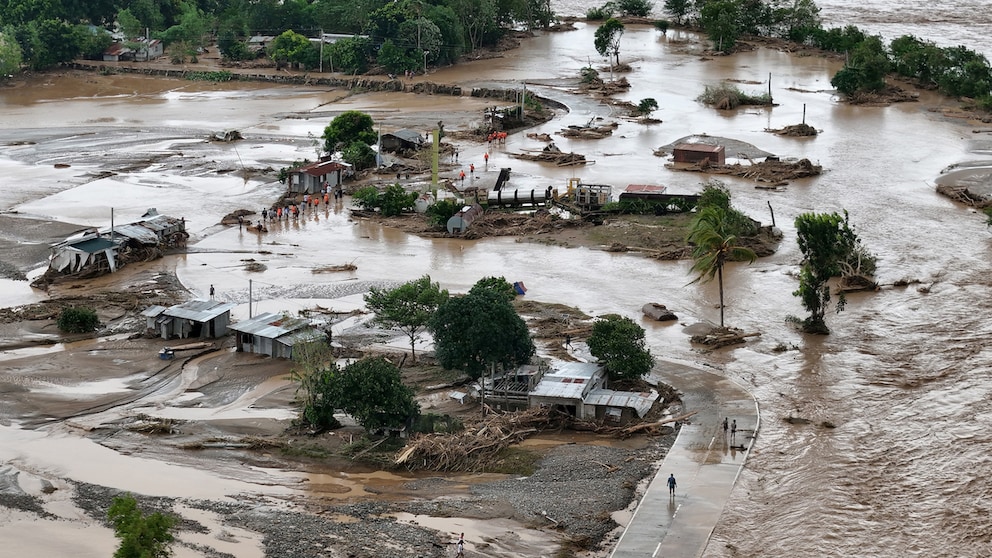
Parts of the Philippines are currently grappling with floods caused by Super Typhoon Fung-Wong. It is foreseeable that residents will deal with the aftermath of the wind and water masses for many weeks, months, or even years. Just about two weeks ago, Hurricane Melissa swept over Jamaica, causing damage in the billions. Natural disasters like these regularly concern the world, increasingly so in light of the growing climate crisis. Accordingly, travelers must also prepare for the possibility that their vacations may be affected by natural disasters. Many thus ask when it is possible to vacation in a place that has been struck by a disaster. Additionally, there is the question of when it is ethically acceptable to vacation in a disaster area. The answer is complex.
Overview
Safety First
First and foremost, before addressing the ethical aspects, the question of safety arises. If there was an earthquake, travelers should ensure their vacation area is safe enough, meaning no aftershocks are expected. The same applies to cyclones, hurricanes, and similar events, which often lead to severe devastation, floods, and landslides. If the natural disaster persists or its effects are severe, traveling there may not be possible—and should not be attempted. The same goes for wars—even though various travel providers offering tours through devastated areas in Ukraine (TRAVELBOOK reported) might disagree. However, we at TRAVELBOOK firmly stand by this viewpoint: Safety first.
Besides the obvious risks, there are additional safety aspects to consider, such as a rise in violent crime following a disaster. For instance, the travel advisories from the German Foreign Office for Jamaica currently state: “Non-essential travel to Jamaica is discouraged. The risk of assaults during overland travel in disaster areas is particularly high at present. This is especially true for women traveling alone.” Those uncertain can usually find an initial assessment from the Foreign Office.
A realistic understanding of the situation on the ground can also aid in deciding whether to proceed with a vacation despite the disaster. Prof. Dr. Dirk Reiser from the Rhine-Waal University of Applied Sciences explains to TRAVELBOOK: “It’s important to look closely at what exactly happened where and which areas are affected.” Sometimes only part of a country is affected, while life continues as usual elsewhere. But: “If the infrastructure is completely destroyed, you obviously can’t travel around.”
Also interesting: Hurricane Melissa – What Caribbean Travelers Need to Know
A Personal Decision
Now to the question of when it is ethically acceptable to travel to a disaster area. Various aspects should be considered here. Prof. Dr. Reiser, who focuses on sustainable tourism management in his work, explains that the decision of when is a personal one that everyone must make for themselves. He states: “There are people who are quite blunt. They say, I booked my vacation, so I’m going.” Others decide against it, sometimes out of fear for their safety, but also because they don’t want to see the extent of the destruction and suffering. “Everyone must decide for themselves what they feel comfortable with,” says Reiser.
He himself traveled to Morocco with a small group of students after an earthquake several years ago, he tells TRAVELBOOK. In advance, he and his fellow travelers had thoroughly informed themselves about the situation on the ground. This included not only the danger level but also how best to help the locals, such as through clothing donations. Reiser recounts: “The travel provider even said tourists should come now because they need the income locally.”
Support Locals Financially
Money is one of the key factors in deciding whether to travel to an area hit by a disaster. Tourism is a vital source of income for many regions. Especially after a hurricane, typhoon, earthquake, or similar event has devastated a region, money is needed to rebuild. This involves infrastructure like electricity, roads, and more. It also concerns the various homes of the locals, whether roofs were blown off or houses completely destroyed. And not least, it involves the income sources of the residents.
However, the money from tourists doesn’t always reach where it’s most needed. Travelers can help by staying in family-run guesthouses, small hotels, and similar accommodations, and dining in local restaurants owned by residents. They can thus deliberately spend their money with the locals rather than investing in large chains.
Avoid Disaster Tourism
Another aspect is disaster tourism. Tours through devastated areas are sometimes offered, allowing people to directly observe the impacts. You drive past destroyed livelihoods and might even witness someone tearfully trying to salvage their last belongings from their home. When it comes to such disaster tourism, the question arises: Would you want a bus full of well-fed tourists driving past you while you’re struggling with the fact that you’ve lost everything and perhaps everyone? They might even pull out their various smartphones and take thousands of photos, so not only your destroyed house but perhaps also your tear-streaked face becomes visible on social media? Most likely, few would want that.
Reiser explains: “One should consider this from an ethical perspective. Whether you go there as a voyeur is a decision you can make yourself.” There are “disaster tourists” who travel to such places for voyeuristic reasons, or in the case of dark tourism, those who specifically visit places “because many people died there.” Others, however, travel to these devastated areas to help as volunteers.
Hurricane Melissa: What Caribbean Travelers Need to Know
Extreme storms and flooding in Spain – what vacationers need to know
Become a Local Helper
When a place is struck by a disaster, there is often much that needs rebuilding. Accordingly, many helping hands are needed. Additionally, direct assistance is required afterward, such as ensuring the population is fed or setting up emergency shelters like tents. Instead of booking a “normal” vacation, tourists could choose to travel to a disaster area and lend a hand.
Those who wish to help directly on-site should refrain from traveling to crisis areas on their own, as they might simply get in the way and hinder the work on the ground due to possible overzealousness. Various reputable organizations, as well as churches and local institutions, organize volunteer efforts and can assess what and who is needed where.
When Can You Visit a Disaster Area Again? A Conclusion
The question of when you can visit a disaster area again is not so much about a precise timeline but rather about respectful interaction with those affected. Those seeking a timeline might find this approach helpful: Those who want to actively help with rebuilding can arrive shortly after the disaster, as long as the assistance is well-organized. Those who want to vacation while practicing sustainable tourism, such as investing in local businesses, can visit when the country is open for tourism again. They should then be sure to interact respectfully and thoughtfully with those affected. Those who don’t care about any of this and just want to relax in an all-inclusive hotel should consider whether another destination might be a better option right now. For Reiser, it’s clear: “When you travel to a disaster area is an individual decision.”