

November 4, 2025, 4:19 pm | Read time: 2 minutes
You can tell you’re on a highway in Germany just by the color of the signs. But why are they blue here? TRAVELBOOK has the answers.
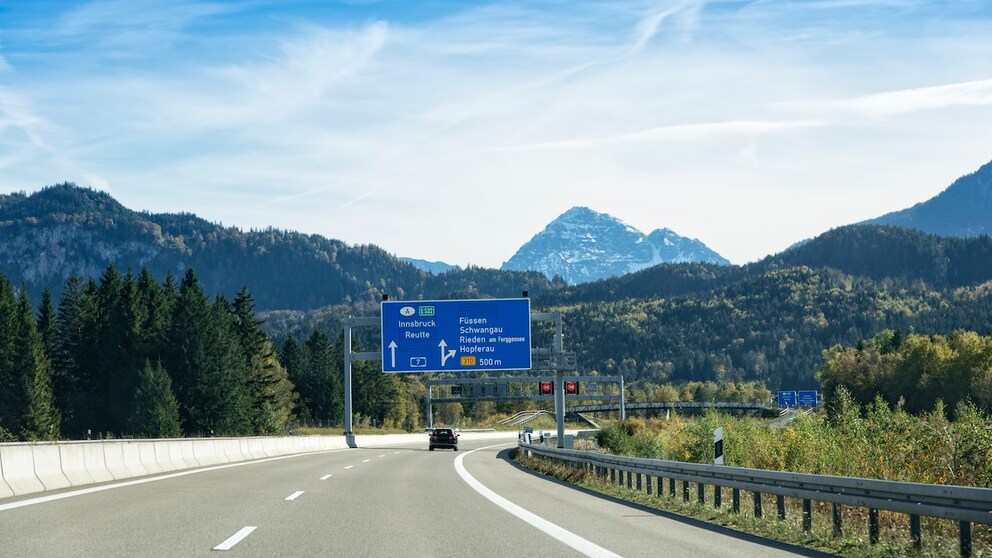
When driving on a highway in Germany, you’re accompanied by blue traffic signs. They indicate, among other things, which highway you’re on, when the next exit is, how many kilometers away your destination is, and which places you pass. The reason the highway signs are blue has a specific rationale—though they could have been green instead.
The Choice Between Blue and Green
As early as the beginning of the 20th century, numerous countries worked on a unified regulation for road safety. In 1968, the Vienna Convention on Road Traffic was adopted. Among other things, it defined what constitutes a highway, how to behave in accidents, and general regulations such as safety distances in road traffic.
It also specified the color of traffic signs on highways. Countries could choose between blue and green. Germany opted for blue, which is why our highway signs look the way they do today.
Highway Signs in Other Countries
Dozens of countries joined the Vienna Convention at the time, which is why the colors green and blue dominate highways, especially in Europe and beyond. Besides Germany, countries like France, Portugal, Spain, and Poland also chose blue.
In contrast, highway signs are green in countries such as Italy, Bulgaria, Sweden, Finland, Montenegro, Greece, the Czech Republic, Turkey, and Switzerland.