

October 2, 2026, 8:36 am | Read time: 4 minutes
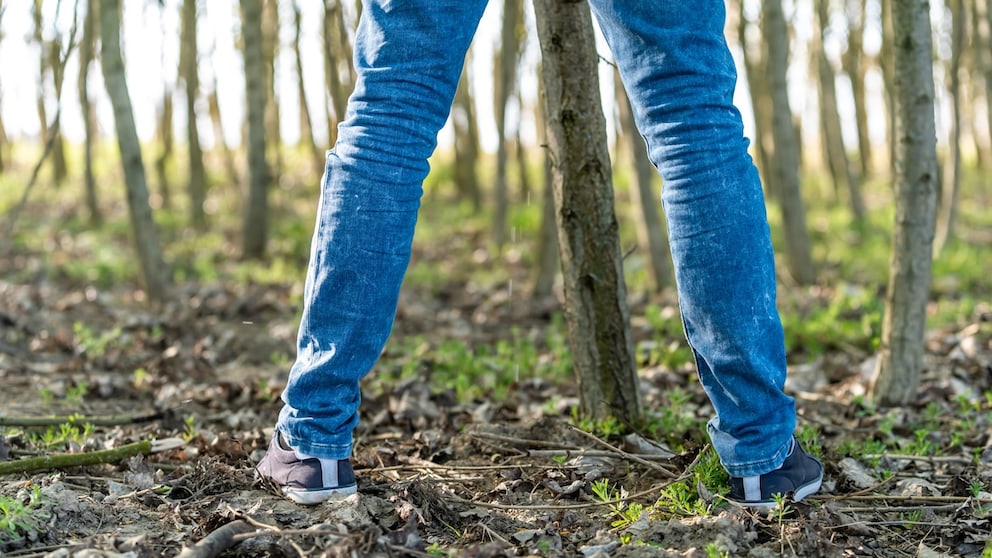
When nature calls in the great outdoors–is it permissible to find a quiet spot among tall bushes and urinate there as discreetly as possible? TRAVELBOOK has investigated.
A long walk in the woods presents a small challenge for those with a weak bladder. Deep in nature, one thing is notably absent: public restrooms. However, few see this as a “problem,” since theoretically, one could take care of business between trees and bushes and remain unnoticed. But beware if not!
Overview
Urinating in the woods can be costly
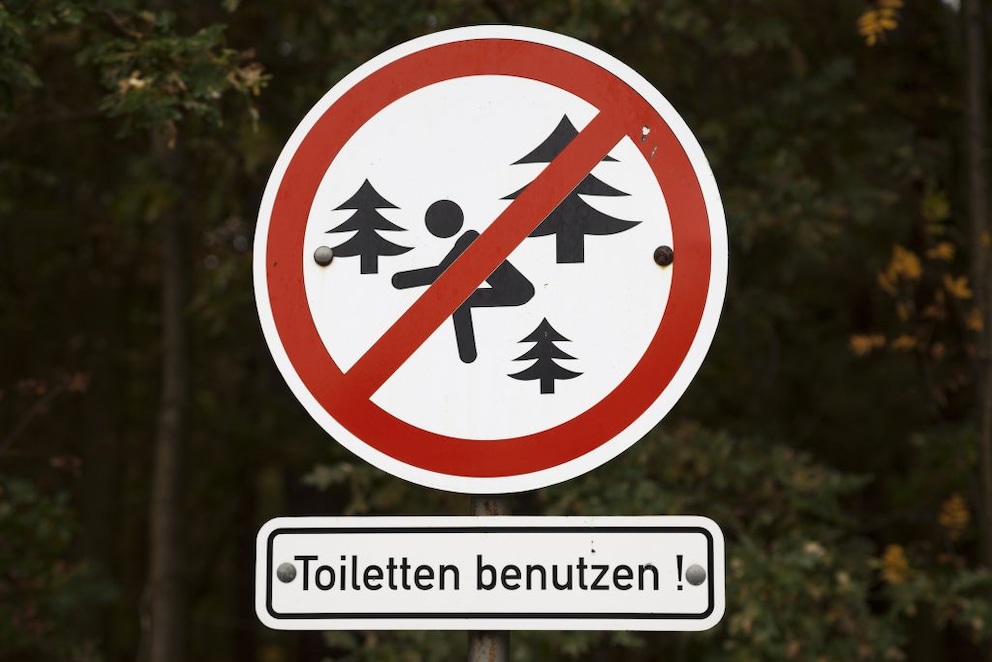
TRAVELBOOK checked the German fine catalog. According to it, so-called “wild urination” is an administrative offense, whether it occurs in the woods or “by the roadside,” and can result in a fine ranging from 35 to 5,000 euros. The actual amount is determined by individual regions, with Erfurt, Hanover, and Stuttgart being particularly strict against offenders.
Also interesting: Why it’s okay to urinate in the sea
Understanding and discretion can reduce fines
If the “offenders” can convince authorities they were in an emergency, officers usually issue only a warning or a small fine, according to the report. They are apparently less strict if the urination occurred discreetly, such as behind a large tree. In other words, circumstances matter. Depending on the case, it could even be considered a criminal offense.
Jail time for public urination
If public urination constitutes a public nuisance, it can be punished with a hefty fine or even up to a year in jail. This would be the case if others were negligently or intentionally exposed to the sight, which could be broadly interpreted as a sexual act.
Also interesting: Never urinate in a pool!

Dos and Don’ts in Singapore – 13 Official Bans and Unspoken Rules

Why dying during a flight is often not technically possible
What about people who can’t hold it?
This article is not about deliberately provoking onlookers. After all, some people, due to health issues (such as chronic bladder weakness), cannot hold it or find it very difficult to do so.
Such a case drew attention in Austria in 2018. A man had to park his car at a rest area and urinate in a nearby bush because it was so urgent he couldn’t make it to the public restroom a few meters away. The “Kurier” reported on this. His justification of severe bladder weakness did not hold up in the regional administrative court–the man had to pay a fine. The reasoning: He had the opportunity to relieve himself four kilometers earlier and thus acted “at least negligently.” Whether he was possibly stuck in traffic was not mentioned in the report.
A medical certificate can prevent charges
TRAVELBOOK inquired with the Berlin police. According to an officer, the case might have turned out differently in Germany. Here, health issues are grounds for justification and exclusion from punishment. His assumption: “An administrative offense report would likely be filed, but it would probably be dismissed upon presentation of a medical certificate.”
Also interesting: Is it allowed to “do a big business” in the woods?
The forestry office sometimes looks the other way
The Tegel forestry office shows similar understanding. As TRAVELBOOK learned upon inquiry, the authority does not prioritize pursuing potential offenders. If someone discreetly relieves themselves because they simply can’t help it, they might look the other way. “The condition is, of course, that no one feels disturbed,” the forester emphasizes.
There are environmental reasons for banning urination in the woods
Besides people who “go” in the woods in extreme situations, there are, of course, many dogs. It’s nearly impossible to train them not to urinate publicly. However, animal (and human) waste contains nitrogen, sulfur, and potassium, which disrupts the nutrient supply of plants when repeatedly exposed. Urea is toxic, and combined with the chloride it contains, it can effectively “cook” trees over time.
In summary: As long as possible, please hold your urine!