

March 5, 2026, 4:45 pm | Read time: 15 minutes
The demand for hotels, vacation homes, and apartments in Germany is high–and in the most popular holiday regions, many are booked early. However, there are many places and regions between the Baltic Sea and the Alps that are still true hidden gems. Our editorial team has compiled them–and shares some very personal tips. Get inspired!
The TRAVELBOOK editorial team has put together a list of places and regions that aren’t necessarily the most well-known in Germany but are still beautiful and worth a visit–whether now in early spring or later in the year. Each state has one or even several hidden gems–so there’s no chance of boredom on a vacation in Germany. Let our hidden gems for a vacation in Germany inspire you!
Overview
- The Hidden Gems for a Vacation in Germany
- Baden-Württemberg: Kinzigtal
- Baden-Württemberg: Upper Danube
- Bavaria: Glass Paradise
- Brandenburg: Uckerseen
- Brandenburg: Oderbruch
- Berlin: Buddhist House
- Bremen: Stellar Moments
- Hamburg: Ottensen
- Hesse: Warzenbeißer Art Trail
- Mecklenburg-Vorpommern: Schweriner See
- Mecklenburg-Vorpommern: Feldberger Seenlandschaft
- Lower Saxony: Wendland
- North Rhine-Westphalia: Münsterland
- North Rhine-Westphalia: Schloss Türnich
- Rhineland-Palatinate: Mosel Region
- Rhineland-Palatinate: Schloss Stolzenfels
- Saarland: Saarpolygon
- Saxony: Zittauer Mountains
- Saxony-Anhalt: Tangermünde
- Schleswig-Holstein: Mölln
- Schleswig-Holstein: Eider-Treene-Sorge
- Thuringia: Eichsfeld
The Hidden Gems for a Vacation in Germany
Baden-Württemberg: Kinzigtal
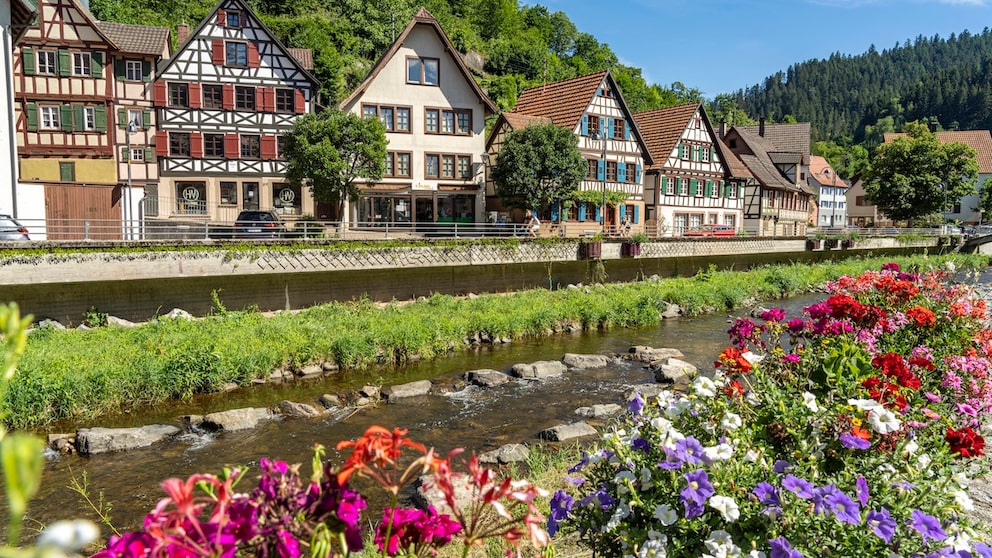
The Black Forest is one of the most popular holiday regions in southern Germany. While there are still offers everywhere, those who want to be sure should look for vacation accommodations in the beautiful Kinzigtal, as it is far less crowded than more famous Black Forest spots like Titisee, Schluchsee, or Freudenstadt–a true hidden gem for a vacation in Germany. The nature is beautiful, and there are great half-timbered houses to admire.

Also interesting: The perfect road trip through Germany
Baden-Württemberg: Upper Danube
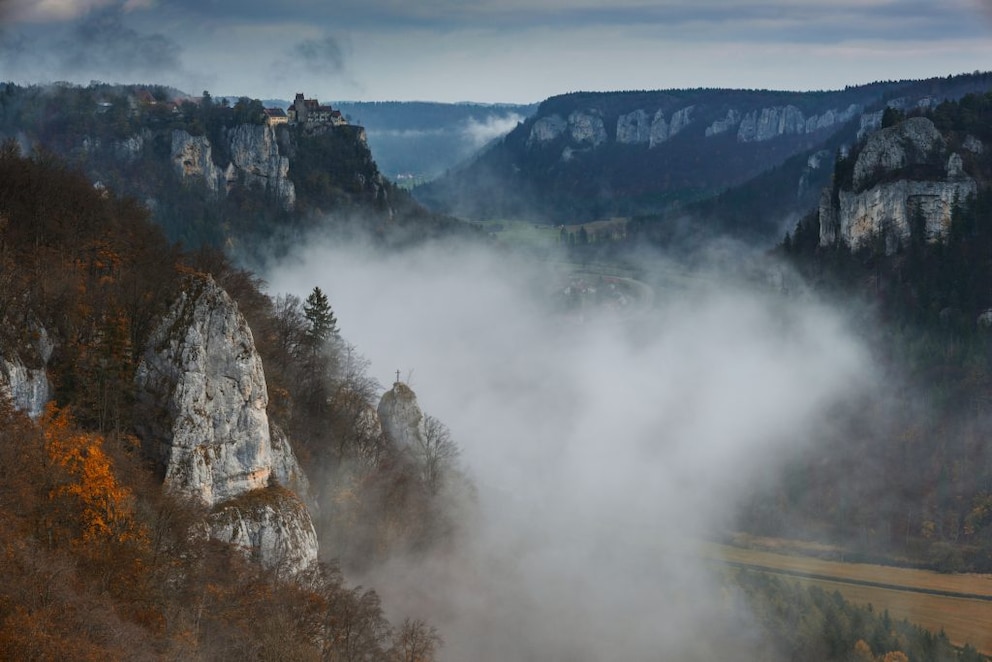
The Danube, as the second-longest river in Europe, is of course no longer a hidden gem for a vacation in Germany. But probably few know the wild side of the river in Baden-Württemberg. From its source region in the Black Forest, the young river makes its way along the southern edge of the Swabian Alb, where the Danube Valley with towering limestone cliffs and a narrow riverbed was formed. Exciting for vacationers can also be the search for the beginnings of the river. “Brigach and Breg bring the Danube on its way,” says the saying. But the Breg source near Furtwangen and the source of the Danube stream in Donaueschingen are also discussed as the river’s beginnings. An interesting natural phenomenon a few kilometers further is the Danube Sinkhole near Tuttlingen. On about 150 days a year, the Danube completely disappears into the riverbed here and reaches the so-called Aachtopf through an underground karst water system.
Bavaria: Glass Paradise
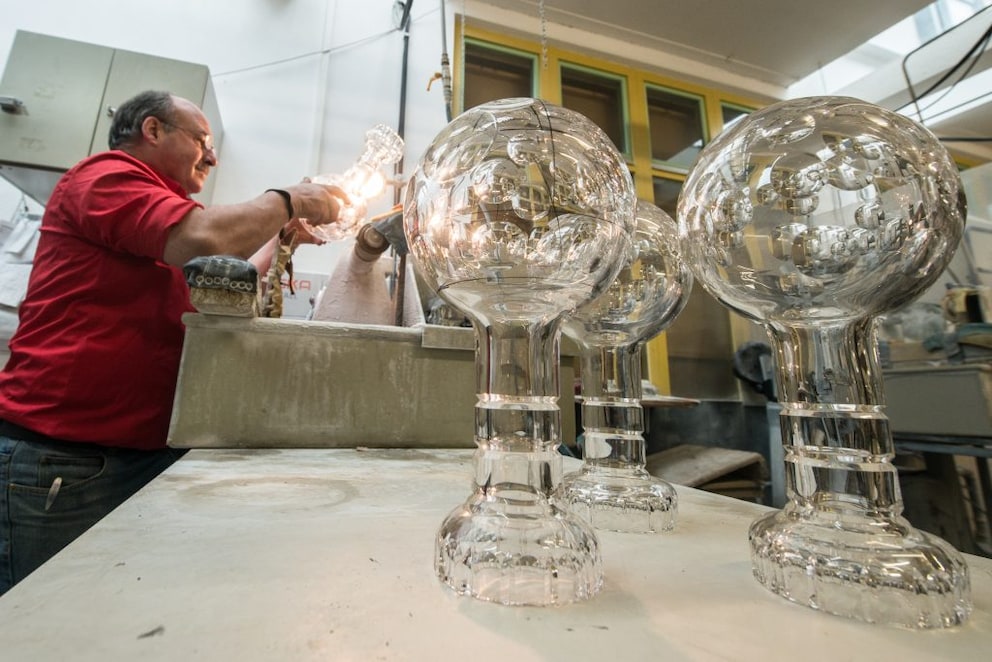
If you’re interested in the art of glassblowing, you can go to Venice–or to the Bavarian spa town of Bodenmais. There you’ll find Joska Glass Paradise, where you can watch glass artists at work or try your hand at glassblowing yourself on 70,000 square meters. The estate also features a variety of glass art to admire in a paradisiacal garden landscape, including some world records, such as the world’s largest wheat beer glass. A trip to Bodenmais is also worthwhile because of the stunning surroundings, as the spa town is located in the heart of the Bavarian Forest with its unparalleled nature.
Brandenburg: Uckerseen
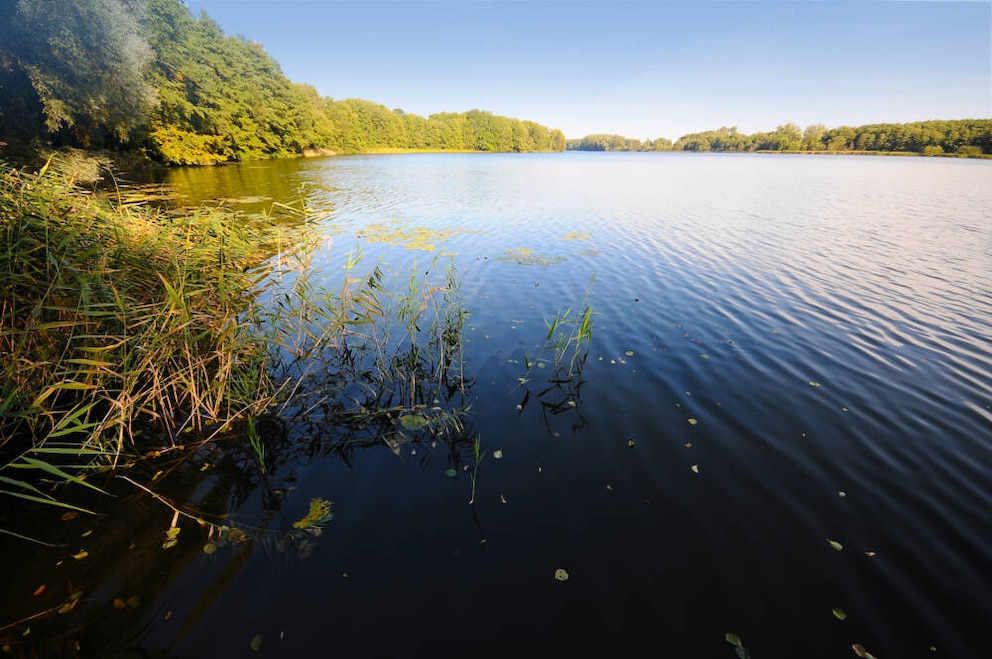
There are more than 3,000 lakes in Brandenburg. The Unteruckersee near Prenzlau is one of the largest, at seven kilometers long. Together with the Oberuckersee and the Potzlower See, it forms a kind of lake trio. The Unteruckersee and Oberuckersee are connected by the Ucker Canal. By boat, you can traverse one of the largest contiguous reed areas in Germany. The lakes are best explored by canoe or in a combination of a bike tour and the passenger ship “Onkel Albert,” which departs from Warnitz.
Brandenburg: Oderbruch
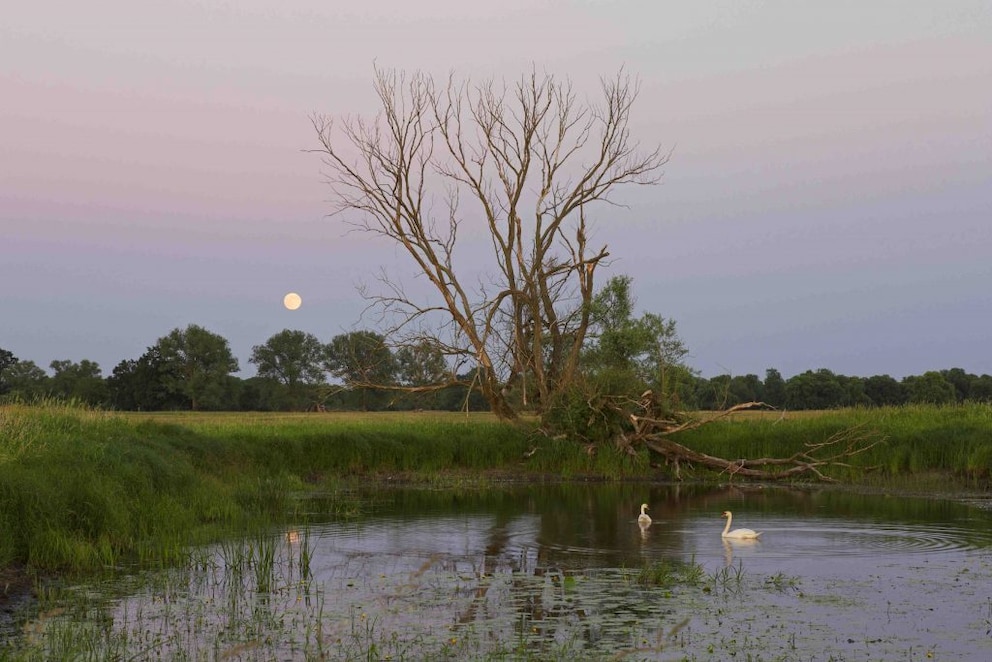
Seemingly endless green meadows, fields, and river courses characterize the landscape of the Oderbruch, making it another of our hidden gems for a vacation in Germany. The inland delta of the Oder, located between Brandenburg and Poland, is perfect for long hikes, bike tours, and canoeing. Here, you are often alone with nature, hearing nothing but birdsong and the croaking of frogs.
BILD Reisen: Discover the best hotels in Brandenburg now!
Highlights in the Oderbruch include the 142-kilometer-long Oderbruchbahn bike path, which partly runs over disused railway tracks, a canoe trip on the Old Oder, a walk through the Oderberge to see the Adonisröschen bloom (March/April), or a ride on the paddlewheel ferry from Güstebieser Loose (Märkisch-Oderland district) to Gozdowice (Poland) on the opposite bank of the Oder. Those interested in art and history should visit the late Gothic St. Mary’s Church and the market fountain in the town of Wriezen and the monument to Old Fritz in Letschin.
Berlin: Buddhist House
In Frohnau, in the north of the city, lies what Visit Berlin calls the oldest Buddhist temple in Europe. The doctor and writer Paul Dahlke built it from 1922 to 1924 for the Buddhist community he founded. Visitors enter the grounds through the Elephant Gate. Seventy-three steps over eight landings must be climbed, symbolizing the eightfold path of Buddha to salvation. The temple, the adjoining library, and the garden can be visited from Tuesday to Sunday from 9 a.m. to 6 p.m. Meditation courses, guided tours, and lectures are also offered.
Also interesting: 18 places in Berlin that not everyone knows
Bremen: Stellar Moments
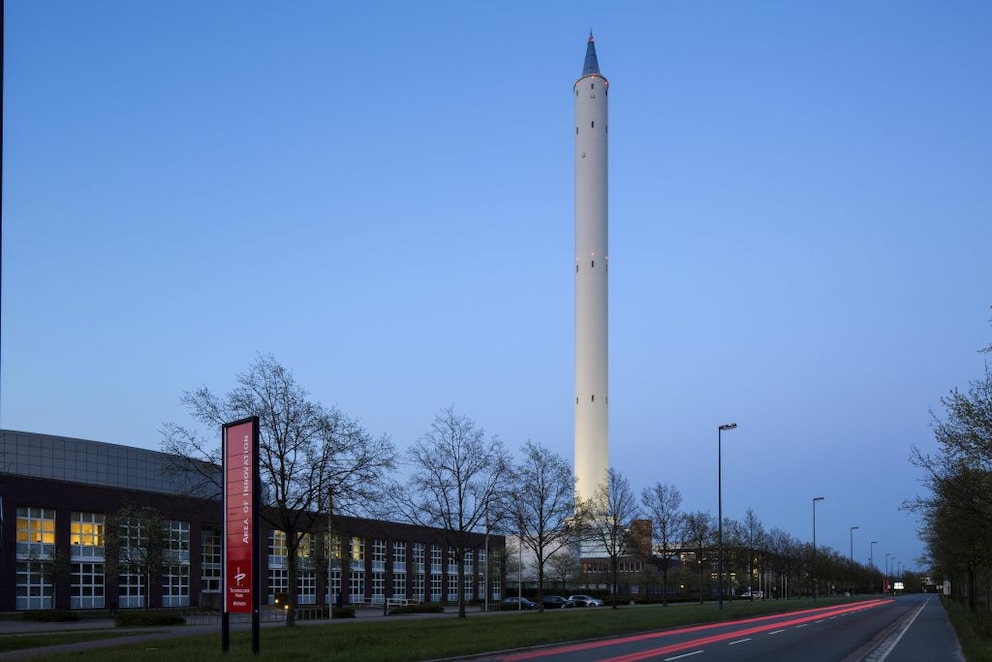
Measured by population, Bremen has the highest employment density in the aerospace industry in Germany. According to the Bremen Tourism Center, about 12,000 people work in more than 140 companies and around 20 research institutions. Among other things, there are tours at Airbus, where the Columbus module of the ISS was created. In a replica, visitors learn interesting facts about life in space. Also open to visitors are the drop tower at the Center for Applied Space Technology and Microgravity, where experiments with weightlessness are conducted, and the German Aerospace Center.
Hamburg: Ottensen
Many Hamburg residents still call the Altona district of Ottensen a “village.” Its origins indeed trace back to a Holstein village, then named Ottenhusen. Today, Ottensen is one of Hamburg’s liveliest neighborhoods, boasting a vibrant pub and restaurant scene. The cultural highlight of the year is the Altonale cultural and street festival. “Die Fabrik” has served as a cultural center since 1971 and became known through artists like Otto Waalkes, Inga Rumpf, and Udo Lindenberg. The district has five theaters and one of the most beautiful cinemas, the “Zeise.”

Hesse: Warzenbeißer Art Trail
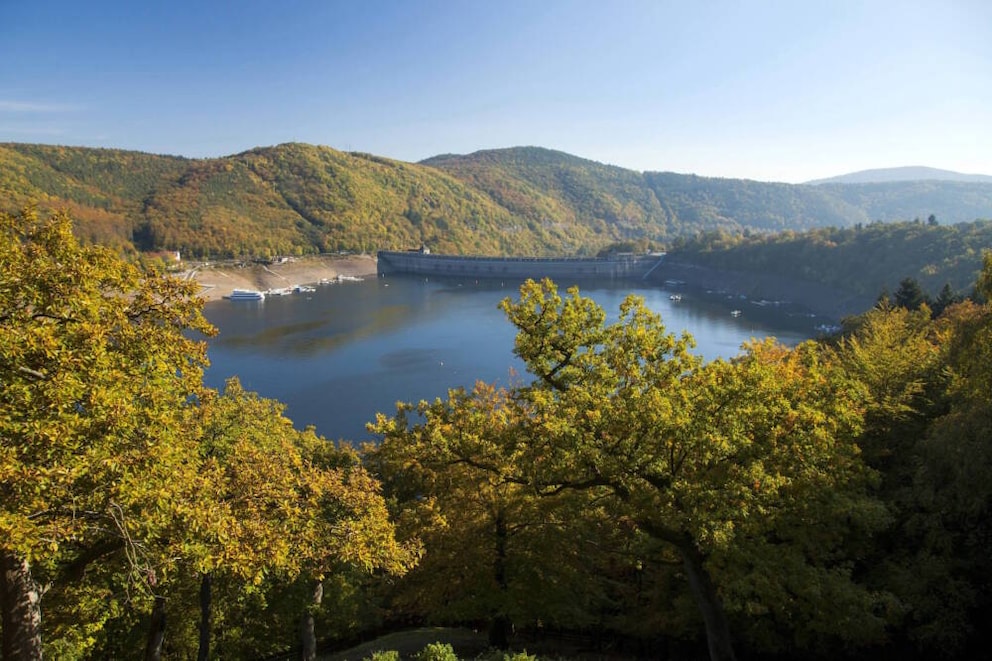
This hidden gem for a vacation in Germany puts nature first: the Kellerwald-Edersee National Park. But art is not neglected either. Ten so-called land art objects form the Warzenbeißer Art Trail. They are integrated into the natural surroundings along the Bloßenberg Route. Some objects are permanent, while others are meant to slowly dissolve over time. The Warzenbeißer is a species of grasshopper that has already become extinct in many parts of Germany but finds a habitat in the national park.
Mecklenburg-Vorpommern: Schweriner See
What is the second-largest lake in northern Germany? Not many people would guess the Schweriner See–if they even know it. It measures 61.54 square kilometers and has been a European bird sanctuary since 2000. It can be explored by boats of all kinds, and there are also cycling, riding, and hiking trails. A special excursion destination, besides the famous Schwerin Castle, is Schloss Wiligrad. Built at the end of the 19th century on a steep bank, it is set in an extraordinary garden landscape. In the GDR, the castle served as a party school and later as a police training center. Shooting ranges and bunker mounds were built in the park. Today, art events are held at the castle.
Also interesting: The 9 most beautiful places on Mecklenburg-Vorpommern’s coast
Mecklenburg-Vorpommern: Feldberger Seenlandschaft
The Feldberger Seenlandschaft in Mecklenburg-Vorpommern is a paradise for all nature lovers–and not far from Berlin or Hamburg, and much less crowded than the Baltic Sea and Müritz. Here you will find ancient beech forests, crystal blue lakes, romantic villages, and friendly locals with a charming dialect. And with a bit of luck, you can spot the king of the skies, the sea eagle.
Lower Saxony: Wendland
Most people in Germany probably know the Wendland mainly because of Gorleben and the protests against the nuclear waste repository. But the region also has other attractions for vacationers. Chief among them are the Rundling villages. Of the thousands that once existed in northern Germany, 95 remain–all located in the Wendland. The region thus fits into the list of hidden gems for a vacation in Germany. In addition, the region is known for art and culture, such as the cultural country outing, which includes 1,000 events at around 100 locations each year. Those seeking nature and tranquility will find it in the Elbhöhen-Wendland Nature Park, the Lower Saxony Elbe Valley Biosphere Reserve, or the Nemitzer Heath.
North Rhine-Westphalia: Münsterland
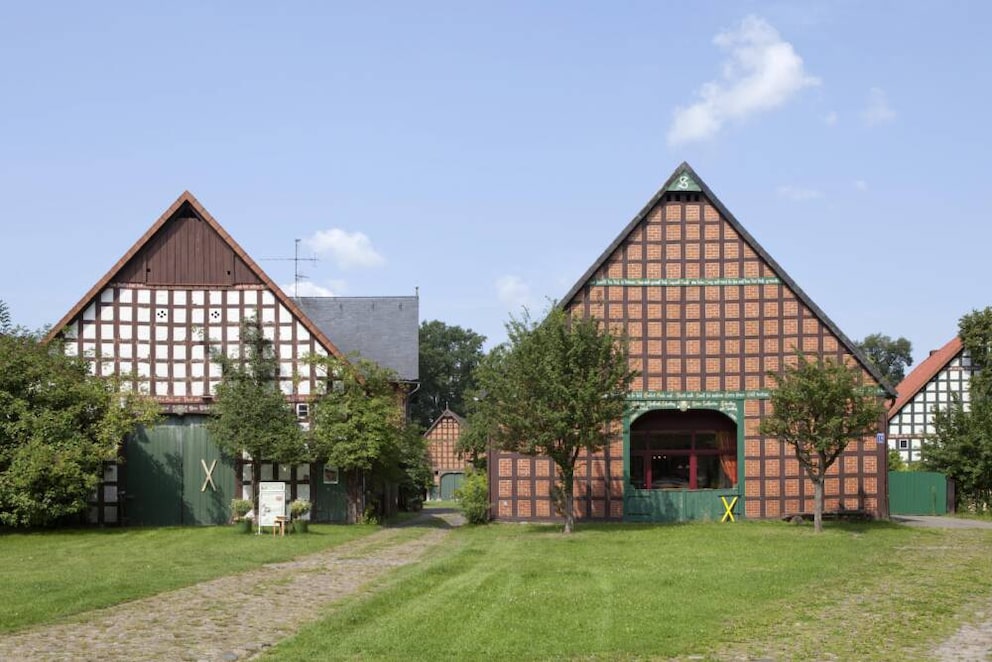
Surrounded by the historically significant Teutoburg Forest in the northeast, the picturesque Lippe River in the south, and the border with Holland in the west lies a scenic area called Münsterland. The capital of the North Rhine-Westphalian region: the city of Münster. It is a bicycle and student city and also the filming location of the popular Münster “Tatort.” For many Münster residents, the city is not only a place to live but also fulfills all their housing desires: city life, culture, and nature can be found here in and around beautiful historic buildings such as the medieval cathedral and the cobblestone Prinzipalmarkt with its gabled houses and the Gothic Lambertikirche.
The green promenade, the city Aasee with its prominent spherical sculptures, and the charming city palace are always worth a visit. And if you get hungry or thirsty after all that cycling, you can stop by long-established and typically Westphalian restaurants and pubs like the Kiepenkerl or the Destille. The Münsterland is, of course, not just Münster, and visitors should definitely take a trip (naturally by bike) to the surrounding area.
There you will find dream castles and palaces like the baroque Schloss Nordkirchen or the moated castle Anholt, as well as typical Westphalian towns with half-timbered houses and historic old towns like the small town of Telgte. Nature in the form of small rivers and streams, tree-lined avenues, and fields can be found everywhere, and if you want to see more exciting nature and mountains, head to the Münsterland border and hike through the Teutoburg Forest with its impressive rock formations.

North Rhine-Westphalia: Schloss Türnich
Kerpen is probably best known to most Germans because of Michael Schumacher, who hails from there. But the town near Cologne has another attraction with Schloss Türnich. The 18th-century complex with a manor house, castle chapel, park, and baroque garden is currently being renovated by the owner, Count Severin von Hoensbroch. Despite the work, the café in one of the historic buildings is open, and there are guided tours with the count himself.
Rhineland-Palatinate: Mosel Region
Beautiful villages and half-timbered towns between gentle wine hills, imposing castles, bizarre sandstone and limestone cliffs, and Celtic-Roman traces: The Mosel region is suitable for a weekend trip as well as for a longer vacation. It’s best to find a vacation apartment or hotel in one of the towns directly on the river, such as in Traben-Trarbach or Bernkastel-Cues. From here, you can wonderfully explore the region by bike, on various hiking tours, or on a boat tour on the Mosel.
The cities of Koblenz and Trier are also worth a visit, as is Burg Eltz, one of the most beautiful castle complexes in Germany. And if you like wine, you can taste fine wines all over the area.

Rhineland-Palatinate: Schloss Stolzenfels
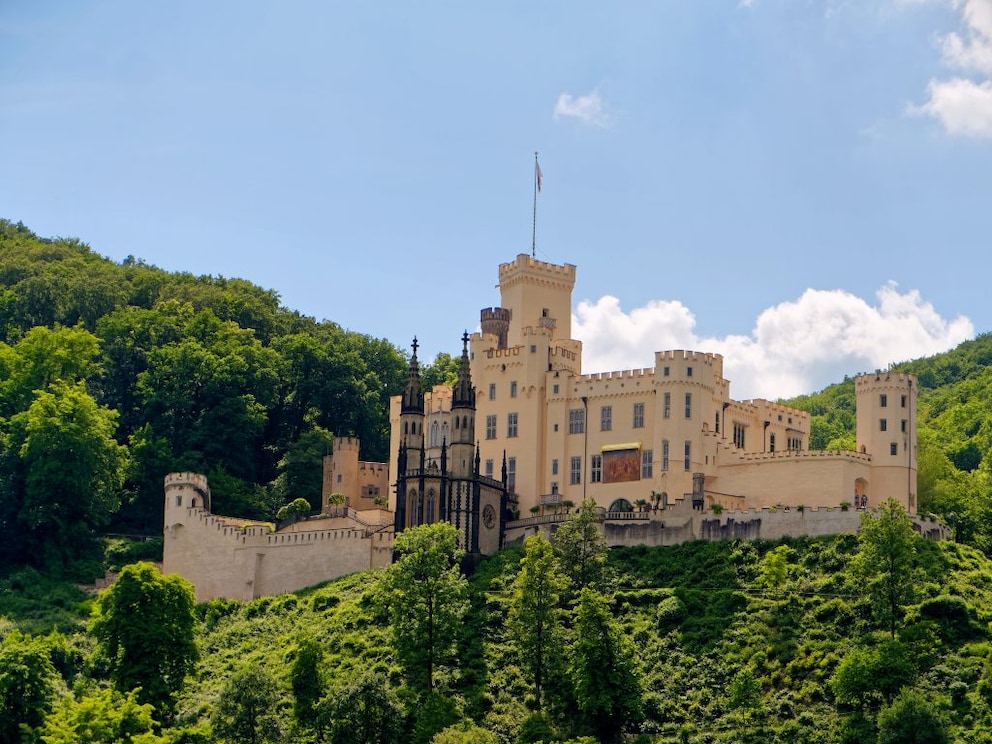
Like a fairytale castle, Schloss Stolzenfels rises above the district of the same name in Koblenz. It is considered the most outstanding work of the so-called Rhine Romanticism and has been part of the UNESCO World Heritage Upper Middle Rhine Valley since 2002. Once a castle stood here, which was rebuilt as a palace 150 years after its destruction. The magnificent buildings are surrounded by a 9-hectare landscape park, and the view over the Rhine is breathtakingly beautiful.
Saarland: Saarpolygon
On the 150-meter-high plateau of the Ensdorf slag heap near Saarlouis stands the Saarpolygon–a walkable large steel sculpture since 2016. Depending on the location, the appearance of the 35-meter-high landmark changes. It commemorates the 250-year history of coal mining in Saarland, which ended in 2012.
Saxony: Zittauer Mountains
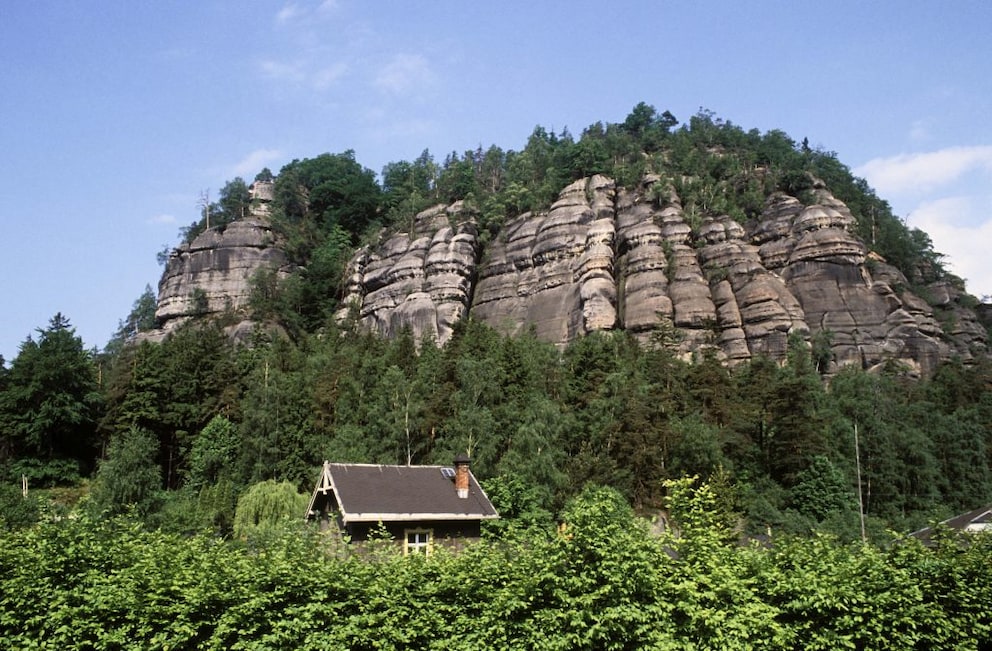
Often described as Germany’s smallest mountain range, the Zittauer Mountains still count as a true hidden gem for a vacation in Germany. One way to explore the region is by the Zittauer narrow-gauge railway. It has been in operation since 1890. The starting point is the Zittau train station, and after a loop around the city, the route leads past the Olbersdorfer See and on to the spa town of Oybin with its impressive castle and monastery complex. The mountains can also be explored on foot, for example, with a walk over the Butterberg or a hike from Waltersdorf, where the nature park house of the mountains is located, to Oybin. Particularly noteworthy in the Zittauer Mountains are the natural sandstone formations that resemble various animals and mythical creatures.
Saxony-Anhalt: Tangermünde
The residents of the small town of Tangermünde were surprised when it was once voted the most beautiful small town in Germany by TRAVELBOOK readers. We think: rightly so! Not only is Tangermünde located directly on the Elbe and has a charming old town–but the residents themselves are also extremely hospitable and open. Find out what there is to see here:
Schleswig-Holstein: Mölln
Are you in the mood for the sea, city, and lakes? Then this small town in Schleswig-Holstein might be just right for you. Mölln fits perfectly into the hidden gems for a vacation in Germany. The small town is located in the Herzogtum Lauenburg holiday region and is also called Eulenspiegelstadt because the namesake Till Eulenspiegel spent his last years here. The small town with just under 20,000 inhabitants is not only a health resort but has also been a recognized spa town since 1970. Around the town lies idyllic nature, and in Mölln itself, you can explore the historic old town with numerous traditional brick buildings, such as the Mölln Town Hall or the Stadthauptmannshof.
If you want to cool off, you can do so in one of the town’s seven lakes, all part of the Mölln Lake District–or drive directly to the Baltic Sea, which is only about 45 minutes away by car. In about the same time, you can also drive to Hamburg, the city of Lübeck is a bit closer, and you can reach the small town of Ratzeburg even faster. There is no shortage of excursion destinations here!

Schleswig-Holstein: Eider-Treene-Sorge
Away from the major tourist streams lies the region of Eider-Treene-Sorge in the inland of Schleswig-Holstein. Three rivers give it its name and form the largest contiguous river and lowland area in the northernmost state. The region can be explored by bike, on horseback, or by canoe. The paths lead through moors, forests, past thatched houses, old churches, and numerous museums.
Thuringia: Eichsfeld
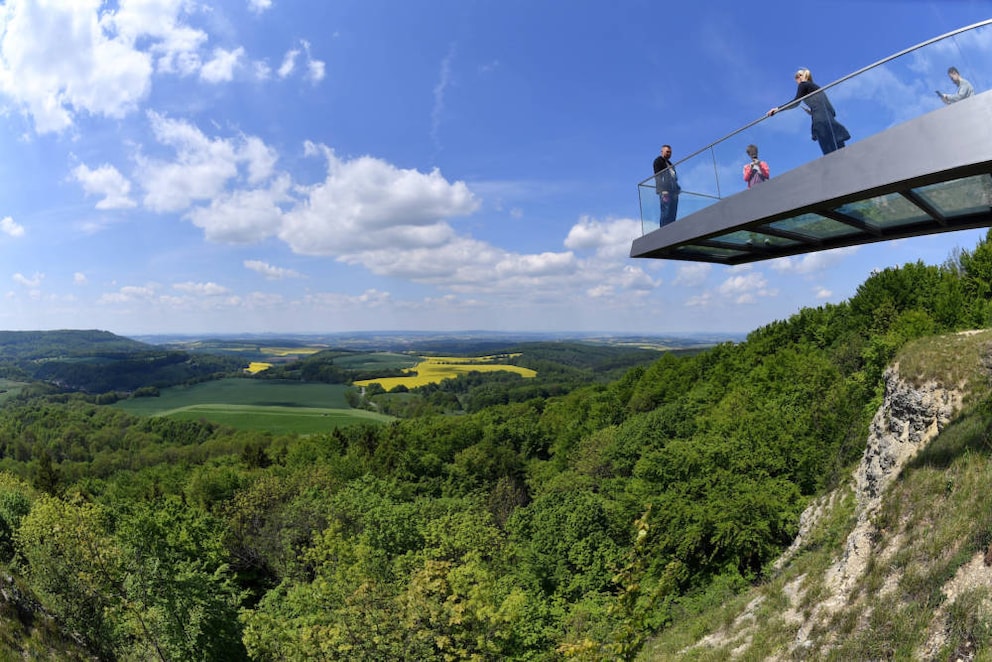
Instead of bratwurst, there is Eichsfeld Fieldgieker and Stracke here. In addition, there are hiking trails, villages, and baroque chapels. The Eichsfeld is Thuringia, but somewhat different. The residents of the region in the northwest of the state primarily see themselves as Eichsfelders and less as Thuringians. Most people here are Catholic–and were even during the GDR era. Crucifixes along paths and on mountain peaks bear witness to this. The region is known for large church processions, such as on Palm Sunday in Heilbad Heiligenstadt. The Eichsfeld-Hainich-Werratal Nature Park is located on the former inner-German border. Along the so-called Green Belt, hikers can discover a special flora and fauna.