

December 19, 2025, 11:53 am | Read time: 7 minutes
Paris—a symbol of urban elegance and, for many, the most beautiful city in the world. From bustling boulevards like the Avenue des Champs-Élysées with numerous boutiques, cafes, and restaurants to winding alleys with pedestrian zones, one can only fall in love with Haussmann architecture. Always in view: the iconic landmarks, including the Eiffel Tower, Arc de Triomphe, and Sacré-Cœur. Planning a trip to the fashion capital? Here are the most important things to avoid when visiting Paris. Bon voyage!
Experiencing “La vie en rose” live—a dream for many. France’s capital stretches along the Seine with its 16 arrondissements, exuding a unique charm. Paris is often associated with two names: the “City of Light” due to its role during the Enlightenment and early street lighting, and also the “City of Love” because of its romantic atmosphere. However, if you’re planning a city trip to this style-conscious metropolis, there are a few things to keep in mind for a smooth stay. Our author Delia lived in Paris herself and knows what it takes for the perfect time. Here are eight things to avoid in Paris.
Overview
1. Taking the Métro for Every Trip
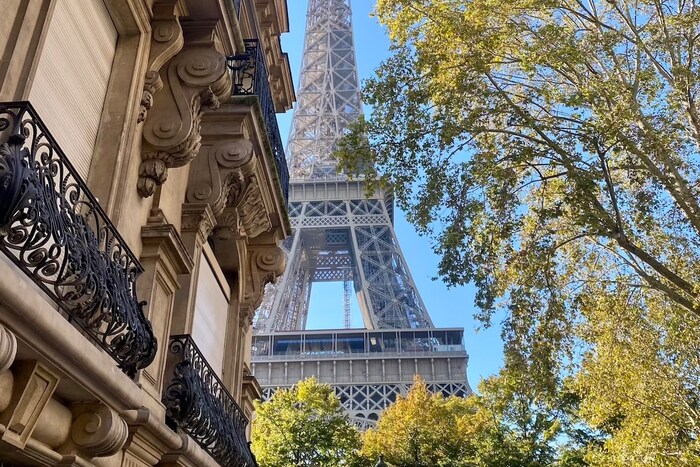
Those who only take the Métro in Paris miss the best part: The breathtaking beauty of the city is best experienced on foot. There’s something to discover around every corner, and one sight follows another. Most famous landmarks are easily accessible by walking, and you also avoid the stress of the Métro. For example, the walk from the Arc de Triomphe to the Eiffel Tower takes just 30 minutes and leads along the picturesque Seine. Detours to the “Palais de Tokyo,” “Musée Yves Saint Laurent,” or “Hôtel des Invalides” are also possible along the way.
Paris is surprisingly smaller than many think: Compared to Paris, Berlin is about nine times larger—London even covers an area about 15 times larger! Paris is similar in size to Heidelberg—and even that is a bit larger. However, Paris itself is counted without suburbs—”Île-de-France” is the region in northern France that largely coincides with the Paris metropolitan area and covers a significantly larger area than Paris itself.
2. Paying for Water in Restaurants
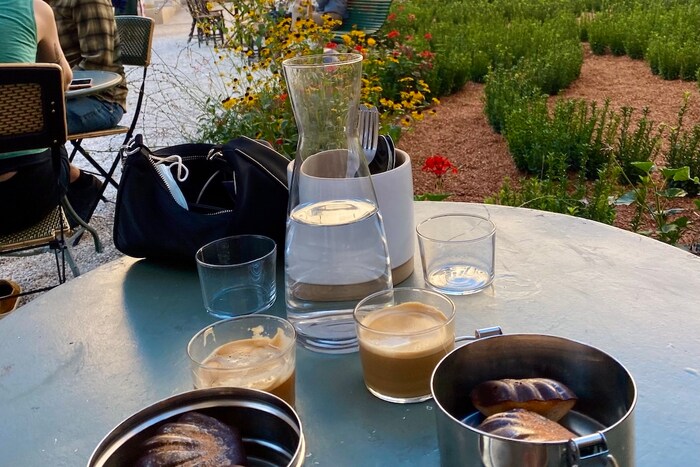
In Paris and France in general, you don’t have to pay for water in restaurants and cafes—as long as you’re satisfied with tap water. It’s available in abundance: You simply order a “carafe d’eau” and receive a water bottle that can be refilled. I find this incredibly sensible, as it saves money on expensive drinks. In Germany, you’re more likely to get strange looks if you ask for (even just a glass of) tap water. The culture in France is just a bit different.
3. Being Careless with Valuables
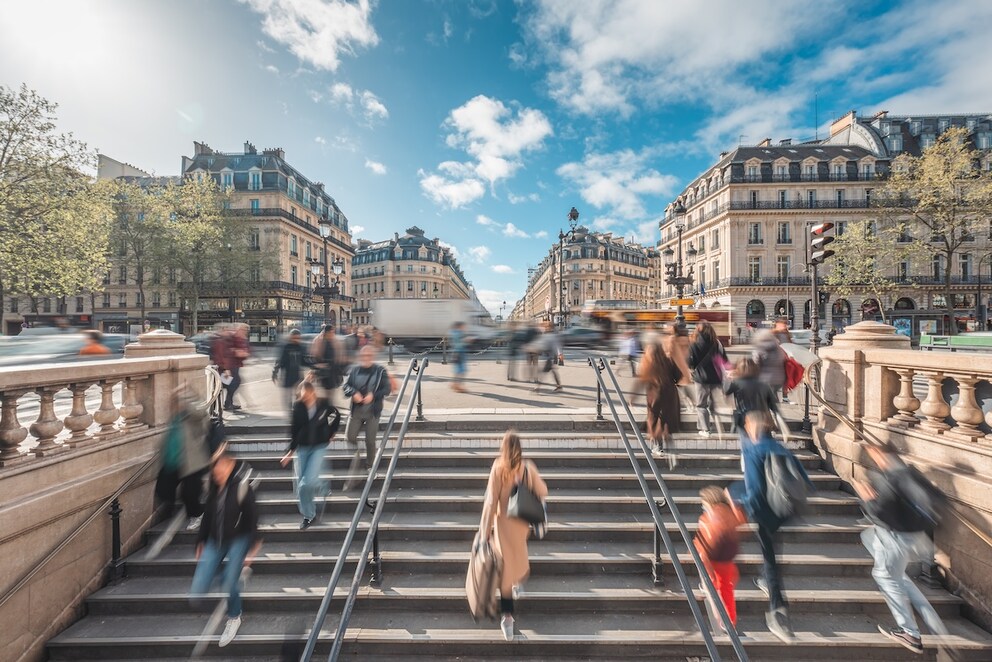
Attention: Paris is a hotspot for pickpockets. My friends who visited me and I have experienced this firsthand. It partly depends on the area of Paris you’re in, but you should always be vigilant. The northern parts of Paris—the 17th, 18th, and 19th arrondissements—are particularly dangerous, as they have densely populated neighborhoods with lower incomes, informal trade, and occasionally problematic areas.
But even in typical tourist areas in Paris, especially around the Eiffel Tower, pickpockets are lurking. Sometimes they approach you to sell something or push for signatures while an accomplice steals your phone or bag. You should be especially vigilant on public transportation—I’ve encountered pickpockets there as well. Whether on the Métro or RER, always be on guard. And importantly, in restaurants and cafes: don’t hang your bag on the back of your chair! Not being cautious with your valuables is one of the most important things to avoid in Paris.
4. Only Checking off Typical Sights
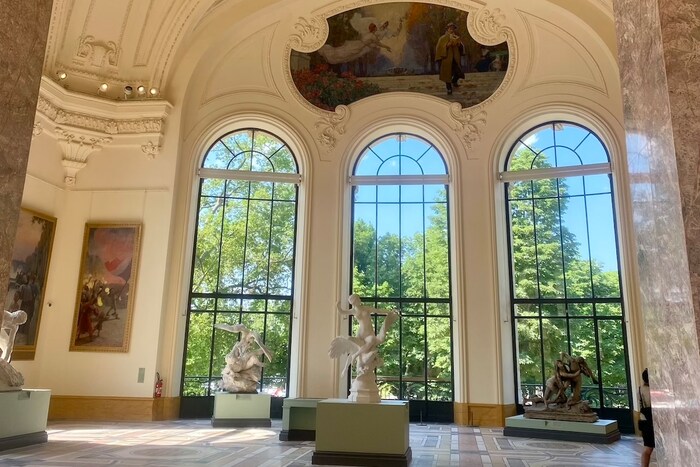
When planning a visit to Paris, don’t just focus on the city’s most famous landmarks. Hidden beauties and regular “wow” moments are everywhere. By including less well-known attractions alongside the Eiffel Tower and the Louvre, you can also avoid large crowds and long lines. Museums and exhibitions in Paris often offer free admission for those under 26. Here are some insider tips for Parisian places and attractions for your next city trip:
- Petit Palais
- Jardin des Tuileries
- Musée des Arts Décoratifs
- Parc des Buttes-Chaumont
- Musée Rodin
5. Not Speaking a Word of French
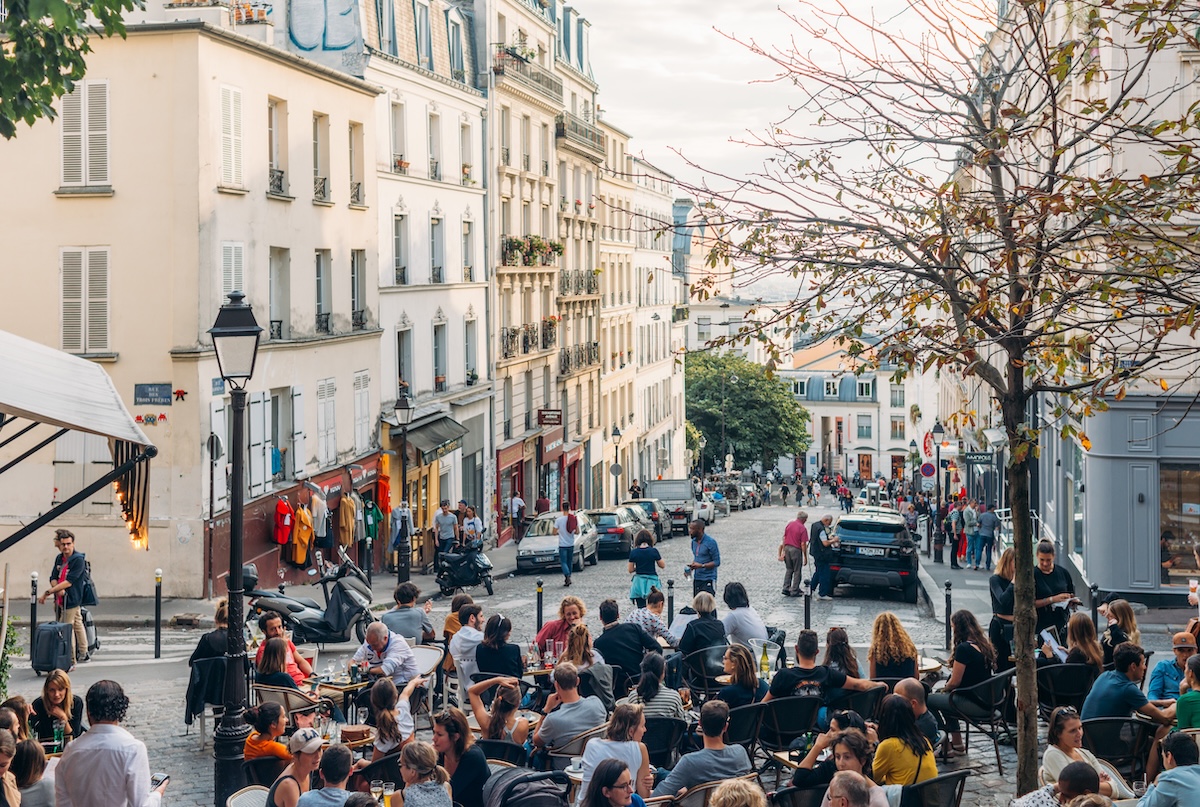
Oui, oui: It’s not just a cliché, but it holds true especially in France’s capital. Avoid assuming that you’ll be met with perfect English in Paris, as you might be in some other European countries. The French don’t particularly like or speak English well—and often expect tourists to at least attempt to use some French. Unfortunately, that’s often not enough—as they are very particular about pronunciation and often don’t understand even simple phrases like “Bonjour” or “Un croissant, s’il vous plaît” if spoken with a foreign accent. Still, it’s better to try—or politely ask: “Parlez-vous anglais?” (“Do you speak English?”).
6. Spending a Lot on City Views
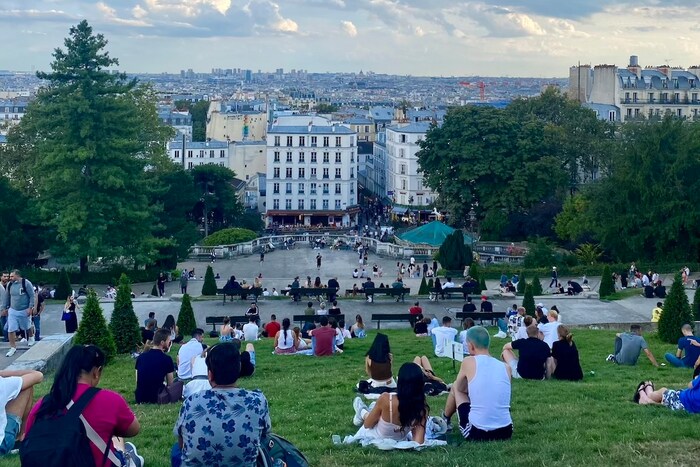
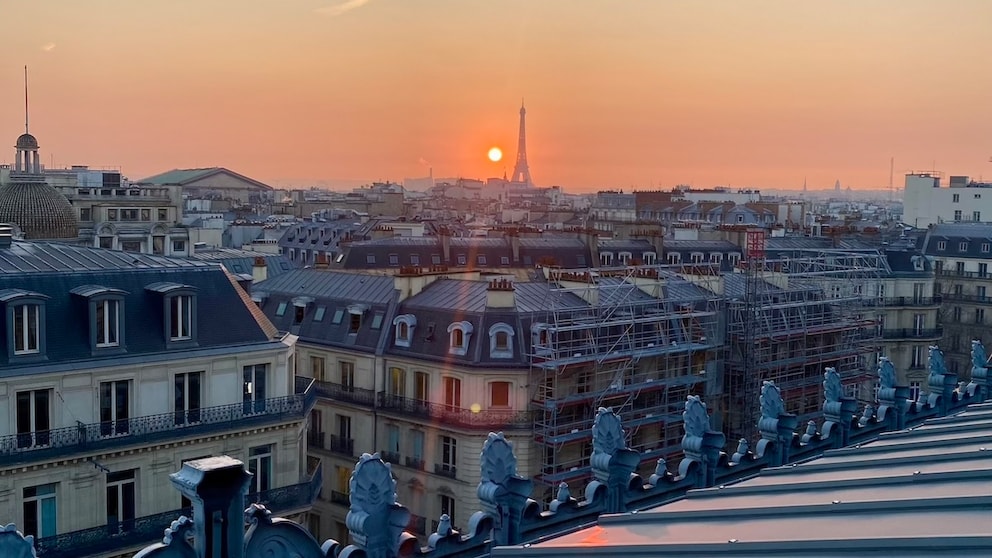
For the perfect view over the “City of Light” of the Eiffel Tower or the Arc de Triomphe with expensive tickets? No thanks—especially since you logically can’t see the landmark itself then. A free alternative, which is no longer a secret tip, is the terrace of the “Galeries Lafayette Haussmann” shopping center. You simply take the escalators up and have a spectacular view over the distinctive Parisian Haussmann architecture with Opéra Garnier, the Eiffel Tower, and even Sacré-Cœur in the distance. The nearby “Printemps Haussmann” also has a rooftop with a view and a bar. Sacré-Cœur in Montmartre also offers a remarkable view over the Parisian rooftops with the “Tour Montparnasse,” the dome of “Les Invalides,” and the “Centre Pompidou.” You can relax on the steps and enjoy the sunset after climbing up.

This is how you can discover Paris in only 2 days

Belleville — the trendy district of Paris
7. Driving a Car
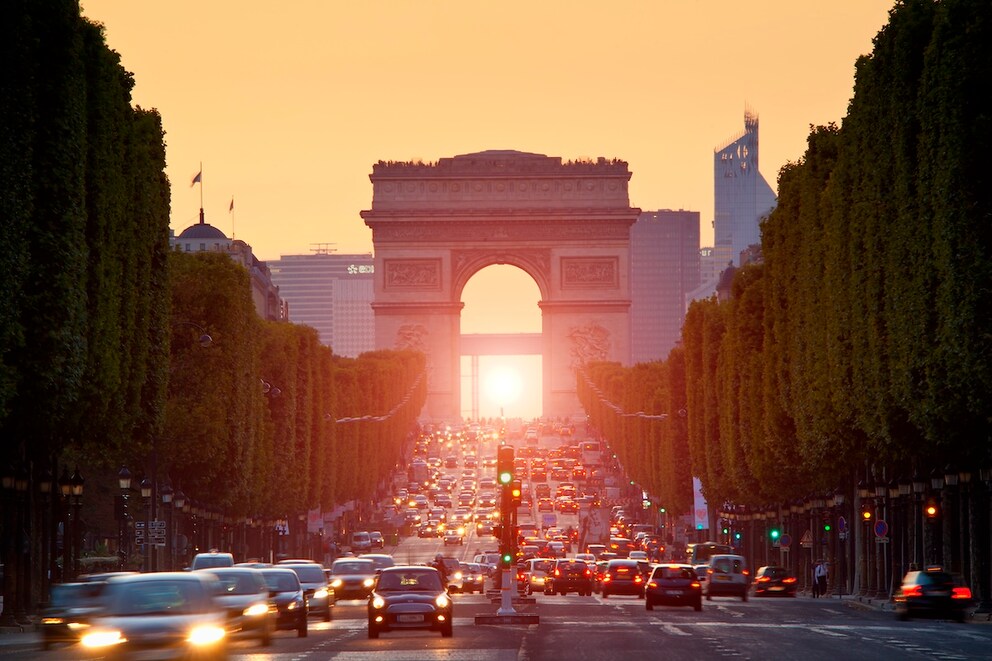
Paris isn’t really designed for heavy car traffic—the narrow streets, bustling crowds, and limited parking make driving here almost unbearable. Traffic can become quite chaotic—if you know the famous roundabout around the Arc de Triomphe, you know what I mean. Drivers make their own rules here. Even short distances can take significantly longer by car. Especially around the Seine or near major attractions, traffic regularly comes to a standstill. Within the city center, you’re much faster with the Métro or on foot. Additionally, Paris has strict environmental zones that exclude vehicles without a valid “Crit’Air” sticker from many areas. If you don’t know the rules, you risk fines—another reason to avoid using a car.
8. Eating While Walking
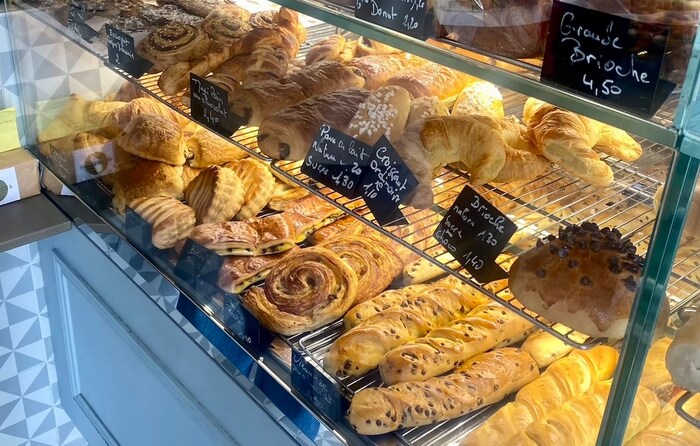
It may sound strange at first, but there’s some truth to it. As mentioned, Paris is all about style and elegance, so it’s best to stroll in cafes and restaurants or at home. During my time in Paris, I consistently ignored this—and almost daily strolled through the streets with a croissant or baguette. Until someone told me that hardly anyone else in Paris does this (except maybe tourists). And then it suddenly struck me: I really didn’t see anyone else eating while walking.
Since Parisians are very conscious of their figures, they consider quick eating on the go inappropriate. It might also have to do with the city’s hustle and bustle—everyone is often rushing from one appointment to the next. Perhaps for your next city trip to Paris, you’ll avoid it too and prefer to sit down and relax—though the fresh croissant from the bakery might be too tempting to wait.