


March 25, 2026, 9:40 am | Read time: 3 minutes
Just in time for the start of the Easter holidays, thousands of vacationers are heading to the Baltic Sea again—but new, significantly stricter rules are coming into effect. While beach walks and swimming trips remain possible, the regulations on the water change many things. Those unfamiliar with the new protected areas risk restrictions—and possibly even a fine. An overview of the new bans on the Baltic Sea.
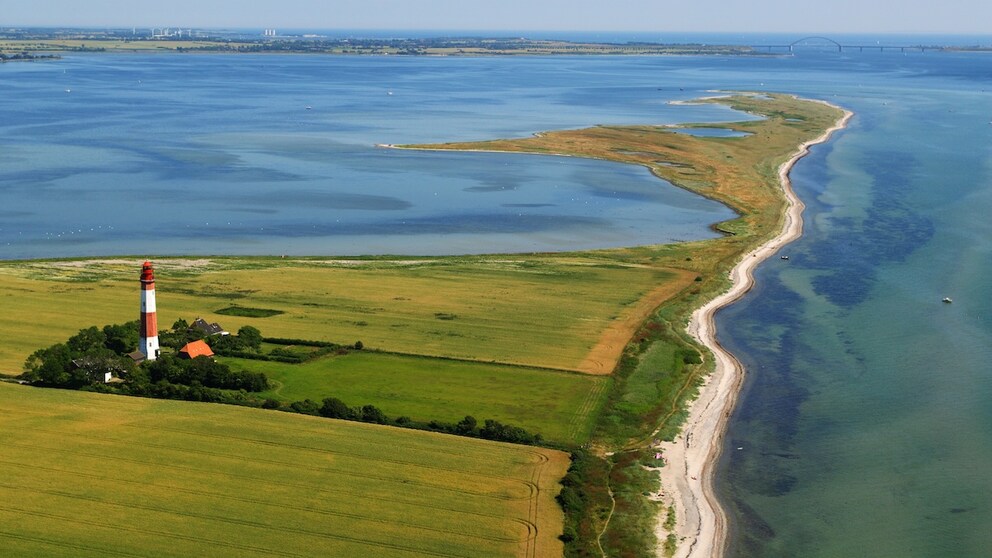
Coinciding with the start of the holidays, new regulations apply in Schleswig-Holstein. According to BILD, three designated marine protected areas are affected: the Baltic Sea area south of Hohwachter Bay, the Baltic Sea area Geltinger Bay to the Schlei estuary, and the Baltic Sea area west of Fehmarn. Parts of these zones are located near popular vacation spots like Heiligenhafen.
For vacationers on land, there’s initial relief: Traditional beach activities remain permitted. Restrictions primarily affect the use of the waters.
Strict Bans on the Baltic Sea
Clear bans apply in the new protected areas of the Baltic Sea. Fishing, hunting, resource extraction, and structural interventions or changes to the seabed are prohibited. Additionally, animals and plants may not be removed, damaged, or disturbed.
Particularly relevant for recreational anglers: Fishing from a boat is no longer allowed in these zones. However, fishing from the shore or standing in the water with a hand rod remains possible. Bathing, swimming, and diving—even with an oxygen tank and lamp—are still permitted.
Baltic Sea Vacationers Take Note: New Rules Effective in April

Up to €135 Fine! France Tightens Non-Smoking Regulations
Further Restrictions Planned for Fall
Additional measures are already planned, but will come into effect later. From early November to late March, certain resting areas for seabirds will no longer be accessible by watercraft or water sports equipment. Exceptions apply only to water rescue and security forces.
Moreover, a year-round speed limit on the water is planned to reduce noise pollution for animals. However, the final implementation is still to be decided by the federal government, while Schleswig-Holstein is preparing a corresponding application.
Those who do not comply with the new rules must expect consequences. For instance, illegal fishing from a boat is considered an administrative offense. Whether and how high a fine will be depends on the individual case and the severity of the violation.
Government Focuses on Long-Term Protection of the Baltic Sea
The state government is pursuing a larger goal with the measures. Environment Minister Tobias Goldschmidt explains: “We humans are part of nature and live off it. We often cause harm, as we can clearly see in our Baltic Sea. With the new marine protected areas, fish and porpoises, seagrass meadows, and seabirds gain important sanctuaries. Here, plants and animals can literally breathe easier.”
The new protected areas are part of the “Baltic Sea Protection Action Plan.” By 2030, 12.5 percent of the Baltic Sea is to be placed under strict protection. Following the designation of the three new areas, the current share is 7.56 percent.