

March 6, 2026, 1:12 pm | Read time: 4 minutes
During the time of Germany’s division, the village of Klein Glienicke was completely isolated by the Berlin Wall. Even residents needed a pass to enter. Today, the village remains divided.
After World War II ended in May 1945, a unique decision was made in Potsdam, the capital of Brandenburg. This decision marked the beginning of a completely new life for about 500 people–and not in a positive way. At that time, Klein Glienicke, a part of Potsdam, became an enclave of East Germany on West German territory. It soon earned the nickname “the appendix of the GDR.”
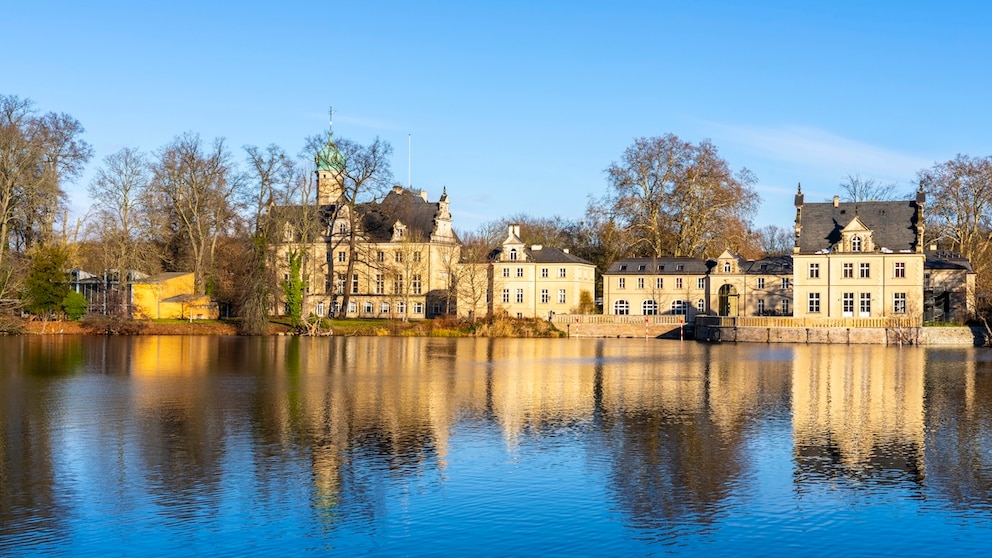
To explain: In 1900, construction of the Teltow Canal began in Potsdam, as described by author and filmmaker Jens Arndt in his book “Glienicke: From Swiss Village to Restricted Area.” This canal divided Klein Glienicke into two halves. In 1920, the so-called “Prussian territorial reform” assigned part of Klein Glienicke to Berlin, where a castle and park still stand today. The village itself has officially belonged to Potsdam since 1939.
A Village Becomes an Enclave
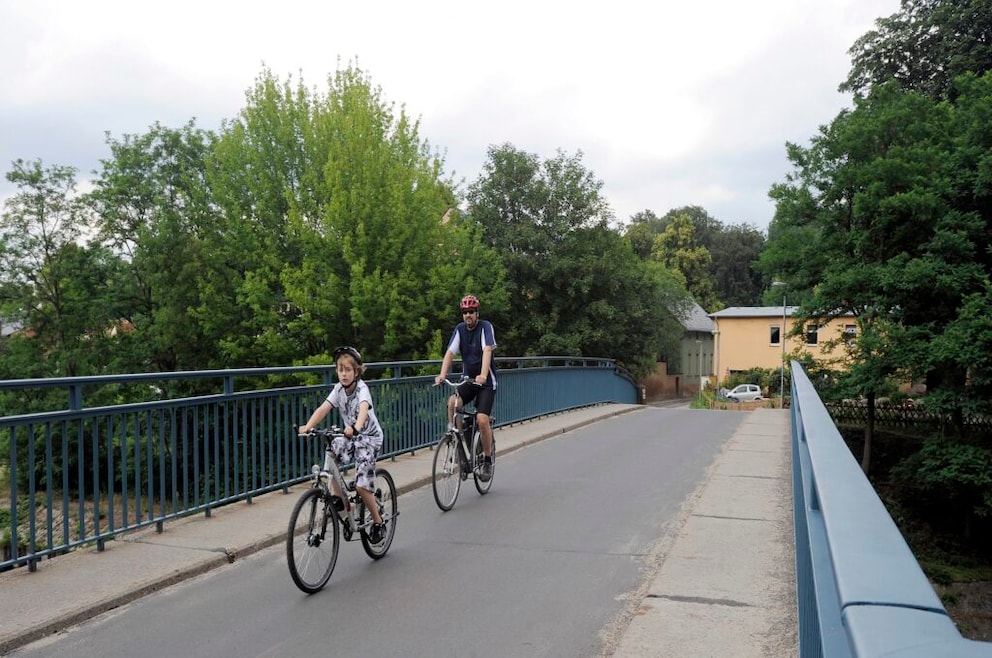
After World War II, Klein Glienicke became part of the Soviet occupation zone. The village was connected to Potsdam only by a bridge over the Teltow Canal. In 1961, East Germany took advantage of this situation and completely walled in Klein Glienicke. The village became an enclave, with the narrowest point between the walls just five meters wide, as reported by WELT. Klein Glienicke quickly earned the unflattering nickname “the appendix of the GDR.”
Also of interest: Places in Berlin where you can still see the Wall
This “appendix” was an extraordinary place: Anyone wishing to enter or leave needed a pass. Crossing the bridge over the Teltow Canal required repeated stamping. This made it nearly impossible for residents to receive visitors. Even relatives were accompanied by border guards when entering. Those who did not return on time were retrieved at gunpoint.
Penalty for Unsecured Ladders
Otherwise, Klein Glienicke resembled a socialist wonderland. The shelves were always well-stocked, as East Germany needed such a showcase location. Since almost all residents of Klein Glienicke had to work in Potsdam, they often smuggled coveted goods that were unavailable elsewhere.
Despite this, escapes were not uncommon, as the West was practically next door. According to WELT, so many people initially fled using ladders that it eventually became illegal to leave them unsecured. Violators faced a fine of five marks. It was also forbidden to photograph the Wall or interact with people in the West in any way over it.
The Abandoned Train Station in the Heart of Berlin

Alcatraz: The History of the Infamous Prison Island Near San Francisco
Escapes, Wall Deaths, and Funerals
On July 26, 1973, a particularly spectacular escape occurred in Klein Glienicke. Two families managed to reach the West through a 19-meter-long self-dug tunnel. On another occasion, a mother jumped to freedom with her child from a window. The fire department caught them on the other side with a rescue sheet. On November 15, 1968, two border guards caught 21-year-old Horst Köhler attempting to escape. Köhler shot one of the men, and the other guard then killed him.
Also of interest: Hotel Arbez – where you sleep in two countries
A witness recalls a bizarre incident in the film “Mysterious Places. Klein Glienicke” by Jens Arndt. When her grandmother died in Klein Glienicke, the family, who lived in West Berlin, was not allowed to attend the funeral. Instead, they stood on the other side of the Wall while the pastor spoke loudly so the bereaved could participate in the ceremony.
Still Divided Today
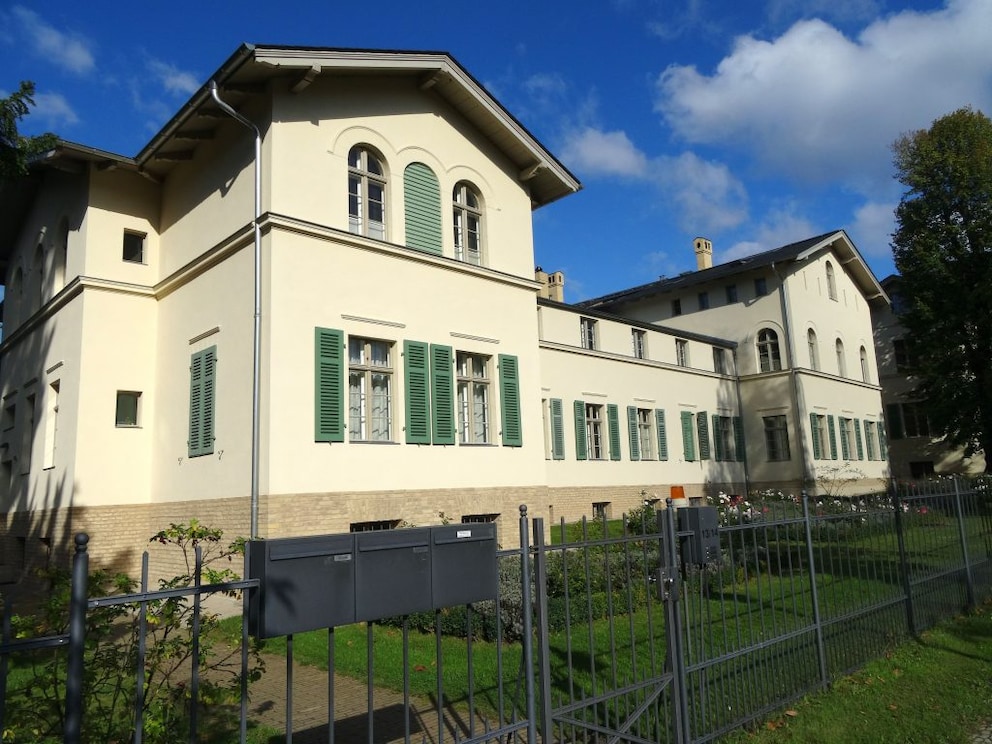
As strange as it sounds, Klein Glienicke is still a divided place today–fortunately, no longer politically. The old division from 1920 remains, with one part of the village geographically belonging to Berlin and the other to Potsdam. Mail carriers and garbage collectors come from both Berlin and Brandenburg authorities, and the village has two different area codes.
Today, anyone who wishes can visit Klein Glienicke, which is worth seeing for its impressive old mansions. There are also tours that provide information about Klein Glienicke and its history. Throughout the village, there are steles where visitors can learn more on their own.