

July 21, 2025, 1:02 pm | Read time: 4 minutes
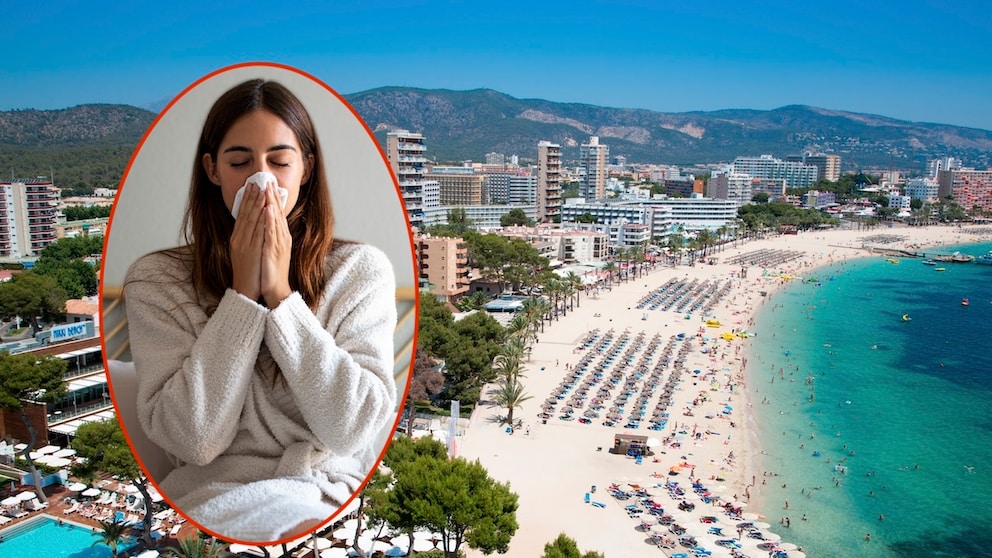
For most people, Mallorca means sunshine and beautiful beaches. Many also associate the Balearic island with the Ballermann, known for wild parties and plenty of sangria. Recently, however, Mallorca, particularly the town of Magaluf, has made headlines for a different reason: A mysterious illness—dubbed “Magaluf flu” on social media—is reportedly spreading there, even sending some affected individuals to the emergency room. Should vacationers be worried?
Overview
What Is Behind the “Magaluf Flu”?
Mallorca is considered a favorite island for Germans. In Magaluf, you also encounter British partygoers. Without resorting to stereotypes, they party just as hard as the typical Ballermann visitors from Germany. Recently, however, these partygoers have reportedly been left with more than just blurred memories of wild nights; they’ve also experienced unpleasant cold symptoms. On social media, mostly British TikTok users report respiratory issues, sore throats, and similar symptoms. Some claim to have even been admitted to the emergency room. The cause, or hashtag, is the so-called “Magaluf flu.”
“Magaluf flu” is not an official medical term. However, it does indicate the location where those affected likely contracted their symptoms. As reported by the “Mallorca Zeitung,” “dozens of vacationers” developed severe cold symptoms after returning from the island. Admittedly, this doesn’t initially sound like an epidemic.
Symptoms Resemble the Classic Summer Flu
The symptoms of the mysterious “Magaluf flu” resemble those of a classic summer flu. This term colloquially refers to a cold that occurs during the summer months. The so-called summer flu has nothing to do with a “real” flu, or influenza.
The summer flu spreads through droplet infection. This means that infected individuals release the virus into the air in tiny saliva droplets when speaking, sneezing, or coughing, which others can inhale or otherwise introduce into their throat or respiratory tract. Logically, you can also catch it by kissing, and even on a plane (such as on a return flight from Mallorca), where many people are in close quarters. The air is dry due to the air conditioning, which, according to Dr. Möllers, leads to reduced blood flow to the mucous membranes, increasing the risk of infection.

More and more Mpox cases – how travelers can protect themselves

Due to Nipah Virus, Asian Countries Tighten Entry Controls
Explanation for the Apparent Wave of Infections
It seems the dreaded Magaluf flu presents itself like an ordinary summer flu. This has also been clarified by Carles Recasens, president of the Balearic Medical Association. “Enough with the scaremongering,” he is quoted by the daily “Ultima Hora.” It is a simple cold caused by a virus.
Moreover, it should surprise no one if nights of heavy drinking, combined with daily exposure to heat and sun—often resulting in dehydration—manifest in health issues. This is confirmed by Dr. Matthias Riedl in response to a TRAVELBOOK inquiry. “It’s clear that partying together increases the risk of infections,” he explains. According to the nutritionist, alcohol consumption with a likely vitamin-poor diet leads to mild immunosuppression, making one more susceptible to infections.
The sporadic reports of emergency room admissions can most likely be explained by lifestyle factors during a Mallorca vacation, which can lead to a weakened immune system.
Conclusion: Vacationers Need Not Worry for Now
Currently, there are no reliable signs of a dangerous virus spreading. Otherwise, the Spanish Ministry of Health would have issued a warning, and the Foreign Office would have adjusted its travel advisories.
However, every trip inherently carries the risk of infections. It is therefore advisable to follow general precautions to avoid getting sick on vacation or bringing back a severe cold. These include regular hand washing, not setting the air conditioning too cold, and ensuring adequate sleep and hydration. If you feel unwell before departure, you should take extra care of yourself.