

March 12, 2026, 12:48 pm | Read time: 2 minutes
Garbage problems have been a part of Bali for some time. Especially during the monsoon season, the issue on the Indonesian island worsens noticeably. One place particularly affected by waste is Kedonganan Beach in the southwest of the island.
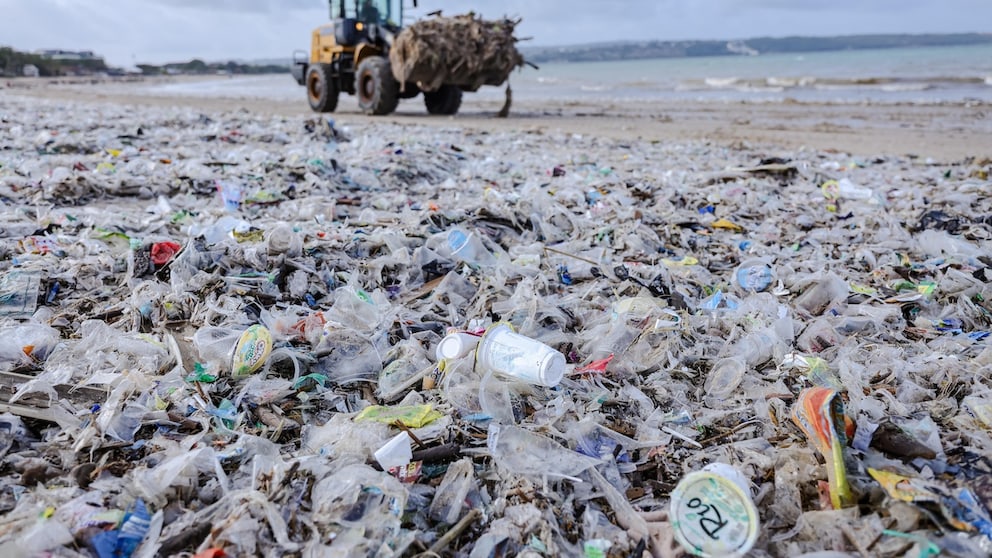
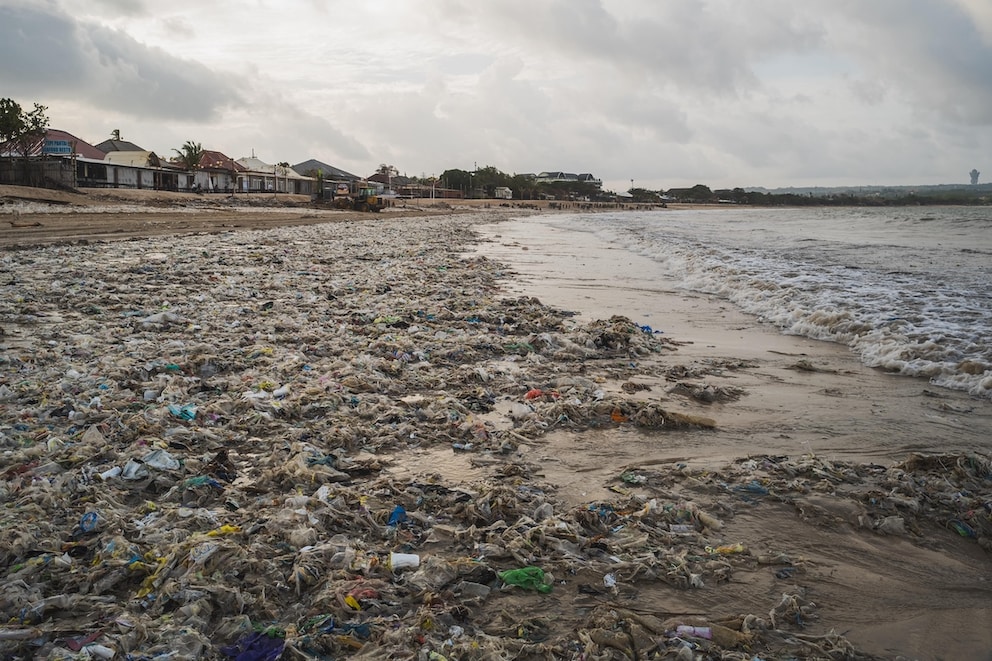
Waves of plastic and mountains of trash as far as the eye can see. The Balinese Kedonganan Beach is hardly recognizable at this time of year. Instead of the usual fine sand by the bathtub-warm waters of the Indian Ocean, tons of plastic bottles, bags, packaging materials, and other debris litter the popular beach in the Kuta vacation region in southwest Bali.
Masses of Trash at Popular Beaches
During the monsoon season from November to April/May, high waves, aided by currents and winds, wash debris onto Bali’s shores. Between 30 and 60 tons of trash arrive on the beaches daily, according to the Swiss publication “Blick,” which cites local environmental authorities. The “Hessische/Niedersächsische Allgemeine” reports on “increasingly severe ‘plastic waves'” that bring the trash to the shore.
In addition to Jimbaran Bay near the airport and its Kedonganan Beach, many other popular beach destinations, such as the northern beaches of Kuta, Seminyak, and Legian, are affected by the massive amounts of waste. The trash originates from the island itself, other parts of Indonesia, and Southeast Asia. The reasons include not only the high amounts of plastic waste but also the lack of infrastructure and environmental awareness among the population. According to a 2024 report by the science magazine Scinexx, Indonesia is the third-largest plastic polluter in the world (after India and Nigeria) with 3.4 million tons of macroplastic annually.
Initiatives Against the Trash
The Balinese authorities, along with private initiatives, regularly come together to clean the beaches. Sometimes thousands participate in the fight against the trash, which is hardly winnable.
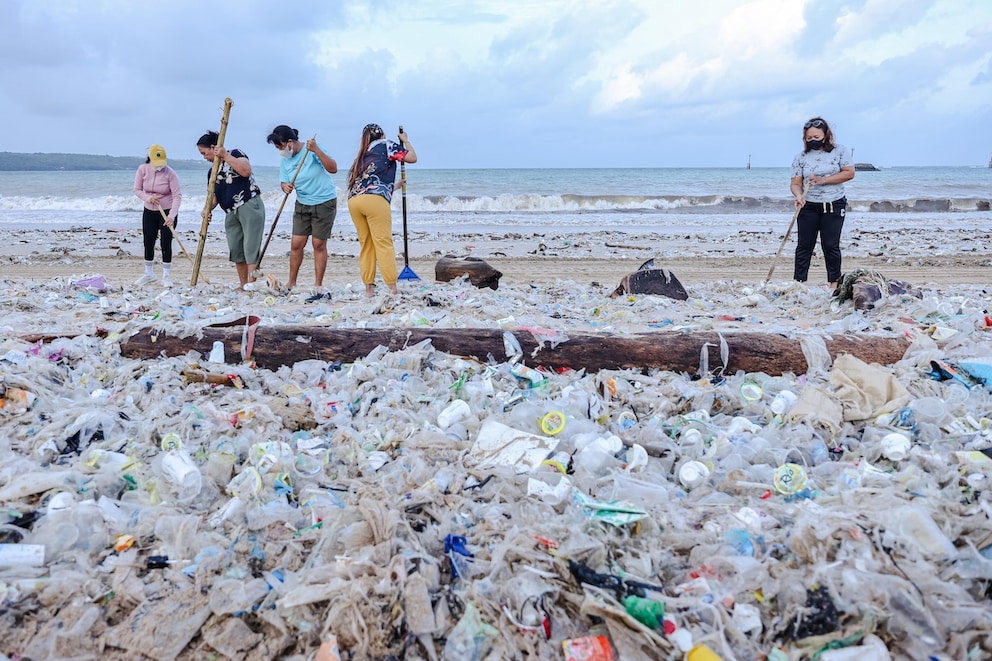
In addition to active beach cleanups on-site, the Indonesian government has also been countering the flood of plastic waste with stricter regulations for some time. Since 2019, single-use plastics, such as plastic bags and straws, have been banned on Bali. Environmental initiatives that promote recycling and waste separation are also active on the island. The goal is to reduce the overall waste in the long term and protect Bali’s beaches from such trash mountains.