

October 29, 2025, 6:00 am | Read time: 4 minutes
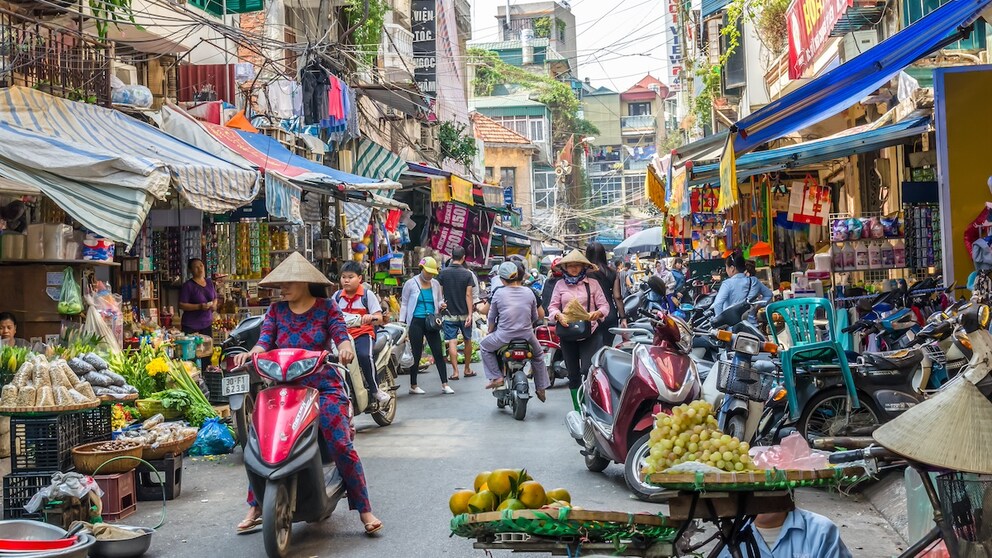
Take your time in Hanoi. Vietnam’s capital not only offers numerous attractions but also vibrant, bustling markets and a glimpse into authentic local life. However, visitors should be prepared for traffic that is hard to beat. Those who aren’t bothered by it will fall in love with Hanoi. TRAVELBOOK has six great tips for Vietnam’s lively metropolis.
Despite the omnipresent traffic chaos, Hanoi is one of the most popular travel destinations in Southeast Asia. It’s not just the numerous attractions that make Hanoi so appealing to tourists, but also the vibrant and often still very authentic life. What you can see and experience in Vietnam’s capital—TRAVELBOOK provides an overview.
For more tips and inspiration about Hanoi, Sonja Koller shares in the following (German language) podcast episode of “Around the World in 5 Minutes”:
Overview
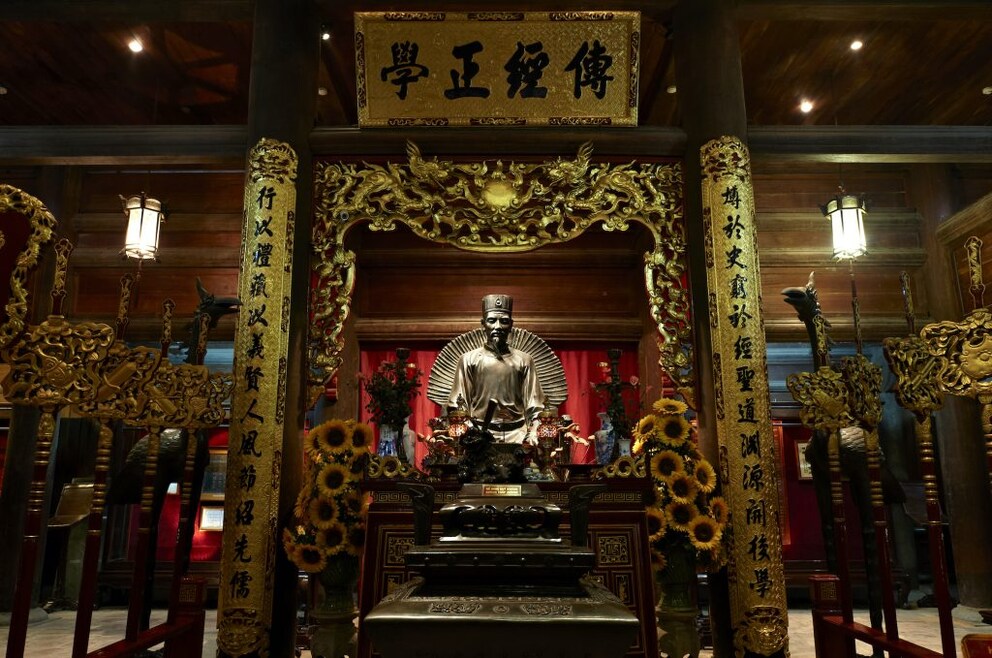
Temple of Literature
The Temple of Literature in Hanoi was not built for religious purposes but was originally an educational institution for highly gifted young people. In 1076, the complex was dedicated to the sage Confucius and has since been considered the country’s first university.
Today, visitors can explore the five courtyards and stroll along winding paths. The names of students, along with their honors and achievements, are engraved on steles. Adjacent to the temple is a beautiful park with lotus and water lily ponds.
For the residents of Hanoi, the Temple of Literature is not only of great cultural significance but also one of the most peaceful and tranquil places in the otherwise bustling city. Many visitors from Europe describe the unique harmony felt within the nearly thousand-year-old walls as a “profound experience.”
Ho Chi Minh Mausoleum
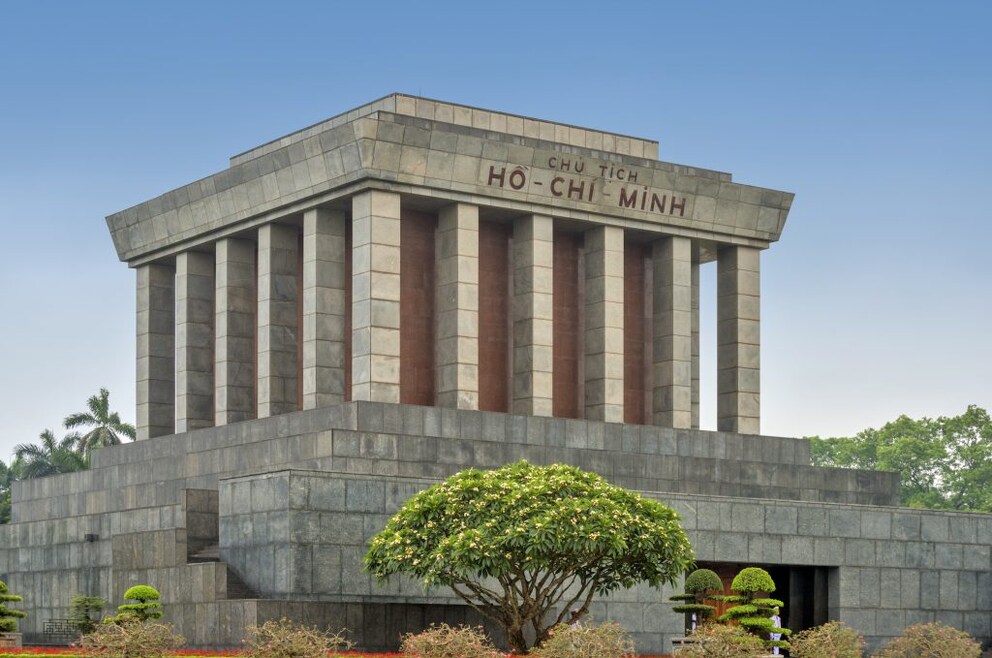
The imposing Ho Chi Minh Mausoleum stands on the large Ba Dinh Square. For the Vietnamese, this building is one of the country’s most important landmarks. They come here to pay their respects to “Uncle Ho,” the revolutionary and politician who died in 1969.
Since 1975, Ho Chi Minh’s embalmed body has been on display in the mausoleum’s solemn and somber halls. Strict rules of conduct apply in the building, such as a ban on speaking, the requirement for appropriate clothing, and a photography ban. Standing with hands in pockets in front of the body is also considered disrespectful.
One Pillar Pagoda
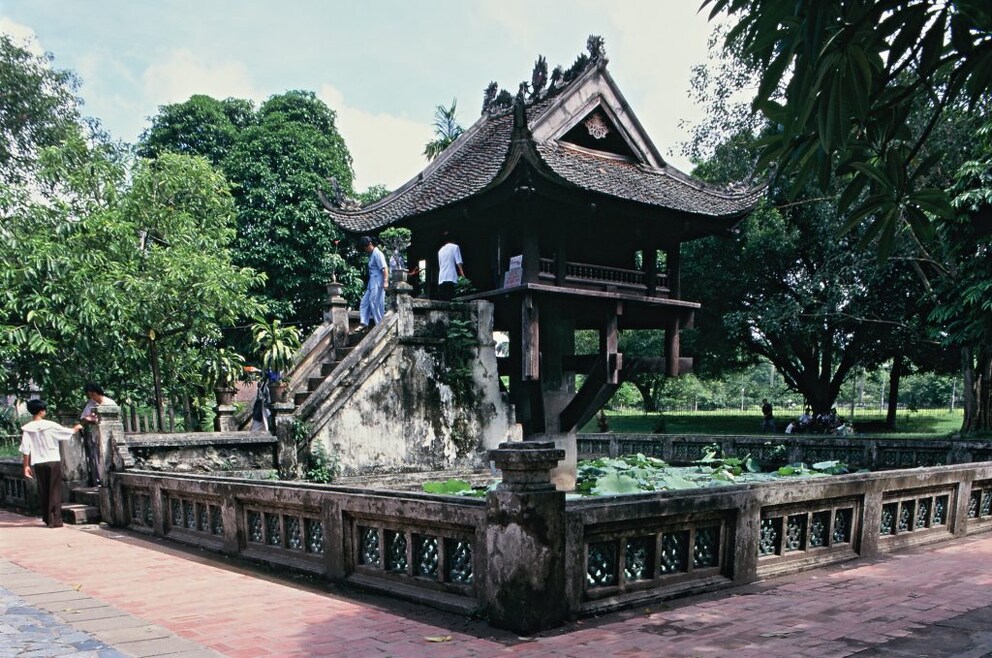
The One Pillar Pagoda (Chua Mot Cot) in West Lake is one of the city’s oldest pagodas and is considered a symbol of Hanoi. More than 1,000 years ago, the wooden temple was built on a wooden pillar. According to legend, a king had the pagoda constructed out of gratitude because he—as if by a miracle—suddenly became a father.
In the 1950s, the original tree trunk could no longer be saved due to rot and was replaced by a concrete pillar. It’s worth taking some time to stroll around the lake, as the surrounding residential buildings are among the most beautiful and impressive in Hanoi.
Rickshaw Ride through the Old Quarter
Taking a bicycle rickshaw ride through the 36 streets of the Old Quarter is not without its dangers due to the heavy traffic, but it offers a good impression of the city’s unique atmosphere.
Characteristic of the Old Quarter are not only the numerous restaurants and shops but also the craft businesses that have existed for generations.
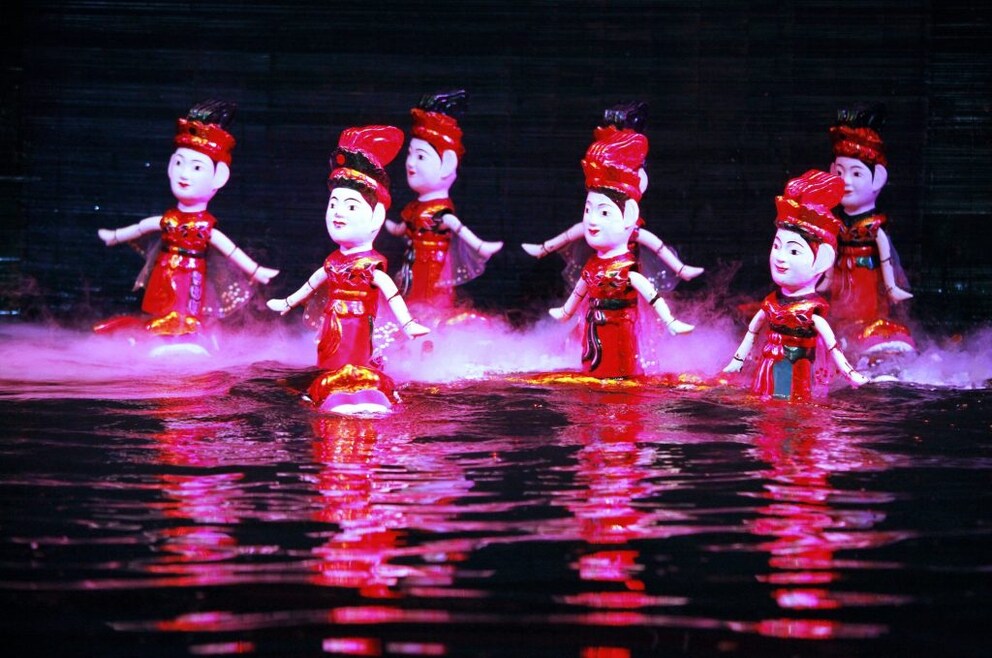
Water Puppet Theater
A visit to a water puppet theater is also a must in Hanoi. The art of performing with puppets up to one meter tall has been a tradition in Vietnam for over 1,000 years. The myths and legends around which many of the plays revolve are at least as old.
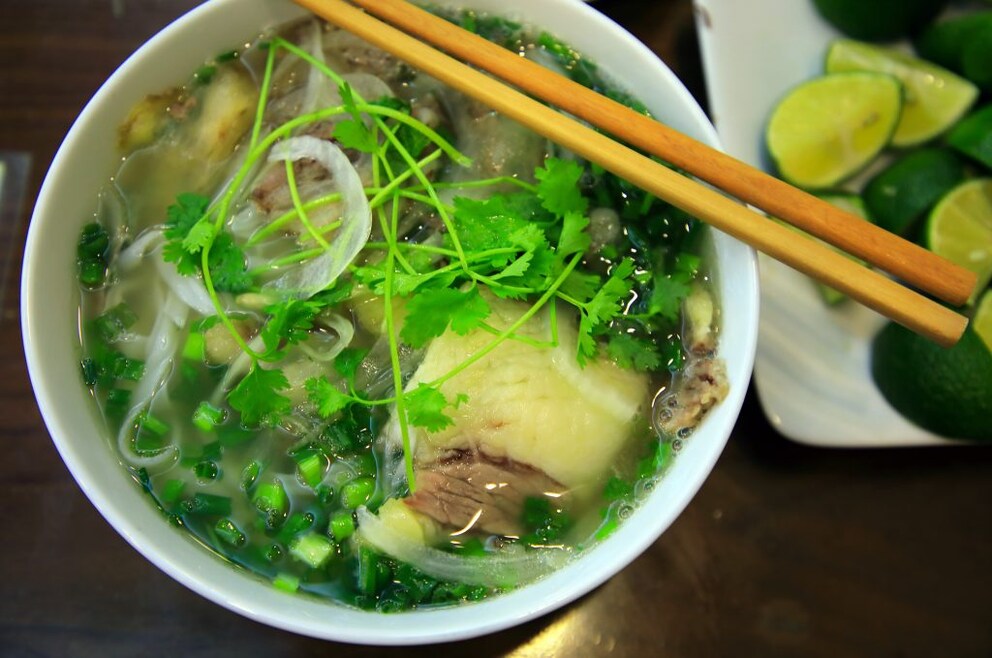
Eating Pho
If you haven’t already tried it elsewhere in Vietnam, you should sample Pho at least once in Hanoi. The aromatic soup is prepared with plenty of fresh herbs, rice noodles, and beef. Some places also offer vegetarian versions.
Note: Information on entry requirements in Vietnam can be found on the website of the Federal Foreign Office.
(Text: Friederike Ostermeyer)