

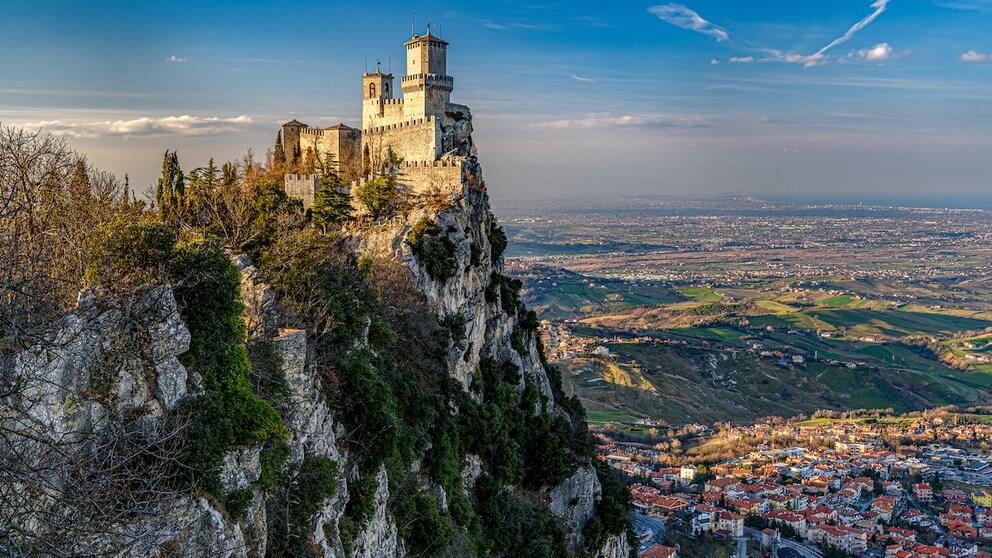

August 27, 2025, 9:38 am | Read time: 7 minutes
When traveling through Europe, France, Spain, and Italy are often on the list. A trip to the Balkans, a Scandinavian tour, or a vacation in one’s home country are also popular among travelers from Germany. However, some of Europe’s so-called microstates—sometimes only a few hectares in size—are rarely on anyone’s bucket list. TRAVELBOOK highlights the smallest nations in Europe, which, despite being well-known for their “size,” are not among the most popular travel destinations.
So-called microstates live up to their name. In some, you can even see from one end of the country to the other. The smallest country in Europe is also the smallest country in the world—it measures just about the size of 60 soccer fields. TRAVELBOOK presents the seven smallest countries in Europe and explains why a trip to these mini-states can be worthwhile.
1. Vatican City, 0.44 square kilometers
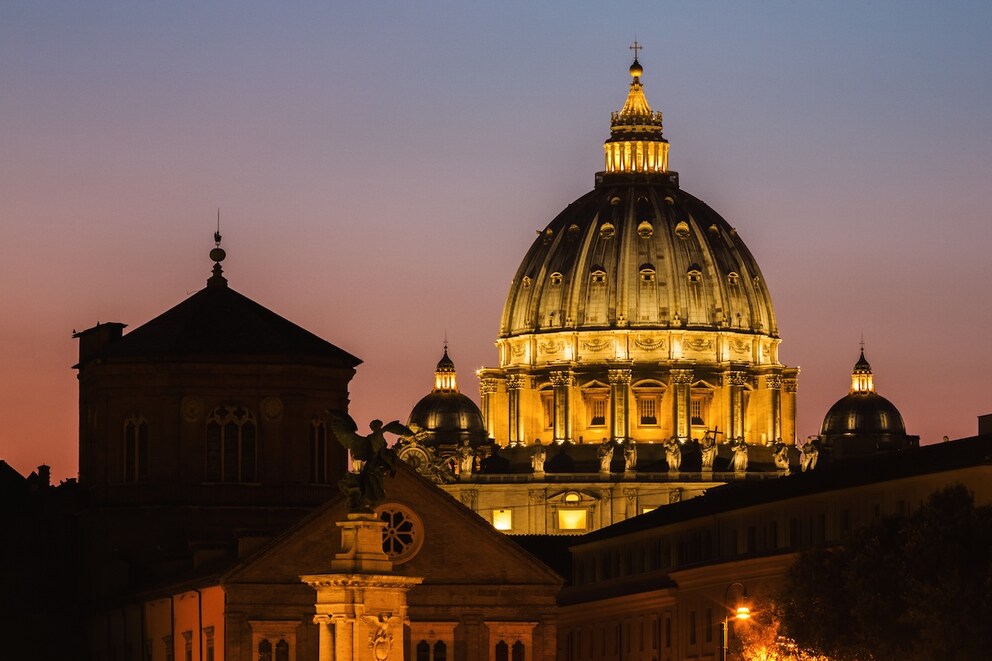
The smallest state in Europe and the world is also the holiest: With only about 44 hectares, Vatican City, the land of the Catholic Church, tops the list of the smallest countries in Europe. The head of state of this elective monarchy enclave with about 1,000 inhabitants in the middle of Italy is, of course, the Pope. Vatican City is also the only state in the world whose official language is Latin.
Anyone visiting Rome should not miss a visit to the Vatican: St. Peter’s Basilica, St. Peter’s Square, and Michelangelo’s Sistine Chapel are among the most impressive architectural and artistic works on the European continent. Additionally, there are 14 museums where you can admire works by Raphael, da Vinci, the aforementioned Michelangelo, and Titian.
Also interesting: The Pontine Coast – a hidden gem in Italy
2. Monaco, 2.02 square kilometers
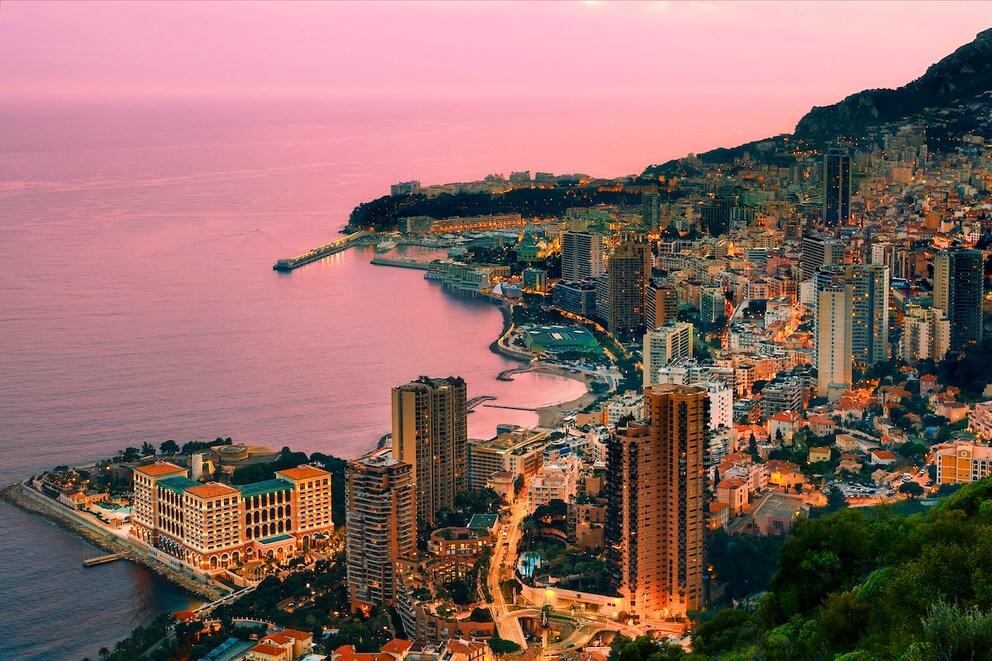
Monaco is the second smallest state in Europe and also the second smallest in the world. The country is completely surrounded by France and is located on the Mediterranean coast near the Italian border. The microstate became world-famous, at the latest, when the actress Grace Kelly married Prince Rainier III in the 1950s. Monaco remains a playground for the rich and famous and a backdrop for numerous Hollywood films. In the principality’s most famous district, Monte Carlo, stands Europe’s most famous casino, the “Casino de Monte Carlo.”
But beware if you plan to stay longer in the principality: The rents and real estate prices in Monaco are—unsurprisingly—among the most expensive in the world. In 2020, the cost per square meter was 48,150 euros—compared to 3,372 euros per square meter in Germany. However, Monaco offers no income tax, no inheritance tax, and does not pursue financial crimes committed abroad.
Also interesting: Passports with the greatest travel freedom worldwide
3. San Marino, 61 square kilometers
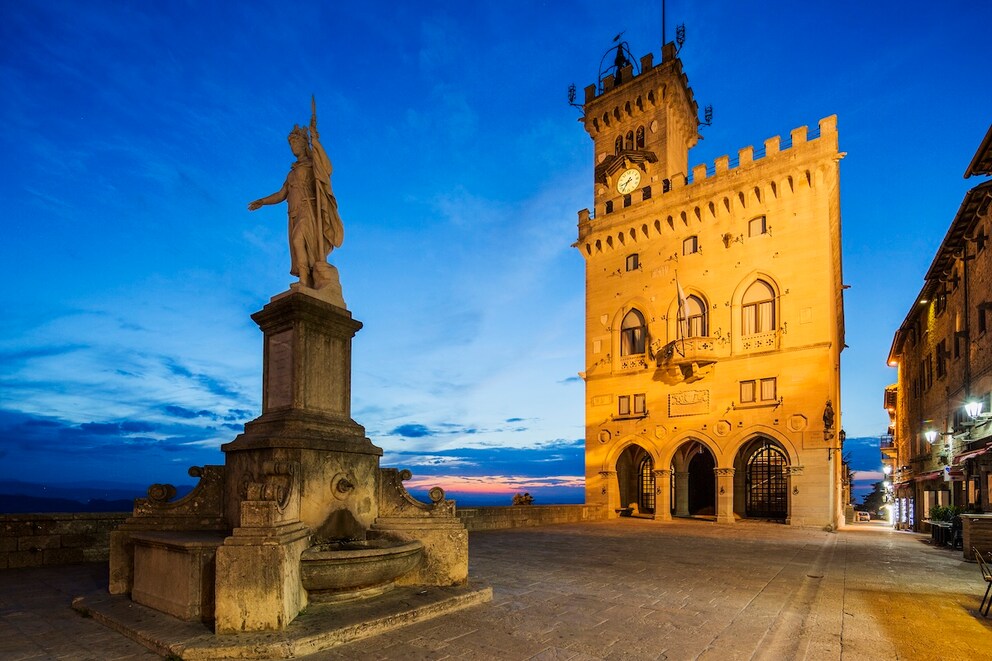
Like Vatican City and Monaco, San Marino, perched high on a mountain massif, is an enclave: It is located on Italian territory. The microstate is the fifth smallest country on Earth and takes bronze when it comes to the smallest countries in Europe. About 30,000 people live in San Marino, where the residents have a strong sense of national pride, speak Italian, but do not consider themselves Italian. The surroundings are heavily forested, with maple, holm oak, and pine trees. Olive and strawberry trees, as well as myrtle, lavender, and laurel shrubs, also grow in and around the third smallest country in Europe.
The most famous attraction in the tranquil San Marino is Mount Titano, where three medieval fortresses sit. There is also a torture museum and a series of state ceremonies that the residents celebrate enthusiastically.
4. Liechtenstein, 160 square kilometers
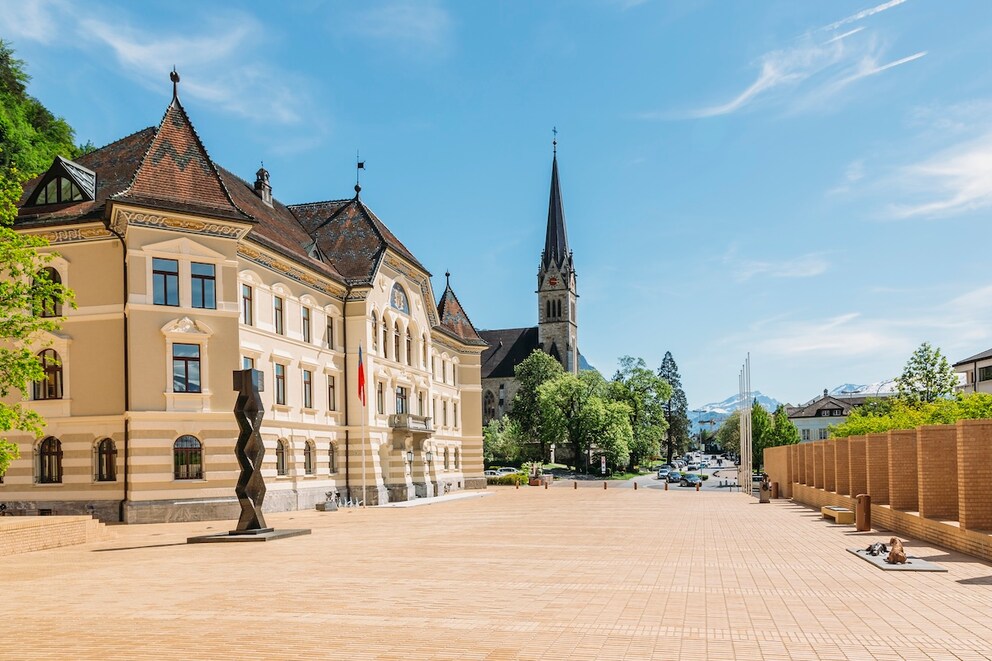
Liechtenstein is the sixth smallest state on Earth and one of the few countries worldwide with a constitutional hereditary monarchy. This means that in the wealthy principality, the monarch is in charge. Situated between Austria and Switzerland, the country boasts an idyllic Alpine landscape with meadows and gentle valleys. The tourist and cultural center of the state is the capital, Vaduz.
The castle overlooking the city can only be admired from the outside, as the Prince of Liechtenstein lives there and does not wish to be disturbed. Therefore, a trip to Vaduz is especially recommended for alpine sports enthusiasts; for hikers and climbers, the country offers many dream locations that are not as crowded as the mountain ranges in Austria and Switzerland. Liechtenstein is even the least visited country in Europe.
5. Malta, 316 square kilometers
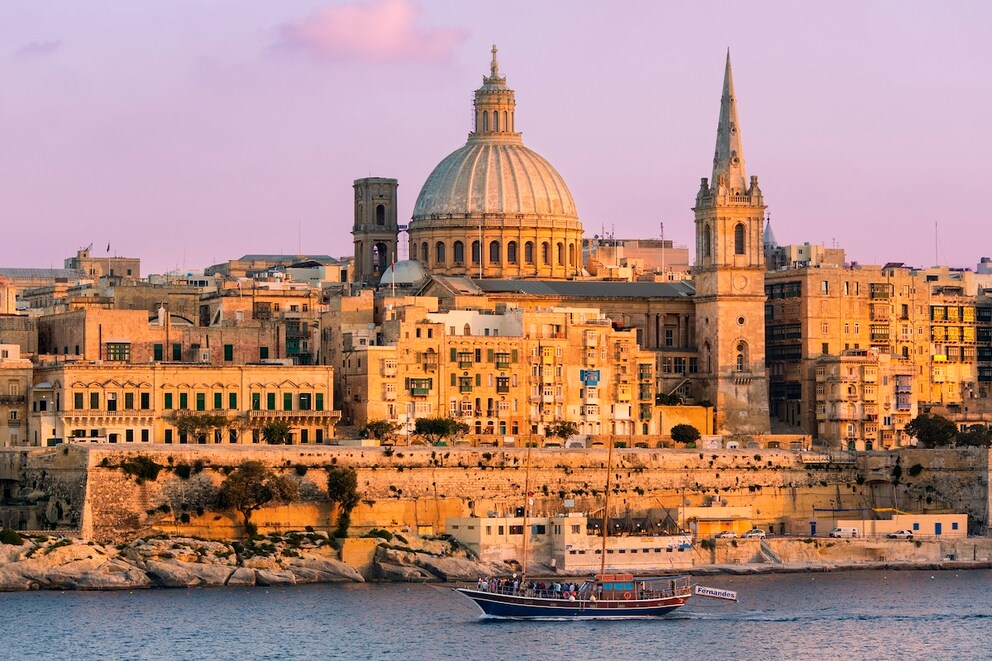
Malta ranks fifth among the smallest countries in Europe, a state almost as Catholic as Vatican City—97 percent of the population belongs to the religion. However, instead of Latin, the language spoken in this Mediterranean country is Maltese, a variant of Arabic. The island was conquered by all the major powers of the Middle Ages throughout its history. English is the second official language, making Malta a popular destination for language trips. The mild climate, the picturesque old town of the capital Valletta, and the grottos and beaches make the country a true vacation paradise. Malta consists of three islands: the main island of the same name, Gozo, and Comino.
Valletta, with its cathedrals, colorful fishing boats, and famous party scene, is especially popular with tourists. On Comino, you can visit the Blue Lagoon: a bay with incomparably clear and deep blue water.
Only These 5 Countries Worldwide Have No Airport
Why hardly anyone wants to visit this country in Europe
6. Andorra, 468 square kilometers
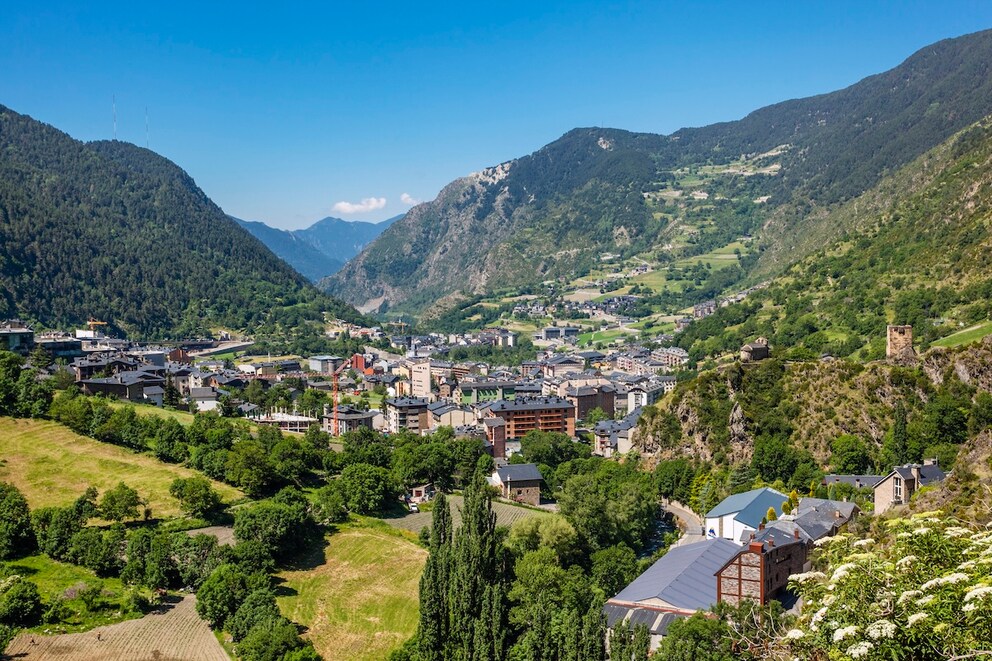
Andorra is located in the eastern Pyrenees between Spain and France. The mini-country is the largest of Europe’s microstates and, like Monaco and other microstates, a tax haven. Many tourists come to the small mountain nation between France and Spain just to buy cheap alcohol and tobacco. However, the country is especially worth visiting for a fantastic ski vacation: Andorra is the largest winter sports destination in the Pyrenees. But those seeking cultural attractions will find little to satisfy them in Andorra. The few cities are heavily influenced by shopping tourism and massive shopping malls.
7. Luxembourg, 2,586 square kilometers
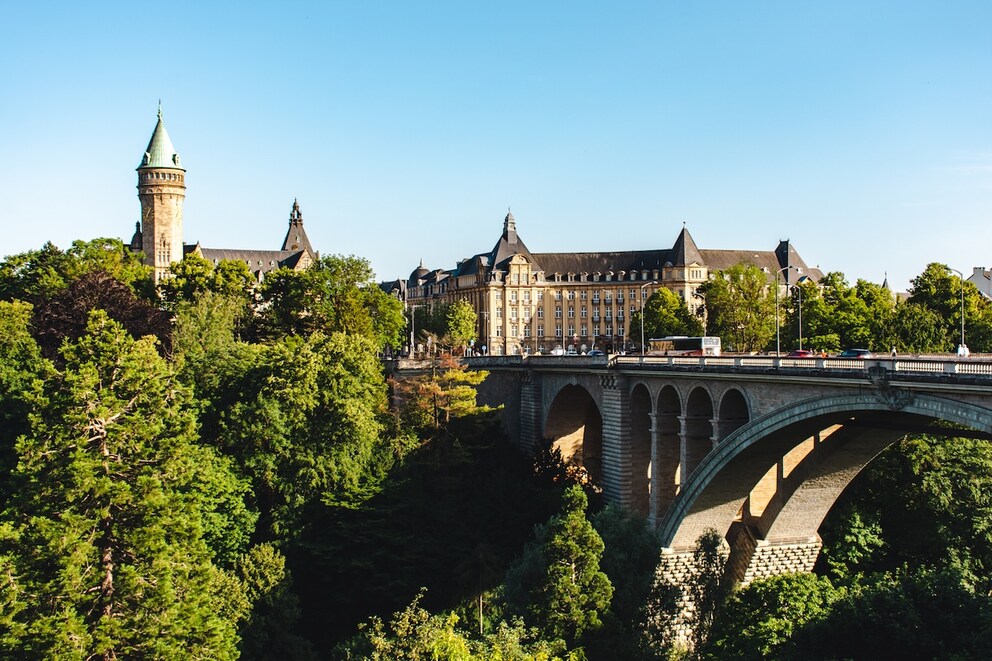
Luxembourg is no longer a microstate in terms of area: With almost 2,600 square kilometers, the small state ranks seventh among the smallest countries in Europe. The country, bordering Germany, France, and Belgium, is the last grand duchy in Europe and the smallest of the Benelux countries. The capital, also named Luxembourg, resembles the French city of Strasbourg, and the entire old town with its ancient bridges, romantic canals, and palaces is a UNESCO World Heritage site.
The most exciting attraction on a short trip to Luxembourg is the city’s underground fortification tunnels, a labyrinthine tunnel system. The tunnels are open to tourists from March to October.
Luxembourg also has much to offer nature lovers. In the north, for example, the Ardennes mountain range with its densely wooded coniferous forests and clear streams is worth exploring. Culinary-wise, the state shows its proximity to France and Germany: Foods like cheese and bread are of similarly high quality as in France, while the richness of the dishes is more reminiscent of Germany.