

September 12, 2026, 12:34 pm | Read time: 10 minutes
It’s the villages in the Harz Mountains that give the area its unique charm, where one often encounters special stories. For years, the region has been our author’s favorite hiking area, and he continues to discover these sometimes hidden gems. Here, he reveals where to find the most beautiful beer garden in the entire Harz, where to walk in the footsteps of giants, and where a unique tradition has been followed for 700 years. A personal hit list from A to Z.
When I go hiking in the Harz, I’m drawn to a rugged, honest, sometimes breathtakingly lonely nature that I haven’t found anywhere else in the world in such beauty. I strap on my backpack and walk, as in my recent adventure in August 2026, covering 100 kilometers in four days through the landscape. But I’m especially delighted when my map shows a beige spot amid the greenery, indicating a settlement or even a village. Then my heart beats faster because I know the next unique, sometimes quirky discovery is not far away. And that’s exactly the treasure trove I want to share with you today. Here is my personal hit list of the most beautiful villages in the Harz.
Altenbrak
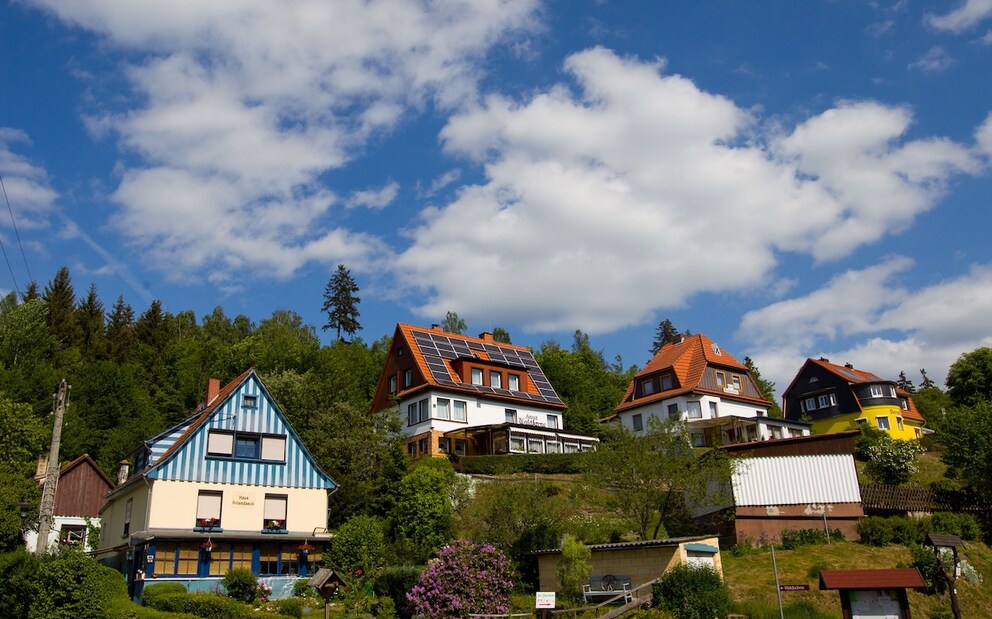
Altenbrak, picturesquely located on the Bode River, is a village straight out of a travel brochure. I visit it on almost every trip to the Harz. From here, you can reach great hiking destinations like the Rappbode Dam, the Stemberghaus charcoal kiln, or the spectacular “Roter Stein” viewpoint in a few hours or a day’s stage. As an angler, I sometimes take a hiking break to catch a delicious fish for the road at the “Zordel” trout farm. Or I tackle the short but strenuous climb to “Café Fontane,” from where you have an absolutely sensational view of the village and the vast land around it.
Just like from the Kuckucksklippe, which can be hiked from Altenbrak in about half an hour. Every time, I also make a trip to the “Forsthaus Todtenrode” above the village, because in addition to the hotel and restaurant, there is a very good house butchery with exclusive specialties. My clear recommendations are the root bacon and the ham. Since the Bode River runs particularly romantically through the village, you can also just let your feet dangle in the water and be content with yourself and the world. Sometimes it gets loud and colorful here, especially when a show takes place at the Altenbrak Forest Stage. Or at charmingly quirky events like the Harz Yodeling Contest.
Hainrode

Here, located in the rugged karst landscape of the southern Harz, a unique and endearing tradition has been followed for 700 years. In the village of Hainrode, with a population of about 300, brooms have been hand-bound since then. In 2025, I was lucky enough to watch this live at the local village and hiking café. The few remaining manufacturers today sell their goods at local markets. Hainrode is a stop on the Karst Hiking Trail and is well connected to a possible network of tours. In the fall, these are particularly rewarding, as the countless fruit trees around the village are in full splendor.
Also interesting: The most beautiful and unusual inns in the Harz
Hohegeiss
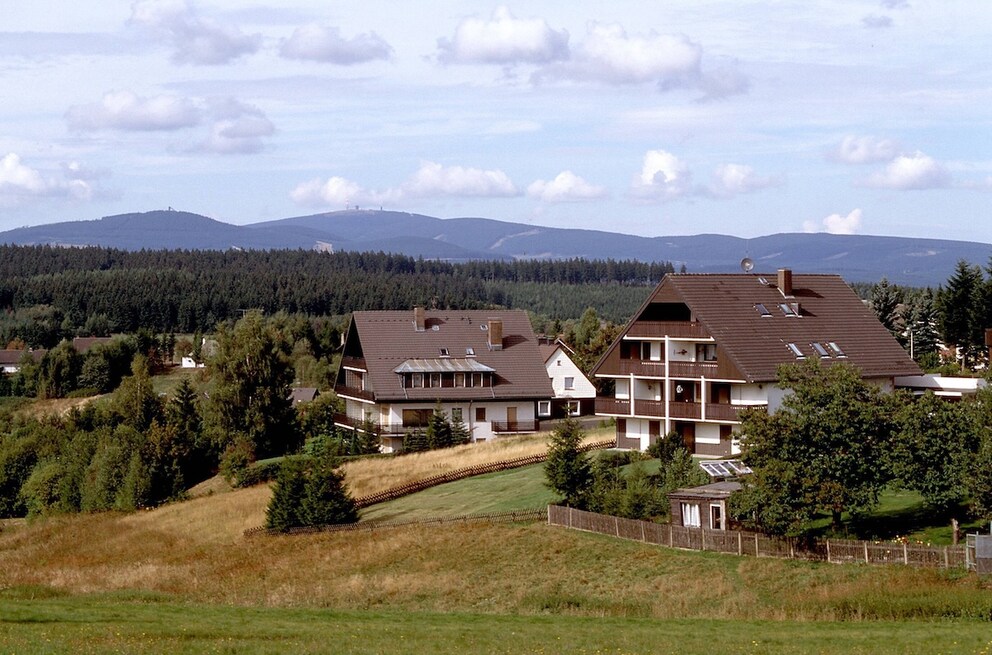
I especially want to recommend the mountain village of Hohegeiss to you because of its location. Nearby, just a steep descent away, lies the picturesque Wolfsbach Valley. It’s a kind of primeval forest where humans haven’t intervened for several hundred years, and where particularly strong and large spruces still grow, whimsically named “Dicke Tannen” on a circular hiking trail. Nearby is the excellent and sensationally located “Wolfsbachmühle” hotel-inn, built in 1700. Run by a friendly couple, you’ll find good cuisine here, and the sun terrace is particularly lovely. In Hohegeiss itself, there’s a beautiful church and even its own bakery, now unfortunately a rarity in the Harz villages. The “Supermarket” Bruns is a sight in itself.
Rübeland
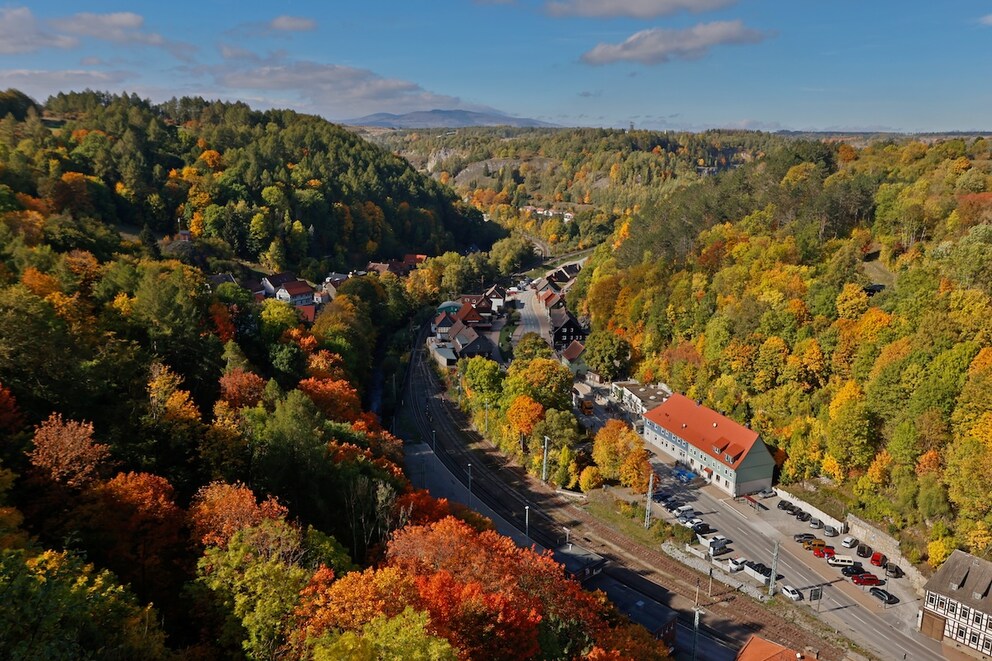
A village with just over 400 inhabitants, but with two attractions in the form of walkable caves. Both the Hermannshöhle and the Baumannshöhle can be visited on guided tours. The latter is considered Germany’s oldest show cave. The village, traversed by the Bode River, is encircled by steep rock walls, from which you have a great view. It can be especially dramatically enjoyed from the Schornsteinberg and the very beautiful “Hoher Kleef” viewing pavilion. In hot weather, a visit to the local outdoor pool is tempting in the summer. Great hiking trails lead from the village to the Harz dams, but also in a few hours to the city of Wernigerode.
Also interesting: The most beautiful rivers and waterfalls in the Harz
Sophienhof
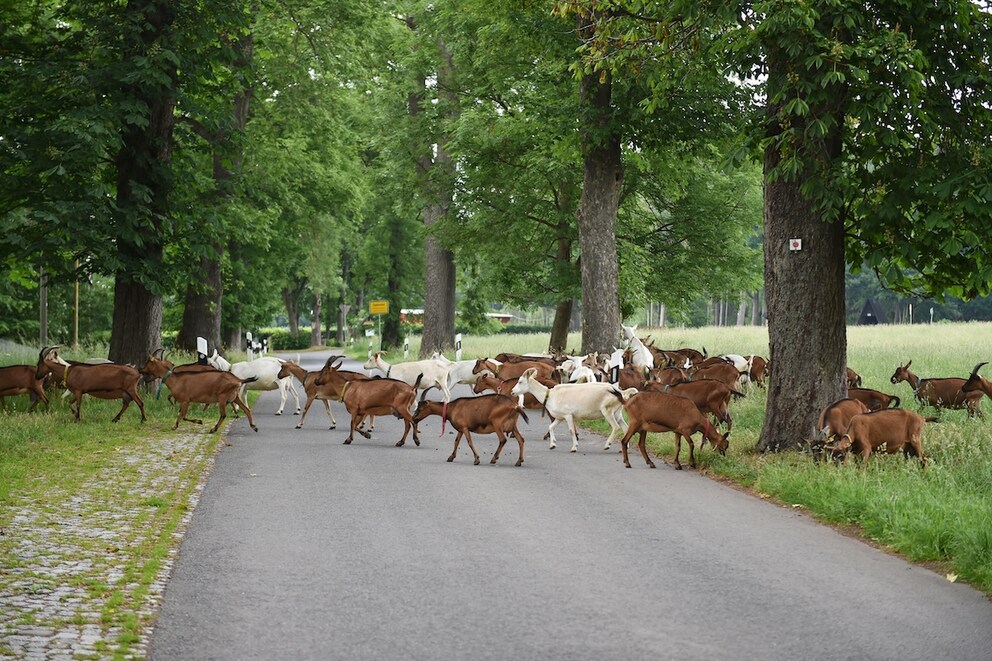
This tiny spot in Thuringia is a regular destination on all my Harz trips, thanks to the excellent treats at the “Ziegenalm.” Cheese variations, sausage, and the highly recommended goat milk ice cream offer something to delight the whole family. Especially since the “suppliers,” the constantly bleating four-legged creatures, can also be admired in their outdoor enclosures. At the attached “Almstube,” you can enjoy delicious food and fortify yourself for a tour. Beautifully situated on a high plateau at nearly 500 meters, the 60-inhabitant village seems like it’s frozen in time. Particularly great: The village is also accessible via a nearby stop of the Harz narrow-gauge railway, which still runs partly with steam locomotives.
Thus, the village also marks the end of the “Dampfloksteig” long-distance hiking trail, which runs from Nordhausen to here along the route through primeval nature. In Sophienhof, you can also stop at the always busy brewery inn “Brauner Hirsch.” Authentic ambiance, hearty food, home-brewed beer to take away–what more could you want? Numerous hiking trails lead directly from the village into the Harz nature, such as to the Carlshausturm. From here, you have a great view all the way to the legendary Brocken on a clear day. Small bodies of water like the Stierbergsteich are also within hiking distance. Those who visit during the week avoid the big crowds.
Treseburg
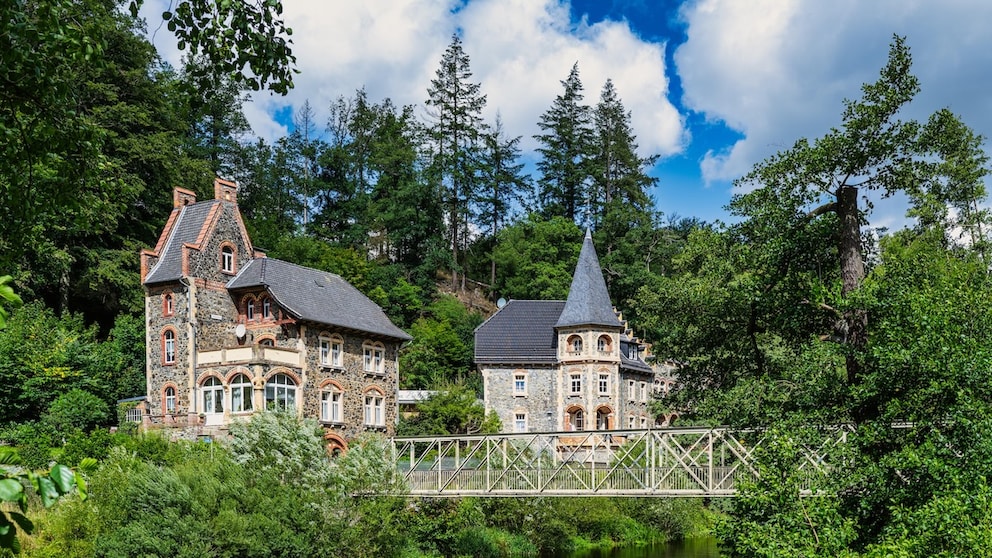
Treseburg (see also the large photo above) is a place I’ve dedicated an entire article to years ago because of its beauty and my very special relationship with the village. There’s probably no place in the Harz I love more than this 80-soul nest at the end of the Bode Valley near Thale. Already in 2018, at the beginning of my love affair with the region, I discovered this fairy-tale beautiful nest on the Bode River, encircled by steep, densely wooded hills. In 2022, my admiration reached a new, unexpected peak when the “Pension Sternschnuppe” opened in January of that year, which has since become a second home for me. I would unhesitatingly call its beer garden the most beautiful in the entire Harz, as it lies directly on the river, a scene like from an impressionist painting.
In and around Treseburg, I now know all the hiking trails. I’ve harvested buckets of wild raspberries and porcini mushrooms and swum in the glorious waters of the ice-cold Bode. I’ve celebrated several of my birthdays here and marveled at the meteor shower that appears every time in the form of the Perseids. I’ve dined excellently at the “Jägerstube” and the “Luppbode,” hiked the entire Bode Valley in both directions in every season. I’ve puffed my way up to the “Weißer Hirsch” viewpoint and marveled from above at the view of the village, which looked like a Bemo model landscape. I’ve found people here whom I now call my friends. What more can you hope for from a place?
Wildemann
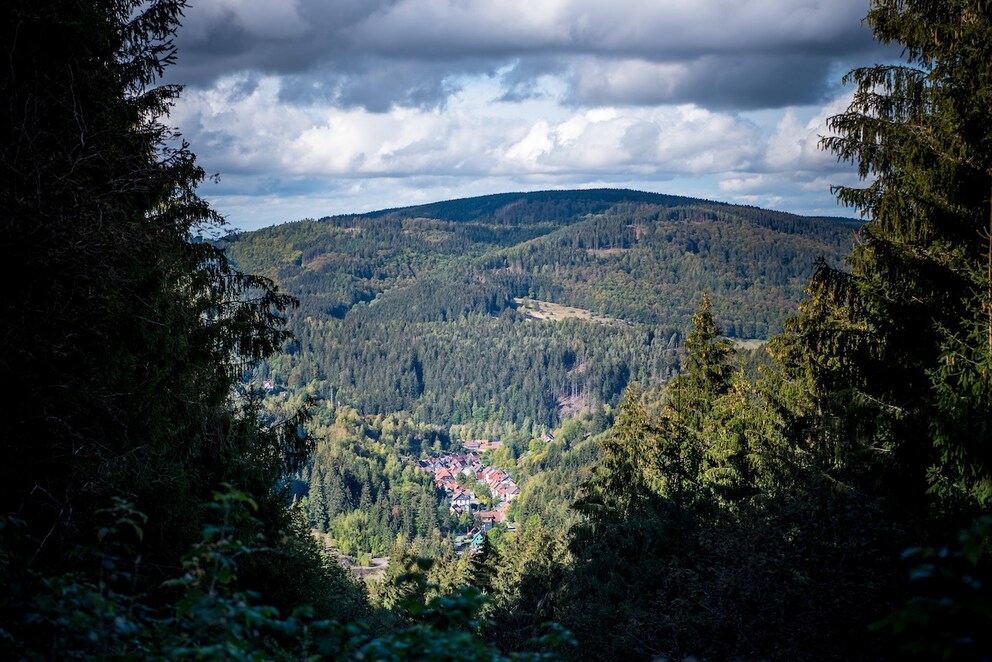
Also known as the “Tyrol of the Harz,” this village is beautifully picturesque, framed by very steep slopes with dense, healthy forest. The name Wildemann goes back to the legend of a giant who once lived here. When they tried to capture him, he defended himself with an uprooted spruce but ultimately had to surrender and died. At the moment of his death, the first ore is said to have been discovered here. This was then mined in the “19-Lachter-Stollen,” which still exists today as a show mine. When I discovered the village at the end of September 2025, I was unfortunately the only one who signed up for a tour, which therefore never took place. Instead, the rain drew me along the rushing Innerste River through the village to the “Café am Bohlweg,” where the owner served me excellent jellied meat with fried potatoes.
Also interesting: Why Treseburg in the Harz is my personal power place
Wildemann might also be an attractive destination for dog owners, as there is a forest area just for the four-legged friends. Additionally, with “Glow Golf Harz,” there’s a special attraction: blacklight mini-golf. From the village, you can also undertake great hikes, such as to the Iberg Albert Tower high above the town of Bad Grund. There, you’ll also find the “Weltwald,” a unique arboretum in Germany that gathers trees from around the world. The picturesque outdoor pool in the village, the “Spiegelbad,” unfortunately couldn’t open in 2026 due to renovation delays. Hopefully, it will welcome guests again next year.
The best tips and routes for hiking in the Harz Mountains
The Most Beautiful Rivers and Waterfalls in the Harz
Questenberg
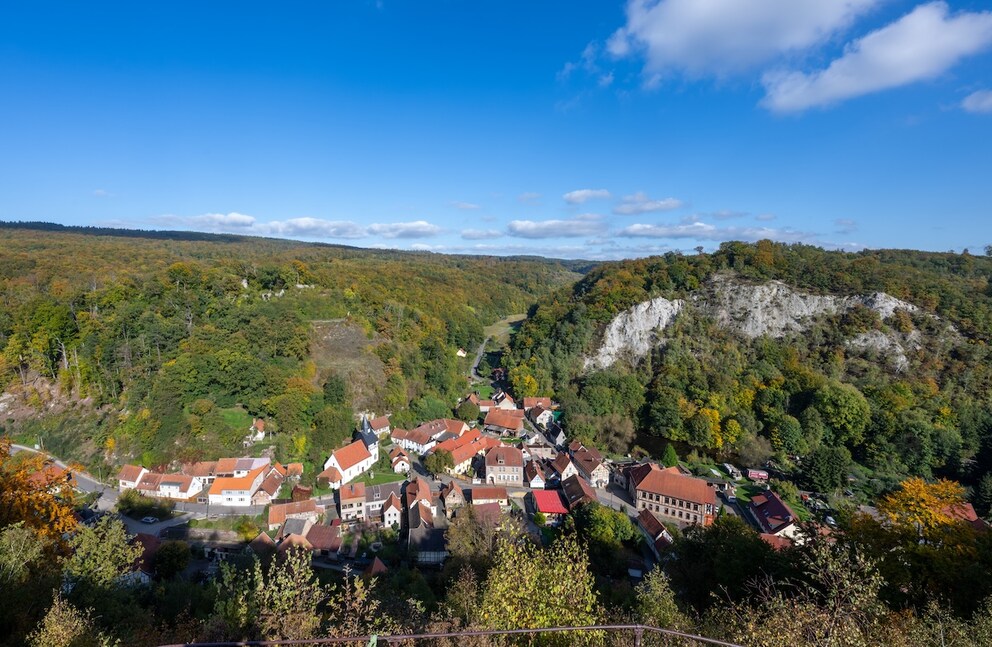
A truly magical village with a unique tradition that probably dates back to the Celts. Every year on Whit Monday, the “Questenfest” is celebrated here. During this, a huge wreath is visibly placed on a hill above the village to brass music and a barbecue party. The spectacle, which I attended in 2025, attracts hundreds of visitors every time. The location of Questenberg, framed by steep karst mountains, makes the village look almost imaginary when viewed from above. Nearby is the Bauernteich, a periodic lake that appears and disappears depending on the season. You can refuel at the “Zur Queste” inn, which specializes in Celtic cuisine.
Zorge
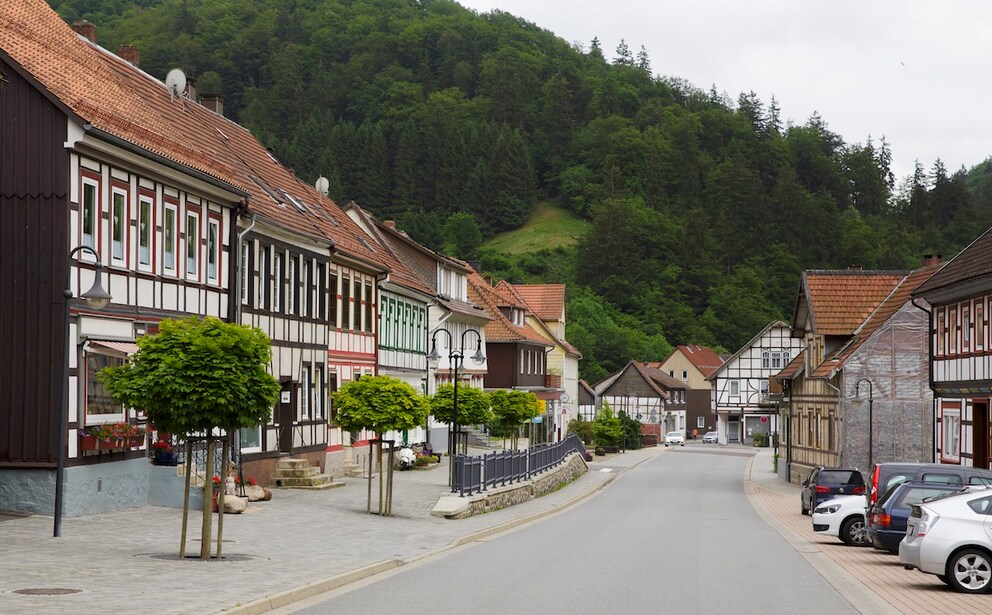
A village like something out of a fairy tale book, and with a fairy-tale age. In May 2026, Zorge celebrated its 777th birthday. Framed by steep green hills, you can take great hikes along numerous bodies of water. For example, to the “Pferdchen” viewing pavilion high above the village. From here, you can also reach the Zorge Waterfall. And with some stamina, continue to the already mentioned Wolfsbach Valley in nearby Hohegeiss. Another tour leads from here to the great “Roter Schuss” viewpoint near Ellrich. You can refuel in Zorge at the “Kleine Kommode” hotel-restaurant, for example, with homemade jellied meat. In summer, a visit to the local forest swimming pool is also worthwhile for cooling off. Be sure to also check out the Hammerschmiede/Harcynian Distilling, which produces Harz whiskey.