

January 30, 2026, 8:31 am | Read time: 5 minutes
Amsterdam has long been one of the most popular tourist destinations in Europe—and this does not go unnoticed. In many parts of the city, tourists throng through the well-known alleyways that have long been in every travel guide. But in addition to the well-known places, there are even more exciting corners to discover.
Travelers to Amsterdam are faced with an abundance of choices. With canal cruises, museum visits, and a visit to the famous Vondelpark, the day is quickly filled. However, many of these classics attract numerous visitors every day, and hotspots such as the Red Light District are often overcrowded. Luckily, the city boasts hidden gems that even the most seasoned Amsterdam vacationers might find surprising.
These Five Places in Amsterdam Are Worth a Visit
Chinatown – Asian Flair in the Middle of Amsterdam
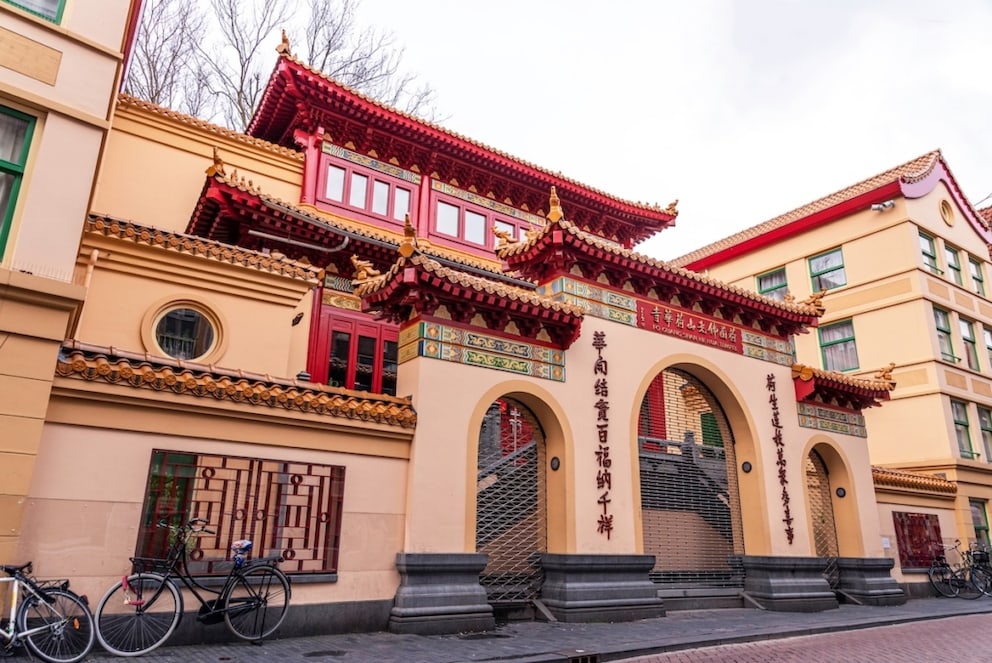
Located very close to Amsterdam Central Station, there is a district that is visually very different from the typical canal architecture with its narrow houses. Amsterdam’s Chinatown is located around the Zeedijk, one of the oldest streets in the city. Built in the Chinese style, Asian supermarkets, restaurants, and stores are lined up here. The centerpiece is the He Hua Temple, also known as the “Lotus Flower Temple.” With its striking red and gold details, the temple is a visual feast for the eyes. So if you are planning to visit the Nieuwmarkt or the notorious red light district, you should also plan a detour to Amsterdam’s Chinatown. A stroll through the district is reminiscent of a typical Asian street food market, with grilled chicken or Peking ducks hanging in some of the shop windows.
Hortus Botanicus – Tropical Plants

One of the oldest botanical gardens in Europe, founded in 1638, is the Hortus Botanicus. It is accessible on foot from the canal belt, and around 6000 different plant species can be viewed in greenhouses and gardens, including palm trees, passion flowers, and water lilies, according to “Bonjour Amsterdam.” The area, which was originally designed as a medicinal plant garden, is now home to exotic and native plants as well as a butterfly house.
Tip: Thanks to the covered tropical houses, a visit to the Hortus Botanicus is also worthwhile in bad weather. The garden’s café invites visitors to relax in its sunlit glazed conservatory.
Oostelijke Eilanden: The Eastern Islands’ Hidden Charms
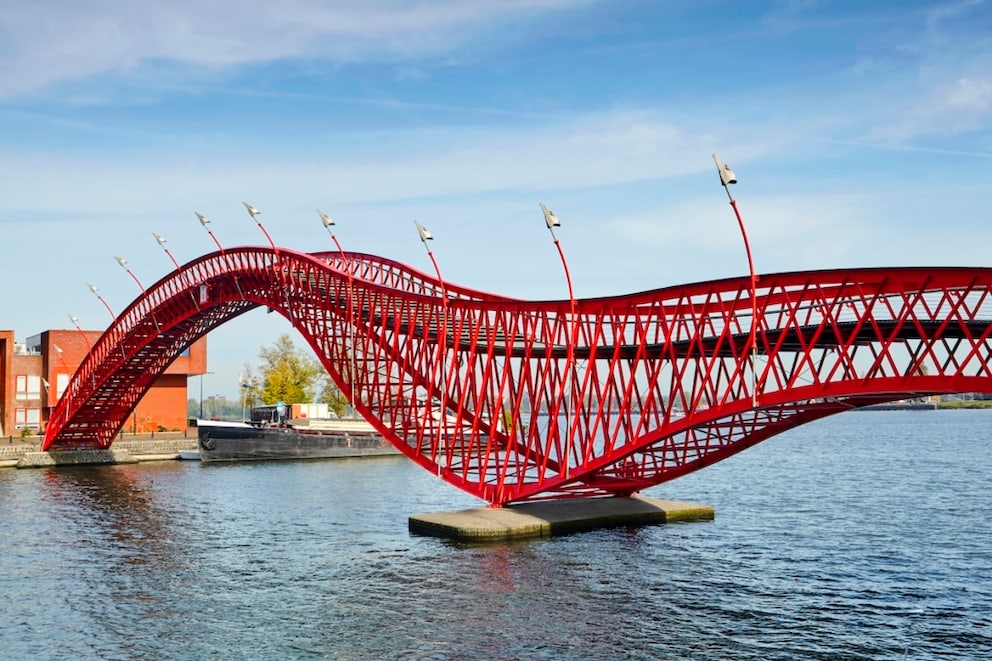
The Oostelijke Eilanden are located in the east of Amsterdam. They consist of the three islands of Kattenburg, Wittenburg, and Oostenburg. According to “architour,” they were artificially created around 1900. The area was originally used for the shipping industry. From the 1990s onwards, it was gradually transformed into a residential area. Today, there is a mixture of old warehouses, modern galleries, and lofts. Many of them can be discovered from the water.
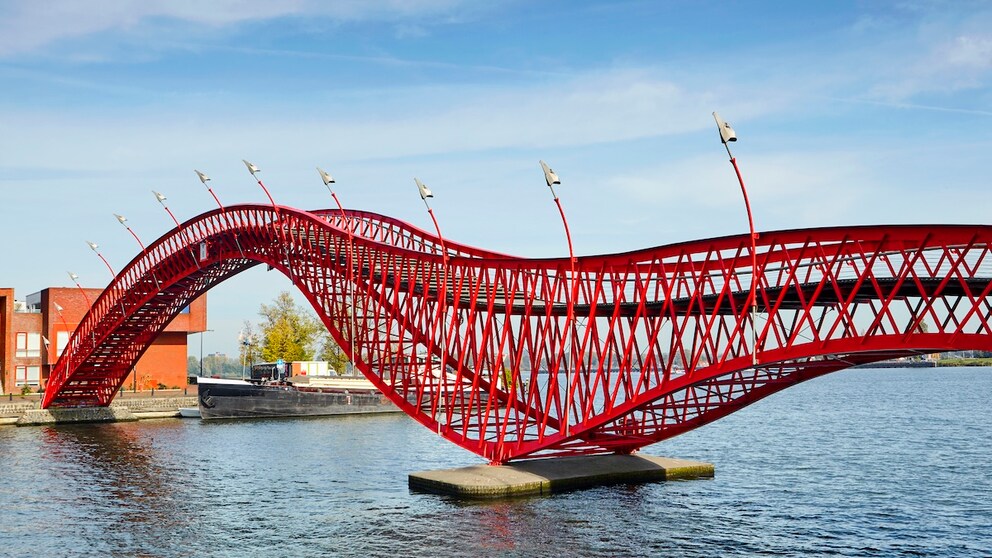
A particular highlight lies between the Sporenburg peninsula and Borneo Island: the bright red Hoge Brug, better known as the “Python Bridge”. It meanders across the water in a curved shape—and is reminiscent of a snake. The bridge has become an iconic photo spot, especially beloved by architecture enthusiasts.
Rivierenbuurt: A Historic Artists’ Quarter with Timeless Charm
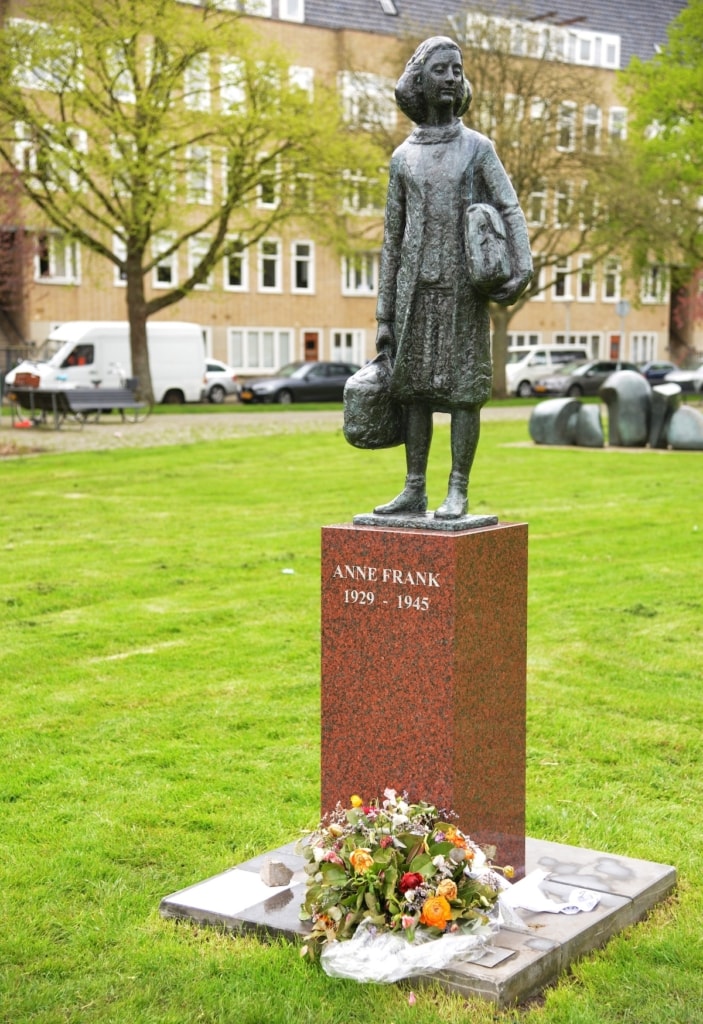
If you take the metro towards the RAI exhibition grounds, you will find yourself in Rivierenbuurt—a quiet residential area with typical brick façades reminiscent of the architecture of the Amsterdam School from the 1920s and 1930s. Located in the Amsterdam-Zuid district, the artists’ quarter is a quieter and more authentic alternative to the bustling city center. At the same time, the Amsterdam district is steeped in history. What many people don’t know: Before she moved to the hiding place in Prinsengracht, Anne Frank lived at 37 Merwedeplein in Rivierenbuurt until 1942. Today, a statue commemorates her here—a much lesser-known memorial to the Jewish girl and her family.
Fruittuin van West – Orchard on the Outskirts of the City
Another excursion destination in the north of Amsterdam, more precisely in the Nieuw-West district, is the Fruittuin van West, the “Orchard of the West.” From June to October, visitors can pick their own fruit—such as apples or berries, depending on the season. There is also an organic store on the13-hectare site, where the owners sell fresh fruit and vegetables all year round. The orchard can be reached from Amsterdam city center by bus or bike in around 20 minutes.
(With material from dpa)