

August 29, 2025, 11:34 am | Read time: 3 minutes
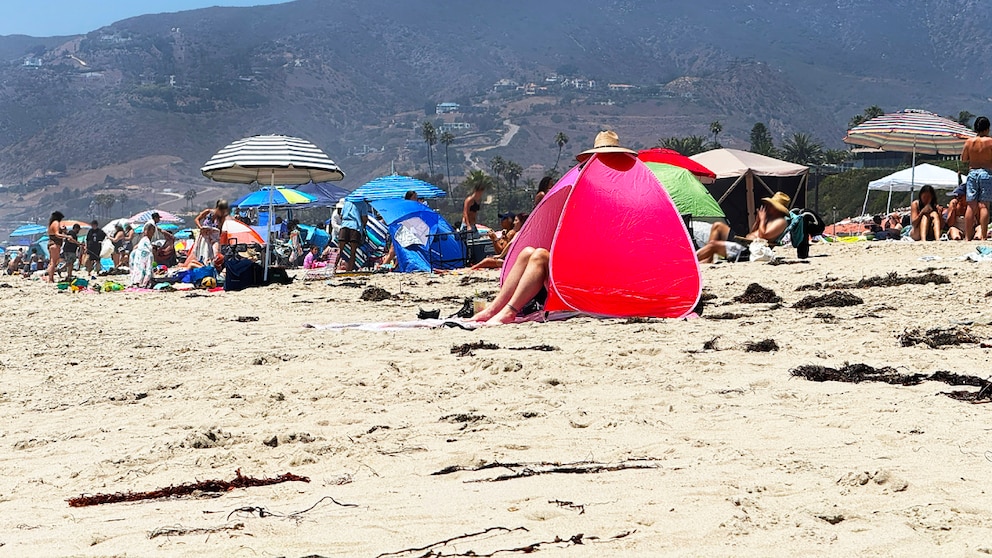
For many people, a summer vacation means spending as much time as possible from morning to evening at the beach. The next logical step seems to be setting up camp there–and that’s exactly what more and more vacationers are doing: They’re literally pitching their tents on unmanaged stretches of coastline. What may sound harmless is increasingly stirring up tempers. Why the so-called “Beach Sprawling” (“to sprawl” = “to spread out”) is now even being banned in some areas, you can find out at TRAVELBOOK.
Why “Beach Sprawling” Causes Trouble
“This is probably a very unpopular opinion,” explains TikTok user Melissad799 in a video, “but I just hate, hate, hate these tents! They should be banned.” And if they are allowed, then only in the back area of the beach, in her opinion. The woman is mistaken–in that her opinion is not a minority one. The trend now known as “Beach Sprawling,” setting up tents or pavilions on the beach, is annoying more and more beachgoers worldwide. Increasingly, vacationers and locals alike are speaking out, as the camping equipment blocks their view and access to the water. “You can’t let your kids play in the water anymore,” warns another voice in Melissad799’s video.
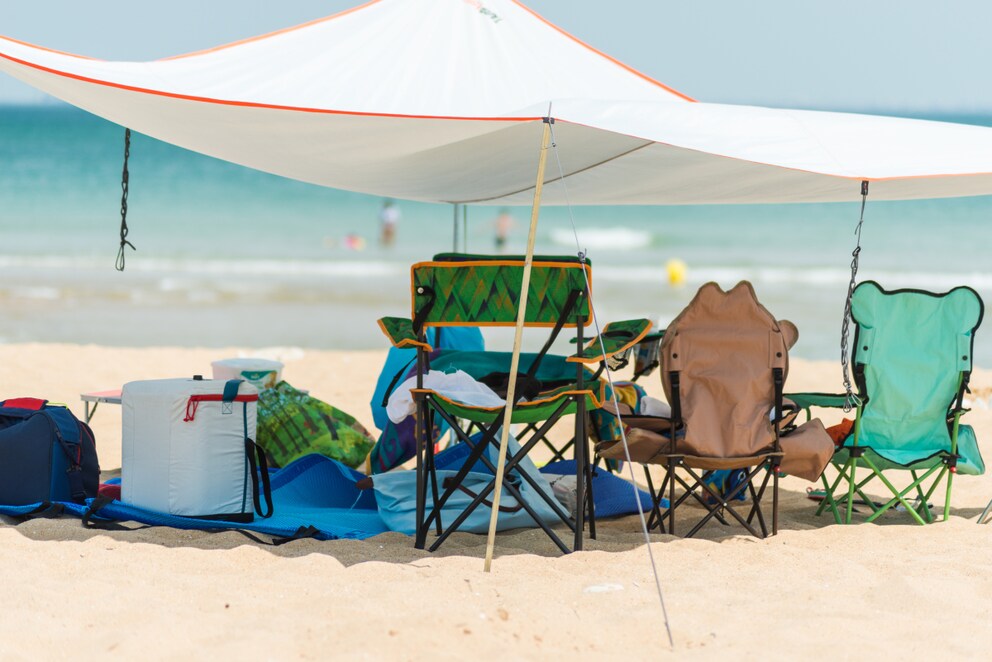
Social media is abuzz with debate. While some–like Melissad799–are bothered by what they see as the inconsiderate behavior of “Beach Sprawling” enthusiasts, others justify bringing their own sunshades and retreats. After all, they have enough space for things like food and drinks in the shade and can protect themselves extensively from UV radiation. Of course, this is only possible on free, unmanaged beaches–where there is no fixed rental of loungers, beach chairs, or clearly marked plots. Taking care of your own spot and sun protection is logically the cheaper option, and on such beaches, “sprawlers” say you can bring whatever you want. That’s true: There is generally no ban on setting up tents or regulations on the size of umbrellas. But some exceptions are already proving this rule.
First Beaches Ban “Beach Sprawling”
The city of Ocean City in the U.S. state of Maryland has enacted new beach rules for this summer. According to these, tents, meaning all sun protection structures with closed sides, are now banned. The use of sunshade pavilions, known as canopies, is also only allowed with restrictions. Since June 2025, these can be no larger than three by three meters and must maintain a minimum distance of one meter from the next beachgoer. Additionally, they can only be set up behind the lifeguard area and not left unattended on the beach before 10 a.m.–presumably to prevent the reservation of spots. Overall, the new regulation aims to increase safety and provide a more pleasant experience for all beach visitors. According to a report by the “New York Post,” similar bans are in place in Delaware and New Jersey. Violations are reportedly fined up to approximately 215 euros.
It’s quite possible that this initiative will set a precedent. Currently, “Beach Sprawling” seems to be widespread mainly in the U.S. and Australia. If the trend also noticeably takes hold in Europe, it is likely to lead to corresponding bans. Just last year, various Italian vacation spots adopted a series of rules, including a ban on placing your towel directly on the sand, as is the case in Sardinia. Why, and what other sometimes bizarre rules exist–for example, at Lake Garda–you can find out here.