

September 24, 2025, 5:28 am | Read time: 4 minutes
On September 23, 2025, it was that time again: The TRAVELBOOK Award was presented in Berlin. This year, the category “Best Destination for a Sustainable Safari” was included. Naturally, South Africa was not to be missed. However, it was not the world-famous Kruger National Park that TRAVELBOOK readers chose for this category.
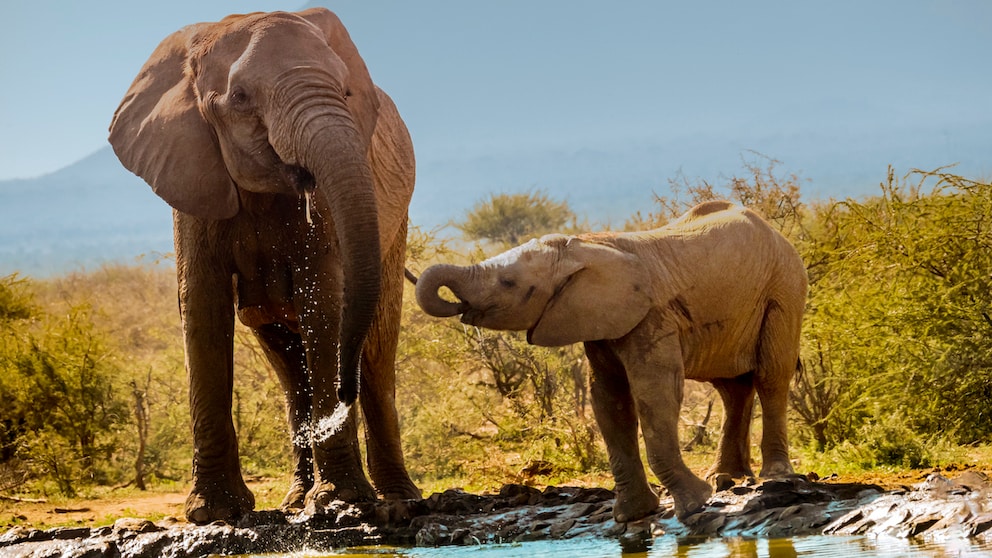
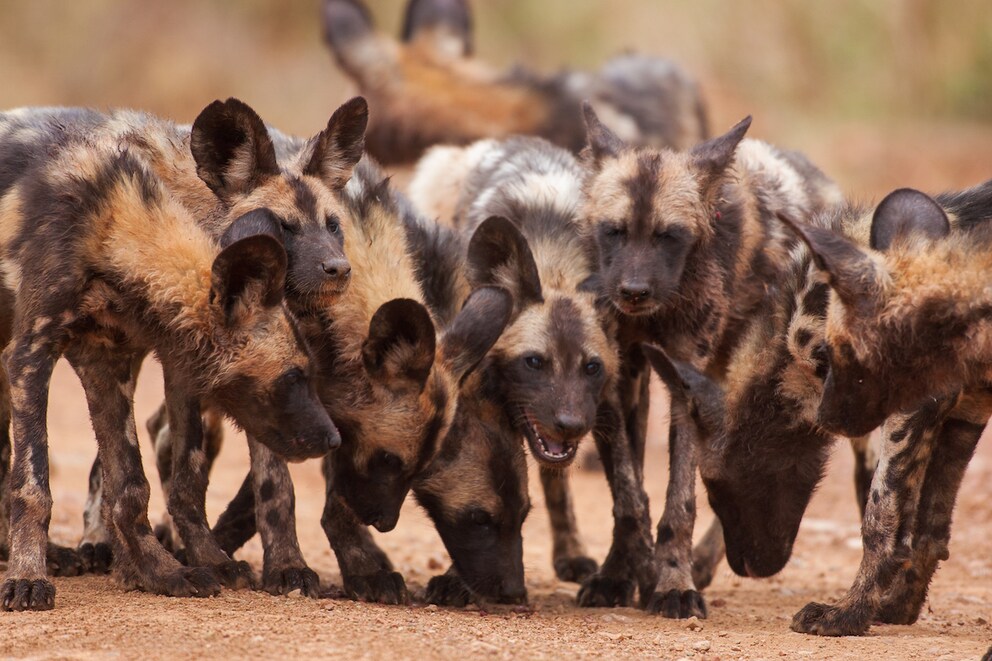
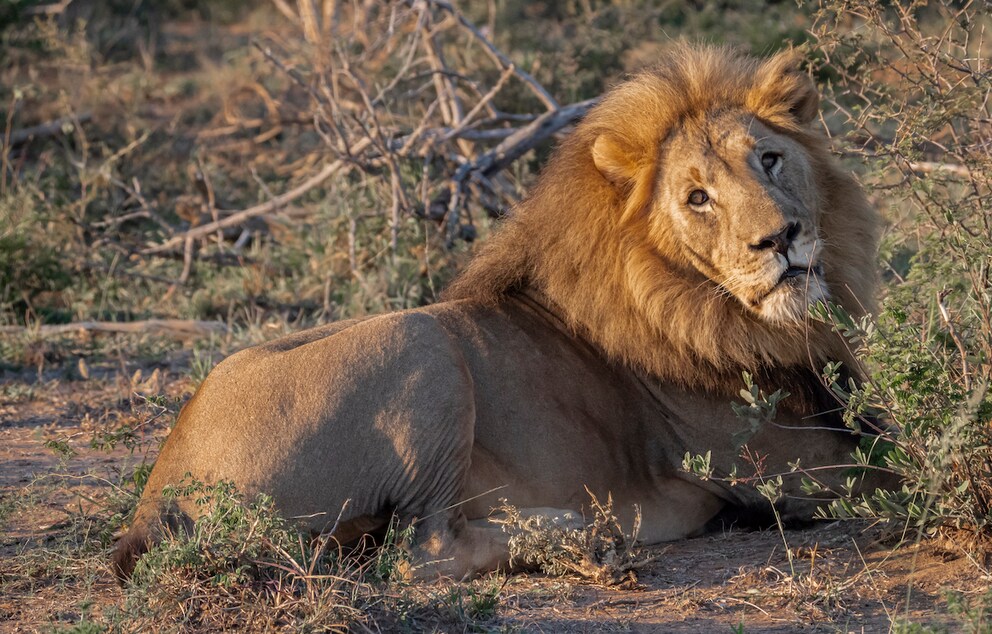
South Africa is one of the destinations that likely comes to mind for most when they think of a safari. Not least because this popular country in the southern part of the African continent is home to the Big Five: lions, elephants, leopards, rhinos, and buffalo. In addition to these, many other animals live in the wildlife reserve. This is the Madikwe Game Reserve in South Africa. Among its 12,000 animal residents are the rare wild dogs and cheetahs.
The Madikwe Game Reserve in South Africa
The malaria-free Madikwe Game Reserve is located near the border with Botswana in northern South Africa and close to the Kalahari Desert. It is the fifth-largest wildlife reserve in the country, spanning vast grasslands, forest landscapes, swamp areas, and the rugged hill Rant van Tweedepoort. To its south, Madikwe borders the Dwarsberg Mountains.
BILD Travel: Discover the Best Hotels in South Africa (Mahikeng) Now!
The 12,000 animal residents that call Madikwe home and attract animal lovers to the wildlife reserve were not always there. Instead, after the decision was made to turn the 750-square-kilometer area into a sanctuary for wildlife, more than 8,000 animals were relocated there by human hands. This endeavor in the transition zone between bush and thorn landscape began in the 1990s. According to the Madikwe Game Reserve information page, the wildlife relocation project was the largest of its kind worldwide. Its goal: to establish an “economically viable wildlife sanctuary” on previously barren farmland. The reserve is a joint project of the government, private sector, and local communities.
To this day, Madikwe remains one of South Africa’s lesser-known reserves, even though the wildlife reserve has long been cited as a model project for sustainability in tourism.
Vote Now! This Is the Best Destination in the World for a Sustainable Safari
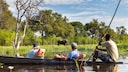
Botswana’s Okavango Delta is the world’s best destination for a sustainable safari
Sustainable Safaris and Accommodations in Madikwe
In fact, the rules in Madikwe are strict when it comes to visitors. For example, guests cannot simply come to the wildlife reserve for a day visit, perhaps even driving through the reserve with their own vehicle to explore the wildlife on their own. In Madikwe, only vehicles belonging to the lodges and camps located there are allowed. This measure is intended to keep nature largely untouched and the animals undisturbed. A 150-kilometer-long electric fence also ensures that this rule is followed. Accordingly, visitors can look forward to a safari destination without crowds.
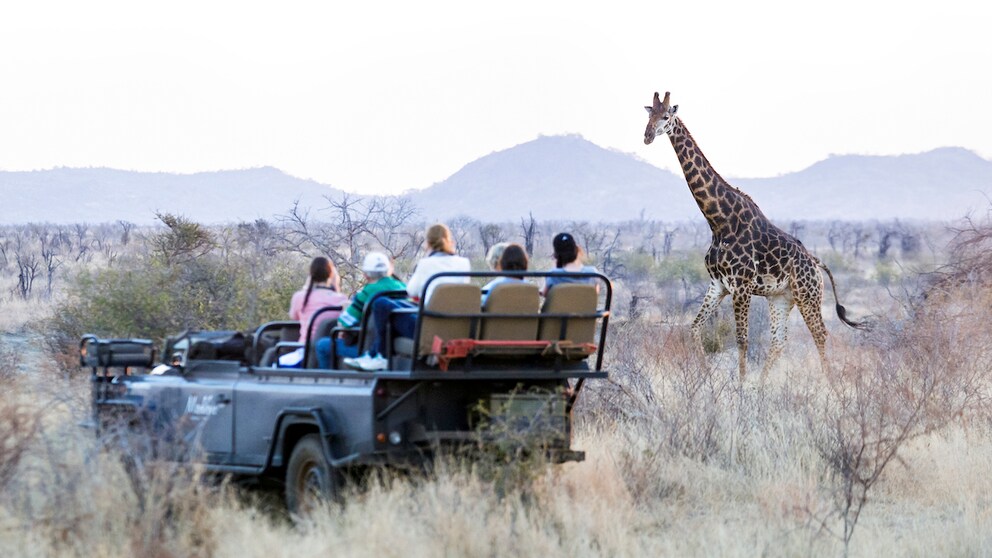
Those who want to experience Madikwe during a safari in South Africa can stay in one of the camps or lodges. Three- to five-day safaris are available. Like the safaris themselves, the accommodations in the wildlife reserve are also focused on sustainability and conservation. The accommodations range from simpler, more affordable camps and lodges to luxury accommodations with pools and views of a lit waterhole. According to the Madikwe Game Reserve information page, the accommodations also have thematic differences, allowing visitors to choose between family-friendly, romantic, and business-oriented places to stay, some of which offer spa services. Safari weddings can also be organized here.
Methodology for the TRAVELBOOK AWARD
We say it every year: All nominated regions, countries, and others for the TRAVELBOOK Award are already winners. Even if they didn’t achieve overall victory. This also applies to the Madikwe Reserve in South Africa. Because: Every country had already made it to the shortlist in advance, meaning it was selected from a large number of contenders in a category.
The TRAVELBOOK editorial team asked the community on Facebook and Instagram for help and consulted experts from the travel industry to create the shortlist. TRAVELBOOK readers then cast nearly 150,000 votes and chose their trend travel destinations for 2026.