

September 24, 2025, 6:12 am | Read time: 4 minutes
The Pantanal in Brazil is one of the most fascinating wetlands in the world. It is also one of the destinations that readers voted into the top 5 best travel destinations for a sustainable safari at this year’s TRAVELBOOK Award 2025. Find out what makes the Pantanal National Park so special here.
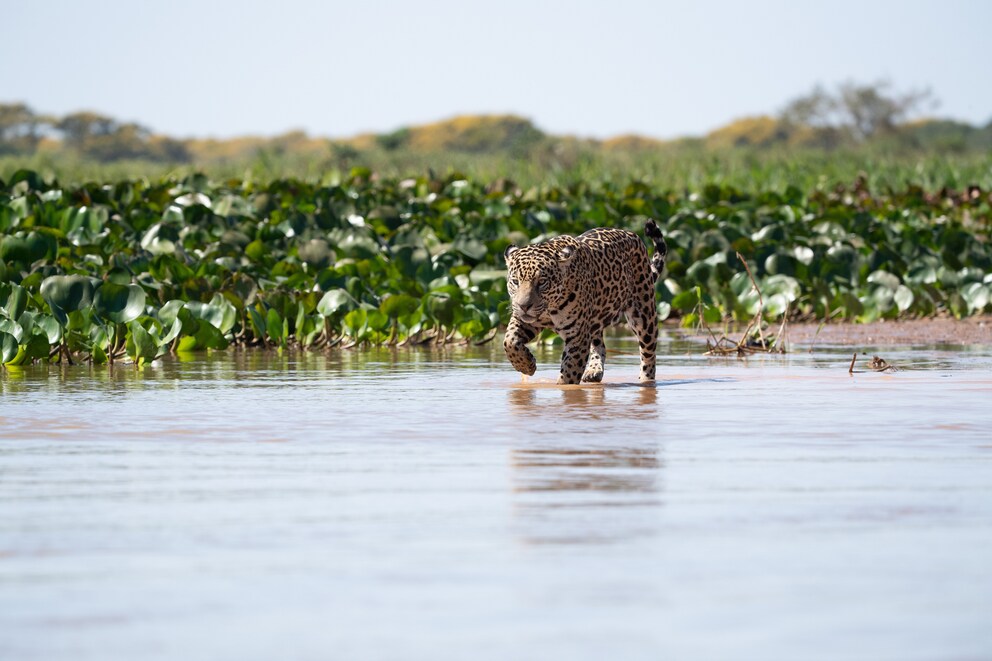
The answer is as complex as the world’s largest inland wetland itself—and for wildcat enthusiasts, it can be summed up in one word: jaguars. In Brazil’s Pantanal National Park, you can experience this big cat, of which there are only 15,000 to 20,000 worldwide, in its natural habitat, as it is home to one of the largest populations globally. Consequently, many safaris in the biosphere reserve focus on encounters with this predator, considered the largest in the Americas.
Overview
Jaguar, Puma, Alligator, and More
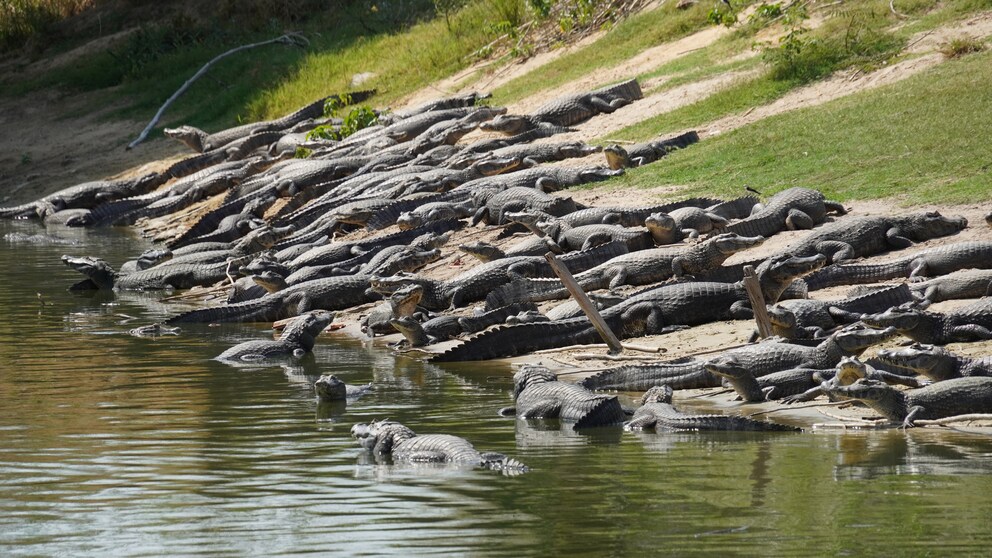
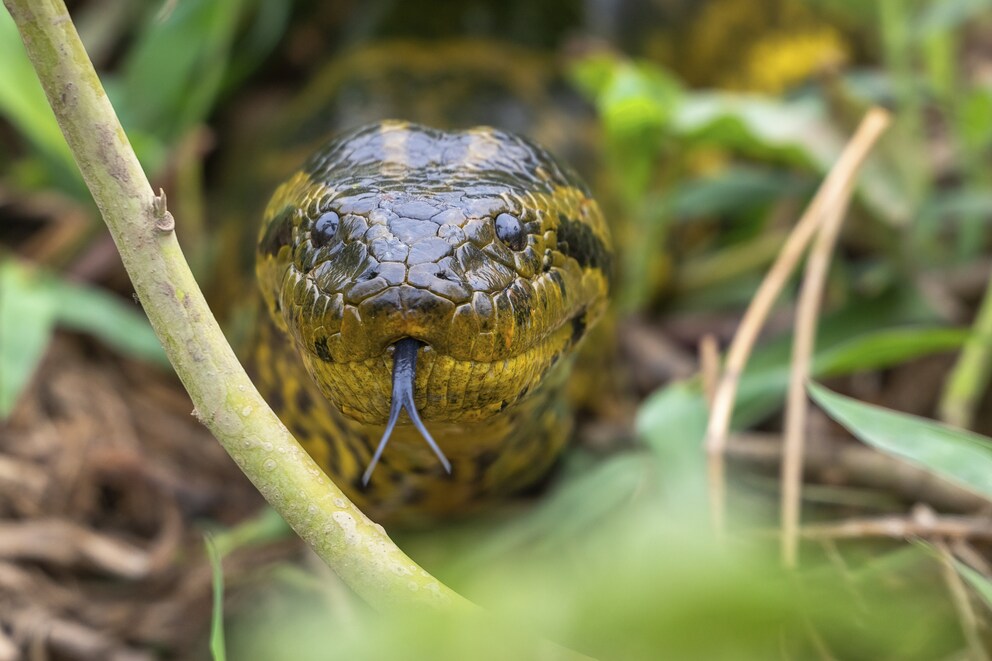
Jaguars are just one of many fascinating species you can encounter in the Pantanal. Their neighbors include millions of alligators, Pantanal deer, several monkey species, capybaras, pumas, otters, anacondas, the jabiru stork, and many other animals. Additionally, the Pantanal National Park in Brazil is home to hundreds of bird species, including numerous hyacinth macaws. There are also many fish species, such as piranhas and giant catfish.
The Pantanal in Brazil
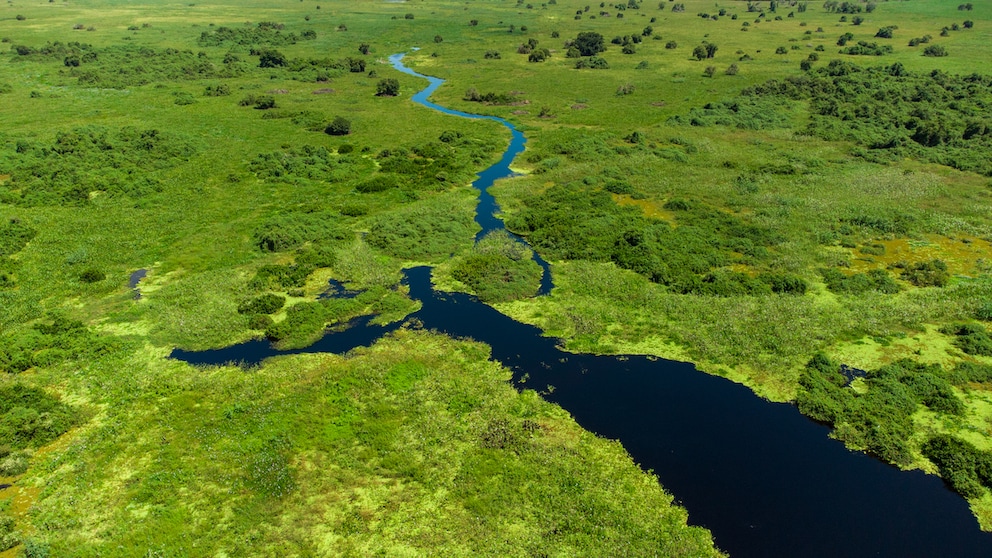
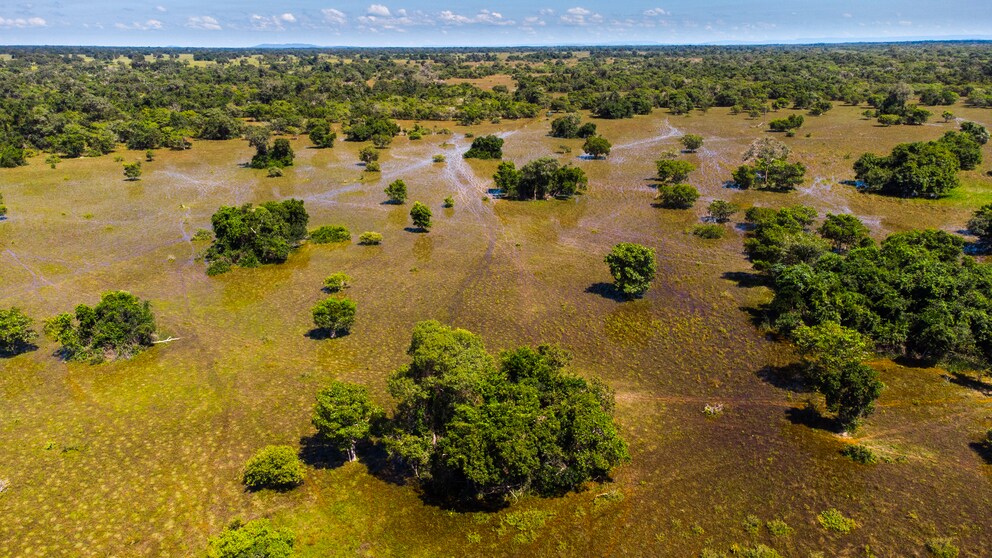
All these animals live in an area in western Brazil named after the Portuguese word for swamp, pântano. The Pantanal Matogrossense National Park covers about 1,350 square kilometers of the vast floodplain, which is estimated to be between 1,800 and 2,300 square kilometers in total (depending on the source). Most of the Pantanal is located in Brazil’s Mato Grosso do Sul state, but it also extends into neighboring Mato Grosso, as well as Bolivia and Paraguay.
According to the information site brasilien.de, the Pantanal consists of three ecozones. In the north, it comprises dense Amazon jungle; the south is dominated by dry forest known as “Chaco,” and the east is mostly savanna-like landscapes. The Pantanal, sometimes referred to as the world’s largest sponge, is characterized by swamps and forests. Depending on the rainy or dry season, the grass and forest landscapes of the Pantanal are flooded. The rainy season in the Brazilian region lasts from November to March. During this time, the tributaries of the Río Paraguay back up and flood the area. According to the Brazil information site, it is “the constant rising and falling of water levels” that ensures the survival of many animal species on the site. The nutrients brought in by the water are another reason for “the unique, diverse wildlife in the Pantanal.”
Also of interest: The 5 Best Travel Destinations in the World for a Sustainable Safari Overview

Vote Now! This Is the Best Destination in the World for a Sustainable Safari
Botswana’s Okavango Delta is the world’s best destination for a sustainable safari
Sustainable Safaris in the Pantanal in Brazil
Those looking to embark on a safari in the lush wetland have a variety of options. Some focus on sustainability and aim to minimize their impact on wildlife and the environment. For example, jaguars are gradually accustomed to safari vehicles. To avoid disturbing the animals, the Pantanal is often explored on horseback or on foot, or through boat tours in the intricate canal system. Visitors can stay in traditional lodges, such as eco-friendly designed eco-lodges, along the riverbank. Alternatively, they can sleep amidst the wildlife in a floating hotel on the water. To enhance environmental protection and create jobs in local communities, local people are involved in the sustainability-focused offerings.
Methodology for the TRAVELBOOK AWARD
We say it every year: All nominated regions, countries, and more for the TRAVELBOOK Award are already winners. Even if they didn’t achieve overall victory. This also applies to the Pantanal in Brazil. Because: Every country has already made it to the shortlist in advance, meaning it was selected from a large number of contenders in a category.
The TRAVELBOOK editorial team sought help from the community on Facebook and Instagram and consulted experts from the travel industry to create the shortlist. TRAVELBOOK readers then cast nearly 150,000 votes and chose their trend travel destinations for 2026.