

October 9, 2026, 2:55 pm | Read time: 11 minutes
Vacation is often planned like a small project: secure accommodations, set the route, save restaurants, research parking spots. As early as possible, as thoroughly as possible, with as few surprises as possible. Many people love just that: planning as anticipation for the trip. However, our author is not one of them. This carries some risks but also benefits, as he discovered on his spontaneous road trip to the Dolomites.
Admittedly, I’ve never ventured into the world completely without a plan. But this time, it was uncertain until shortly before whether I could even start my two-week vacation. So, I didn’t do much research, planning, or booking. It was only a day before departure that it became clear: I’m going. So, in early September, I packed my camping gear and some clothes for two weeks into the car. I had a rough destination in mind that had been on my to-visit list for years: the Dolomites. And maybe Slovenia afterward. My spontaneous road trip could begin.
Camping if Necessary
The camping gear was mainly intended for emergencies, in case I couldn’t find affordable accommodations on short notice. With a two-person tent, you can usually set up camp somewhere on any campsite–or so I thought. But more on that later.
Before I set off, I first checked the map app: It predicted at least ten hours of pure driving time from Berlin to the Dolomites without breaks. But a road trip isn’t about getting from A to B as quickly as possible; it’s about enjoying the journey and experiencing as much as possible along the way. So, I decided to make a stopover in Innsbruck, as the Austrian city is directly on the route.
Then I quickly looked at accommodations in Innsbruck on Airbnb and Booking. Unsurprisingly, I found that the selection was sparse and expensive a day before arrival. Better options at more affordable prices are available if you expand the search radius. And so, I found a rustic accommodation with good value for money about 30 minutes by car from Innsbruck in the picturesque Stubai Valley.
Stay as Long as You Want!
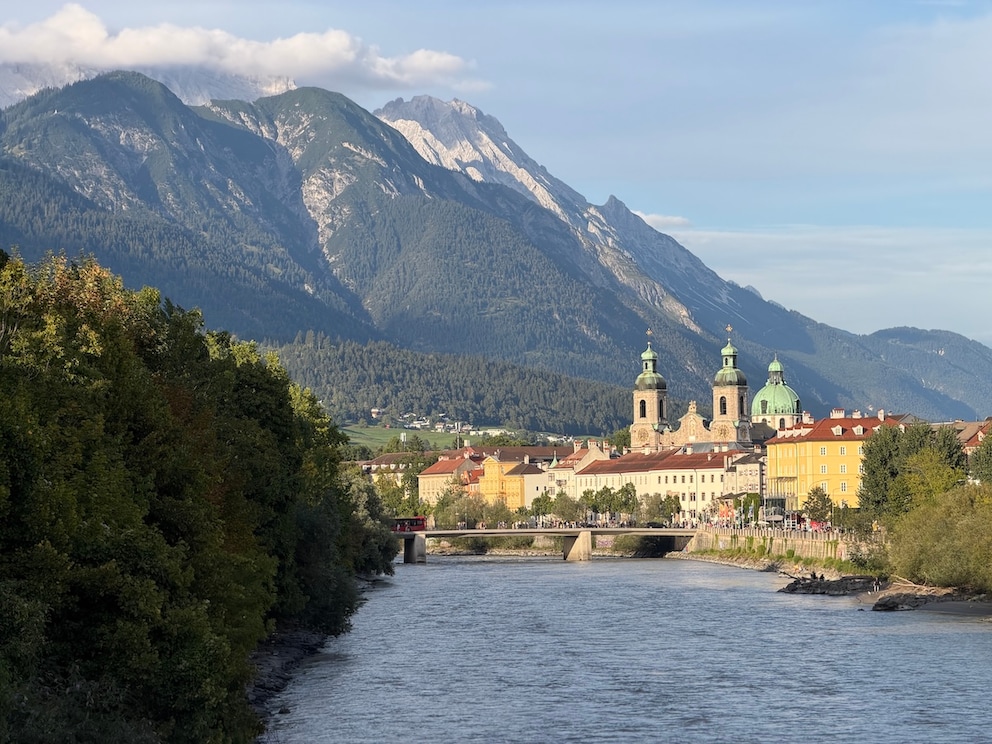
A spontaneous road trip has a big benefit: You can decide completely flexibly how long to stay in one place. And since the online images of the Stubai Valley looked promising, I booked two nights right away. The next morning, I left Berlin at 8:30 a.m. Surprisingly, I arrived in Innsbruck around 4 p.m.–and thus from flat Berlin directly into Austria’s mountainous landscape. The Berlin routine was quickly forgotten. It’s always fascinating how uplifting a change of location and scenery can be.
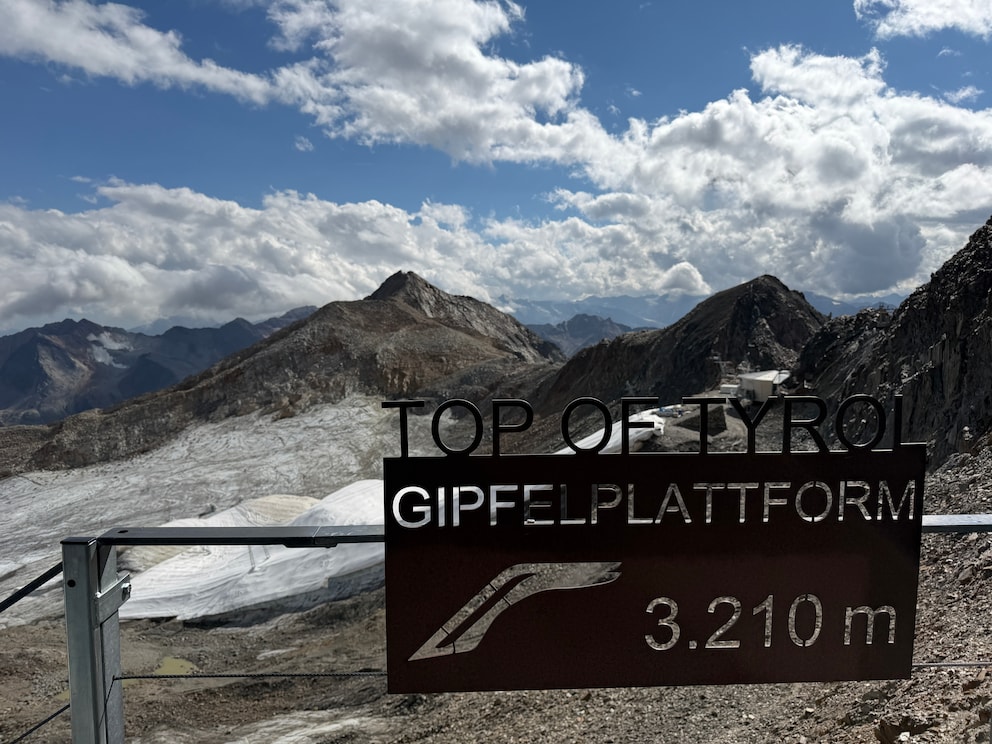
After sightseeing in the city, I went to the Stubai Valley for the night. I had kindly received a last-minute discount when booking. Upon arrival, I also got a free room upgrade, “since most rooms are free anyway,” as the owner generously announced. That’s one of the big benefits of vacationing outside the peak travel season. And so, I got two rooms with a kitchen and two balconies overlooking the mountains at half price. The vacation couldn’t start better. Included was the Stubai Super Card for overnight guests in the valley, allowing free use of the region’s cable cars. A big money saver! With it, I went to the Top of Tyrol viewing platform (3,210 meters high) and popular hiking routes like the Panoramaweg or the WildeWasserWeg for zero euros.
Now to the Dolomites
After two days in Tyrol, I continued to the Dolomites, the actual destination of the spontaneous road trip. Here, too, I used my map app to search for strategically well-located accommodations. This time, it was campsites. After all, what could be better than waking up in the mountains? And it’s cheaper than any other type of lodging. I mainly relied on user reviews for the selection and ultimately chose Camping Miravalle in Val di Fassa. I had to check in there by 7 p.m. at the latest.
At exactly 6:30 p.m., I stood at the campsite reception with a 30-minute buffer. It didn’t help me. The receptionist asked me in fluent German, “Do you have a reservation?” I replied, “No. But I only need a small tent site.” She was sorry, but they were fully booked. The many ADAC star awards hanging on the wall behind her apparently attract many campers even outside the peak season. She reassured me, “But you can try next door at Camping Marmolada.”
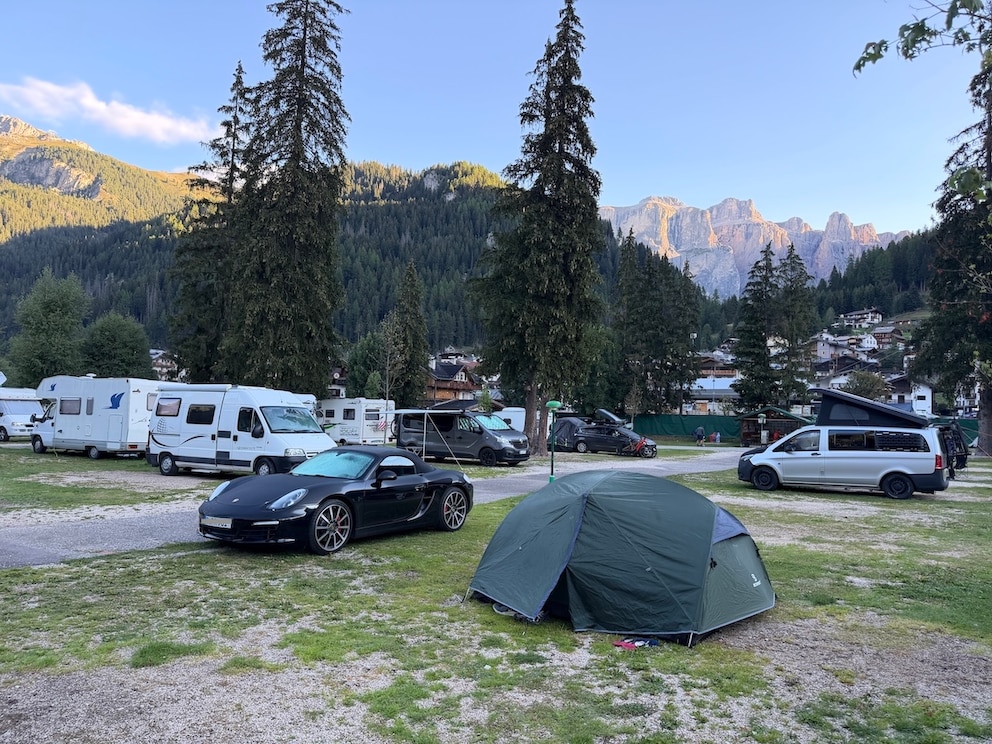
Disappointed, I got back in the car and drove five minutes further to Camping Marmolada. By the way, it’s not named after a fruit spread but after the mountain massif of the same name in the Dolomites. Upon arrival, there were no ADAC awards on the reception walls. However, I was immediately assigned a tent site. Unfortunately, it was on rocky ground, so the tent pegs could only be driven halfway into the ground with great effort. My extra-thick inflatable sleeping mat made the rocky ground sleepable. Ultimately, I was glad to have found a tent site before nightfall. And so, despite the modest facilities, I stayed for three nights.
A Climb Always Leads to a Reward
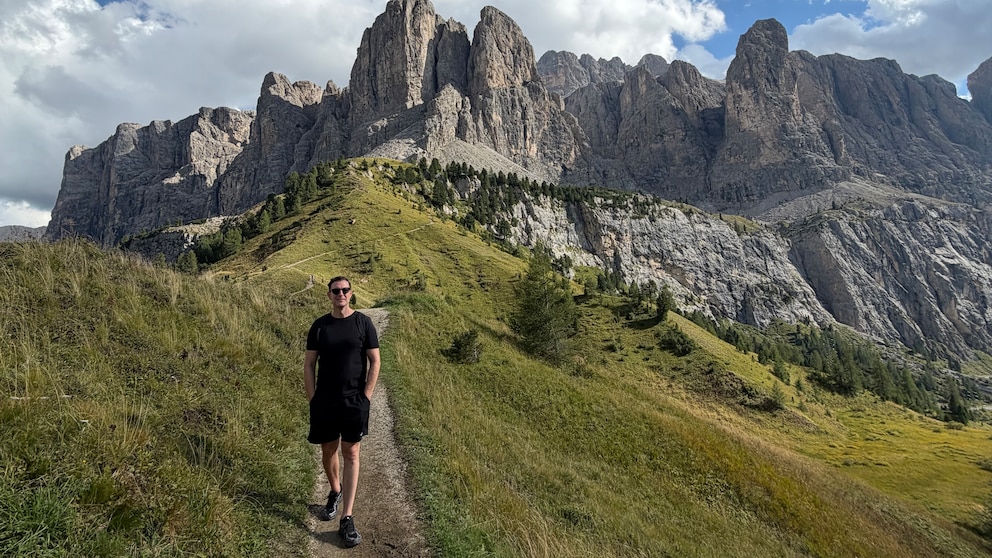
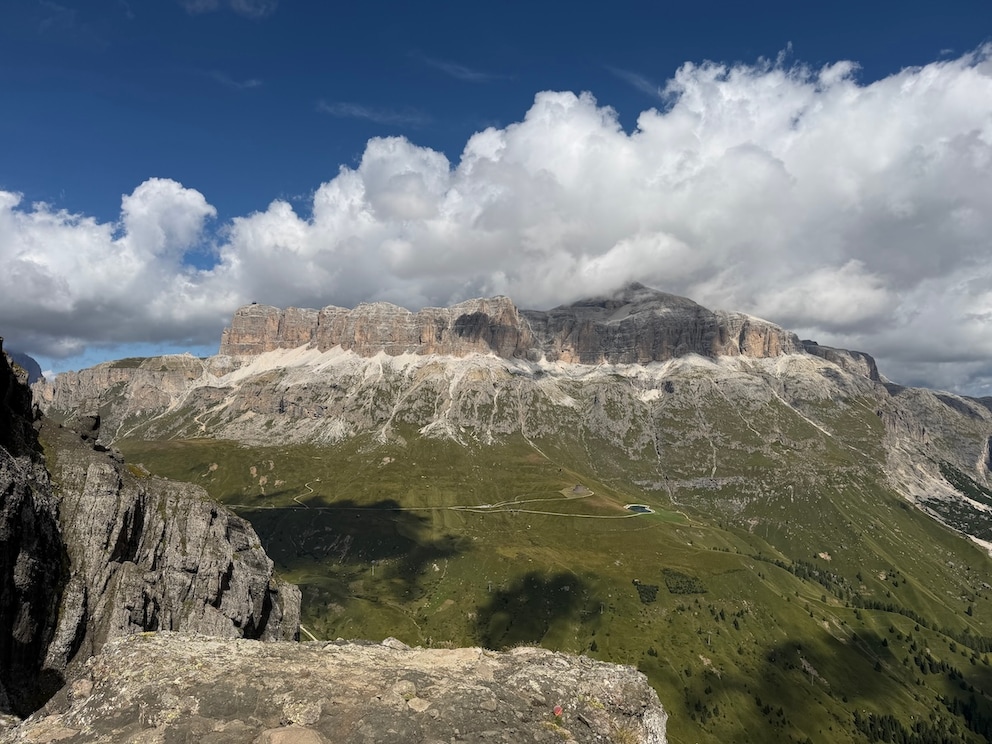
If you enjoy hiking and driving on picturesque mountain passes, you’ll love the area around Piz Boè, the highest peak of the Sella group. You can practically drive in a circle around the massif from one viewpoint to the next, such as Sellajoch, Grödner Joch, and Pordoijoch. You can spend several days in this area and discover something new each time.
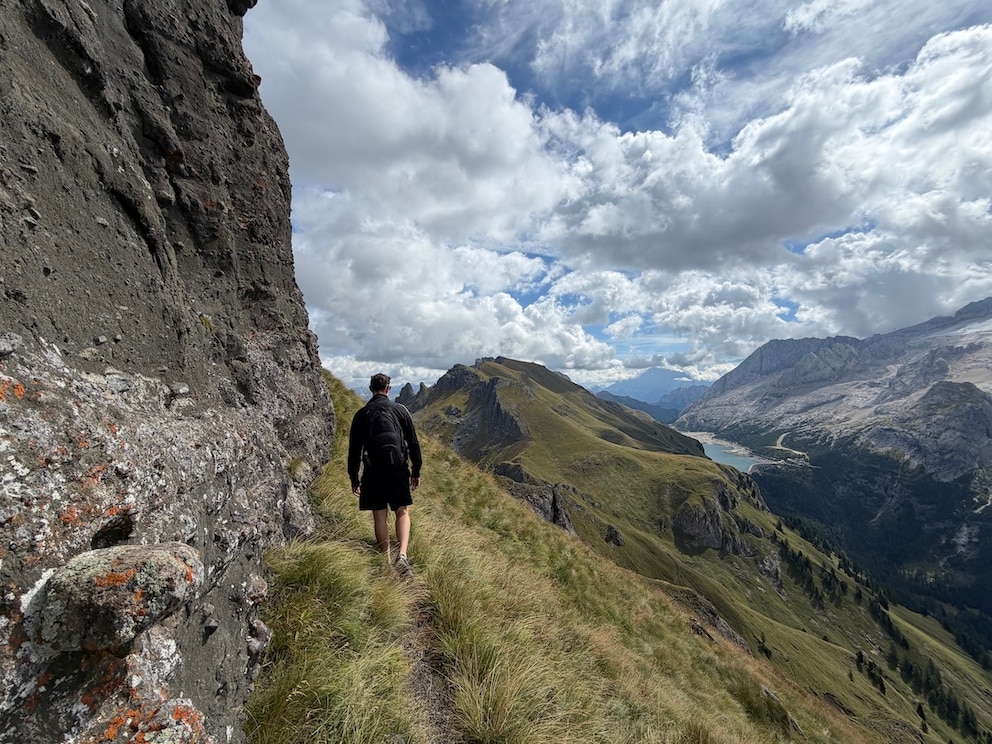
From Pordoijoch, the beautiful panoramic hike Viel dal Pan (Bindelweg) runs at over 2,000 meters altitude. Another highly recommended panoramic hike starts a bit further east at Passo Falzarego near Lago Limides. From here, the trail 441 leads to the Cinque Torri, the five iconic rock towers. The hike is more challenging but worth every step and climb!
Don’t Forget the Mountain Lakes!
If you’re driving in the Dolomites, you should take a look at one of the turquoise lakes in between. You can even combine this into a tour by visiting Lago di Misurina and Lago di Landro, for example. At Lago di Landro, there’s also a beautiful view of the Tre Cime di Lavaredo. This way, you can skip the trip to the top attraction Pragser Wildsee (Lago di Braies) if you don’t want to pay 44 euros for access to the lake during peak season.
Instead, make a detour to Lago di Carezza (Karersee). Here, too, you’ll find postcard-perfect scenes if you park in the adjacent paid parking lot. A small tip: Many parking tickets can also be booked with the EasyPark app. The big advantage: If you want to hike or linger longer somewhere, you can conveniently extend the parking time via the app instead of rushing back to the car.
I was surprised at how busy the Dolomites still are from early to mid-September. Many campers from Germany and Italy explore this rugged mountain landscape. You can’t blame them. Despite the many tourists, the prices in restaurants and cafes are still reasonable and roughly on par with German levels.
If Dolomites, Then Slovenia Too
But my journey wasn’t meant to end in the Dolomites. Slovenia had long been on my to-visit list. Conveniently, it’s a maximum of four hours’ drive from the Dolomites to the Slovenian border, depending on the route. The best part: You’re also at the Adriatic coast, where Slovenia has the smallest stretch compared to Italy and Croatia. The entire coastline is less than 50 kilometers. But that doesn’t mean there’s nothing to see and do. Quite the opposite.
First, though, you need accommodations. Again, it’s worth checking the usual accommodation apps to get an overview. The selection was sobering: Many accommodations were relatively expensive or didn’t make a good impression. The campsites aren’t among the best on the Adriatic either. But there’s still Trieste. The Italian port city is almost directly on the border with Slovenia. It offers a wide range of beautiful and affordable accommodations. Plus, you have the opportunity to discover one of those Italian cities you wouldn’t otherwise specifically target. So, I booked an apartment in an old Italian villa in Trieste for four nights.
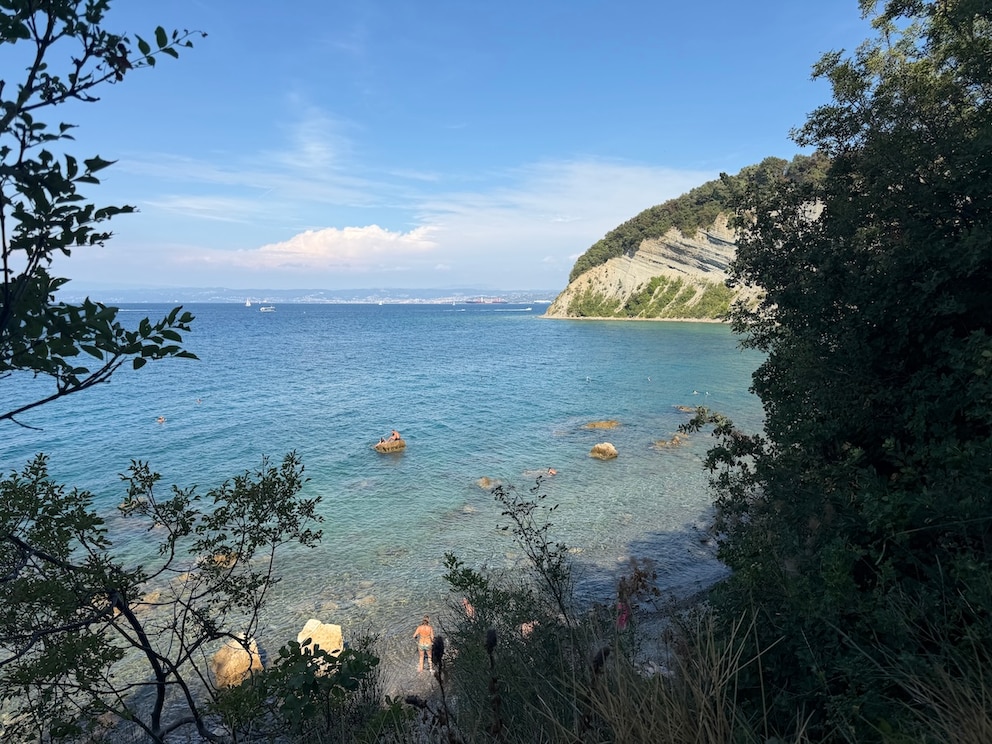
During the day, I explored the Slovenian coast with the cities of Koper, Izola, and Piran from Trieste, and in the evening, I enjoyed the flair of the port city. Especially the area around the Canal Grande di Trieste, the Barriera Nuova, and the lively neighborhood at Museo Revoltella come alive in the evenings. The next day, I returned to the Slovenian Adriatic coast to one of the beaches with crystal-clear water. Just don’t expect fine sand here, as the coast is rocky–ideal for snorkeling!
Ljubljana and Bled Are Tourist Magnets for a Reason
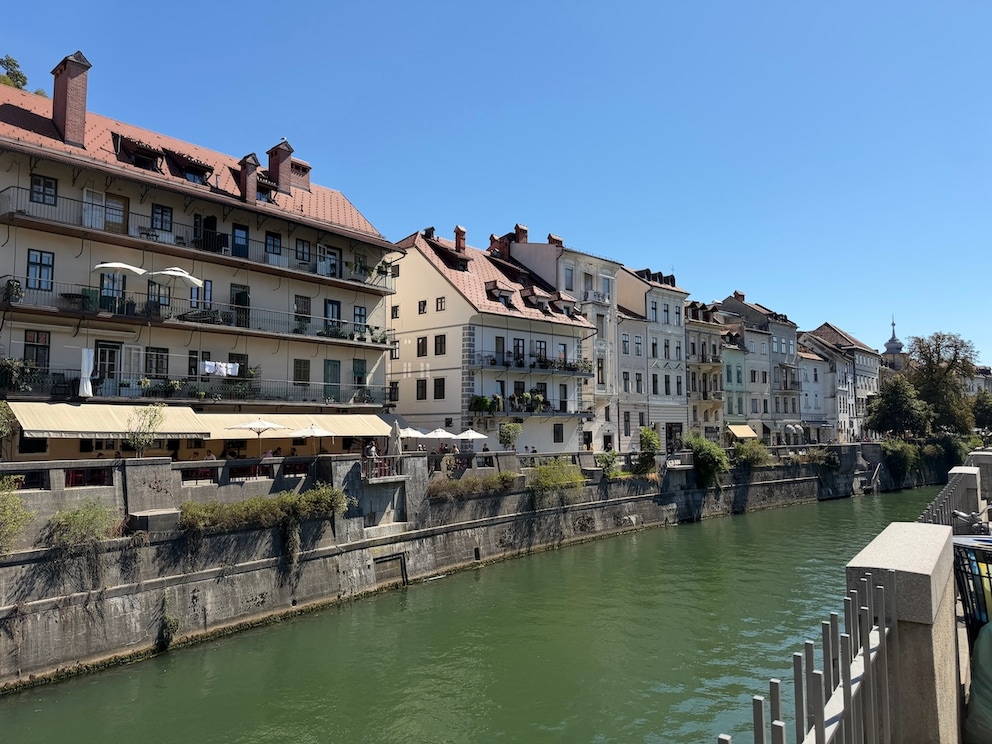
In fact, two to four days are enough to explore the Slovenian coast. So, I went directly from Trieste to Ljubljana, which is less than 1.5 hours by car. The city is no longer a hidden gem, so it was no surprise to see many international tourists here. Especially along the water, cafes, bars, and restaurants line up in the old town. No wonder, as the city is truly worth seeing. Nevertheless, I chose accommodations outside the city. It was 15 minutes by car in the village of Pijava Gorica. Here, I enjoyed rural charm with morning coffee on the terrace and views of the neighboring towns from above.
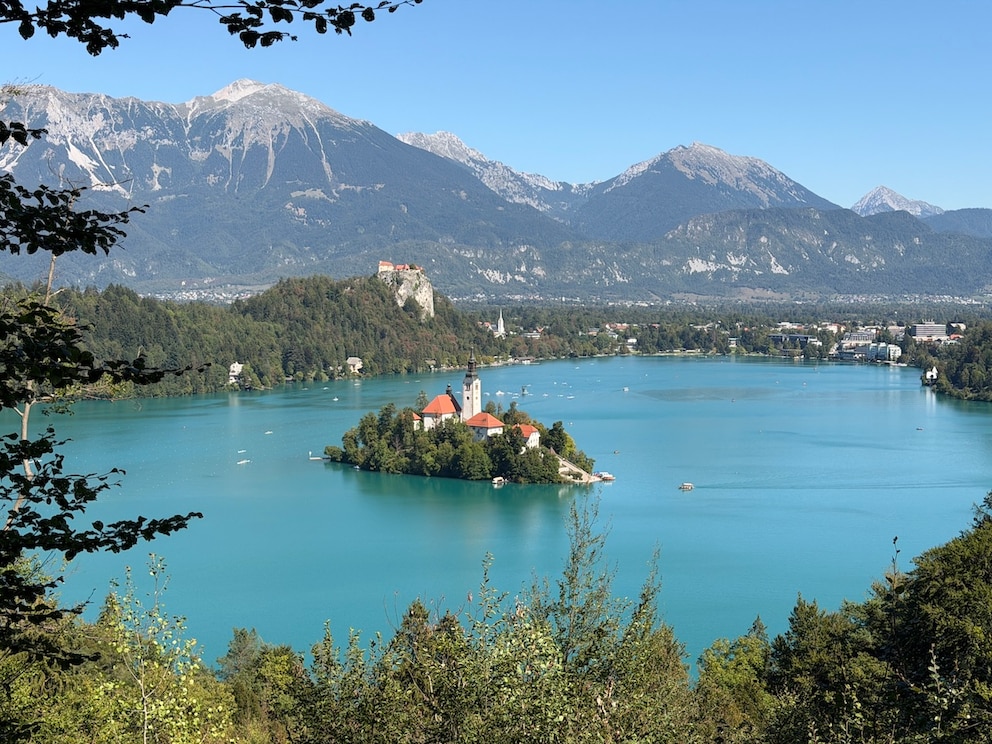
Of course, you shouldn’t miss the country’s biggest attraction: Lake Bled. It’s surrounded by a mountain landscape with white peaks, while the Church of the Assumption sits on an island in the middle of the lake. And the best part: You can still swim in the mountain lake. The price for that: parking fees of up to 6 euros per hour. If you want some privacy and peace, you’ll find Lake Bohinj a bit further away. The lake is large enough that you can find a small bay all to yourself. And scenically, you’re even closer to the mountains, some of which rise over 2,000 meters high.
These European Campgrounds Attract the Most Tourists
7 lakes in Trentino that are as beautiful as Lake Garda
Bad Weather? No Problem. Just Keep Driving
The weather is usually the biggest risk factor on a trip. I had almost two weeks of continuous sunshine and around 30 degrees Celsius. It couldn’t get much better. But two days before the end of the trip, the weather turned, and it was supposed to rain for two days in Slovenia. Just on the days I wanted to hike in the mountains. Instead of spending two days in the rain, I spontaneously decided to head to the Czech Republic, as it was on the way to Berlin and the rain front was supposed to pass south of it.
And so, I ended up in Krumau an der Moldau (Český Krumlov), a medieval town I had never heard of before. Yet, after Prague, it’s probably the biggest attraction in the Czech Republic. During the day, entire tour buses and private transfers come from Prague to visit this uniquely beautiful old town. But it only reveals its full charm at night when most visitors have left, and you suddenly find yourself alone in the medieval alleys and around the impressive castle complex, with the sound of the Vltava River everywhere. So, I experienced the biggest surprise of my trip at the very end with a completely unplanned stopover in a town like I had never seen before.
Conclusion: Traveling Unplanned Works Well Too
A spontaneous road trip isn’t that difficult. The important thing is to have a rough destination in mind and to be flexible and creative when looking for accommodations. Sometimes it doesn’t work out with the accommodation you want, or you miss a sight. But in the end, these are all just minor details–and they make a road trip so exciting and full of surprises. Even though it seems obvious today, it might still be worth mentioning: The most important tool on such a trip is the smartphone with mobile internet. Fortunately, roaming charges in the EU are no longer an issue. With it, you can search for accommodations, the best sights, the most beautiful hiking routes, and parking options anywhere–and, of course, find your way back home. After about 3,200 kilometers, I can only say: Next year again! Where to? No idea. I’ll decide spontaneously.