

April 6, 2024, 12:55 pm | Read time: 8 minutes
Numerous cities full of cultural, architectural, and archaeological highlights, a stunning coastline with beautiful beaches and idyllic fishing villages–if you’re planning a vacation in Italy, you’re spoiled for choice on where to go. Why not see a bit of everything on a road trip through the country? TRAVELBOOK author Francesco Marino has put together a route that takes you around the boot in about two weeks.
Starting from Rome, the journey heads south, past Naples along the beautiful Amalfi Coast to Tropea in Calabria, then on to the heel of the boot in Apulia, from where it goes along the Adriatic coast back north to notable cities like Urbino, Verona, and Bologna. The centuries-old coastal villages on the Italian Riviera are also on this road trip itinerary through Italy, as is Tuscany with its medieval towns.
For more inspiration on Italy and individual places from this article, check out our special podcast episode In 5 Minutes Around the World:
Road Trip Through Italy–The Stops at a Glance
Overview
Start and End Point: Rome
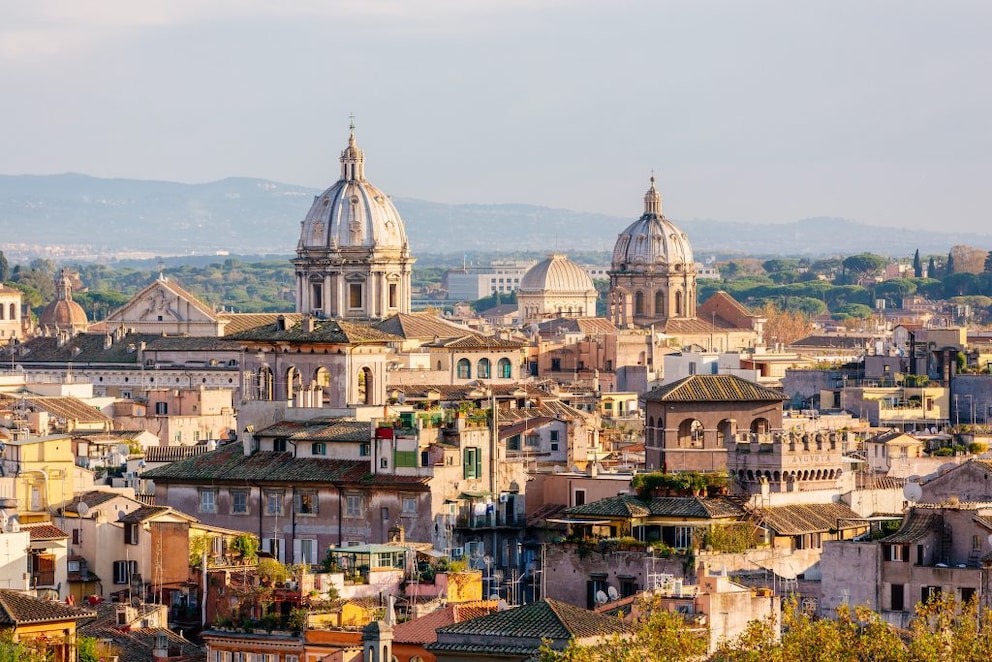
If you’re traveling with your own car, you should start the road trip in Verona. Otherwise, I recommend Rome as the start and end point. You can never see enough of the città eterna, the “Eternal City,” with its unique history and architecture. Additionally, Italy’s capital has two airports, so you’re sure to find an affordable flight. Both in Ciampino (served by Ryanair and Wizz Air, among others) and at the main airport in Fiumicino, you can conveniently rent a car, though I strongly advise against driving in Rome’s center–it’s too chaotic! Instead, consider renting the car after exploring the city or parking it in the coastal suburb of Lido di Ostia. From there, the Roma-Lido train line runs to Ostiense station at Porta San Paolo, with a direct connection to the subway that takes you right into the center.
Also interesting: 14 Things to Avoid in Rome
You should plan at least two days to explore Rome, preferably three. The good news: Rome’s historic center is large but can be easily explored on foot with comfortable shoes. An ideal starting point for a first tour is the Spanish Steps, as you can quickly reach other attractions like the Trevi Fountain, the Pantheon, Piazza Navona, the Roman Forum, the Colosseum, and St. Peter’s Square. For those who prefer authenticity, we’ve also compiled some insider tips for Rome.
Also interesting: 8 Things to See and Do in the Aosta Valley
Naples
On the way to Naples, you should definitely make a detour to Castel Gandolfo, about a 40-minute drive south of Rome. The village, above Lake Albano, is famous as the summer residence where popes have vacationed for centuries. It also has a small, charming old town.
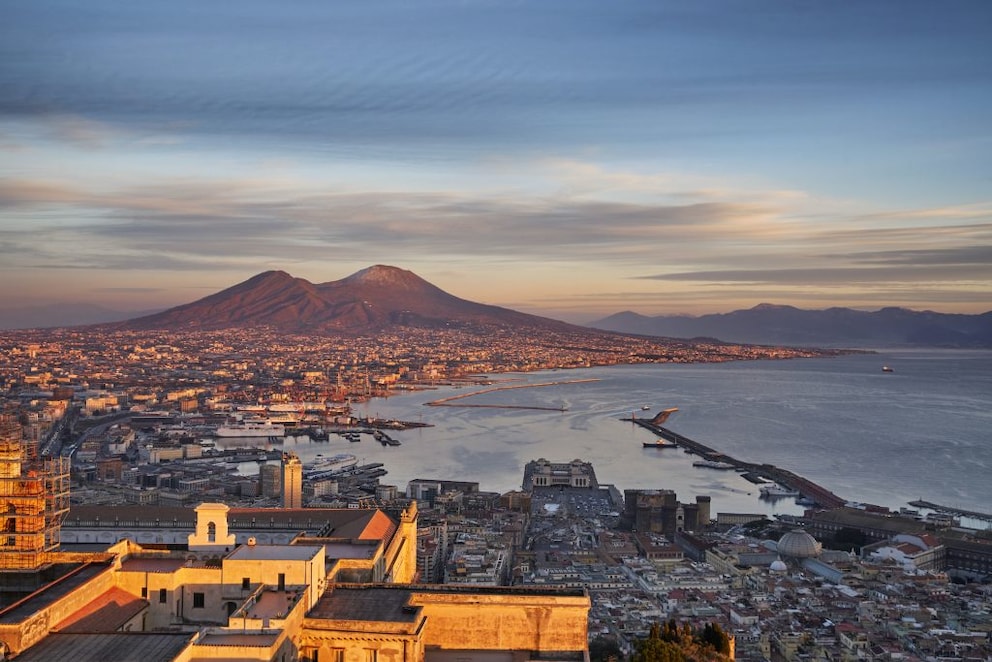
Then continue south on the A1, a drive of about two and a half hours. Naples, the picturesque city at the foot of Mount Vesuvius, is famous for its slightly chaotic vibrancy and the joie de vivre of its residents. You can’t leave the birthplace of pizza without trying one. Get ready; it will be the best pizza you’ve ever had! Not for nothing was Neapolitan pizza recently added to UNESCO’s cultural heritage. From Naples, a trip to the ruins of the ancient city of Pompeii is also worthwhile, buried by a devastating eruption of Vesuvius in 79 A.D.
Tropea
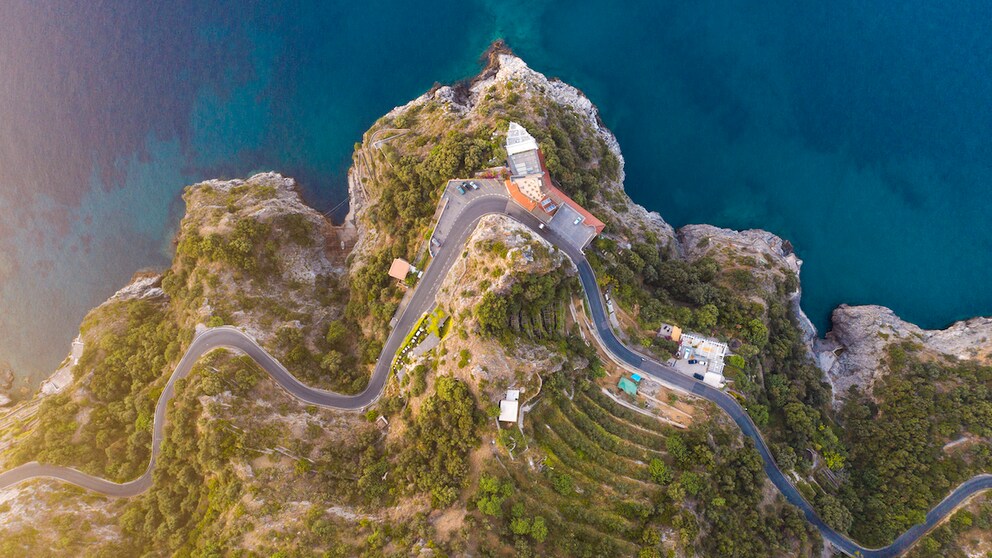
The journey south continues along the legendary SS163, probably Italy’s most beautiful scenic road. The so-called Amalfitana, which connects the Gulf of Naples and the Gulf of Salerno, is about 40 kilometers long and offers breathtaking views of the sea and coast. After driving on the highway (most Italian highways are toll roads) through several national parks, we finally reach the region that forms the tip of the Italian boot: Calabria.
Also interesting: Tropea in Calabria–a paradise in mafia land
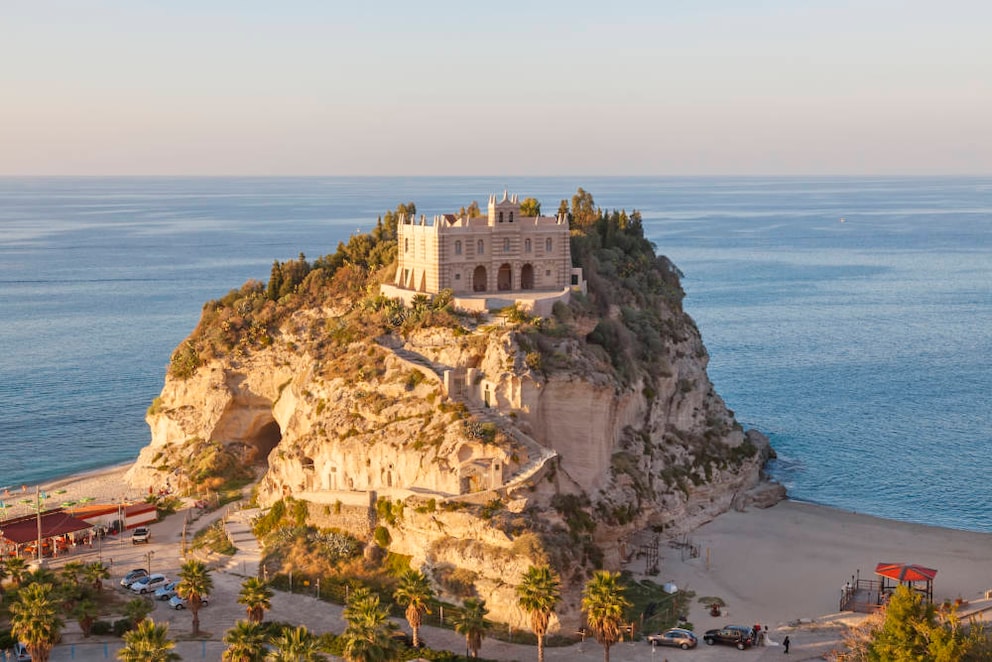
The coasts and beaches of the Tyrrhenian side of Calabria are simply indescribable. Tropea is one of the most popular seaside resorts in Calabria and is ideal for those who love sandy beaches. Here you can enjoy sunny days, a gentle sea breeze, crystal-clear dream water, and delicious food. Tropea is also the perfect place for divers and snorkelers.
Lecce
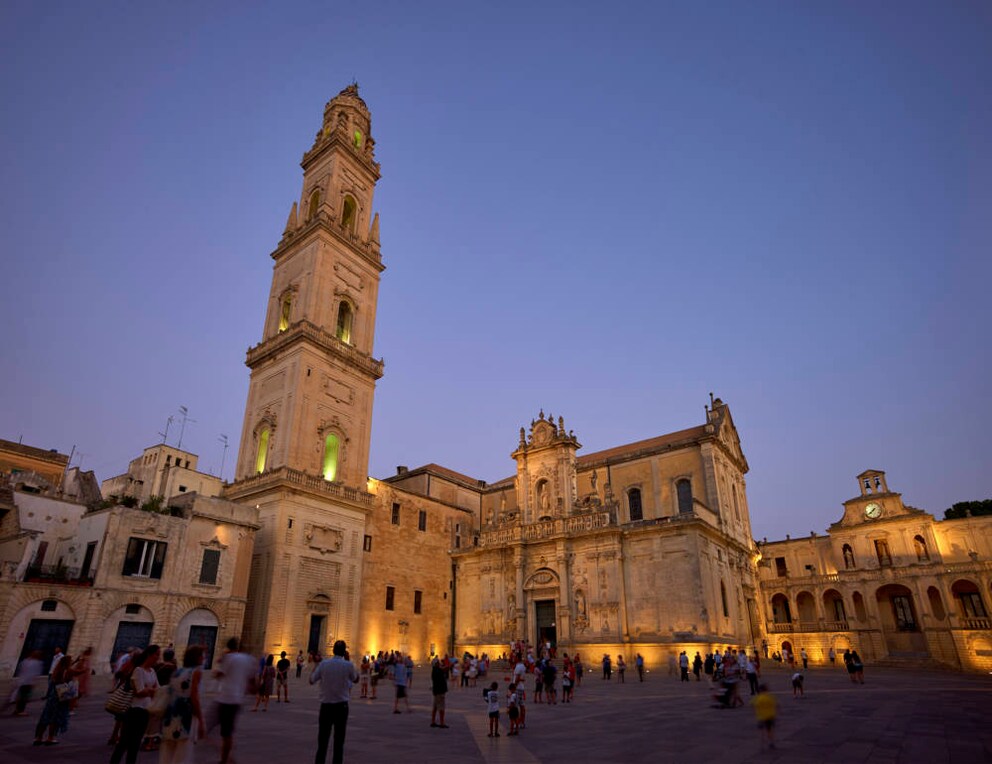
Continuing the journey, we cross Calabria, first heading north towards Salento and then turning towards Lecce. The capital of the Apulia region is often called the “Florence of the South” because of its artistic heritage and magnificent Baroque buildings. In Lecce, you can relax, eat fresh fish, and drink delicious wine. Additionally, there are some wonderful beaches nearby.
Vieste
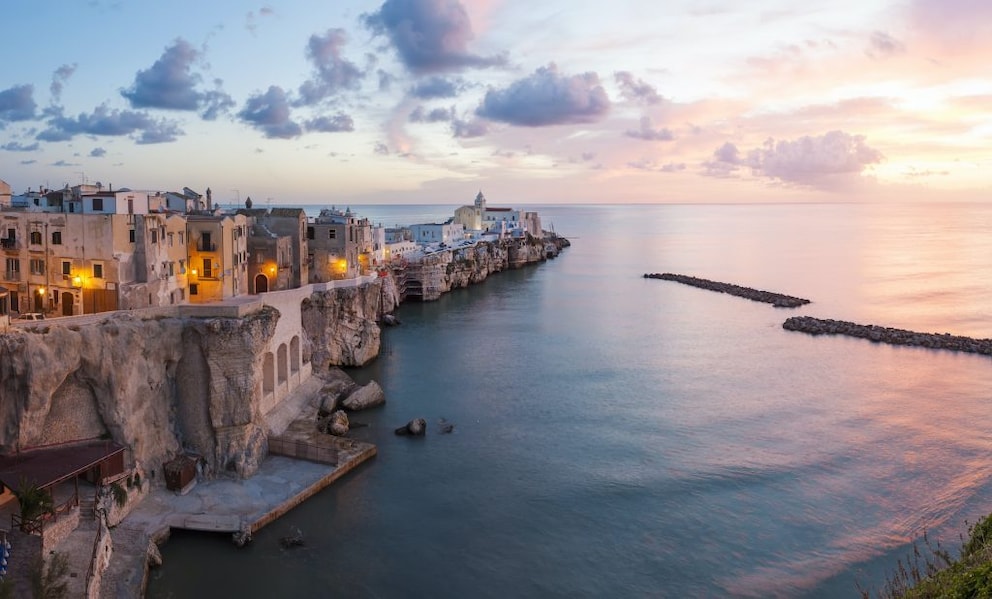
As a stopover on the long drive between Lecce and Urbino, I chose the former fishing village of Vieste on the “spur” of the Italian boot for my road trip through Italy. The town is spectacularly built on rocks jutting into the water, where you can sit in a bar and watch the sunset.
Urbino
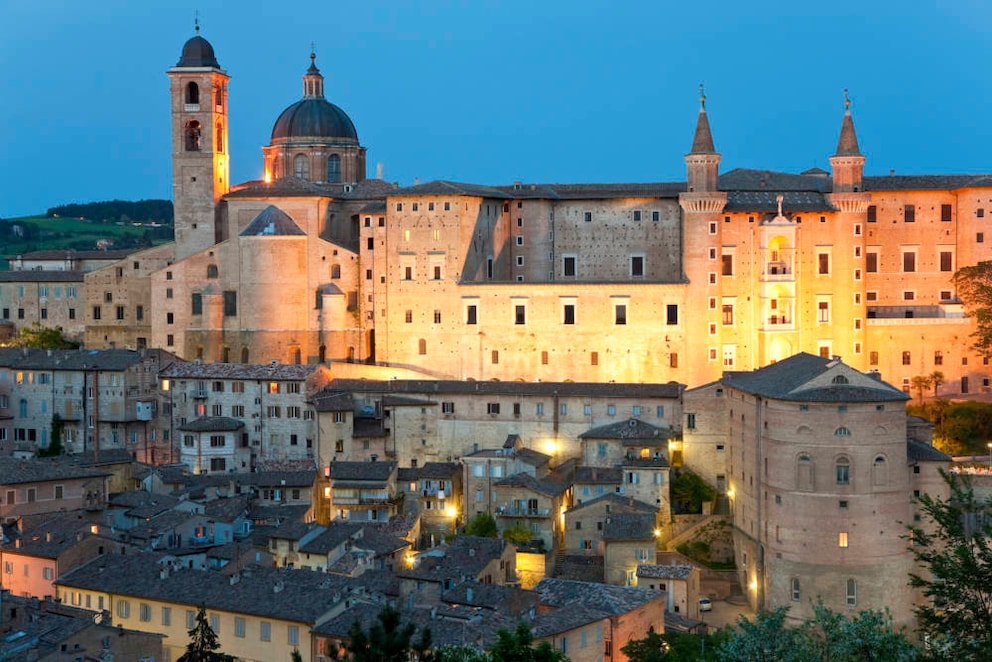
The next morning, we continue along the Adriatic coast northward. The next stop is Urbino in the Marche. The Marche is a region in central Italy with places full of charm, history, and tradition that played an important role in the Italian Renaissance. Urbino is a true gem of this region and is a UNESCO World Heritage Site due to its architecture and cultural history. The Palazzo Ducale is the city’s most significant building. Its slightly elevated location offers a breathtaking view of the surrounding countryside.
Bologna
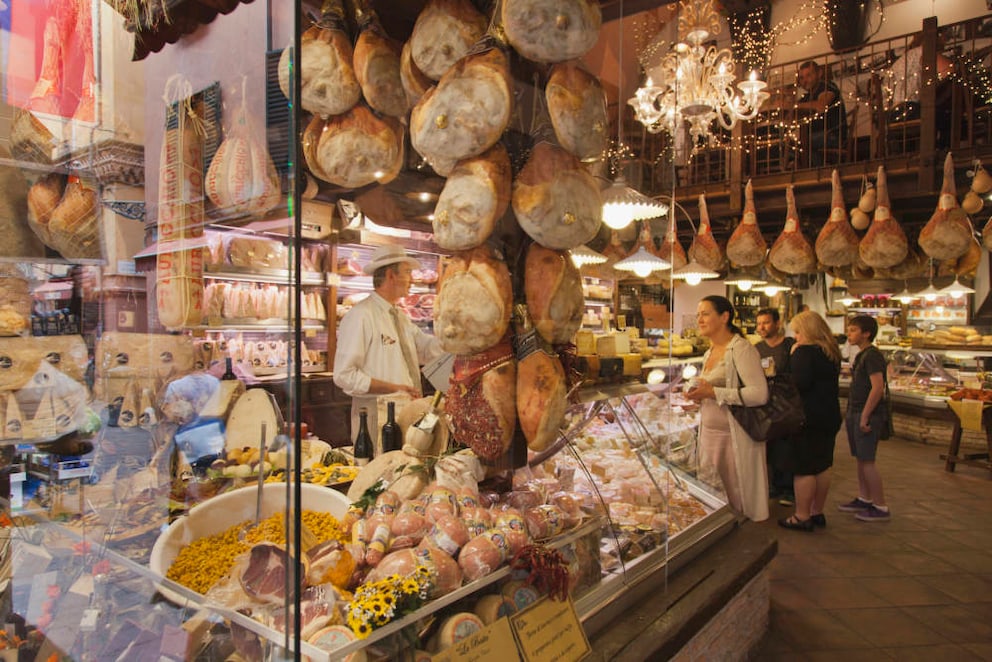
Only two hours from Urbino lies Bologna, the central hub in northern Italy on this trip. Bologna is often underestimated by tourists, yet it is a very dynamic and lively city that blends the tradition of the Emilia-Romagna region with the modernity of a very international audience. The center is a true example of medieval beauty with narrow streets hiding boutiques, trattorias, and characteristic bars. Additionally, the best food in the world comes from Emilia-Romagna–Parmesan, Parma ham, Bolognese, Mortadella, to name a few. In small shops, all kinds of pasta are offered, whole hams hang from the ceilings, and shelves are stacked with cheese wheels. The “Torre degli asinelli” (in English, “the donkey tower”) is the city’s landmark. You should plan two days for Bologna.
Verona
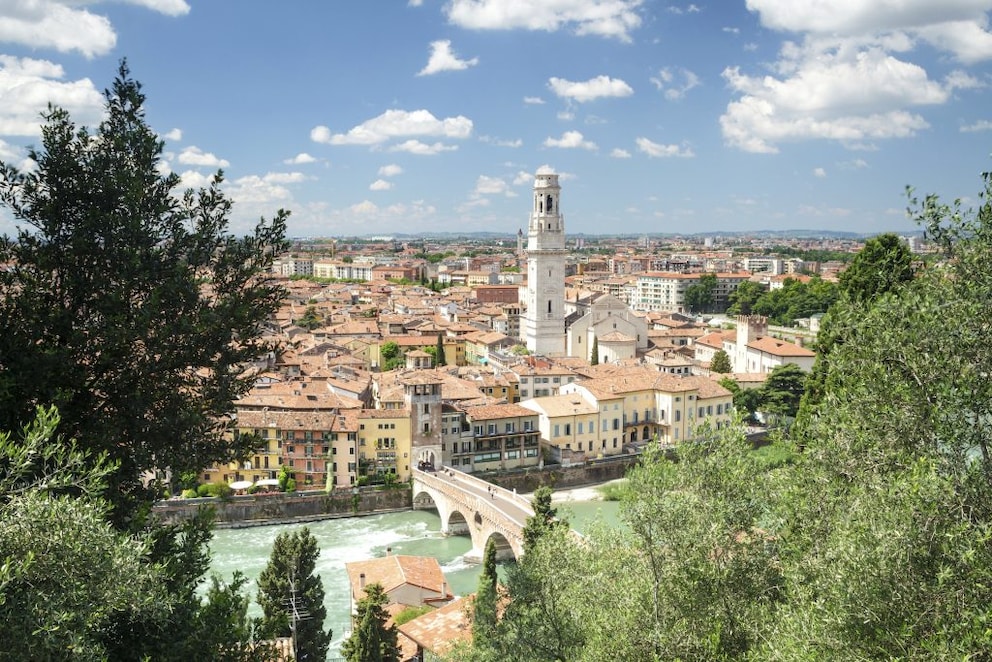
Next, we head to the Veneto region… but not to Venice! We’ve deliberately left out the city of canals, gondolas, and bridges on this road trip since you can’t drive into it anyway. If you have enough time and have never been to Venice, you shouldn’t miss a detour there. Otherwise, Verona, the city of Baroque architecture and the setting of the drama of Romeo and Juliet, is a good alternative, as it is less expensive and less chaotic but still has a lot to offer. If possible, get tickets for a concert in the Arena of Verona–an unforgettable experience.
Cinque Terre
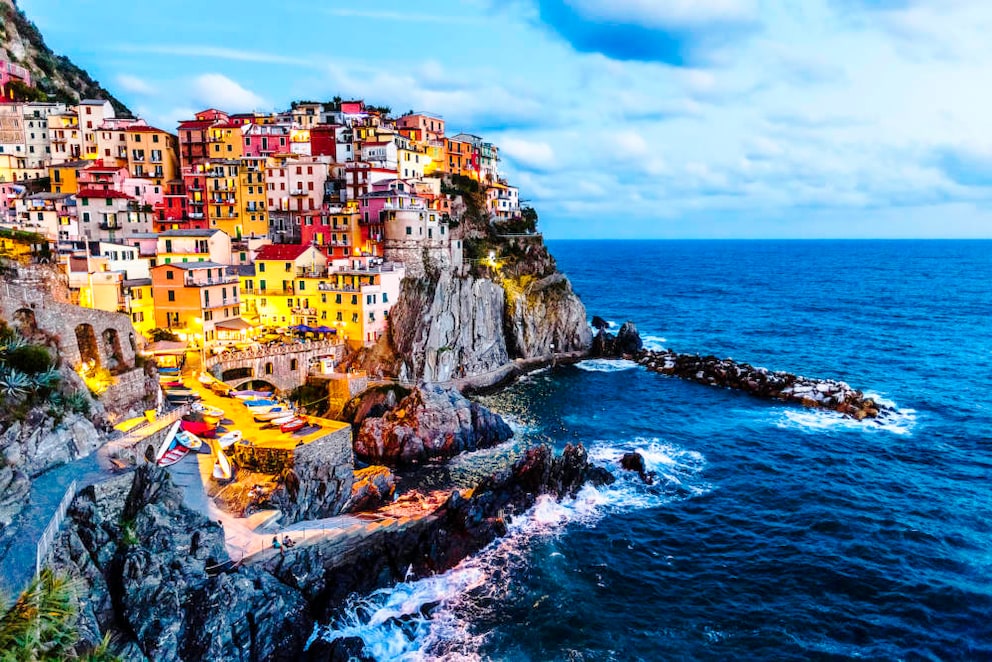
The drive to the 12-kilometer-long, rugged coastline of the Cinque Terre in Liguria takes three and a half hours. The colorful houses clinging to steep hillsides are among the most photographed places in the world. You must visit Monterosso, Vernazza, Corniglia, Manarola, and Riomaggiore.
Siena
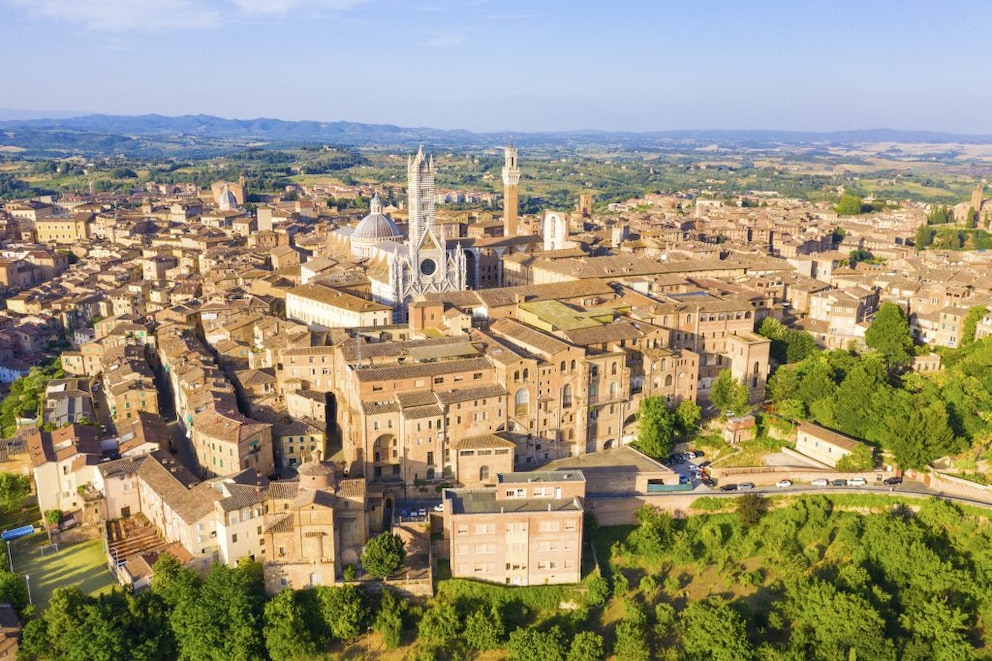
From the Ligurian coast, we continue to Tuscany… but not to Florence! Florence is the symbol of this region but is very touristy. I would like to suggest an almost equally impressive and fascinating alternative destination: Siena! The Piazza del Campo and the Cathedral are the main attractions of this city, characterized by the typical medieval structure of Tuscany. Siena is also an excellent “low-cost” solution compared to the much more expensive Florence.
Return to Rome
The road trip ends with the return from Siena to Rome. The drive on the A1 takes about three hours. In the end, you will have covered more than 2,800 kilometers and spent more than 30 hours behind the wheel. For the perfect road trip through Italy, you should plan at least two weeks. If you have more time, even better: Along the way, there are many other places worth a detour, such as San Gimignano in Tuscany, the small state of San Marino near the Adriatic coast, or Lake Garda not far from Verona. And, of course, the many fishing villages and beaches along the long coast of the Bel Paese.
Road Trip Through Italy–The Stops at a Glance:
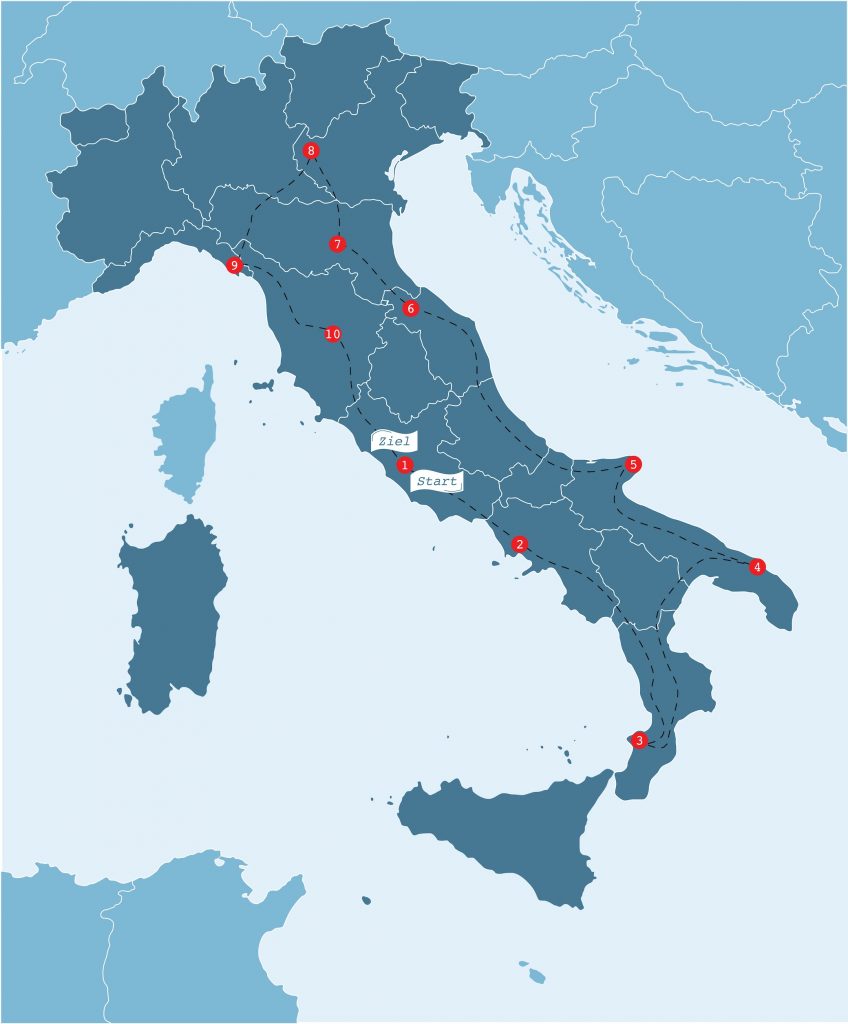
- Rome (Start and End Point)
- Naples
- Tropea
- Lecce
- Vieste
- Urbino
- Bologna
- Verona
- Cinque Terre
- Siena