

September 24, 2025, 6:03 am | Read time: 4 minutes
On September 23, 2025, the TRAVELBOOK Award was once again presented in Berlin. Among the categories honored was “Best Destination for a Sustainable Safari.” Five nominees were in the running, including the Tabin Wildlife Reserve in the Malaysian part of the island of Borneo.
Want to see the world’s smallest elephant? Head to Borneo. The Borneo pygmy elephant, the smallest elephant species in the world, lives in the Tabin Wildlife Reserve. It shares its home with many cute and interesting co-inhabitants that can be discovered on a sustainable safari in the nature reserve.

Pygmy Elephant, Rhino, Monkey, and More in the Tabin Reserve
In addition to the Borneo pygmy elephant, the Tabin Wildlife Reserve in the northeast of the island shared by Malaysia, Indonesia, and Brunei is home to the Sumatran rhinoceros and the Southeast Asian wild cattle Banteng. The protection of these three species, along with their numerous and sometimes endangered co-inhabitants, is the reason the nature reserve was established in 1984.
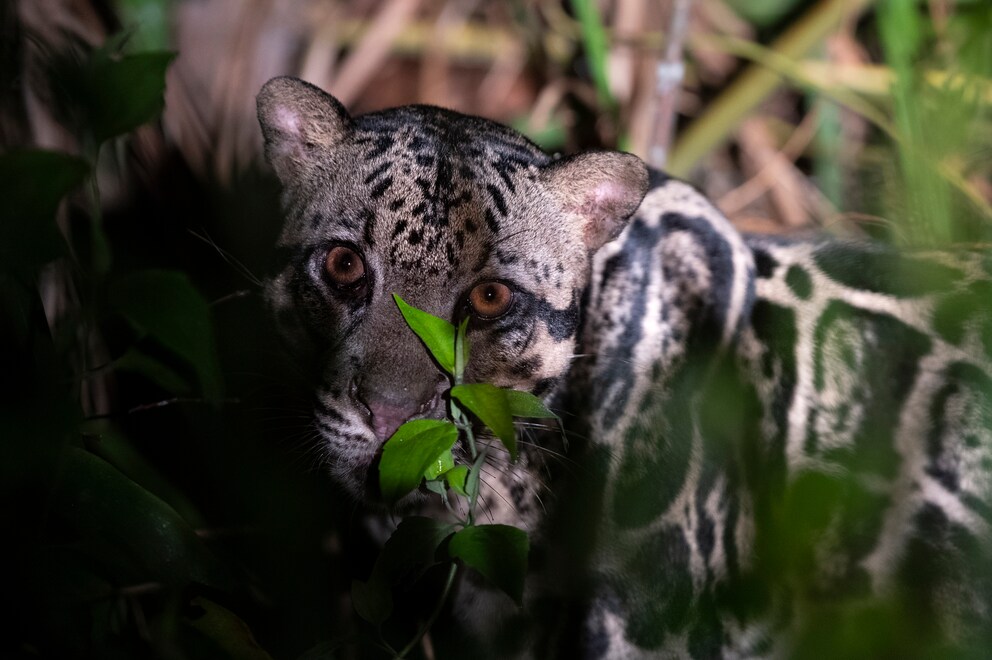
Besides these three large mammal species, the reserve is home to nine primate species. These include orangutans, Bornean gibbons, western tarsiers, silver, red, and gray langurs, long-tailed macaques, slow lorises, and pig-tailed macaques. A few cat species also live there, such as the clouded leopard, the largest but less frequently seen predator in Tabin, as well as civet and Bengal cats. More than 300 bird species and other mammals and reptiles are also present.
The Tabin Wildlife Reserve on Borneo
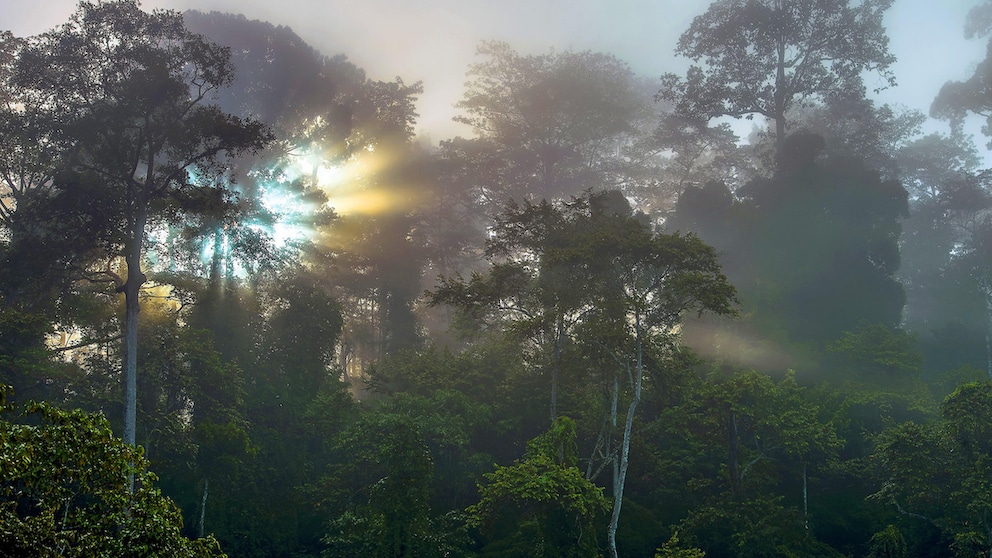
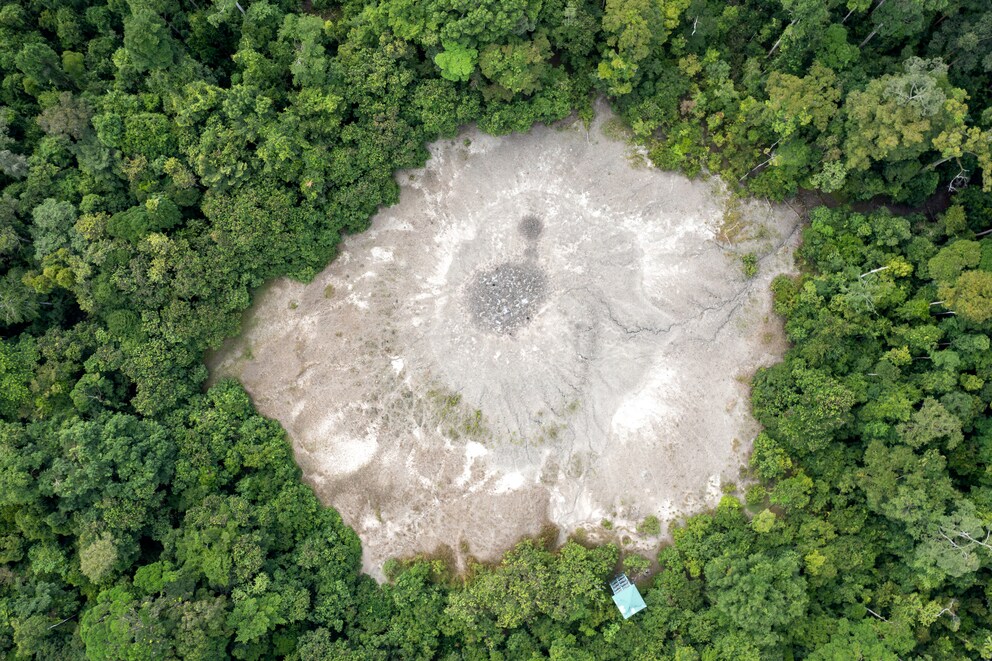
Borneo’s Tabin Wildlife Reserve itself is about 121,400 hectares in size, rectangular, and located in eastern Sabah, one of two Malaysian states on the island in the Malay Archipelago. The reserve is considered one of the largest protected areas in Sabah. It consists mostly of partially logged forest areas. A unique feature of the Tabin Wildlife Reserve on Borneo is the presence of numerous active, mineral-rich mud volcanoes. These are not only fascinating to look at but also attract many wild animals, according to Borneo Adventure. Consequently, there is a good chance of seeing some of them here.

Vote Now! This Is the Best Destination in the World for a Sustainable Safari

Botswana’s Okavango Delta is the world’s best destination for a sustainable safari
Sustainable Safaris in the Tabin Wildlife Reserve
The safari offerings range from jungle trekking tours, wildlife and bird watching to night hikes or four-wheel-drive tours. The Tabin Wildlife Reserve has nine trails, but they are only open for guided tours. The focus in the reserve is on sustainable tourism, which is evident in practices such as limiting wildlife observation groups to a maximum of five people per guide to minimize the impact on animals in their natural habitats. According to the Tabin Wildlife Reserve website, the mission of the reserve is: “We aim to create a unique Malaysian nature experience that evokes beautiful and lasting memories and meets our guests’ expectations in an environmentally friendly way.”
The reserve itself features the Tabin Wildlife Resort, opened in 2004, an accommodation in the heart of the rainforest where safari guests can stay overnight. The resort’s 20 lodges are located partly by the river and partly on the hill. The accommodations, like the tours through the reserve, are designed with environmental protection and sustainability in mind, such as through recycling and home-grown vegetables. Additionally, the wildlife reserve emphasizes close collaboration with the local population, such as training locals as tour guides and other staff.
Methodology for the TRAVELBOOK AWARD
We say it every year: All nominated regions, countries, and more for the TRAVELBOOK Award are already winners. Even if they didn’t achieve overall victory. This also applies to the Tabin Wildlife Reserve. Because: Every country has already made it to the shortlist in advance, meaning it was selected from a large number of contenders in a category.
The TRAVELBOOK editorial team sought help from the community on Facebook and Instagram and consulted experts from the travel industry to create the shortlist. TRAVELBOOK readers then cast nearly 150,000 votes and selected their trend travel destinations for 2026.