

October 17, 2025, 1:04 pm | Read time: 3 minutes
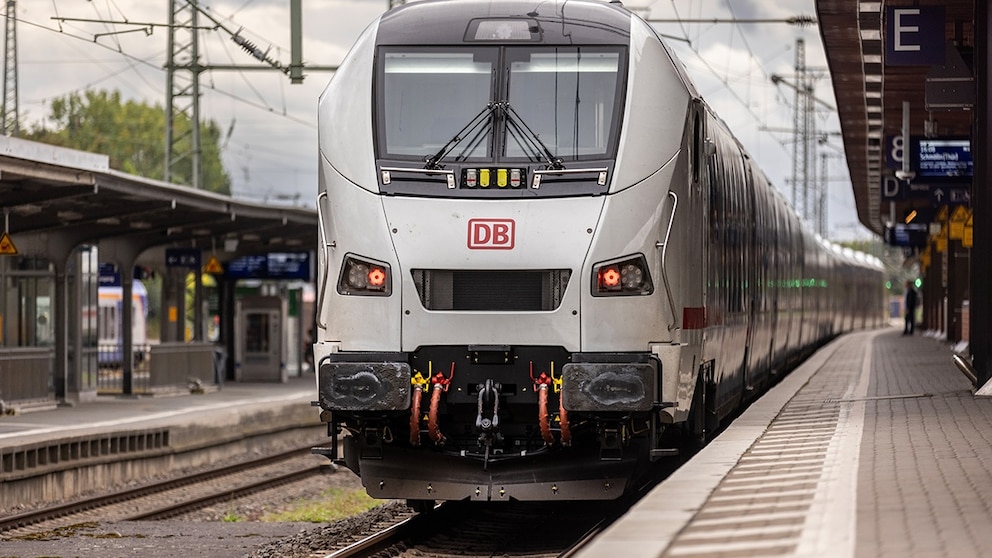
Starting in mid-December 2025, Deutsche Bahn will introduce the ICE L, a new high-speed train, which promises to outperform its predecessors. What exactly is behind the new train, and what does the “L” in its name stand for? TRAVELBOOK presents the new ICE L.
After more than a year of delay, the time has come: According to a press release from Deutsche Bahn (DB), the new ICE L has received its operating license. With the timetable change starting in mid-December 2025, the train will be used for the first time on the Berlin–Cologne route. The train was developed by the Spanish manufacturer Talgo. Several innovations promise improved comfort and accessibility in long-distance travel, according to the railway company.
ICE L as the First Model with Step-Free Entry
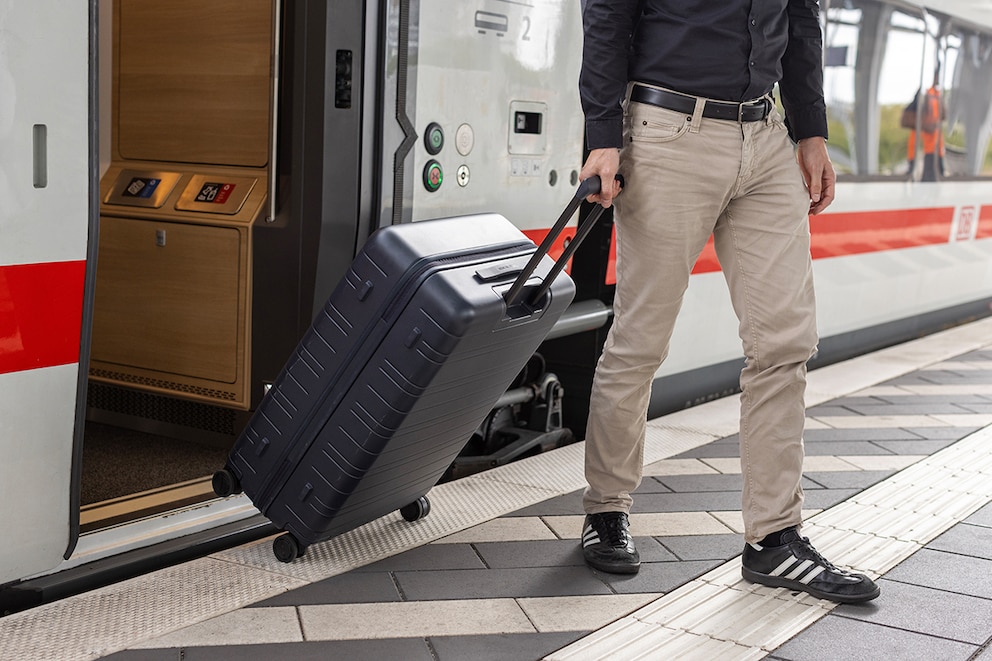
The “L” in the name of the new train stands for “Low Floor,” meaning step-free entry, according to Deutsche Bahn. The ICE L is Germany’s first high-speed train that can be accessed completely without steps, ramps, or lifts. This not only makes boarding easier for people with limited mobility but also for travelers with strollers, bicycles, or large luggage.
With this, the ICE L sets new standards for accessibility. It also features three special wheelchair spaces with electrically adjustable tables, as well as a spacious family and toddler area with a total of 46 seats and a small play area.
However, the low entry also has drawbacks: Since the ICE L is designed for platforms of a certain height, it cannot stop at all stations. According to a report by WELT, this affects stations such as Plochingen and Göppingen, where the new long-distance train will not stop for the time being. A reconstruction of the platforms is not planned in the short term.
Also interesting: Will DB soon offer compensation for missing onboard bistro and Wi-Fi?
New Design and More Comfort in the ICE L
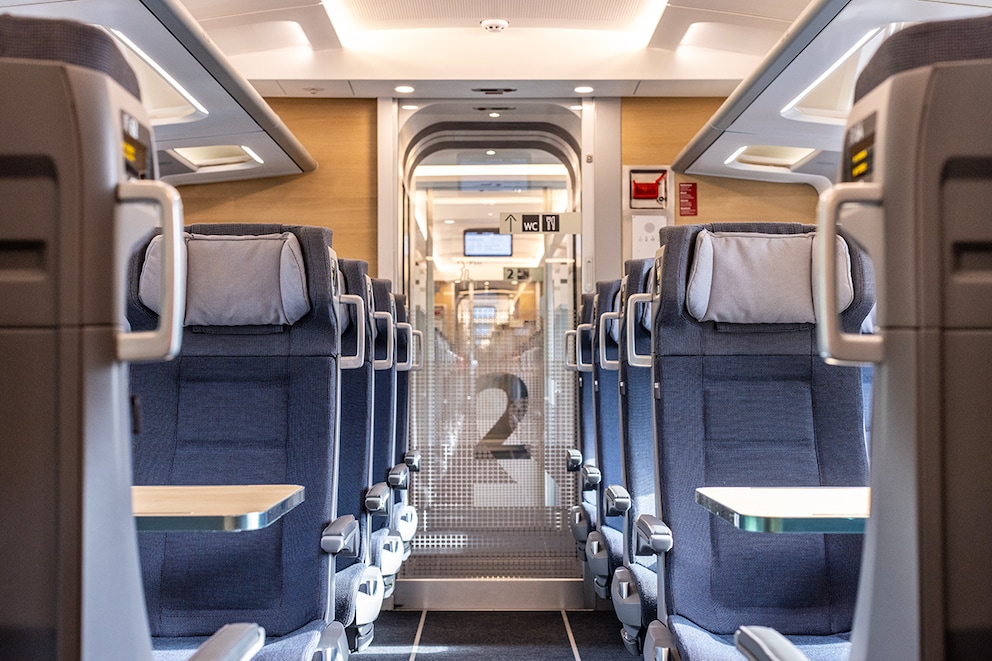
The railway company is also breaking new ground with the interior design: A time-of-day-dependent lighting system, a modernized onboard bistro, and shorter carriages with “homely materials” are intended to provide more comfort. According to the company, 1,600 test subjects were involved in selecting the newly developed seats. “The insights have been incorporated into the further development of ergonomics, design, and seating comfort. Each seat features, among other things, a generous folding table and a tablet or phone holder,” the DB statement continues. The mobile-friendly window panes are also expected to significantly improve cell phone reception by allowing signals to enter the train directly.

Why Deutsche Bahn’s Wi-Fi Often Doesn’t Work

New “Dresdner Bahn” Halves Travel Time to BER Airport
ICE L Replaces Old Intercity Trains
The new train is set to gradually replace the aging Intercity-1 trains. With a top speed of 230 km/h, the ICE L is slightly slower than the classic ICE 3 or ICE 4, but according to the railway company, it offers more comfort on medium-distance routes.
An ICE L train consists of a multi-system locomotive with 17 cars. It is 256 meters long and offers 562 seats, including 85 in first class and 477 in second class, as well as space for eight bicycles. Thanks to lightweight single-axle bogies, the train saves weight and energy. Additionally, the ICE L is designed for use with dual-power locomotives, which can pull it on non-electrified routes–such as connections to tourist regions.
Starting December on the Berlin–Cologne Route
Following its presentation on October 17 in Berlin, four ICE L trains are initially set to operate on the Berlin–Cologne route, according to the railway company. Additional lines will follow later, including international connections to Denmark and Austria.