

February 7, 2023, 4:25 pm | Read time: 14 minutes
It’s a journey through the diversity of European cuisine–TRAVELBOOK showcases 33 specialties that should be on the menu for a culinary tour of Europe.
A trip is always a culinary adventure, after all, you learn a lot about other countries and customs when you explore their cooking culture. But how well do we really know our continent? Sure, Italians are known for pizza and pasta, in Scandinavia you should try fish, and in Spain, paella–but Europe offers so much more. TRAVELBOOK presents 33 of the best, most interesting, and traditional European national dishes that everyone should try–selected by the editorial team and our TRAVELBOOK community.
Overview
- Pasties in England
- “Bubble and Squeak” in England
- Green Sauce in Frankfurt am Main
- Moussaka in Greece
- Pears, Beans, and Bacon in Hamburg
- Gravy Chips in Ireland
- Buffalo Ricotta in Italy
- Cacciucco in Italy
- Canary Potatoes in the Canary Islands
- Heaven and Earth in Cologne
- Cepelinai in Lithuania
- Ensaimadas de Mallorca
- Pastizzi in Malta
- Pancakes in the Netherlands
- Punschkrapferl in Austria
- Pierogi in Poland
- Bigos in Poland
- Bratwurst in Portugal
- Pastel de Nata in Portugal
- Garfish on Rügen
- Sarmale in Romania
- Fried Mars Bars in Scotland
- Scotch Eggs
- “Scallops & Black Pudding” in Scotland
- Haggis in Scotland
- Pljeskavica in Serbia and Croatia
- Arancini from Sicily
- Churros in Spain
- Croquetas de Camarones in Spain
- Maultaschen in Stuttgart
- Sucuk in Turkey
- Borscht in Ukraine
- Lángos in Hungary
Pasties in England
Especially in Cornwall, England, people love the filled pastry known as a pasty. The filling varies. Sometimes with meat, sometimes with vegetables, sometimes with both–but pasties are always baked. The special Cornish pasty, the version that comes directly from Cornwall, must include beef, along with potatoes, turnips, and onions. A hearty delight, typically English.
Also interesting: The country with the best world cuisine
“Bubble and Squeak” in England
Nowadays, it’s also freshly prepared, but originally this meal was meant to use up leftovers. Vegetables are mashed and combined with mashed potatoes in a pan. Allegedly, the name of the dish comes from the small bubbles (bubble) and squeaking sounds (squeak) it makes when frying. “Bubble and Squeak” is sometimes served for breakfast in England–for a good start to the day.
Green Sauce in Frankfurt am Main
Green sauce definitely belongs on the list of national dishes to try. It even has its own monument, which was inaugurated on May 21, 2007, in the Frankfurt district of Oberrad.
Colloquially called “Grie Soß,” it is said to have been Goethe’s favorite spring dish. For the green sauce, simply chop some herbs, then mix with crème fraîche, sour cream, pepper, salt, vinegar, and mustard, and combine with boiled eggs–done.
Moussaka in Greece
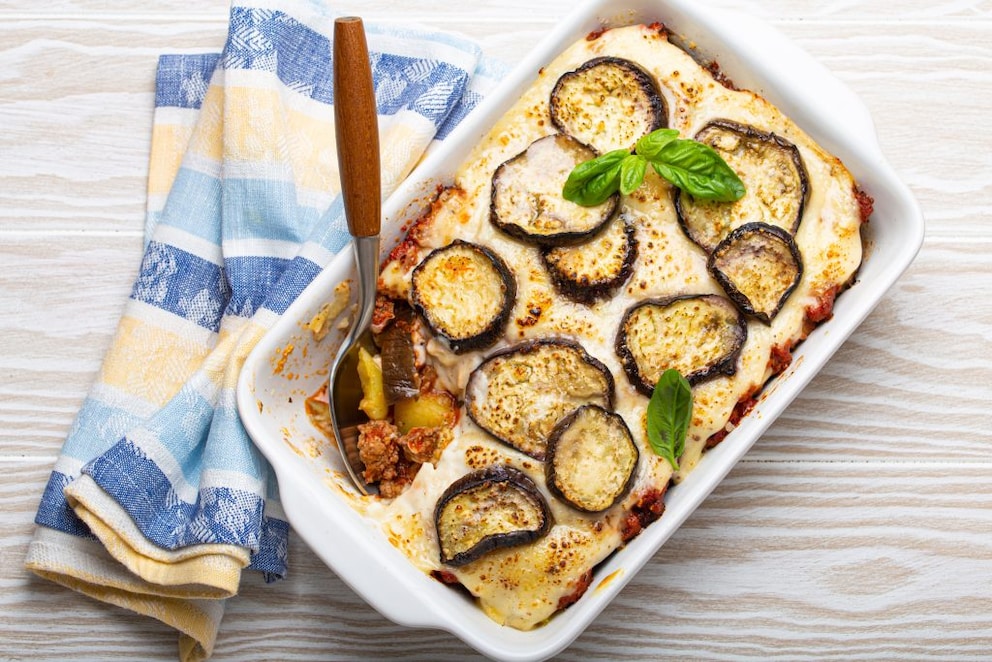
Greek cuisine is especially known for its deliciously seasoned grilled meat dishes, seafood, and fresh fish. But there’s another specialty you must try: Moussaka, the Greek version of lasagna. The casserole is layered with potato slices, ground meat, and eggplant fried in olive oil. On top, there’s a thick layer of béchamel sauce.
Also interesting: With video! Recipe for delicious Greek Moussaka
Pears, Beans, and Bacon in Hamburg
A true classic is the rather sweet pears combined with hearty beans and bacon, often served with mustard. Only a few restaurants in Hamburg still offer this specialty.
Gravy Chips in Ireland
Gravy chips are fries in gravy. Naturally, they become soggy after a while. But the Irish love this dish. Optionally, the fries can also be topped with cheese. The perfect snack if you’re a bit tipsy coming out of a bar or club and want something to eat.
Buffalo Ricotta in Italy
Julia recommends on Facebook: “Buffalo ricotta with freshly baked bread and mixed salad with vinegar-oil dressing.” The ricotta from buffalo milk is made from the whey left over from mozzarella production. Then add fresh buffalo milk and salt. A very creamy and soft delight. However, you should definitely opt for sustainable organic products here, as calves are often seen as “waste products.” Find more information here.
Cacciucco in Italy
“The Livornese fish soup ‘Cacciucco’ at Il Sottomarino in Livorno is simply wonderful,” writes Diana on Facebook. Traditionally, the soup should include at least five different types of fish, as the name contains the letter C five times. Fish scraps are also added. It’s served with white bread soaked in the broth and a glass of white wine.
Also interesting: The only true recipe for perfect Spaghetti Carbonara
Canary Potatoes in the Canary Islands
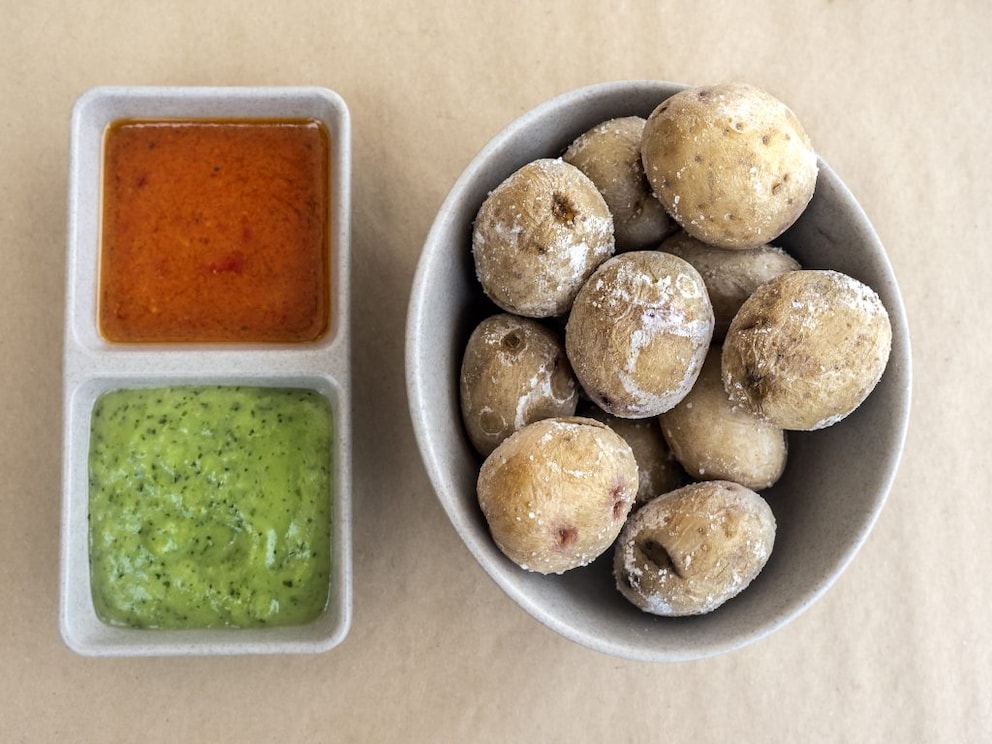
The Canary Islands are a must on any culinary journey. The famous “Papas Arrugadas” (wrinkled potatoes) of the islands off the coast of Africa are not only a delicacy but also very popular. TRAVELBOOK readers frequently mention the Canary potatoes on Facebook. A tip from Bernd: enjoy the potatoes with Mojo sauce and grilled fish.
Heaven and Earth in Cologne
There are so many Rhenish specialties that it’s hard to pick just one. A classic is “Himmel un Ääd,” or Heaven and Earth. It consists of applesauce (heaven) and mashed potatoes (earth), usually served with onions and fried blood sausage in the breweries of Cologne, Düsseldorf, and many parts of Westphalia. Add a Kölsch beer, and the mood is fantastic.
Also interesting: The best sights in Cologne
Cepelinai in Lithuania
Cepelinai is essentially a potato dumpling filled with meat (or optionally curd) and is Lithuania’s national dish. Because the specialty is shaped like a zeppelin, it is also affectionately called “Meat Zeppelin.” The dumpling is hearty and quite fatty, but at least the unusual name sticks in your memory.
Ensaimadas de Mallorca
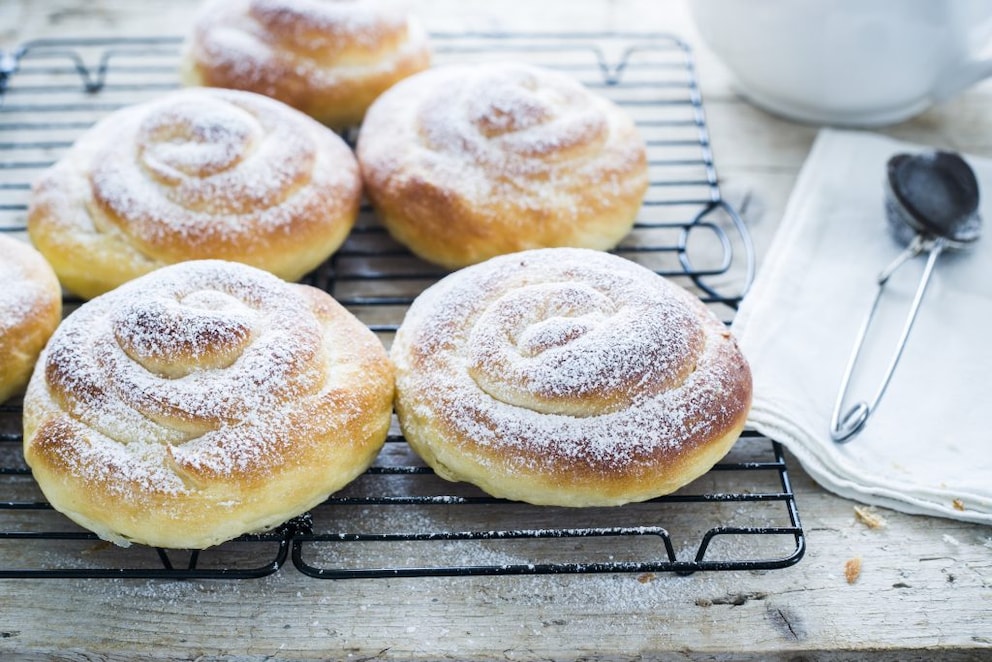
Pastries have a long tradition in Mallorca–the recipe for Ensaimadas is centuries old and is still baked the same way today. The yeast pastry is spiral-shaped, unfilled, and a must-try when vacationing on the Balearic island. Some are sprinkled with powdered sugar.
Also interesting: 15 things not to do in Mallorca
Pastizzi in Malta
“Pastizzi filled with ricotta, peas, or chicken in Malta. Little delicacies,” says Mara. The filling, usually made of peas or ricotta cheese, is hot. So be careful not to burn your tongue! In Malta, you can find this small and affordable snack on every street corner–fresh from the oven, it’s an absolute treat.
Pancakes in the Netherlands
In the small town of Schoorl in the north of the Netherlands, there’s a great attraction: a huge sand dune where visitors can have fun. After physical activity, a hearty pancake, typical of the Netherlands, is a great way to refuel, for example, at ‘t Trefpunt.
Also interesting: Recipe! “Dutch Baby,” the oven pancake
Punschkrapferl in Austria
The Punschkrapferl is a cube that packs a punch: the sponge cake is filled with jam and chocolate, as well as rum or punch–so with alcohol. However, in modern, industrial production, this is often omitted, and only a rum (or punch) flavor is added. When visiting Austria, you should definitely try this sweet treat.
Pierogi in Poland
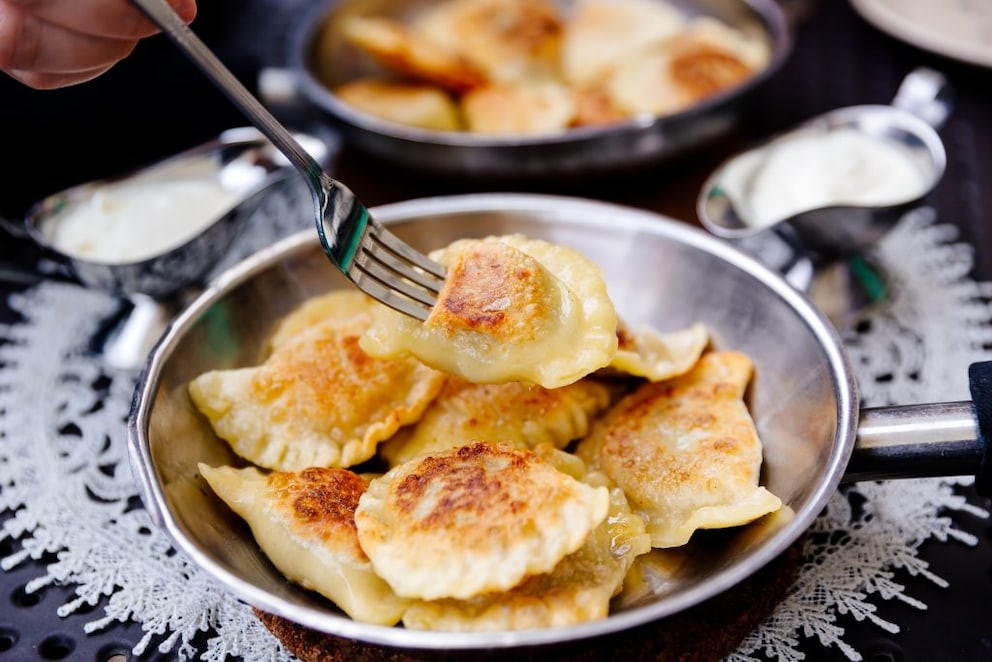
The Poles also know how to make dumplings–but it’s important that the filling remains as original as possible, consisting of cabbage and mushrooms. Then the pierogi can even serve as a main course. Depending on the preparation, which varies from region to region, the dumpling can also be served as an appetizer or dessert. Pierogi are also widespread in Finland.
Also interesting: 10 tips for eating vegetarian in Eastern Europe
Bigos in Poland
This is a cabbage stew with various types of meat and sausage, particularly known and loved in Poland. But it’s also traditionally served in Belarus, Lithuania, and Ukraine. Although it’s essentially a sauerkraut dish, more meat than cabbage is usually used in its preparation.
Bratwurst in Portugal
The famous last bratwurst before America is, of course, a must on the culinary tour of Europe–although the location is probably more spectacular than the dish itself. Near the town of Sagres, there’s a small sausage stand that officially advertises the “last bratwurst before America.” A few meters away stands a lighthouse, one of the most powerful in Europe, and beyond that, there’s only the Atlantic Ocean, as Sagres is Europe’s southwesternmost point on the mainland.
Also interesting: 17 facts about Portugal that hardly anyone knows
Pastel de Nata in Portugal
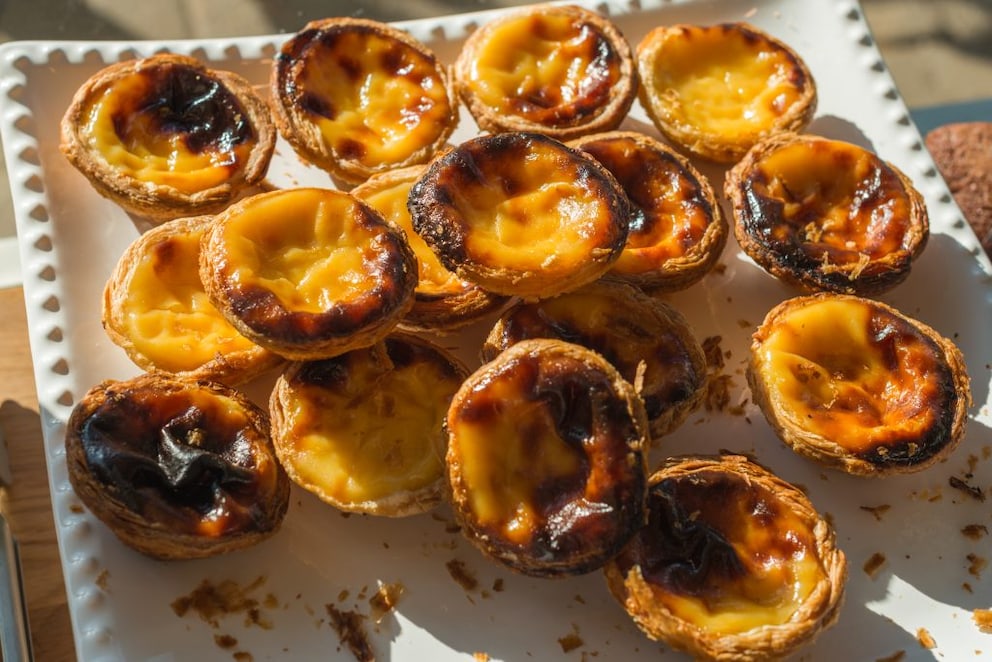
A Pastel de Nata is a must when visiting Lisbon, preferably at the pastry shop Pastéis de Belém, which has been offering this specialty since 1837 and has become world-famous. The Pastel de Nata is a puff pastry tart filled with cream custard. The pastry shop in Belém, a district of Lisbon, took the recipe from monks. Today, the Pastel de Nata is something like Portugal’s sweet flagship and is popular with both locals and tourists. Once you’ve tried a tart, it’s hard to stop.
Also interesting: Recipe for Portuguese Pastéis de Nata
Garfish on Rügen
Especially smoked, garfish are a delight. Britta agrees, recommending “garfish with fried potatoes on Rügen” on Facebook. The preparation is a bit elaborate because the fish has many bones. Their color is unusual: green. However, you can eat the garfish without worry; the bones are not toxic.
Also interesting: The best tips for a vacation on Rügen
Sarmale in Romania
Sarmale are Romanian and Moldovan cabbage rolls that can be filled with ground meat, garlic, rice, and onions. The cabbage leaves are pickled beforehand. Depending on the region, vine leaves are also used for wrapping. A vegetarian option with mushrooms instead of meat is also available. They are usually served with Mămăligă–a type of corn polenta–and the sour cream Smântână.
Fried Mars Bars in Scotland
In seemingly every other snack bar in Scotland, you can find them: fried Mars bars. What sounds strange is actually a specialty. Like fries or croquettes, the chocolate bars (preferably dipped in beer batter first) are simply thrown into the fryer–a delicious sin: the small snack supposedly has about 1,000 calories.
Also interesting: Scotch whisky–Scotland’s high-proof national drink
Scotch Eggs
The Brits again. A very special snack is “Scotch Eggs,” or eggs Scottish style. The eggs are hard-boiled, coated with breadcrumbs and sausage meat, and then fried. Yes, that’s just a snack, not a main course. On the island, you can also buy them in supermarkets. Scotch eggs taste even cold and are usually a staple of a picnic. But you can also get them in pubs, often served with cheese and onions and a pot of mayonnaise.
“Scallops & Black Pudding” in Scotland
Translated, this means: scallops with black pudding. The latter is blood pudding, baked pig’s blood that looks like a black slice of bread. The beautifully prepared scallop is then placed on top–a very special delicacy.
Also interesting: The 9 travel destinations with the best food worldwide are almost all in Europe!
Haggis in Scotland
Patrick recommends the Scottish specialty haggis on Facebook, which is certainly not to everyone’s taste. The stomach of a sheep is filled with sheep offal and oatmeal. This and similar recipes were once intended to use as many body parts as possible during animal slaughter. A portion of haggis is not quickly made. The preparation of the dish can take up to five hours, so it’s not suitable for a quick snack in between.
Pljeskavica in Serbia and Croatia
According to David, Pljeskavica is the “best burger.” Simply prepare ground meat with spices, garlic, or onions, let it marinate for a long time, and then fry it, served with Ajvar and Djuvec rice–delicious!
Also interesting: When and how the hamburger was invented
https://oembed/travelbook/affiliate/2d5d8d2e31039d92cb317858957672bd6904226c252900ad4f7ca71b5c29445c/634ea70b-81eb-44a8-851f-70c993de31bd/embed
Arancini from Sicily
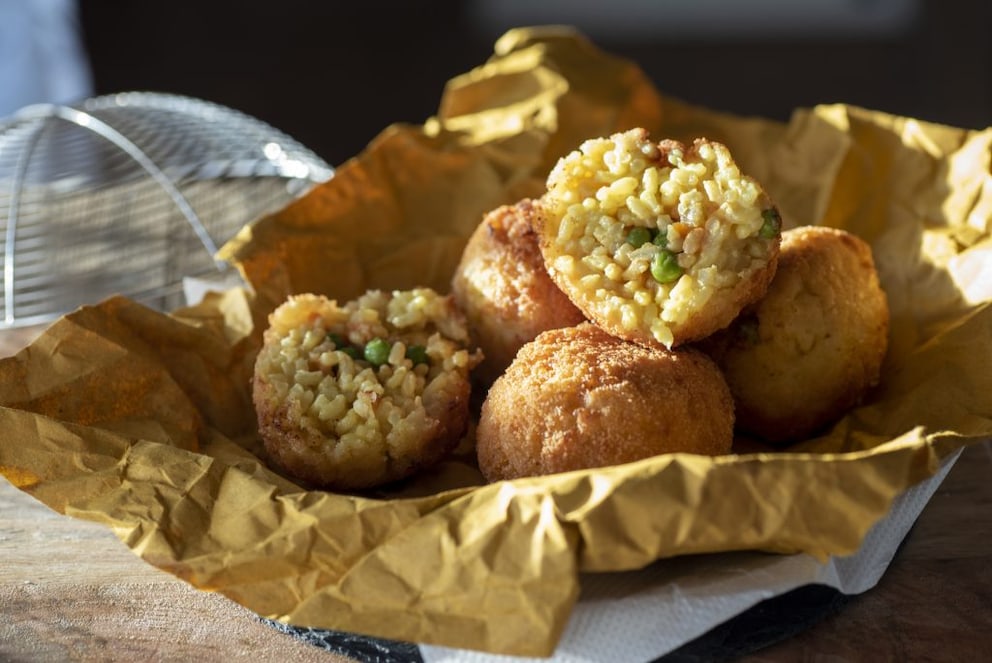
If you’re vacationing in Sicily, you shouldn’t miss out on a specialty: Arancini. These are delicious filled rice balls that are fried and resemble small oranges in shape and color–hence the name (Sicilian arancino = little orange). The filling usually consists of meat ragout, cheese, and/or vegetables, but varies by region.
Churros in Spain
Originally from Spain, churros are still available almost everywhere there. They have also become widespread in many South American countries. At small street stands (Churrería), the snacks are offered. Churros are made from choux pastry, look like elongated doughnuts, and are sprinkled with sugar after frying. If you like, you can dip the sweet stick in liquid chocolate. There are also churros filled with chocolate. Really tasty, but at least as high in calories.
Also interesting: Around the world: 26 countries in an international breakfast comparison
Croquetas de Camarones in Spain
Camarones are shrimp, and in this dish, they are simply processed into a kind of mousse, formed into balls, and then fried. The shrimp balls are often served with various sauces, such as cocktail sauce or mayonnaise. As a variation, small peppers are sometimes mixed into the mousse to give the dish more spice.
Maultaschen in Stuttgart
They look a bit like oversized ravioli or square dumplings: Swabian Maultaschen. Filled with meat, spinach, veal sausage, onions, soaked bread rolls, and herbs, these dumplings have gained fame far beyond Swabia. Nowadays, the “Herrgottsbscheisserle,” as Maultaschen are also called because they “hide” meat that was not supposed to be eaten on Fridays, come in all imaginable variations. You can even find them as a pizza topping. But the traditional preparation methods are: in broth, sautéed with potato salad and steamed onions, and roasted in butter with egg. You should try them in all variations.
https://oembed/travelbook/affiliate/4a7dcad015c218410c9e1d53890139837ce99e23266cf5a9741ed0b8627230b6/634ea70b-81eb-44a8-851f-70c993de31bd/embed
Sucuk in Turkey
The aromatic and well-seasoned sausage is recommended by David on Facebook for breakfast–specifically the garlic variety with fried eggs and peppers. The sausage is usually eaten warm and can even be served as a döner.
Also interesting: Recipe for crispy Börek from Turkey
Germany’s Least Popular Dishes

Recipe for Austrian Kaspressknödel
Borscht in Ukraine
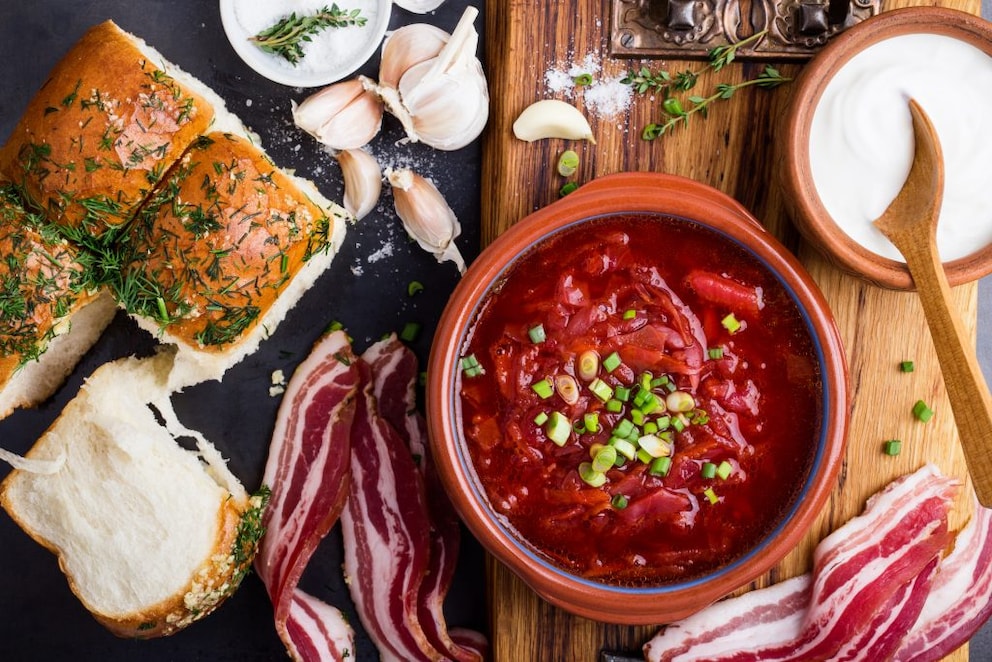
The most important ingredient in this hearty soup: beetroot. However, it is mainly used for the color; the dish itself doesn’t necessarily taste like it. Borscht is usually eaten as a main course in Eastern Europe–but not in Ukraine. There, it is only an appetizer or served with the main course. Other ingredients include white cabbage and meat, usually beef. Onions, peppers, and beans can also be added.
Lángos in Hungary
Lángos is a popular snack in Hungary. When the family vacations at the beautiful Lake Balaton, the yeast dough flatbread is often brought out in the bright sun. It’s usually brushed with garlic oil and/or sour cream or topped with a mixture of onions, peppers, and tomatoes. And cheese, of course, is a must. Doesn’t sound like a light snack? It’s not. Lángos is rather hearty, but just as inseparable from Hungary as bratwurst is from Germany. Nowadays, you can also find the Hungarian specialty at many German Christmas markets, fairs, or weekly market stalls.
Also interesting: The best ice cream in the world comes from Hungary
Some of the snacks or meals listed above can be typical specialties in several countries. And sometimes the true origin of a dish is not always clear. What’s important is that it tastes good. TRAVELBOOK wishes you bon appétit!