

January 12, 2026, 10:32 am | Read time: 4 minutes
When vacationing at a hotel, guests want to relax and move about freely. This includes picking up the phone to speak with the front desk or getting comfortable on the hotel bed. However, these everyday actions might become challenging during future hotel stays if you continue reading. TRAVELBOOK reveals which spots in hotel rooms are particularly germ-laden according to insiders—and why it’s hard to avoid.
Where Most Germs Lurk in Hotel Rooms
Every hotel guest knows they’re not the first to occupy a room. Still, one assumes that traces of previous guests are thoroughly removed before the next check-in. The reality is different: Staff often have only 10 to 30 minutes to clean a standard room, making thorough work nearly impossible. As a result, room cleaning focuses on appearances. But appearances say little about actual cleanliness, as germs are invisible to the naked eye.
Toothbrush Holder
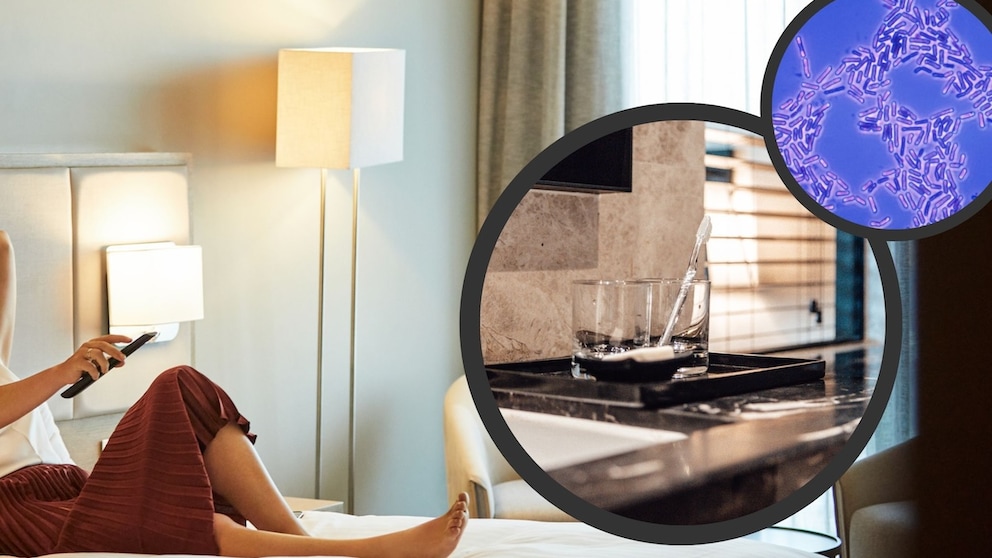
“If the toothbrush holder isn’t individually wrapped in plastic, you should definitely not use it,” a hotel employee told TRAVELBOOK, wishing to remain anonymous—and he’s not the first to issue this warning. Previously, an insider with experience as a hotel cleaner confirmed that the same cloths or towels are often used for multiple tasks, including polishing toothbrush glasses, cups, and other glasses after being used in the bathroom.
In general, you should avoid using cups and glasses in hotels, and especially not put your lips on them. In many hotel rooms, bar utensils, coffee cups at the coffee station, and other items are often “cleaned” by hand, meaning wiped with the aforementioned cloth instead of being put in the dishwasher. Due to the germs left on them, they can easily become breeding grounds for bacteria, warns a microbiologist at the travel portal “Fodor’s.” They can harbor various environmental bacteria and even fecal-associated bacteria like E. coli. Ingesting these bacteria can cause severe illnesses in the worst case.
Kettle
We stay with drinking—or not. Our insider strongly advises against using the kettle to prepare hot drinks. It’s not uncommon for guests to misuse the device. Indeed, there are frequent reports of guests washing worn socks and underwear in it, as it’s comparable to a boil wash in a washing machine. While this rarely poses a health risk, as a nutritionist explained to TRAVELBOOK, the idea of a sock infusion in your cup isn’t exactly appetizing.
Carpet, Mattresses, and the Bed
Hygienically problematic processes also occur in the bed and mattress of the hotel room. Dead skin cells, body oils, and bodily fluids from previous guests accumulate there—ideal conditions for germs.
A special warning applies to the often underestimated headboard. As “Fodor’s” explains in detail, germs can easily accumulate there because pathogens from sneezing or coughing land on this surface. When guests rest their heads on it or touch it with their hands, fungi, dust mites, mold, dead skin cells, and body oils can accumulate. Fabric-covered headboards are particularly neglected during routine cleaning. So, it’s better not to lean against the headboard. Or place a towel between you and it.
These Spots in Hotel Rooms Are the Biggest Germ Hotspots
11 Things You Shouldn’t Touch on a Plane
Germ Spreaders in the Bathroom
Faucet handles and shower fixtures are particularly prone to germs due to the combination of moisture and frequent use, as “Fodor’s” explains. Guests often touch faucet or shower knobs with unwashed hands after using the toilet, leaving behind germs that aren’t easily rinsed away. While bathrooms are designed for water use, they don’t always have adequate ventilation. In fact, bathrooms with windows in hotels are rare. The problem: Moisture trapped in crevices and vents promotes microorganism growth.
Even the toilet paper in the hotel room can be full of germs—for instance, if hotel staff fold it without proper hygiene. If hands aren’t washed between cleaning a toilet contaminated by other guests and folding the toilet paper triangle due to time constraints, germs can settle on the folded end. This can increase the risk of developing a fungal infection in the intimate area. This was confirmed to TRAVELBOOK by gynecologist Dr. Christian Albring.
Remote Control, Telephone Receiver, and More
Although remote controls and telephone receivers are different devices, they can be grouped together, along with door handles, window handles, and similar frequently touched surfaces. The increased germ load is mainly due to constant handling with bare hands. Remote controls and telephone receivers are particularly germ-laden, as they are often overlooked during room cleaning, allowing viruses and bacteria to multiply unchecked.
Now we know about the germ load. However, this shouldn’t dampen our travel enthusiasm. One option is to treat the hotel room with disinfectant spray before settling in–though that might be a bit excessive. As general practitioner Dr. Michael Feld explained to TRAVELBOOK, germs in hotel rooms don’t automatically pose a threat to everyone.