

May 18, 2026, 4:33 am | Read time: 7 minutes
UNESCO World Heritage sites are more than just well-known landmarks—they are considered places of special value for all of humanity. The title is only awarded to sites that are culturally or naturally unique. At the same time, the designation is also a mandate: These places should be protected, preserved, and maintained for future generations.
TRAVELBOOK presents seven special World Heritage sites in Germany that are particularly worth visiting. The selection ranges from impressive architecture and historic sites to extraordinary natural experiences. They demonstrate the diversity of UNESCO heritage in this country.
Reichenau Monastery Island, Baden-Württemberg
The southernmost inhabited island in Germany is located in the middle of Lake Constance and can be reached via a causeway. In the Middle Ages, Reichenau Island was an important religious center. Today, it is considered an impressive testament to the monastic life of the Benedictines. Particularly striking is the ensemble of three Romanesque churches that are still preserved today. The Cathedral of St. Mary and St. Mark and the Church of St. Peter and Paul are open year-round, while the Church of St. George is closed from May to September for conservation reasons.
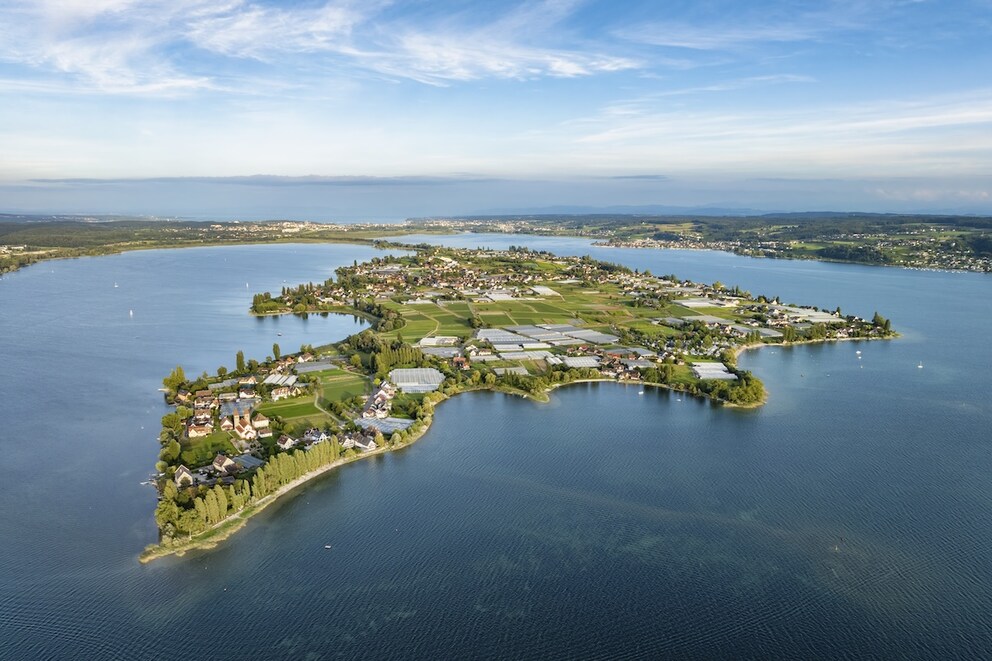
But the island has much more to offer beyond the historic churches. The agriculture, shaped by various farms throughout the area, makes Reichenau bloom in many colors in spring, summer, and fall. Campsites and developed beaches also invite visitors to swim in the lake. Here, you can experience a true vacation feeling with a cultural factor!
Margravial Opera House in Bayreuth, Bavaria
In the heart of Bayreuth stands one of Europe’s most impressive theaters: the Margravial Opera House. It is considered one of the most significant and best-preserved examples of Baroque theater culture. It still provides an authentic impression of how opera was staged and experienced in the 18th century. The magnificent building exemplifies the courtly architecture of that time and is also an important testament to the absolutist society.
At the time of its creation, the opera house was one of the largest and most elaborate of its kind—comparable only to the theater metropolises in Vienna, Dresden, Paris, or Venice. It has been a UNESCO World Heritage site since 2012.
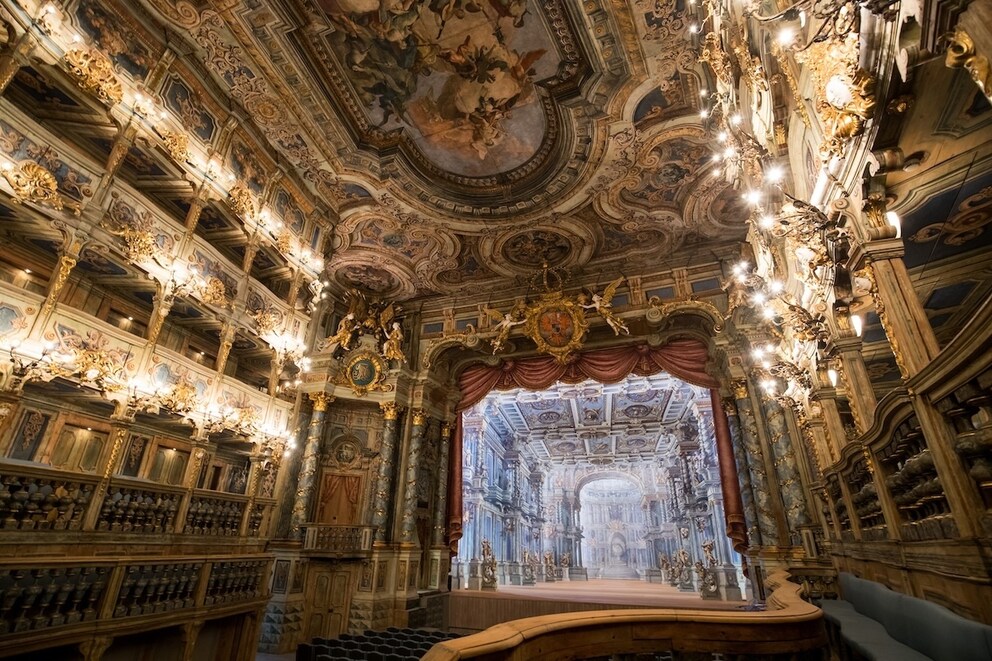
Even today, performances are still held, although not with a permanent ensemble and regular schedule. It is mainly used for Baroque operas, classical concerts, festivals, and special cultural events. A visit is especially worthwhile because of the original preserved interior: artfully painted wooden architecture, gilded details, and an impressive spatial effect make the opera house a true total work of art.
Bergpark Wilhelmshöhe, Hesse
Nowhere else in the world was a park of this kind created on a steep slope. Europe’s largest mountain park was developed starting in 1696 at the behest of the Landgrave of Hesse to strengthen the absolutist position of the Kassel princes compared to other ruling houses in Europe. This 240-hectare park, born out of sheer ostentation, combines various influences from garden architecture, art, and technology history. Today, it is largely preserved in its original state and also houses trees over 200 years old.
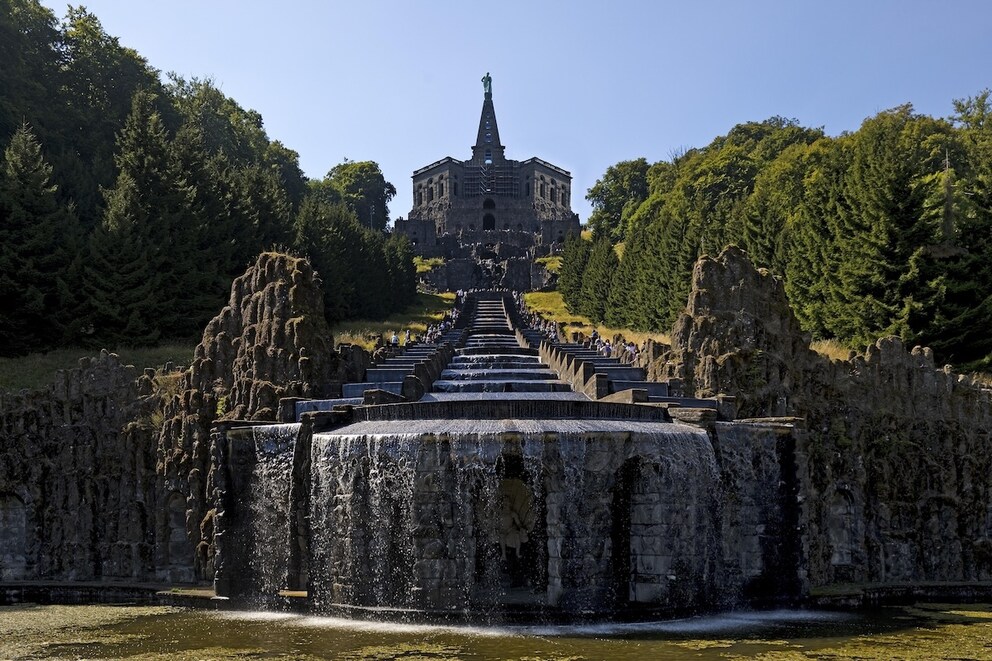
The park is best known for its water features, which extend from the “Hercules” over the cascades to Wilhelmshöhe Palace. The copper statue, named after the famous demigod of Greek mythology, is visible from afar due to its 70-meter-high pedestal. From here, about 750,000 liters of water flow over a total of 12 kilometers to the Great Fountain in the palace pond, as explained by UNESCO. They also recommend a visit at night when the paths are impressively illuminated.
Augustusburg and Falkenlust Palaces in Brühl, North Rhine-Westphalia
In Brühl, just a few kilometers from Cologne, lie two of Germany’s most beautiful palace complexes: Augustusburg and Falkenlust. Set in a sprawling park landscape, they showcase the opulent lifestyle of princes in the 18th century. Augustusburg Palace, in particular, is considered a masterpiece of Rococo: with artistic details and the famous staircase by Balthasar Neumann as an architectural highlight.
Together with the smaller hunting lodge Falkenlust, once used for courtly falconry, the two complexes are among the earliest and best examples of Rococo in Germany. The two palaces long served as models for other residences in Europe and were added to the UNESCO World Heritage list in 1984.
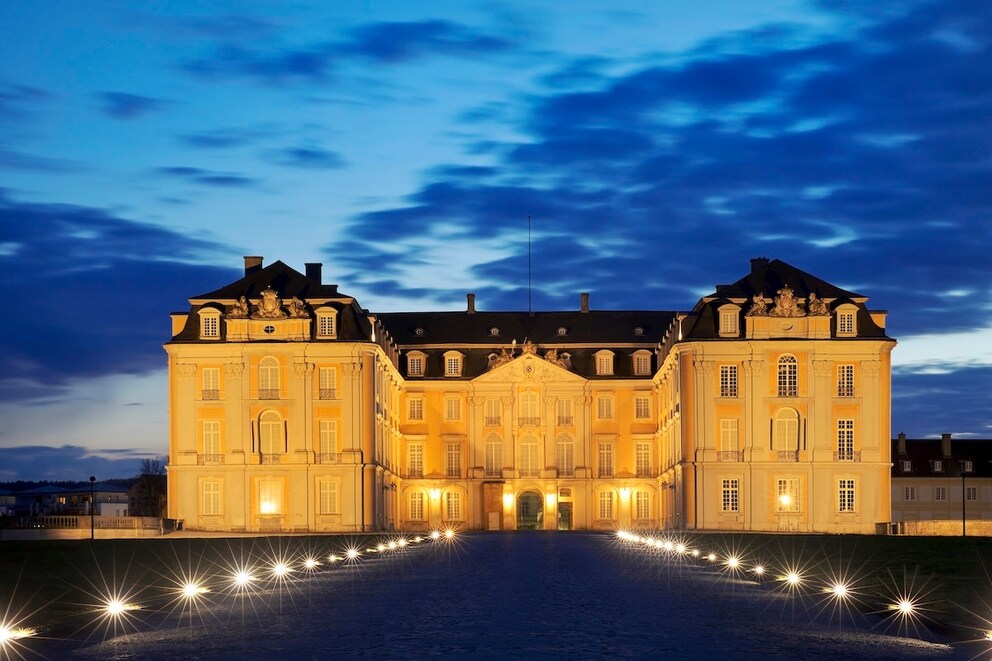
To this day, the complexes are almost entirely preserved in their original state—and that is what makes them so special. Visitors get an authentic insight into the aristocratic lifestyle and can stroll through magnificent rooms and baroque gardens.
Völklinger Hütte, Saarland
The former ironworks near Völklingen, close to the French border, was once one of the most modern facilities in Europe and still impressively shows how pig iron was produced here in the 19th and 20th centuries during the first industrial revolution.
What makes it special: Völklinger Hütte is the only fully preserved facility worldwide from the heyday of the iron and steel industry. Many technical innovations were developed or first used here, some of which still influence the industry today. At the same time, the site also represents the history of an entire region where people from different countries worked together.
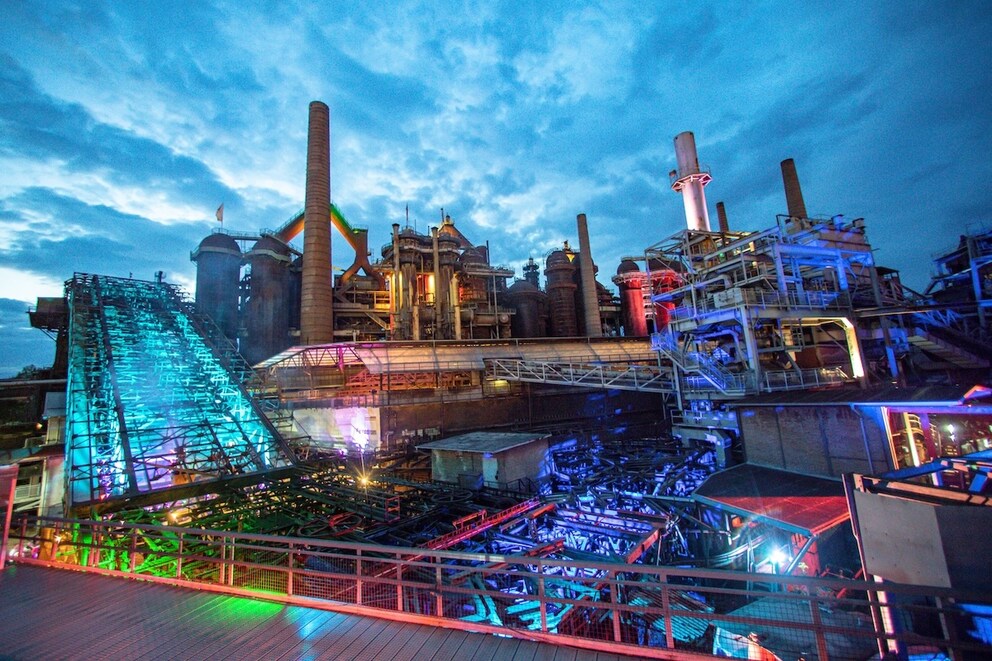
Today, the site is more than just an industrial monument. Visitors can explore the vast facilities, learn more about the industrial past, and simultaneously experience exhibitions and events from art and culture.

Germany is Among the Countries With the Most UNESCO World Heritage Sites

Bauhaus Dessau Celebrates 100th Anniversary – Here Are the Highlights
Bauhaus and its Sites in Weimar / Dessau / Bernau
Clear lines, lots of glass, little ornamentation—the “Bauhaus” stands for modern design and architecture. What seems commonplace today was revolutionary at the beginning of the 20th century: Between 1919 and 1933, the Bauhaus school fundamentally changed the understanding of art, craft, and building. The goal was to think of design functionally and to connect art with everyday life.
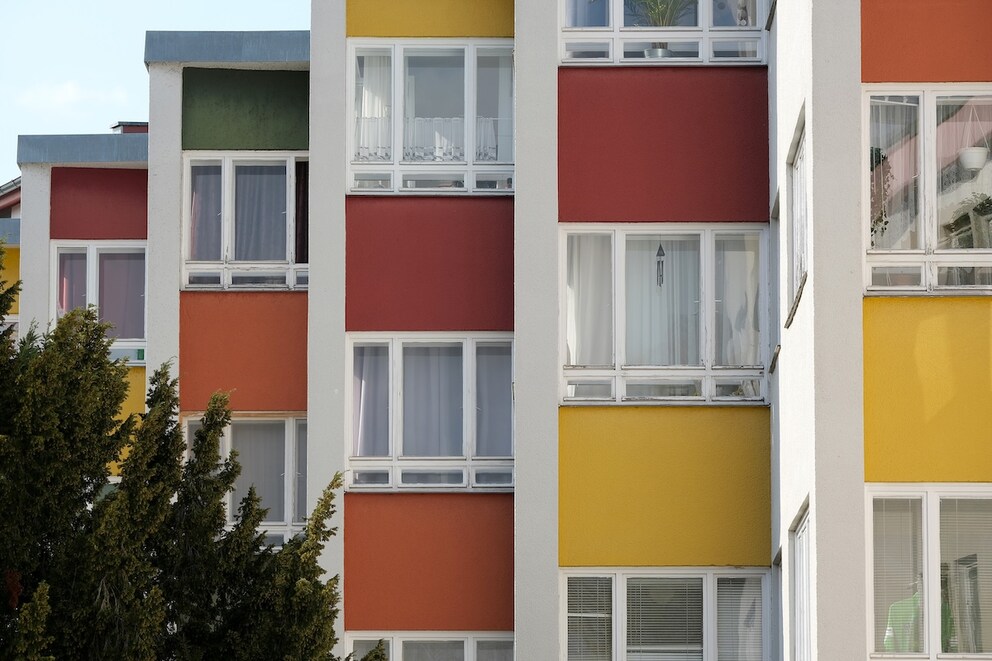
The most important sites of this movement are in Weimar, Dessau, and Bernau. Here, buildings were created that are still considered milestones of modern architecture today, including the famous Bauhaus building in Dessau and the Masters’ Houses.
Visitors to the Bauhaus sites quickly notice how much seems surprisingly timeless. The buildings are open, clearly structured, and still appear modern today. They are not only significant monuments but also places where one can understand why these ideas continue to shape our everyday lives.
Wadden Sea in Lower Saxony, Schleswig-Holstein, Hamburg
The Wadden Sea is one of Europe’s most extraordinary natural landscapes and one that is constantly changing. Covering an area of about 11,500 square kilometers, the region stretches along the North Sea coast across Germany, Denmark, and the Netherlands and is listed as a transnational UNESCO World Heritage site. Twice a day, the tides cause the water masses to recede, exposing the seabed. This ebb and flow creates the unique landscape.
Between sand and mudflats, dunes, salt marshes, and seagrass meadows, an impressive diversity of life develops. Thousands of animal and plant species call this home, including seals, gray seals, and countless bird species. The Wadden Sea is especially important for migratory birds, with millions stopping here each year.
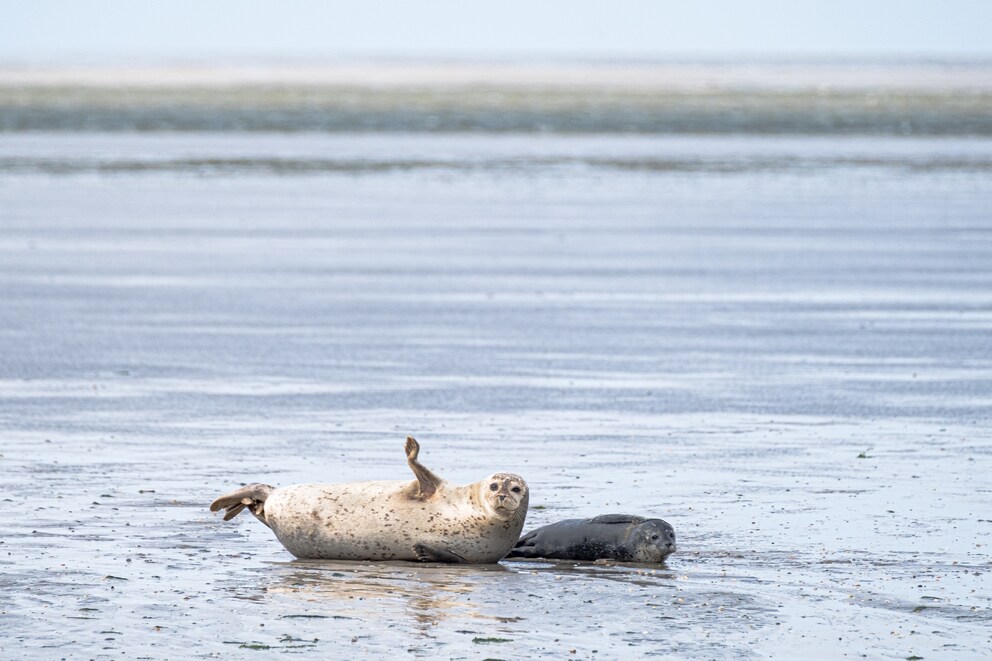
For us, the World Heritage site is uniquely experienceable: through mudflat hikes over the exposed seabed, walks along the dikes, or observing animals in their natural environment. During such an exploration, one can feel why the Wadden Sea is considered one of the world’s most important and sensitive ecosystems, deserving special protection.