


January 24, 2026, 3:26 pm | Read time: 3 minutes
Bad Doberan is still a little insider tip on the Baltic Sea. The town has many sights to offer, a very exciting past, and a rather exotic festival. TRAVELBOOK has all the travel tips.
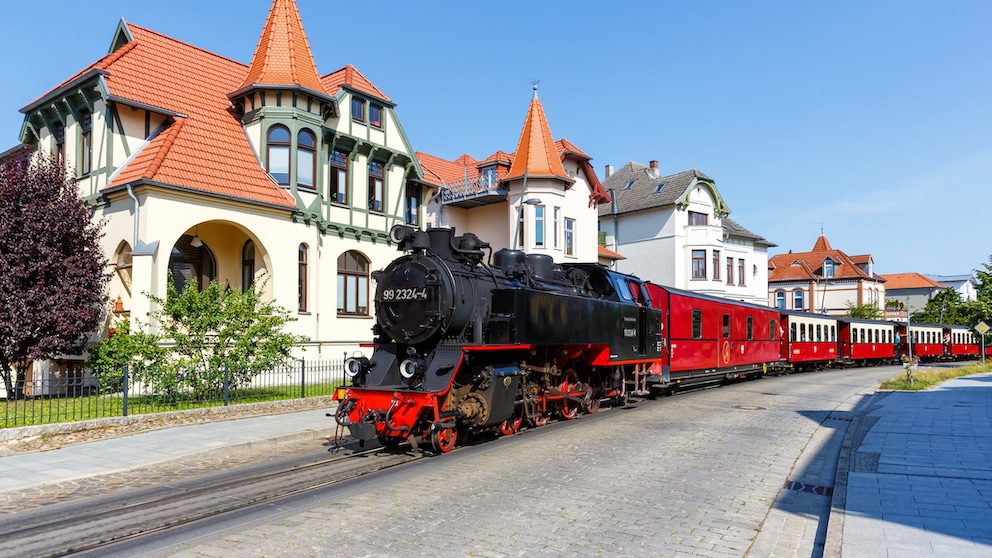
Many holidaymakers know Bad Doberan, which is located in Mecklenburg-Vorpommern between Rostock and Wismar, primarily because of its famous district of Heiligendamm. Or because of the “Molli” spa train, which is very popular with children and adults alike. But once you’ve seen the pretty old town and the monastery complex with its cathedral, you’ll be amazed.
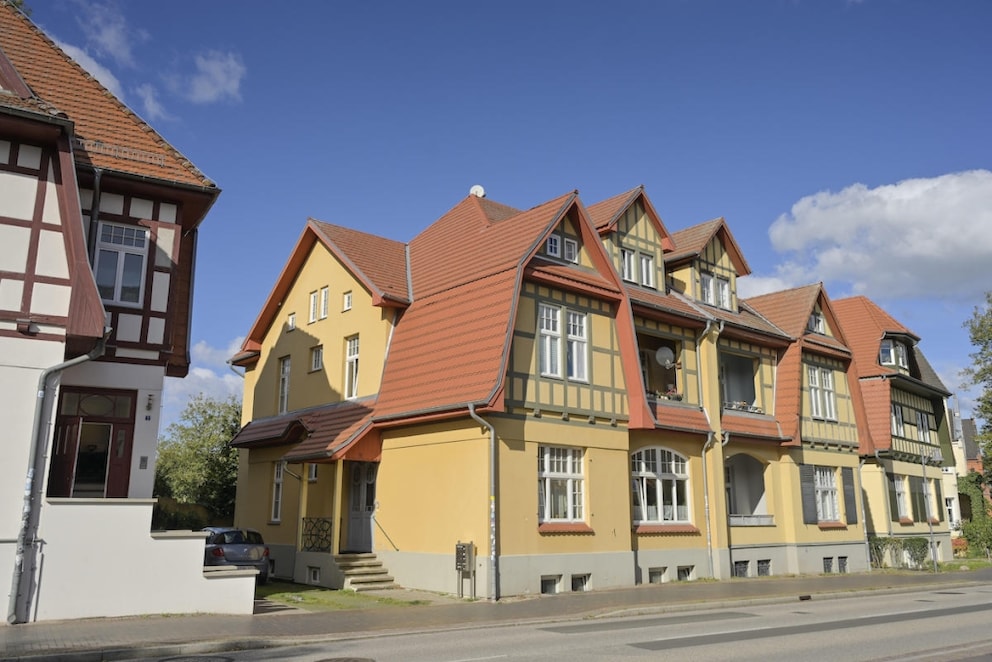
Beautiful Houses in the Old Town
It’s worth taking a stroll through the old town and taking a closer look at the houses. Alexandrinenplatz in particular is home to many historic buildings in the classicist or Wilhelminian style, which have been lovingly renovated. The streets Am Markt and Am Kamp, August-Bebelstraße, Beethovenstraße, and Dammchaussee are also home to beautiful houses.
“Pearl of the North German Brick Gothic”
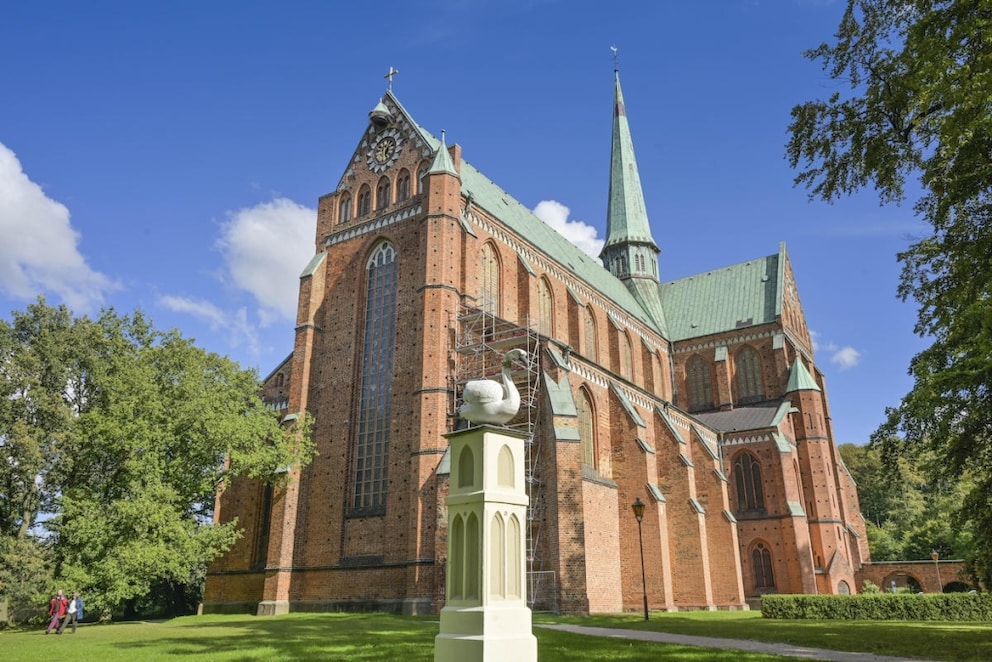
Bad Doberan owes its foundation to the Cistercian monastery, which was founded in 1171. The most magnificent building is the monastery church, Bad Doberan Minster, which was consecrated in 1368. The building is often referred to as the “Pearl of North German Brick Gothic”. Strictly speaking, North German brick Gothic is combined with French High Gothic.
A Church with Magnificent Furnishings
Anyone visiting the cathedral should take their time. Because the interior with the magnificent high altar (it is the oldest German winged altar and was created around 1300), the rood screen cross altar from around 1360/70 with a huge cross, the impressive chalice (around 1300), the high sacrament tower (around 1360) and the tomb sculpture of the Danish Queen Margarete Sambiria (around 1300) is magnificent. A nomination for the UNESCO World Heritage Site has not yet been successful for formal reasons.
Visit to the Monastery Complex
Part of the monastery complex, which survived the Second World War without damage, is the ossuary from the 13th century—a hexagonal tower in which the bones of deceased monks were laid to rest after their graves were reburied. Also preserved are parts of the monastery’s former farmhouse, the granary, the wolf barn (which was probably once an inn), several magnificent entrance gates, the 1.4-kilometre-long circular wall with a height of 2.50 meters, the office building from 1801, and the monks’ cemetery.
The Exciting History of the Monastery Kloster Lehnin

Hidden Gem! This City in Poland Is Worth a Visit
Summer Concerts with the “Molli” Journey
A building like Bad Doberan Minster is a perfect venue for concerts. The summer concert series “Münster, Molli, Musik & Mehr” is very popular, where visitors travel on the “Molli” spa train, experience a guided tour of the cathedral, and then listen to a concert. The series usually runs from June to September, but was suspended in 2020 due to the coronavirus pandemic.
Exotic festival: Zappanale in Bad Doberan
But Bad Doberan also has a completely different, amazing side. Since 1990, the town has hosted the Zappanale, a festival dedicated to the composer and musician Frank Zappa. It was founded by a fan club called the Arf Society, which has even dedicated a bust to the star in Bad Doberan. Former members of the band of the artist, who died in 1993, and cover bands perform at the festival on the racecourse.
(Text contribution: Silke Böttcher)