

November 17, 2026, 1:55 pm | Read time: 6 minutes
When places, landscapes, or structures are added to the UNESCO World Heritage List, it is primarily a special recognition that brings international attention, and this can also lead to economic benefits. In return, the sites must meet certain requirements and preserve their outstanding universal value. Under certain circumstances, the World Heritage Committee can also revoke the status. Conversely, a separation is not possible.
Giving up UNESCO Status? Few Sites Want That
Normally, UNESCO World Heritage sites do everything they can to retain their status. A revocation by the organization itself is considered a last resort by the World Heritage Committee. It is applied when the outstanding universal value of a site has been irretrievably lost. This has only happened three times in the history of the World Heritage List, which has existed since 1978:
- In 2007, the UNESCO World Heritage Committee revoked the title of the Arabian Oryx Sanctuary in Oman. It was added to the list in 1994 to protect the rare Arabian oryx antelope. However, Oman drastically reduced the area of the sanctuary, leading UNESCO to consider the original protective value lost.
- Two years later, a German site lost its UNESCO status: the Dresden Elbe Valley. The reason was the significant changes to the historic cultural landscape due to the construction of the Waldschlößchen Bridge.
- In 2021, the port city of Liverpool was removed from the list. Here, too, construction and development projects were so extensive that UNESCO believed they impaired the area’s outstanding universal value.
It is rather rare for a site itself to request removal from the list. But it is certainly not entirely out of the question. The UNESCO World Heritage status acts like an international seal of quality, increasing a site’s visibility and making it more attractive to tourists. The designation often leads to a noticeable increase in visitor numbers. But what if the place in question is not prepared for it?
When Small Places Inadvertently Become Tourist Hotspots
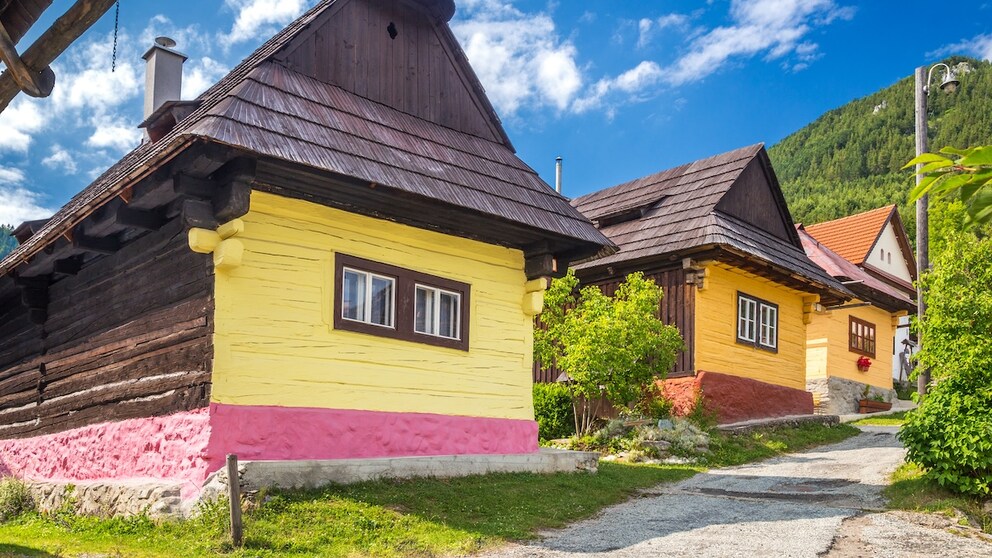
A good example of this is Vlkolínec, a village in the northern Slovak city of Ružomberok, which has been a UNESCO World Heritage site since 1993. The well-preserved appearance of a traditional Central European mountain settlement was decisive for its inclusion. The historic wooden houses (there are not even 50 of them), the narrow alleys, and the 18th-century bell tower give an impression of what such villages used to look like, writes the organization.
Since then, specifically since the UNESCO honor, much has changed. Now, around 100,000 people visit the small village in the Carpathians every year. For the residents of the 4.9-hectare village, this is often quite a hardship. Some of them described the situation to the Slovak newspaper “Denník” earlier this year. According to them, many visitors simply walk through private gardens and unabashedly look into windows. The village is in danger of becoming an open-air museum—with the locals as extras. Many of them have now put up signs indicating that it is private property and that photography is not welcome.
They are also annoyed that the requirements for preserving the historic appearance of the village mean restrictions on the use of their own properties. According to them, they are not allowed to keep pets or farm their small fields as they used to.
These Sites Are Not Entirely Happy With Their Status Either
There are also conflicts over UNESCO World Heritage status in the Solomon Islands. East Rennell, the eastern part of the Pacific island of Rennell, has been a World Heritage site since 1998. However, the designation has faced criticism, particularly among traditional landowners.
In 2018, the Tuhunui tribe approached the UNESCO World Heritage Committee, requesting that their traditionally used land be removed from the World Heritage area. The population benefits little from the status, while the planned conservation measures could restrict the economic use of the land.
This involves activities such as logging and mining, which offer economic opportunities in the western part of the island outside the World Heritage area. Some landowners in East Rennell therefore wonder why they should forgo such sources of income for the sake of conservation without benefiting from the UNESCO status themselves.
The request was withdrawn in 2019. However, conflicts over conservation, land rights, and economic prospects persist.
Nessebar, Bulgaria, Started a Petition
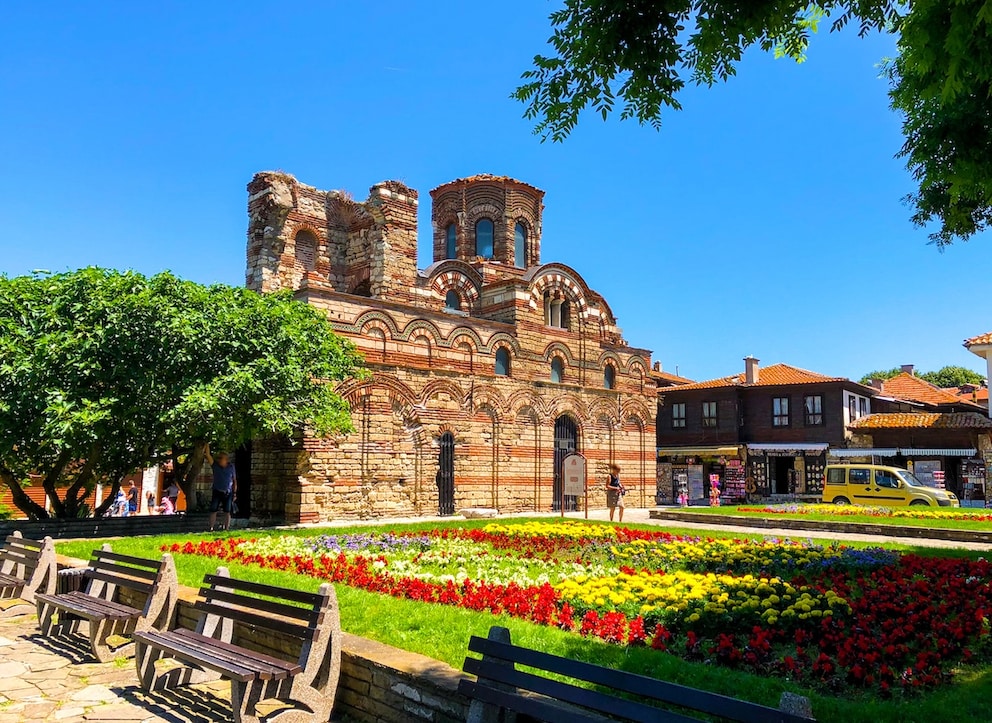
The city of Nessebar has been a UNESCO World Heritage site since 1983. The status has not always been undisputed locally, as shown in 2010: “At that time, media reported on a petition by residents to have the old town removed from the World Heritage list.” This is explained by Timm Nikolaus Schulze, press spokesman for the German UNESCO Commission, in an interview with TRAVELBOOK. The background was a conflict over the demolition of illegally constructed buildings.
In 2025, the UNESCO World Heritage Committee also dealt with the future of the old town, Schulze continues. The focus was on a long-term vision for the future, an associated implementation roadmap, and the draft of a protection and management plan. The committee welcomed the progress on these projects and urged Bulgaria to further develop the documents. The World Heritage status remained unchanged: Nessebar stayed on the UNESCO World Heritage list.
But even if the city had desperately wanted out, it would not have been in its residents’ hands.

Is Machu Picchu Losing Its Status as a ‘New Wonder of the World’?

Germany is Among the Countries With the Most UNESCO World Heritage Sites
World Heritage Sites Cannot Remove Themselves—Why?
The UNESCO process does not provide an easy way for residents or communities to give up World Heritage status themselves. This is not an oversight but a deliberate decision, as Schulze explains to TRAVELBOOK. “World Heritage status is not a cancelable membership. The UNESCO World Heritage Committee decides on a removal.”
With World Heritage status comes the obligation to protect and preserve the site in the long term. Removal from the World Heritage list is extremely rare, as explained above. In the event of a threat, the World Heritage Committee can first place a site on the list of endangered World Heritage. This is intended to draw attention to potential damage and mobilize support for protective measures.
At the same time, UNESCO is aware of the potential disadvantages of the status. “Traffic, waste, or overused resources can burden the population and endanger the World Heritage sites,” says Schulze. On the other hand, tourism can strengthen the local economy.
It is therefore crucial to design it sustainably together with the local people. Appropriate strategies and management plans should help limit burdens, protect the sites, and convey their significance to visitors. The number of visitors alone says little about whether this succeeds.
Status Brings Responsibility
This also makes it clear why a community cannot simply give up World Heritage status: The protection of a World Heritage site does not only concern the local people but is part of an international agreement. The status is not just an award–and certainly not one that a site can dispose of itself. Instead, it also brings a responsibility that extends beyond the community’s own borders. Therefore, only the UNESCO World Heritage Committee can decide on a removal from the World Heritage list.