

October 29, 2026, 9:54 am | Read time: 5 minutes
The unassuming Uzbekistan is rarely on travel lists, yet the modernist buildings in its capital, Tashkent, have been UNESCO World Heritage sites since July. Soviet structures with artistic embellishments meet oriental patterns, bustling markets, and a cuisine that impresses.
Uzbekistan is located in Central Asia and was formerly a republic within the Soviet Union. The population is predominantly Muslim, but the state is a secular presidential republic, meaning state and religion are separate. This separation is evident in Tashkent, where mosques and madrasas coexist with terraces, music, and parks.
Tashkent has little in the way of a classic old town. On April 26, 1966, a severe earthquake shook the city, destroying many neighborhoods and leaving over 300,000 people homeless. By 1970, Tashkent was rebuilt, with architects focusing on Soviet modernism: concrete, prefabricated buildings, and large, linear structures.
Soviet Brutalism Meets Uzbek Ornaments
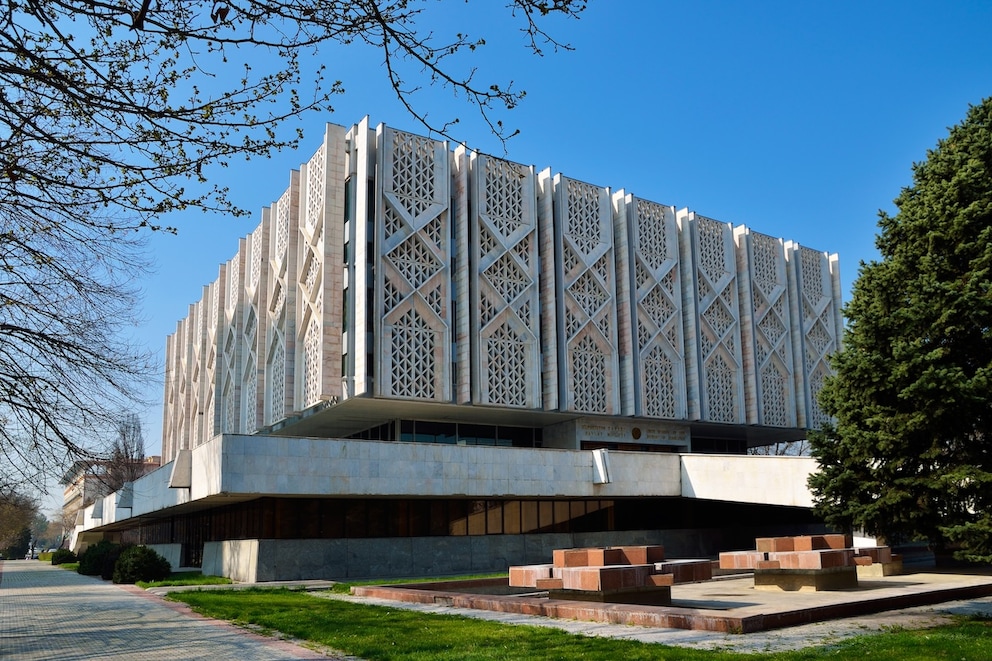
This very new beginning makes Tashkent special today, as many of the buildings from that era are now UNESCO World Heritage sites. The best example is the State History Museum, completed in 1970 as the Lenin Museum, featuring a white marble facade, sun protection grids, and artistic wooden doors. This is typical of Tashkent: Soviet brutalism is not just gray and angular—it incorporates ornaments, mosaics, and regional craftsmanship. UNESCO highlights this blend of modernity and tradition. Many Soviet-era prefabricated buildings, such as residential houses or shops, have been beautified and renovated.
Ancient Quran and New “Old” Buildings
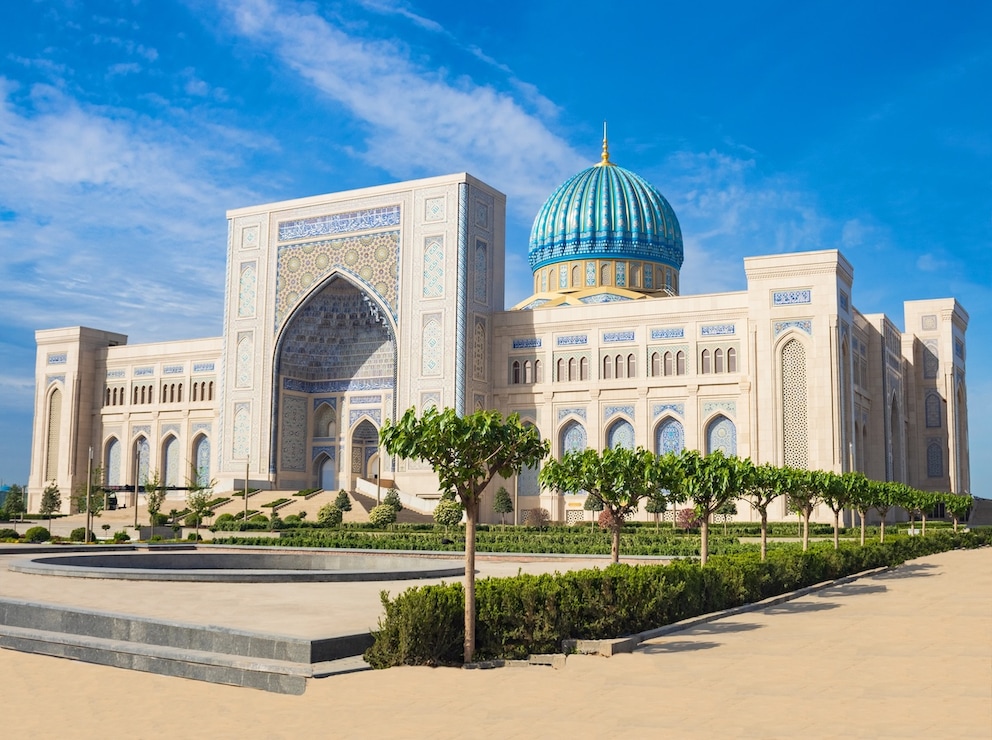
The counterpart to concrete lies in the new old town: The Hazrati Imam Complex gathers madrasas, mosques, and a mausoleum. The highlight is a Quran from the 7th century, said to have belonged to Caliph Uthman. Much was renewed or newly built in 2007 and 2008, such as the Friday Mosque with its two 54-meter-high minarets. Yet everything feels old. The alleys around the Kukeldash Madrasa invite visitors to stroll with small cafes and traditional crafts.
The Metro as an Underground Art Gallery
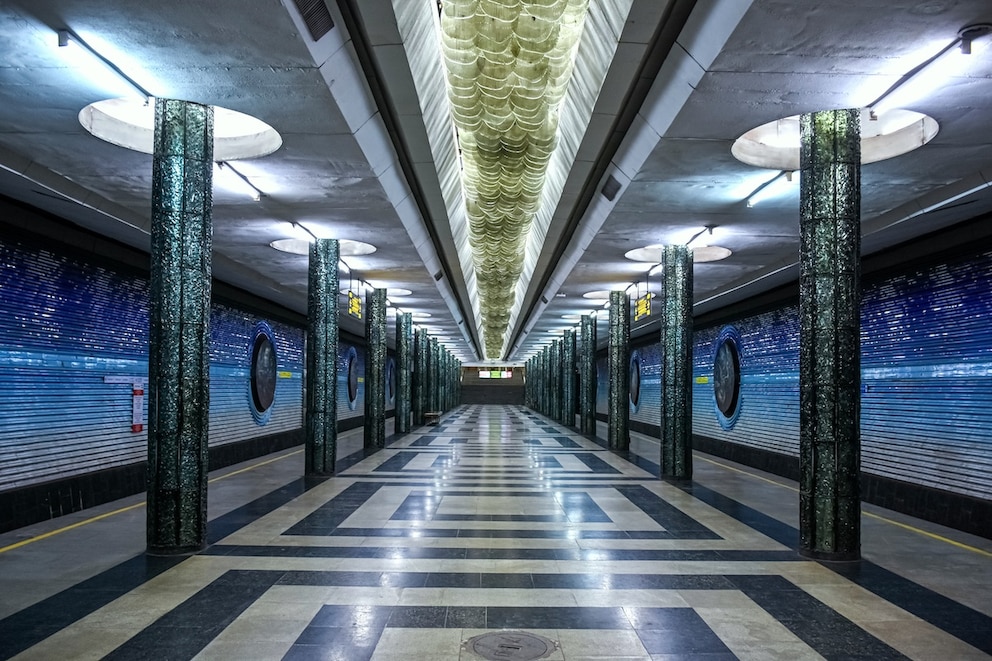
The metro in Tashkent is more than just a means of transportation. It opened in 1977 as the first subway in Central Asia and remains a flagship of the city. Each station is designed around a unique theme, ranging from space travel to cotton to poetry. Marble, granite, ceramics, and chandeliers artistically express these themes. The network is far from a museum piece: It includes four lines with 50 stations over more than 70 kilometers and has been significantly expanded since 2020. Travelers here don’t just move from point A to B—they pass through an art gallery.
Above ground, visitors also get around easily, as Tashkent has a dense public transportation network. This includes modern electric buses with air conditioning, making it convenient and affordable to explore the city.
Centuries-Old Trade at a Modern Bazaar
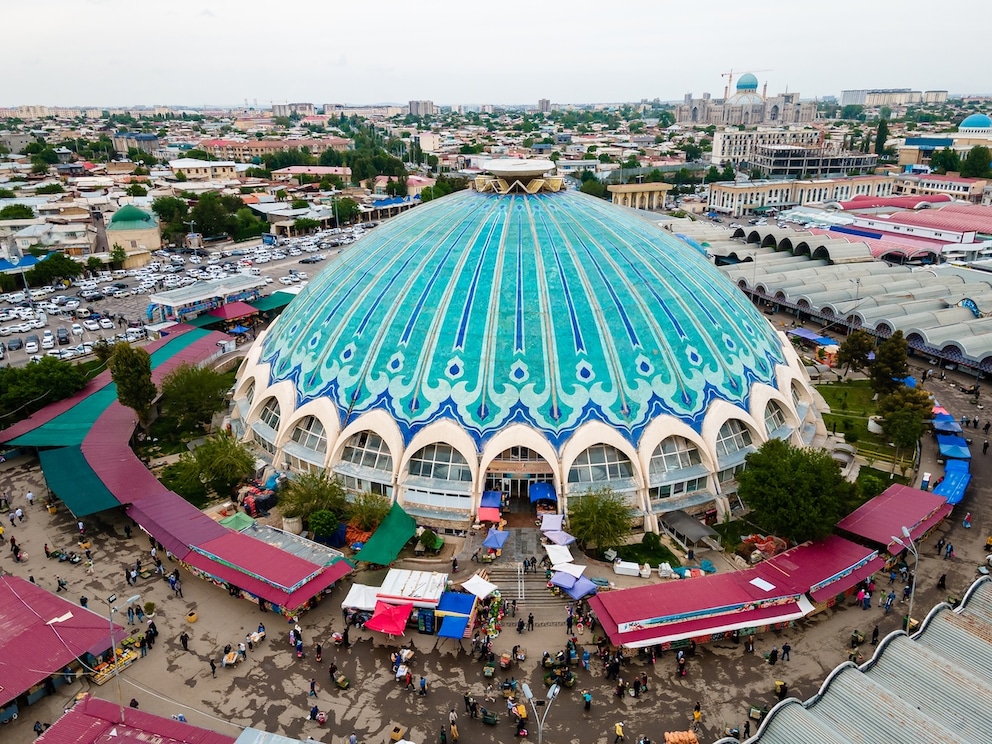
The heart of the old town is the Chorsu Bazaar, which is also part of the World Heritage. Under its turquoise dome, goods from the land are traded: dried fruits, nuts, spices, fresh bread. The building, which appears old, actually dates back to the 1980s, but trade at the “crossroads”—the meaning of the name—has been going on for centuries.
The halls are roughly sorted by floors. Souvenirs like fabrics, clothing, or handicrafts are mostly found in the rows around the dome, where bargaining is welcome as long as it’s friendly. With food, there’s less room for negotiation, and it’s best to have cash on hand. Those who prefer a quieter experience can visit the Mirabad Bazaar for fresh fruits, vegetables, spices, sweets, and flatbread. It’s located near the Oybek and Toshkent metro stations.

These Eight Vacation Spots Are Still Considered Hidden Gems

7 Places That Are Worth a Stopover
From Lunch Out of the Kettle to the Rooftop Bar
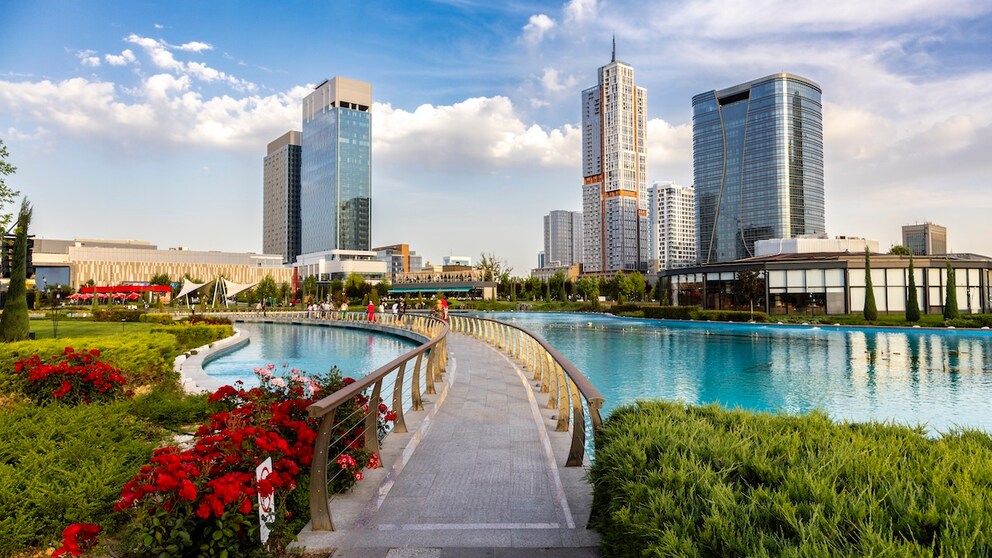
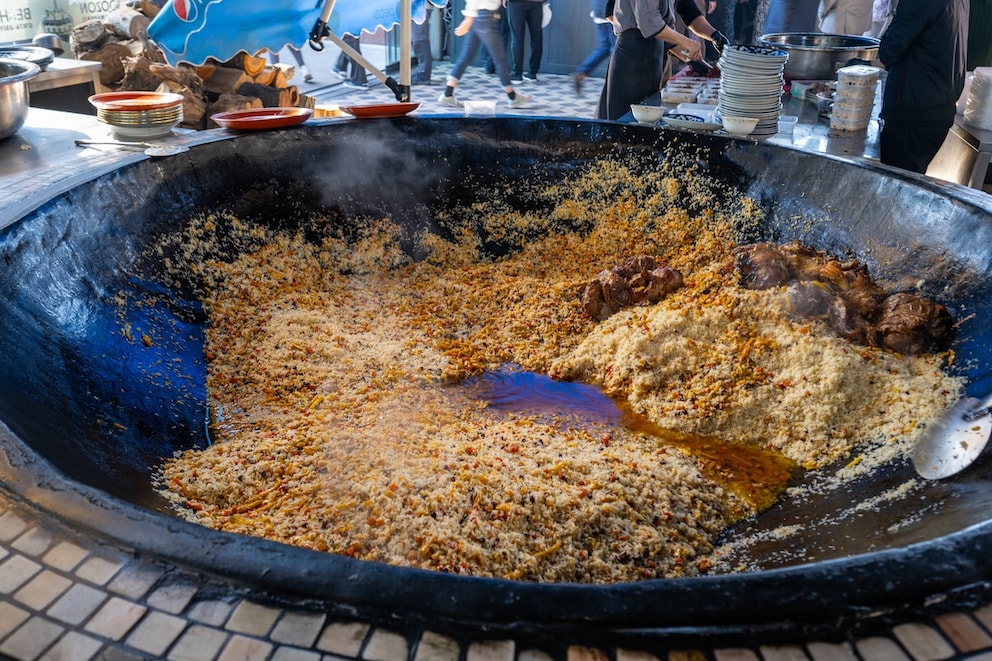
During the day, much revolves around food. The national dish, plov—rice with meat and vegetables—is cooked in huge kettles. At the Plov Center Besh Qozon, you can watch the chefs at work. It’s best to arrive early, as the kettles are often empty by noon. Accompanying the meal are samsa, pastries from the tandoor, fresh flatbread, and a pot of tea. When the evening heat subsides, the parks fill up: In Tashkent City Park, the first show of the 200-meter-long musical fountain starts at 6:30 p.m. Later, rooftop bars with city views, live music, and clubs, especially open on weekends, follow.
Tashkent as a Starting Point for the Silk Road
Tashkent is not a dusty museum but a city where contrasts coexist and complement each other so well that they create a unique culture and modern cityscape. For those wanting to see more of the country, Tashkent is the best starting point for the Silk Road. The high-speed train Afrosiyob takes travelers to Samarkand in just over two hours and to Bukhara in under four. Another express train goes to Urgench, the gateway to Khiva. All four cities are part of the World Heritage. And even beyond the country’s borders, the journey is short: It’s about an hour and a half flight to Almaty in Kazakhstan and around an hour to Dushanbe in Tajikistan.