

February 13, 2026, 3:30 pm | Read time: 6 minutes
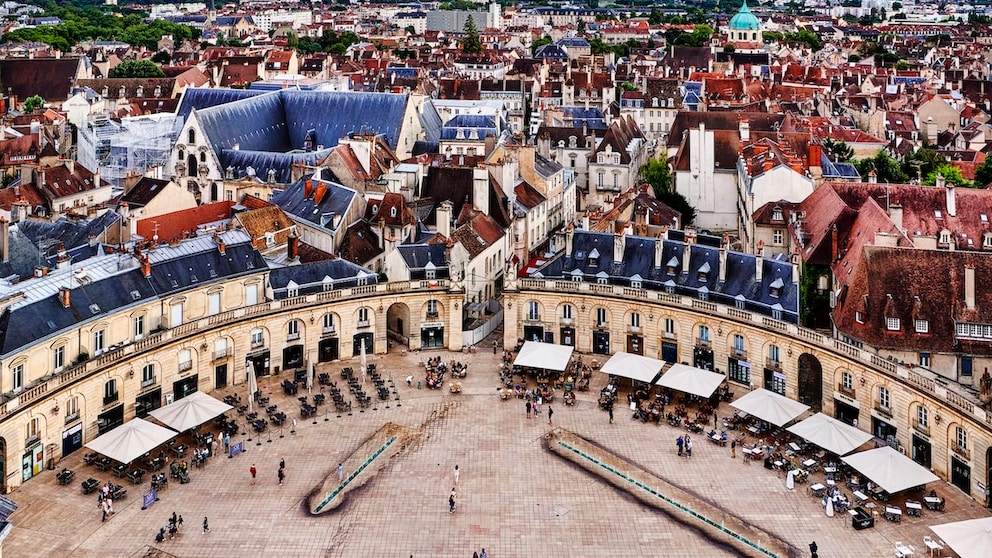
Dijon is best known as the home of the famous Dijon mustard. However, the capital of the French region of Burgundy is much more than just a culinary buzzword: It enchants with a historic old town featuring half-timbered houses and cobblestone streets that are perfect for exploring on foot. At the same time, the city thrives on a vibrant atmosphere of markets, cafes, art, and its proximity to vineyards. Dijon is a worthwhile destination for a city trip.
In Dijon, history, culture, and gastronomy blend impressively: from magnificent churches and medieval buildings to regional specialties. Just a few kilometers south begin Burgundy’s famous wine regions, where world-renowned Pinot Noir and Chardonnay wines are produced. This wine culture also shapes life in the city and is even part of the UNESCO World Heritage of the “Climats du vignoble de Bourgogne.” The famous heritage of Dijon mustard attracts many visitors–but that’s far from all.
Sights and Historical Treasures
The historic old town of Dijon is an open museum full of architectural treasures. Particularly impressive is the “Palais des Ducs et des États de Bourgogne” (“Ducal Palace”). Once the residence of the powerful Dukes of Burgundy, it is now home to the “Musée des Beaux-Arts,” one of the oldest public art museums in France. Dijon also holds the French label “Ville d’art et d’histoire” (“City of Art and History”)–an award for cities with significant historical and cultural heritage.
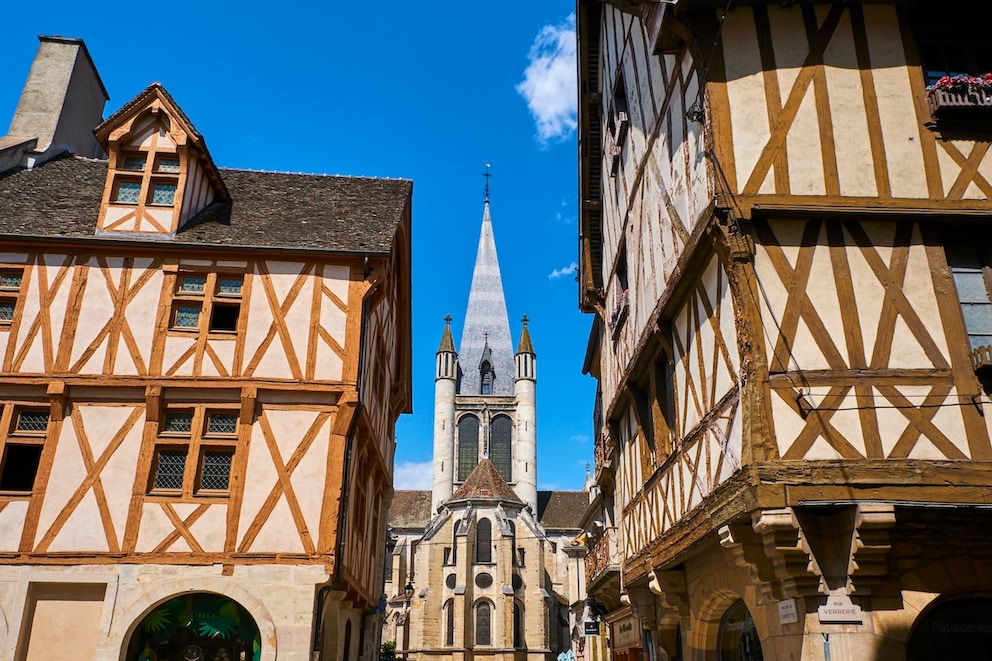
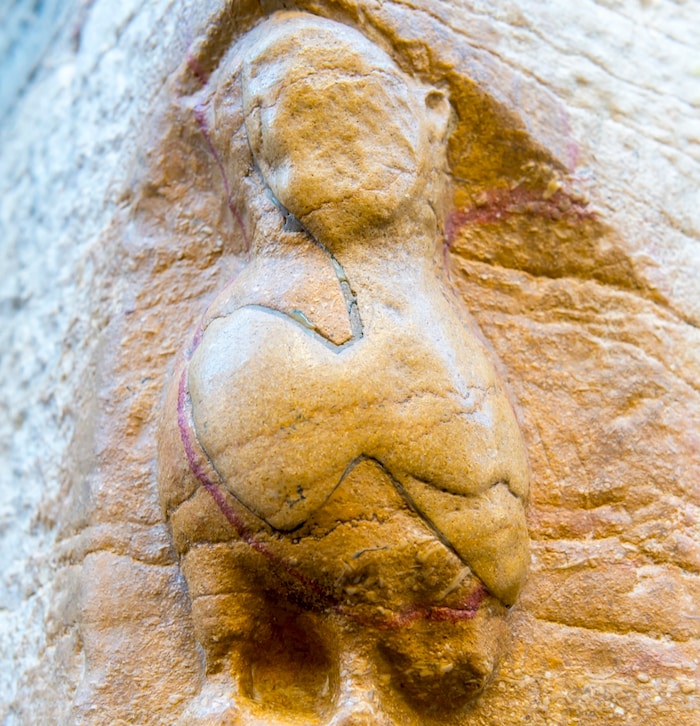
A highlight for many visitors is the “Tour Philippe le Bon,” a striking 15th-century tower. From its observation platform, you have a magnificent view over the city with its glazed roof tiles and winding streets. The Église Notre-Dame is also worth a visit–it houses a famous stone owl considered a good luck charm. A special experience is the “Parcours de la Chouette,” a self-guided city tour with 22 stops. It is connected by small bronze owl markers on the ground and leads to all major sights. Other recommendations include the “Place de la Libération,” the “Place François-Rude” with its ornate fountain, and the triumphal arch “Porte Guillaume.” It is located at the western end of the shopping street “Rue de la Liberté.”
For those seeking a break from the hustle and bustle of the old town, the “Jardin botanique de l’Arquebuse” offers a respite. The botanical garden, with its greenhouses and centuries-old trees, is just a few minutes’ walk from the center and also houses the city’s natural history museum–a quiet contrast to the historic setting.
Culinary Delights and the Famous Dijon Mustard
Dijon and mustard are inseparable. The city was known for its mustard production as early as the Middle Ages. In the 14th century, the Dukes of Burgundy produced mustard. Later, Dijon became the center of French mustard production. A characteristic of Dijon mustard is that the ground mustard seeds are not processed with vinegar but traditionally with verjuice–the juice of unripe grapes–or white wine. In the old town, specialized mustard shops and manufacturers invite you to sample the variety of flavors. The varieties range from classic spicy to coarse-grained and versions with tarragon, honey, or Burgundy wine.
But Dijon offers even more culinary delights: In the market halls at the heart of the city (“Les Halles centrales”), you’ll find regional products from cheese and wine to fresh fruit and pastries. These include local specialties such as Époisses cheese or the aperitif “Kir,” a mix of white wine and blackcurrant liqueur. Since 2022, the “Cité internationale de la gastronomie et du vin” has enriched the city’s culinary offerings. This unique place is a modern cultural center for culinary arts, wine knowledge, and regional products. Dijon as a world cultural city of gastronomy is further strengthened by this. Those who want to delve deeper into the wine culture can follow the famous “Route des Grands Crus” from Dijon, which leads through the most renowned wine towns of Burgundy south of the city.
Also interesting: France–the most beautiful travel destinations and best tips
Car-Free and Walkable
The city center of Dijon is compact and largely pedestrian-friendly. The main sights and squares can be easily explored on foot. Many streets and squares are car-free or have very limited access, making a stroll through the old town particularly pleasant. Wide shopping streets, such as Rue de la Liberté, connect central squares, making Dijon easily accessible without a car. Whether art museums, churches, boutiques, or restaurants–many are close together.
This is complemented by a modern tram network that connects the city center with the surrounding districts.

Avignon in Provence–a City Full of Surprises
My 7 Favorite Places in Bordeaux
Weather and Best Time to Visit
The climate in Dijon is typical of eastern France: temperate with warm summers and cool winters. The months from May to September are particularly suitable for a visit, when outdoor cafes, markets, and walks through the old town beckon. Spring and fall also offer pleasant temperatures to avoid the summer high season. Fall is especially charming. In the surrounding vineyards, the harvest begins, and Burgundy shows its golden side.
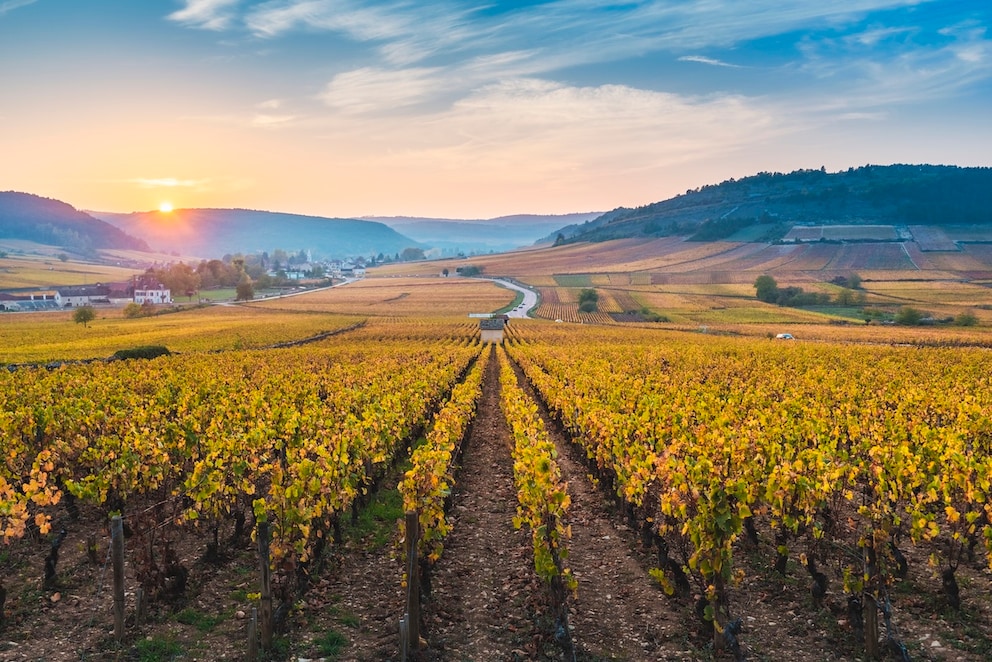
November is also particularly appealing: The “Foire Internationale et Gastronomique” attracts numerous visitors–one of France’s most important culinary fairs. In winter, a visit is worthwhile for the festive atmosphere: Christmas markets, illuminated squares, and fewer crowds give the city a calm, atmospheric feel.
Conclusion
Dijon is a destination that is historical, culinary, and above all, diverse–making it a true hidden gem of France. The combination of medieval architecture, vibrant markets, world-famous mustard, and wine culture makes the city a perfect destination for a journey through the history of Burgundy, a culinary discovery, or a relaxing weekend. Thanks to the compact, pedestrian-friendly old town, museums, churches, wine bars, and market halls can be easily connected. Whether art lovers, gourmets, or wine enthusiasts–Dijon combines many facets of Burgundy in a small space, offering a delightful and diverse city trip.