May 6, 2023, 12:32 pm | Read time: 8 minutes
Canada, Iceland, Alaska–these regions probably come to mind when thinking of a vacation with incredible nature experiences. But you can find them more easily, cheaply, and closer. An Austrian woman reveals her perfect itinerary for a road trip through the Alpine Republic.
If you want to experience pure nature, you don’t have to travel far. Austrian mountains, cities, and pastures have a lot to offer. Most have probably heard of the Salzburg carriages and the Viennese Sachertorte. But Austria has so much more that you must experience: unique spots that you simply have to see and that are best explored on a road trip.
Besides the train, which Austrians use more often than average compared to the EU, the car is the best companion on a journey through the Alpine Republic. Not only because it offers incredible flexibility, but also because it opens up highlights like the Grossglockner Road. You could probably drive through the small country for a month without seeing all the highlights. Our Austrian editor has prepared a route that can be completed in about two weeks.
Also interesting: Vignettes for Austria are getting more expensive again
Overview
Starting Point: Vienna
The best starting point for an Austrian road trip is Vienna. The capital is easy to reach and always worth a visit. First-time visitors can find out here what you must see in Vienna. Those who want to experience Vienna like a true Viennese can find tips here.
Stopover: Rust
On the way from Vienna to Graz, it’s worth stopping in Rust. From Vienna, you can reach the town on Lake Neusiedl in an hour. Rust is known as the “City of Storks,” and indeed, you can see stork nests on countless chimneys. If you want to jump into the lake, you’ll be surprised at first because it’s quite muddy. The reason: Lake Neusiedl is one of the few steppe lakes in Europe. It separates Austria from Hungary, and its name means “swamp” in Hungarian. But don’t worry, on the itinerary, you’ll come across plenty of lakes where swimming is more pleasant.
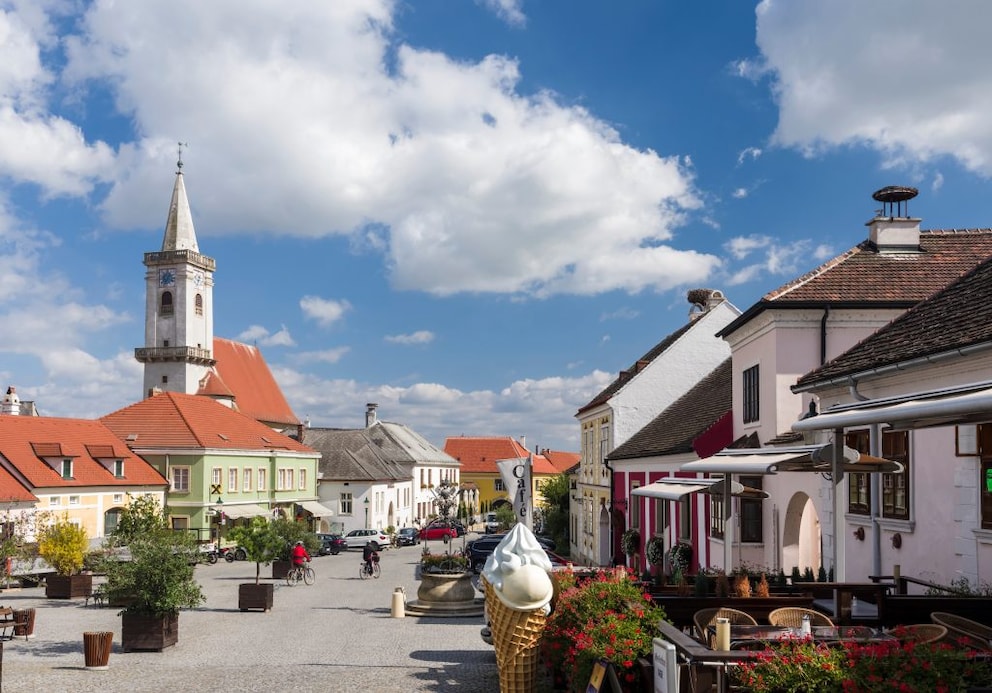
A lunch or dinner at a Buschenschank in Rust is a must. At least the passenger should try the wine list. Rust is in a wine-growing region and is home to several wineries.
Also interesting: The “Stairway to Nowhere” in the Austrian Alps
Next Stop: Graz
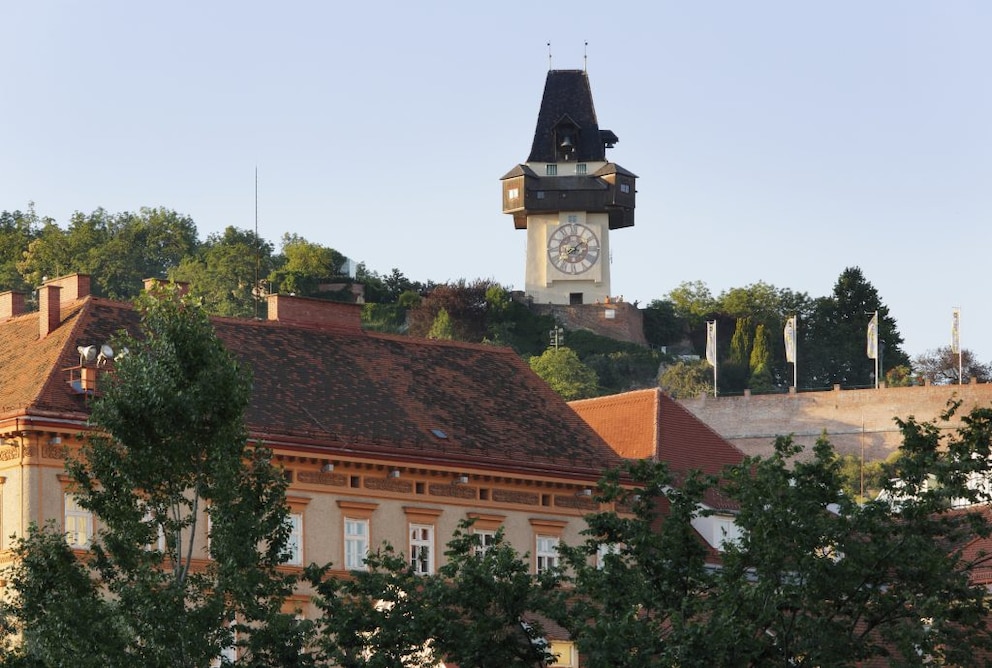
The drive from Burgenland’s Rust takes about two hours, and then you arrive in the Styrian capital. Many don’t know that Graz, with 443,066 inhabitants, is the second-largest city in Austria. Austrians know Graz as a young, hip student city with a Mediterranean flair. When in the city, you should definitely go up the Schlossberg and see the landmark, the clock tower. A visit to the old town is also worthwhile, where the main square and Herrengasse are among the sights.
Also interesting: The Green Lake in Austria, which keeps disappearing
… continue to Gamlitz in Southern Styria
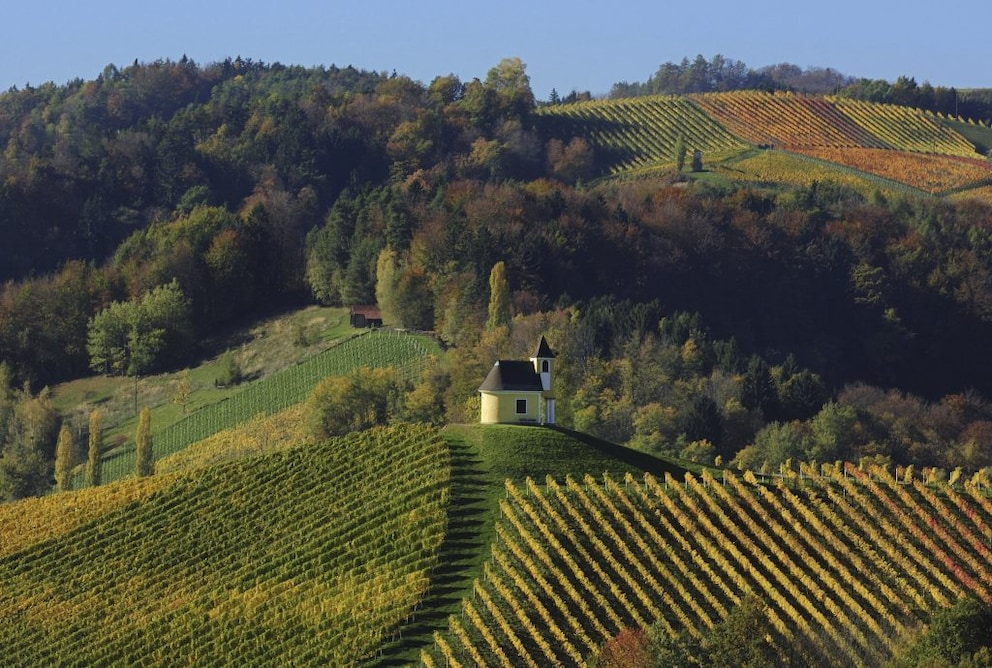
After one to two days in Graz, it’s less than an hour to Gamlitz in Southern Styria. The region on the border with Slovenia is known for its wine and is also called “the Styrian Tuscany.” The wine road leads through the region, past Buschenschanks and traditional farm shops. Gamlitz is a good starting point for hikes through the vineyards and has a lot of history to offer, as the area has been settled since the Stone Age.
Also interesting: Austria vacation–the perfect destination for every type
Next Stop: The Carinthian Lakes
At the Carinthian Lakes, you have a tough choice. It’s best to stop by Lake Wörthersee in Klagenfurt. The drive from Gamlitz in Southern Styria takes about 1.5 hours. The state capital of Carinthia exudes pure quality of life: It is located directly on the large Lake Wörthersee and is definitely worth seeing, even though it’s relatively small. The proximity to Italy has brought the city several ice cream parlors, pizzerias, and even palm trees.
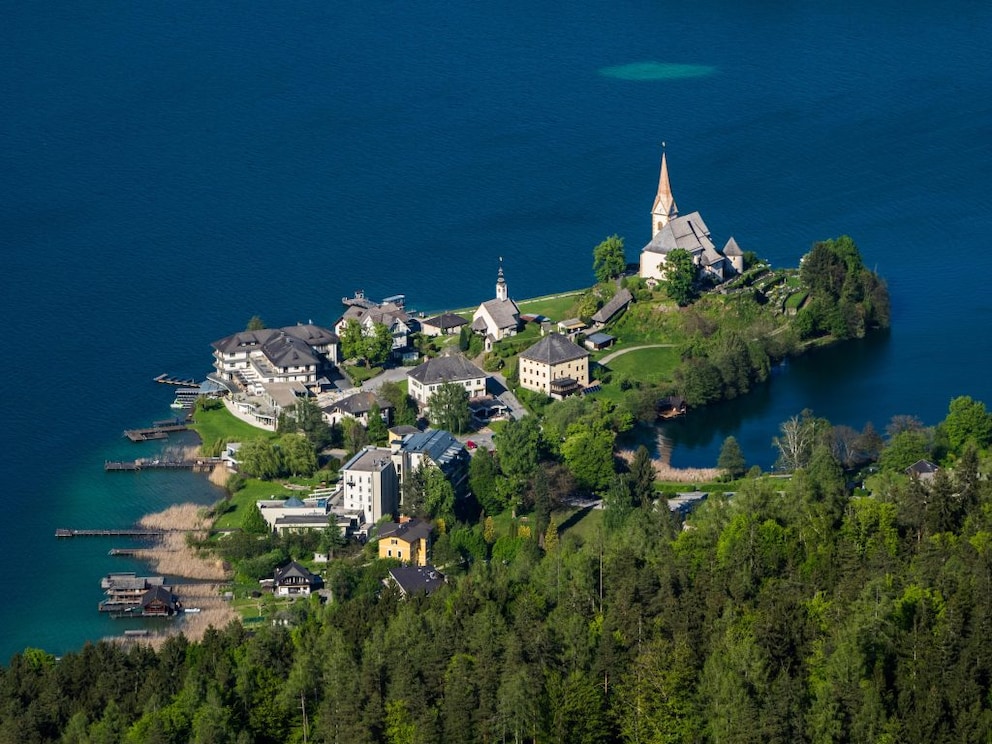
If you want to jump into Lake Wörthersee, you can do so either directly from the Klagenfurt lido, which is highly recommended, or in glamorous Velden. In the small luxury town, everything revolves around seeing and being seen. To see the largest lake in Carinthia from above, a visit to the Pyramidenkogel observation tower is recommended. At 100 meters high, it is the tallest wooden observation tower in the world and offers a 360-degree view of the region’s mountains and lakes.
But you shouldn’t miss Lake Faak, Lake Millstatt, or Lake Klopein either. From relaxing to being active, such as hiking, mountain biking, or swimming, there’s an incredible amount to do here.
Also interesting: The best tips for a visit to Klagenfurt
A Drive Over the Grossglockner High Alpine Road
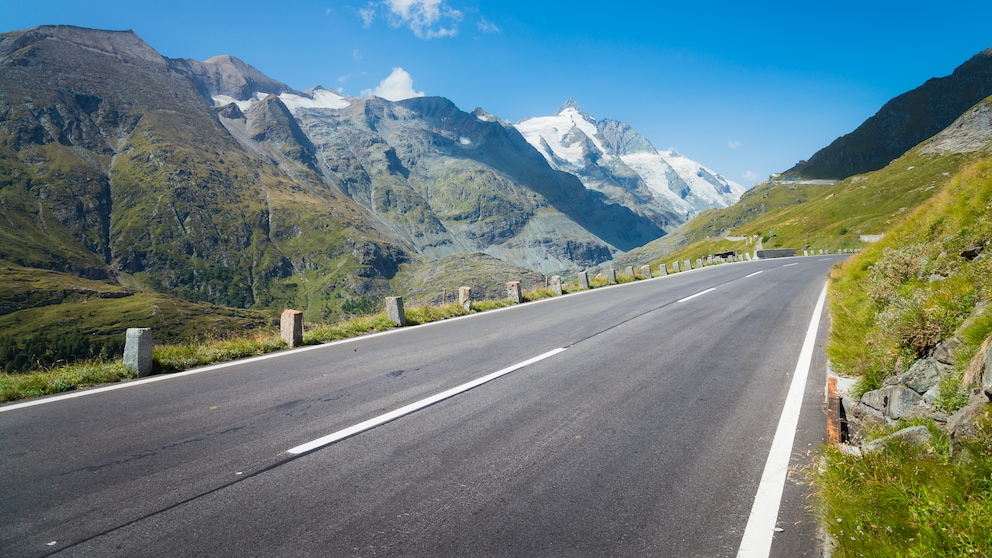
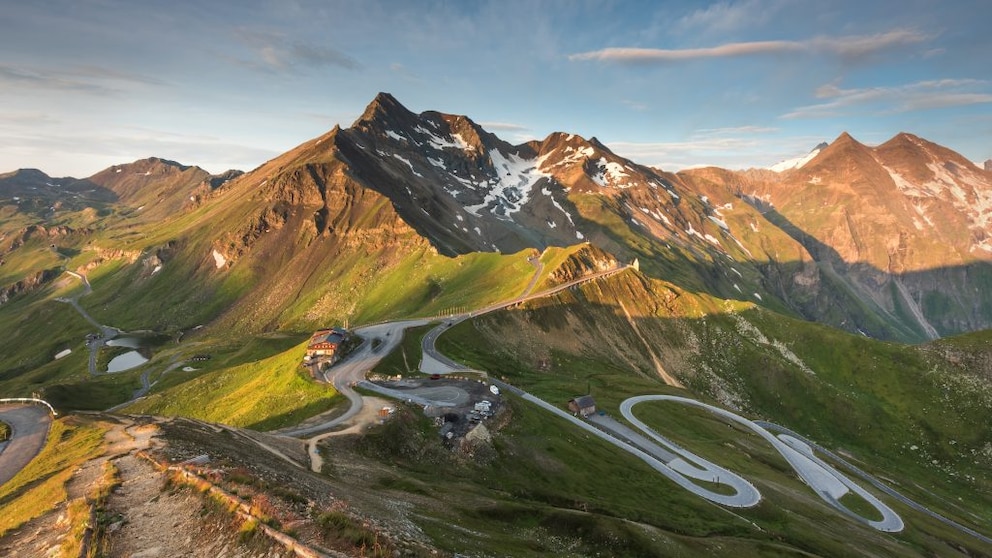
The Grossglockner Road is a must on any road trip through Austria. It is nearly 50 kilometers long and offers panoramic views of a special kind. The road winds up a total of 36 hairpin bends, so driving experience is a must. The Kaiser-Franz-Josefs-Höhe with its visitor center is considered a highlight of the route. From there, you can see Austria’s highest mountain, the Grossglockner. Unfortunately, the road is only open from early May to early November and costs about 40 euros for cars.
Also interesting: The 6 highest mountain stations in the Alps
A Detour to the Special Place Bad Gastein
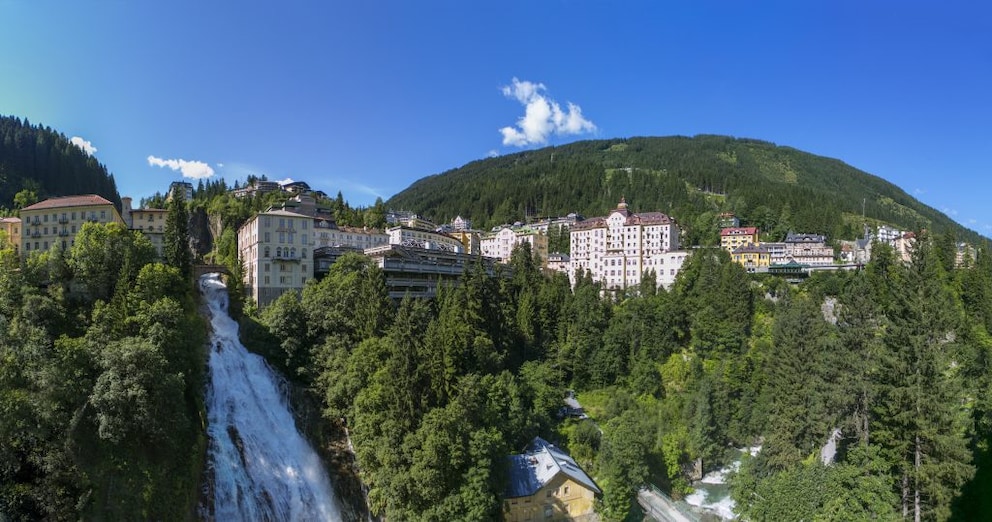
The next stop on this road trip through Austria leads to the special place Bad Gastein. The buildings were constructed on steep slopes and date back to the Belle Époque. Today, the center of the former spa town exudes a morbid atmosphere, as some of the once magnificent buildings in the town center now stand empty. However, a waterfall roars right in the middle of the town. Bad Gastein has largely left its glamour behind but has now attracted some artists who want to make the place hip again and breathe life into it. The fresh mountain air and the many peaks invite you to hike in the summer, and in the winter, Bad Gastein is perfect for skiing.
Also interesting: Popular region in Austria reimburses travelers for travel costs
A Stop in the Hohe Tauern National Park
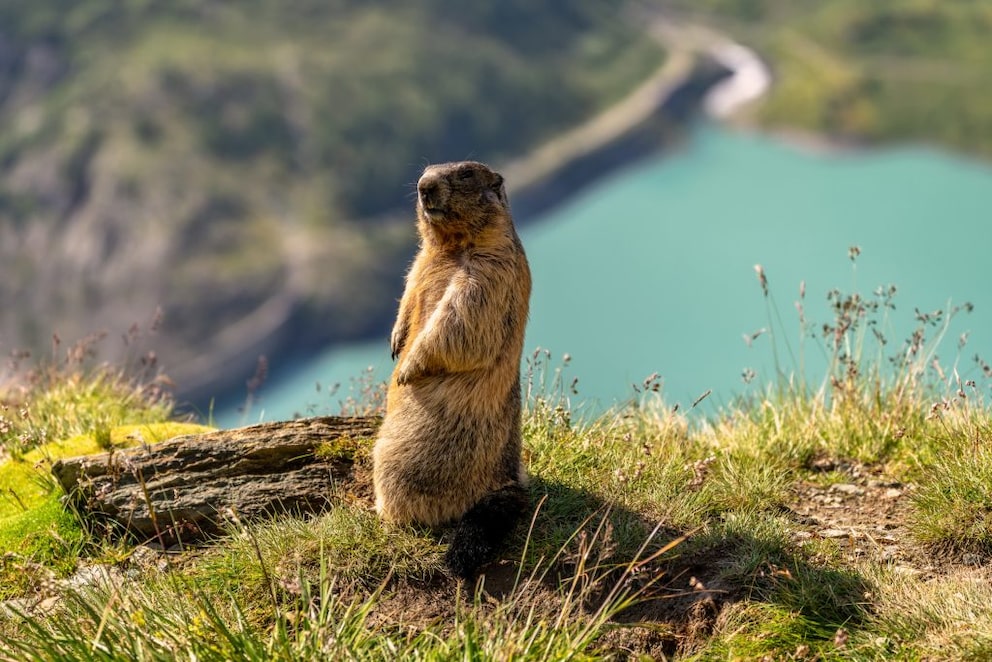
Untouched nature, spectacular views, and pure mountain feeling–the Hohe Tauern National Park offers several superlatives: At 1,856 square kilometers, it is the largest national park in Austria and the largest protected area in Central Europe. The national park is home to Austria’s highest mountain, the Grossglockner, and one of Europe’s highest waterfalls. The Krimml Waterfalls have a drop height of 308 meters. Some visitors might even encounter marmots in the national park. There are plenty of hiking routes here. One that doesn’t make you sweat too much starts at the visitor center and goes to the Swarovski-Warte and continues to the Kaiser Franz-Josef-Haus. A view of the Grossglockner rewards you at the destination.
Also interesting: 8 beautiful and quiet alpine valleys in Austria
Final Stop: Innsbruck
Continue in just over an hour to the state capital of Tyrol. What’s special about the city? Innsbruck is located right in the mountains. The city center with the “Golden Roof” and the city tower is worth seeing. Not only Vienna, but Innsbruck also has a Hofburg that is absolutely worth seeing! A postcard motif you shouldn’t miss is the colorful houses on Mariahilferstraße right on the Inn with a mountain panorama.
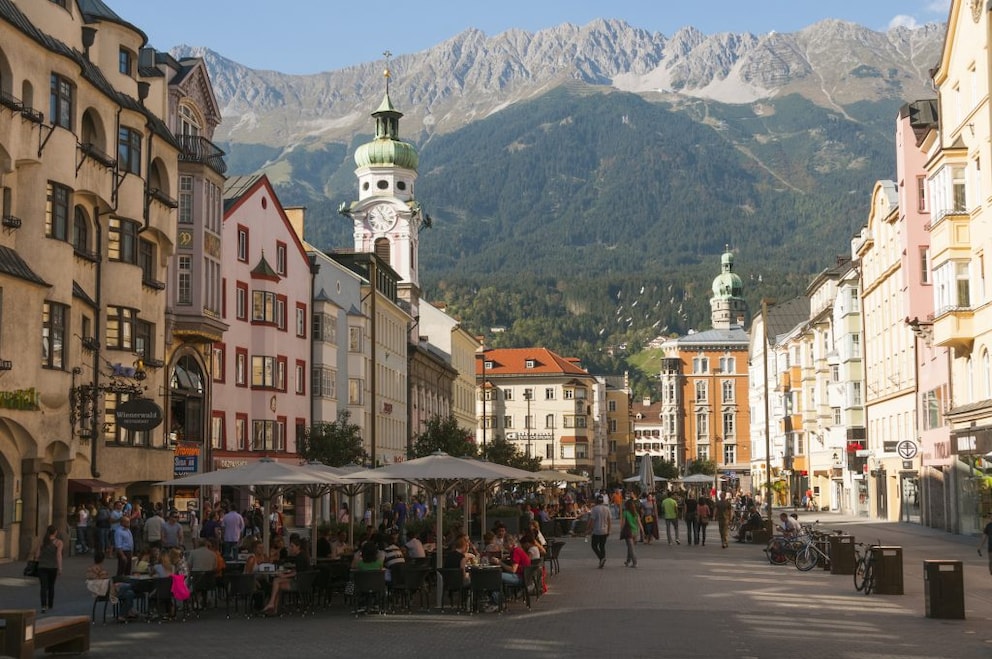
The fact that it’s just a stone’s throw from the city center in Innsbruck to the mountains must be taken advantage of. The Nordkettenbahn takes you from the Congress Station in the city center to the Hafelekarspitze. Innsbruck is well connected by train, and in just under two hours, you can get from there to Munich; the city also has a small airport.
If you have more time, you could travel to Vorarlberg, the Brandnertal, or Lech, or loop back to Vienna and stop in Kitzbühel, Salzburg, and Hallstatt along the way.
Also interesting: The 5 most beautiful villages in Austria
The Road Trip on the Map: