

July 30, 2025, 8:40 am | Read time: 6 minutes
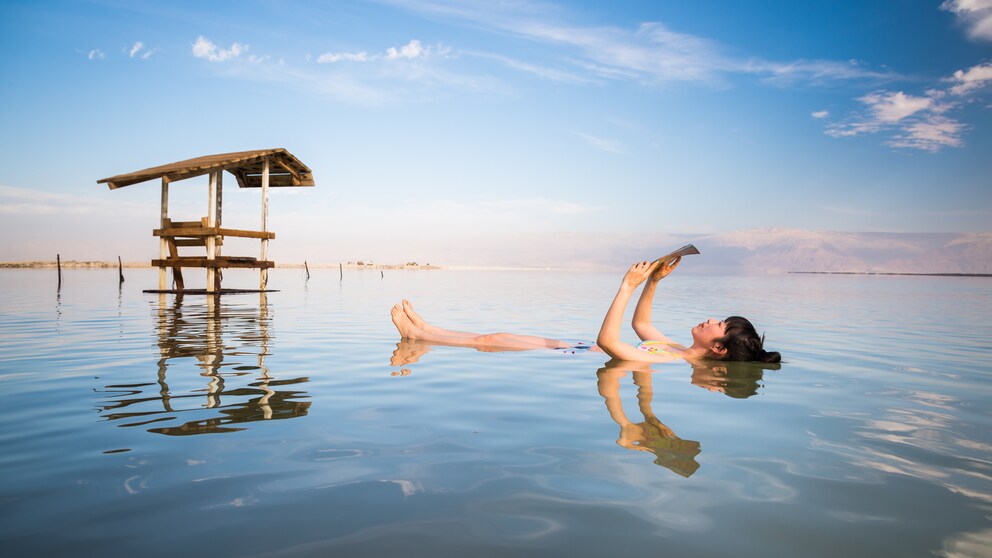
For many, it’s on the “bucket list”: the Dead Sea. Here, you can float on the water and read a newspaper or rub yourself with the nourishing mud on the shore. However, what most people don’t know is that swimming in the Dead Sea can be deadly if you don’t follow the rules. TRAVELBOOK editor Larissa Königs visited both the Israeli and Jordanian sides of the Dead Sea and explains how to safely enjoy this natural wonder.
At first glance, the Dead Sea looks like something out of a dream—or a travel catalog. After driving through the deserted desert, the turquoise, still water appears behind a sand dune. This unique place is one of the most visited attractions in Israel and Jordan. Yet, few are aware of the danger lurking in the sea. In fact, swimming in the Dead Sea is quite dangerous. The reason: the water is so toxic that people can die after just a few gulps.
The Salt Content of the Dead Sea

The water of the Dead Sea has an exceptionally high salt content, over 30 percent. In comparison, the Mediterranean Sea has only three percent. This is why you can float on the water in the Dead Sea and read a newspaper. However, the highly concentrated minerals act like poison in the human body. If you swallow the water or accidentally inhale it, it can lead to multiple organ failure and death in just 30 minutes. If you swallow a large gulp of the water, it’s best to vomit it out immediately.
To prevent this from happening, tourists should follow the lifeguards’ instructions and adhere to certain rules, which are also posted on information boards at official beaches.
Dead Sea: Official Rules for Safe Swimming
Do Not Float on Your Stomach
Yes, it’s fun to float on your stomach like a whale in the water. But in this position, the risk is greatest that you might accidentally get a mouthful of water. Turning onto your back can also become dangerous if you lose balance and your mouth goes underwater.
No Diving or Splashing
Things are actually very orderly at the Dead Sea. Diving and rolling are just as much no-gos as splashing water. This is not only due to the risk of poisoning: Anyone who has ever gotten just a drop of the salty brine in their eyes knows how much it burns. In many places, lifeguards are therefore meticulous about ensuring that people don’t overdo it in the water.
Stay Within Designated Swimming Areas
At some beaches, such as En Bokek in Israel, you can float relatively far out. At other coastal sections, such as Kalia Beach in Israel and many hotel beaches on the Jordanian side, the swimming area is severely restricted. This is not a nuisance but has a reason: In some places, the salt content is lower.
Drink Plenty of Water
When you spend half your time in the water, it’s easy to forget that you’re still in the desert. The humidity here is extremely low. Additionally, it’s very warm. Even in February, temperatures can reach up to 86 degrees Fahrenheit. The salty water further dehydrates you. Therefore, you should make sure to drink plenty of water and spend a maximum of three hours in and directly at the Dead Sea.
Tip: Bring Water Shoes or Flip-Flops
The Dead Sea’s shores are lined with salt crystals that can be sharp. Additionally, the ground, especially in muddy areas, is very slippery. Wearing shoes can help you avoid the risk of falling. Speaking of falling: If the water is deep enough to swim, you should slide in slowly and not just fall backward.
Those who follow these rules can safely enjoy the Dead Sea. Don’t worry if you get a little water on your mouth. Just keep your mouth closed, float, and enjoy the silky feeling on your skin afterward.
Why you should travel to the Dead Sea once in your life
Spotted Lake in Canada Attracts Space Researchers
What Are the Health Benefits of the Dead Sea?
The Dead Sea is especially valued by those with skin and respiratory conditions for the healing properties of its mineral-rich mud, air, and water. The mud and water contain not only salt but also many minerals, such as potassium, magnesium, and calcium. This makes both the water and mud “the best salt there is” for treating skin and respiratory conditions, as dermatologist Cornelia Hammer from the Dermatology Clinic told the German newspaper WELT. FITBOOK also reports that salt baths, especially those with Dead Sea salt, have been part of the official therapy for neurodermatitis for many years, as they soothe the skin and reduce symptoms.
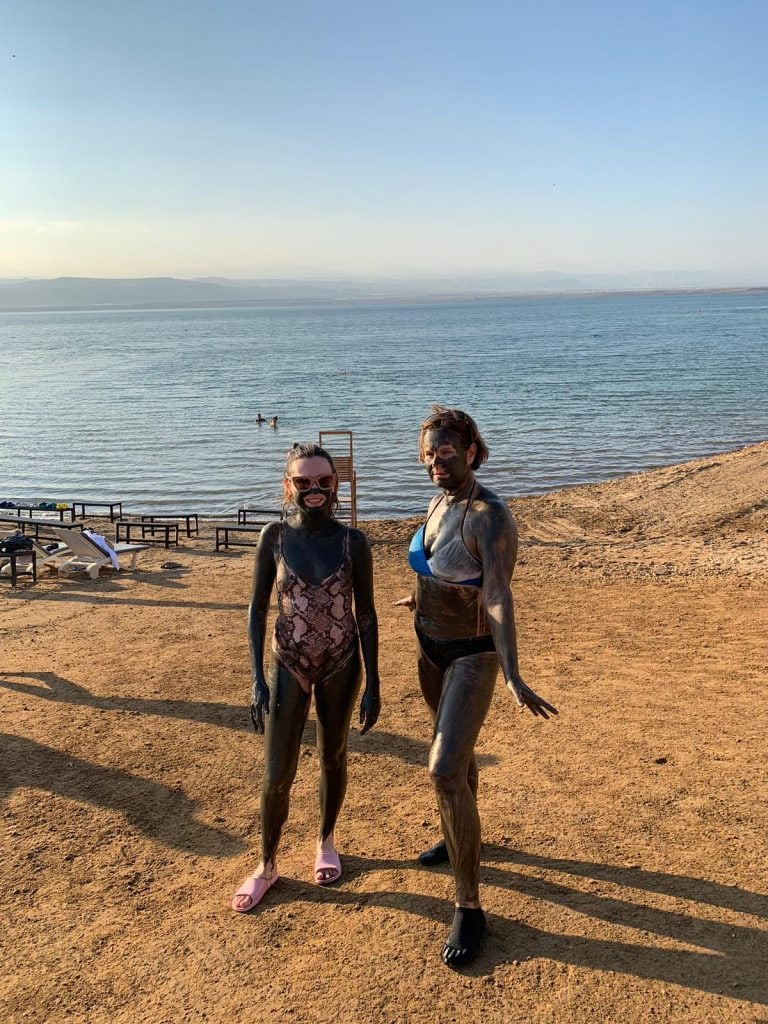
Although the effects are not yet fully researched, personal experience suggests that after a mud treatment and a long bath, the skin indeed feels silky smooth—and skin blemishes were significantly less noticeable in the week following the bath.
Why you should travel to the Dead Sea once in your life
Spotted Lake in Canada Attracts Space Researchers
What Are the Health Benefits of the Dead Sea?
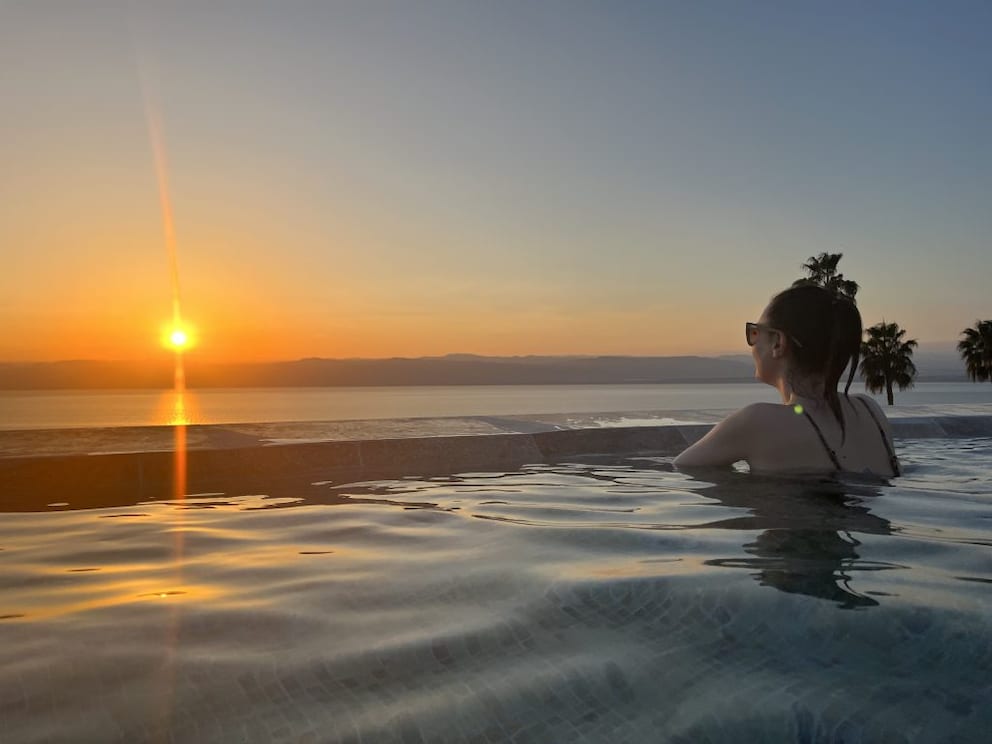
The Dead Sea can be accessed from both the Israeli and Jordanian sides. Both sides have public and private hotel beaches reserved for guests. On the Israeli side, there seemed to be more salt and mud available than on the Jordanian side. However, the Jordanian side has the advantage of offering a view of the sunset over the Dead Sea. Whether you visit the Dead Sea for its health benefits or the tourist experience, both sides have something unique to offer.
Is the Dead Sea Disappearing Soon?
For years, the water level of the Dead Sea has been receding. Visitors can see the effects: The paths from the parking lots are getting longer, and at many bathing spots, the exposed layers of the past decades are clearly visible on the shores. If the water continues to recede at the current rate, environmental scientists predict that the Dead Sea could disappear in about 300 years.
Scientists attribute the decline to the general water scarcity in the region. Due to climate change, temperatures in the Judean Desert are rising. According to estimates by hydrology professor Marwan Al-Raggad from the University of Jordan, they will be five to eleven degrees higher on average by the end of this century, and precipitation will be 30 percent lower, reports “NBC News.”
Experts are divided on whether the Dead Sea will completely disappear. Some believe the salt lake will merely shrink to a fraction of its current size. However, those impressive photos of tourists floating and reading newspapers will likely become a thing of the past.