

September 25, 2025, 12:01 pm | Read time: 4 minutes
Lombok has long been considered a hidden gem next to the tourist-flooded neighboring island of Bali. Thanks to a new luxury project, this might soon change. TRAVELBOOK has the details.
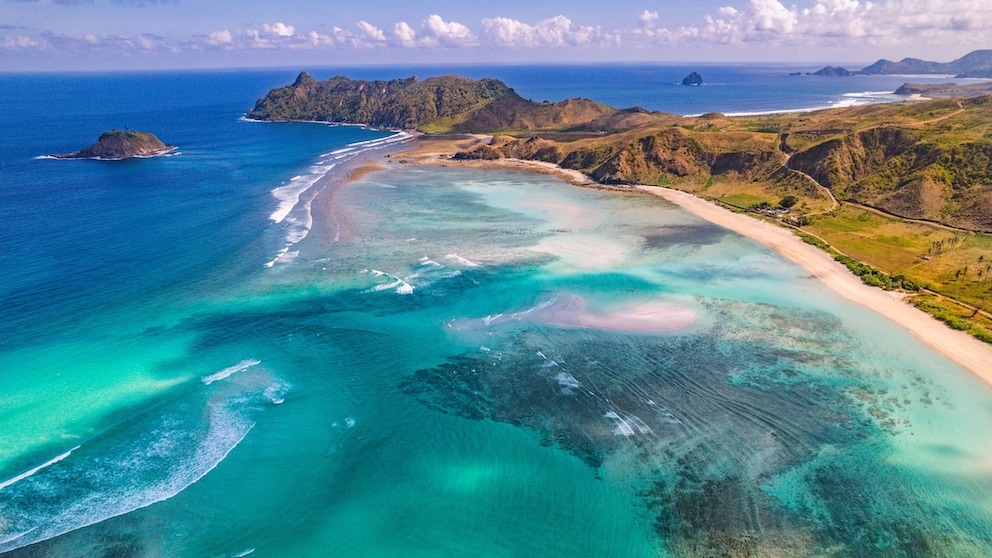
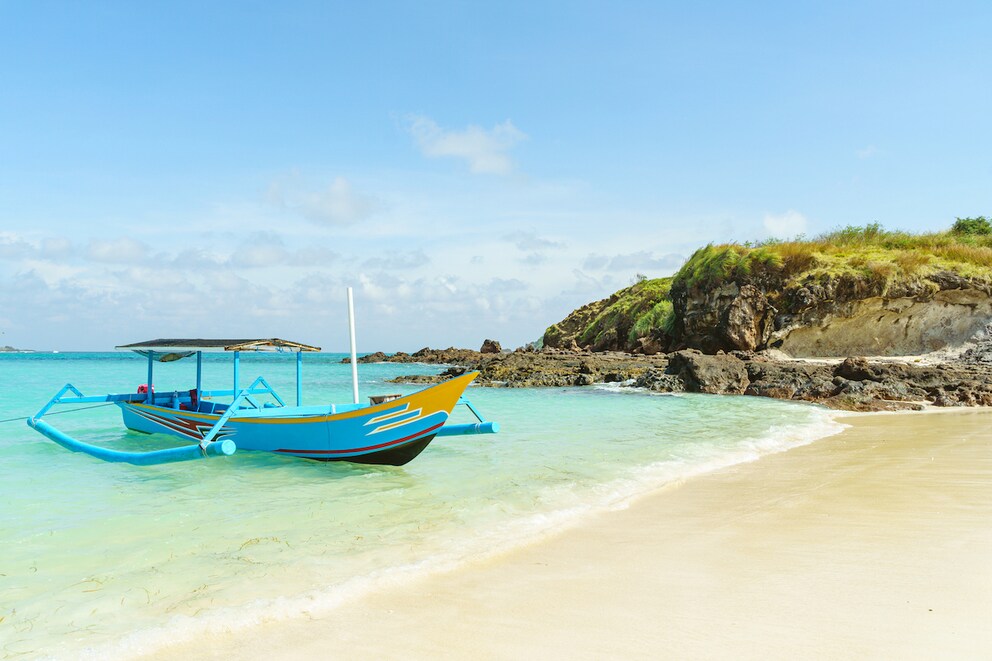
Almost empty sandy beaches with clear turquoise water. Wild-growing nature on both sides of the partly unpaved roads we traveled on with our scooter. A single, simple beach bar where all the backpackers gathered in the evening. That’s how I remember my visit to Lombok. This image may soon be a thing of the past, as Bali’s neighboring island, Lombok, aims to at least match its tourist appeal with its Marina Bay City. It’s already being dubbed the new “Miami of Indonesia.”
Luxury City on Lombok
A mega-project is currently developing on the Indonesian island, a smart city, as reported by the German Press Agency (dpa). Marina Bay City is being built on 149 hectares of prime coastal land in southwestern Lombok, featuring resorts, high-rise luxury villas, an international school, a marina, and fences that separate the new residents from the rest of the island. The 850-million-euro project in Buwun Mas is funded by investors from Australia.
On the associated project page, the developers are seeking additional investors to secure a stake in “Indonesia’s next top lifestyle and tourism destination.” And it’s not even that expensive, at least from a European or Australian perspective. Villa prices start at 75,000 Australian dollars, equivalent to 42,138 euros. Everything from studios to massive mansions is offered. For a luxury property in a stunning setting, that doesn’t sound too bad at first. Provided the plan works out. But what about what this project destroys?

A Single Field of Debris: What Is Really Happening at the Famous Bingin Beach in Bali?
Why Lombok is the new Bali
Mass Tourism Soon on Lombok?
Bali is an example of how mass tourism can destroy previously beautiful, tranquil places. Even when I visited Bali, Lombok, and the Gili Islands ten years ago, many tourists were there with me. And yet it was beautiful, very beautiful indeed. Many places showed their dreamy Balinese authenticity, and numerous beaches were almost deserted. On Lombok, for our mid-twenties expectations at the time, there was almost too little going on. Original and authentic, that’s how I’ve remembered Lombok since then. And is that soon to end? Instead of small fishing villages, high-rises and luxury resorts? Bali now groans under the tourists, the constant trash, and the misbehavior of so many Europeans, Americans, Australians, and others who, instead of appreciating Balinese culture, do their own thing. This future now apparently awaits Lombok, which has always been considered a hidden gem and promised an honest experience of Indonesian dream islands in all their originality. What a shame.
And how do the residents of Lombok feel about the planned changes? The dpa reports a “mix of hope and concern” and quotes village chief Rochidi as saying: “In the past, investors only bought land and then left it fallow (…), now real construction is happening. We hope our people can find work and benefit.” According to dpa, the investors in Buwun Mas promise “solar-powered vehicles, waste management systems, and fair jobs for the locals.”
Resort in the Home of Komodo Dragons
And as the dpa text suggests, the transformation of Lombok from a hidden gem to a luxury and mass travel destination is not the only such project in the area. On the small, uninhabited island of Padar, home to the Komodo dragons, a mega-resort is also set to be built. With villas, a spa, restaurants, and a wedding chapel.
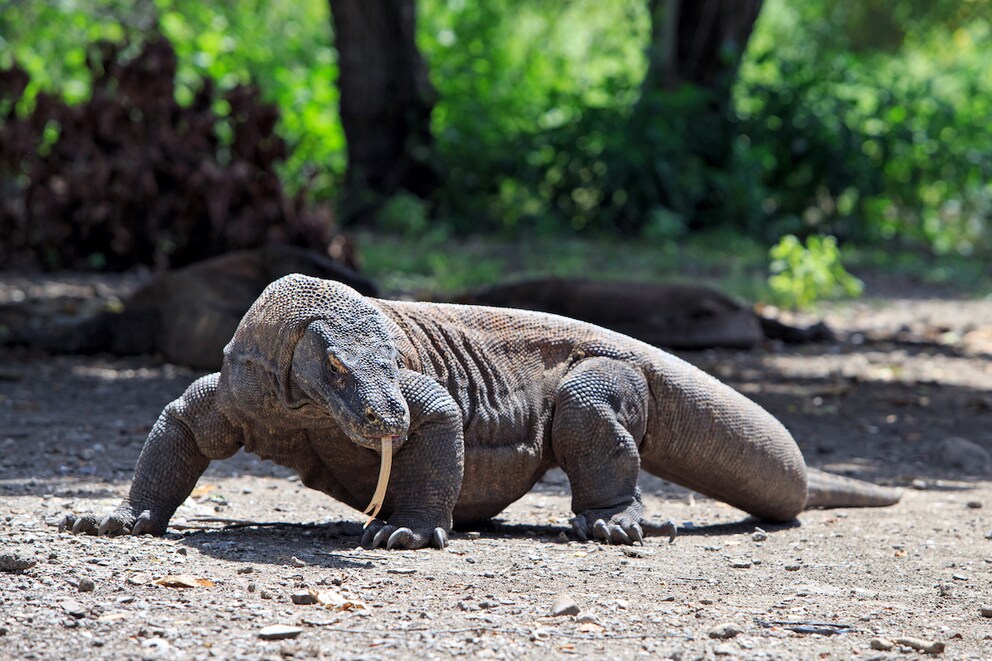
Padar is part of the Komodo National Park, a UNESCO World Heritage site and one of the few habitats of the endangered giant lizard species. According to dpa, the new resort is to be built right in the habitat of the world’s largest lizard species, with overlaps with breeding and feeding grounds. Accordingly, environmental experts warn that the construction work could disturb the fauna. TRAVELBOOK already reported in 2021 on the planned expansion of tourism in Indonesia and its consequences for its inhabitants.