

March 11, 2026, 4:03 pm | Read time: 6 minutes
Remote islands offer an alternative to crowded tourist spots. But do they exist in Europe? TRAVELBOOK presents six European islands where you can escape the hustle and bustle and enjoy some solitude in nature.
When daily life is filled with appointments and mental load, the nervous system craves deceleration, peace, and the freedom to simply be. And where better to find this than on a (nearly) deserted island or at least one where you don’t have to jostle with countless other tourists to take the same photo? Here are six islands for a peaceful vacation in Europe that are (still) not overcrowded, and some even truly remote.
Overview
Heimaey, Vestmannaeyjar, Iceland
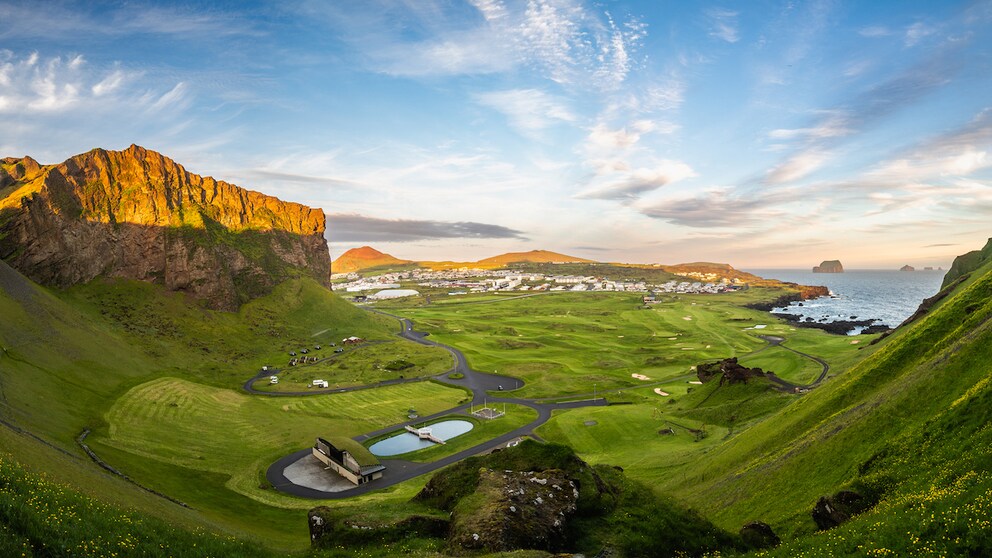
According to CNN, more puffins live on Heimaey (large image above) than people. The island is part of the Vestmannaeyjar group and is located off Iceland’s south coast. Besides puffins, Heimaey offers one thing above all: nature. Green cliffs and landscapes, black sand beaches, volcanoes and mountains, along with sheep, the sea, and tranquility. Lonely hiking trails traverse the island, offering fantastic views of the ocean.
About 4,500 people live on the largest of the Westman Islands, alongside nearly a million pairs of puffins, which form the largest Atlantic puffin colony in the world. According to the info site iceland.de, these are still caught, and their eggs are collected. “Care is taken not to endanger the stocks,” the site states. The birds also attract many visitors during the breeding season, making Heimaey a bit busier. Those seeking absolute peace should avoid the island, especially on the first weekend in August. It is said to burst at the seams during this time, according to the info site. The National Festival of the Westman Islands takes place over three days and nights, with island residents and thousands of mainland guests participating.
Heimaey can be reached by a ferry that runs several times a day between the island and Landeyarhöfn on Iceland’s south coast. The trip usually takes about half an hour.
Rathlin Island, Northern Ireland
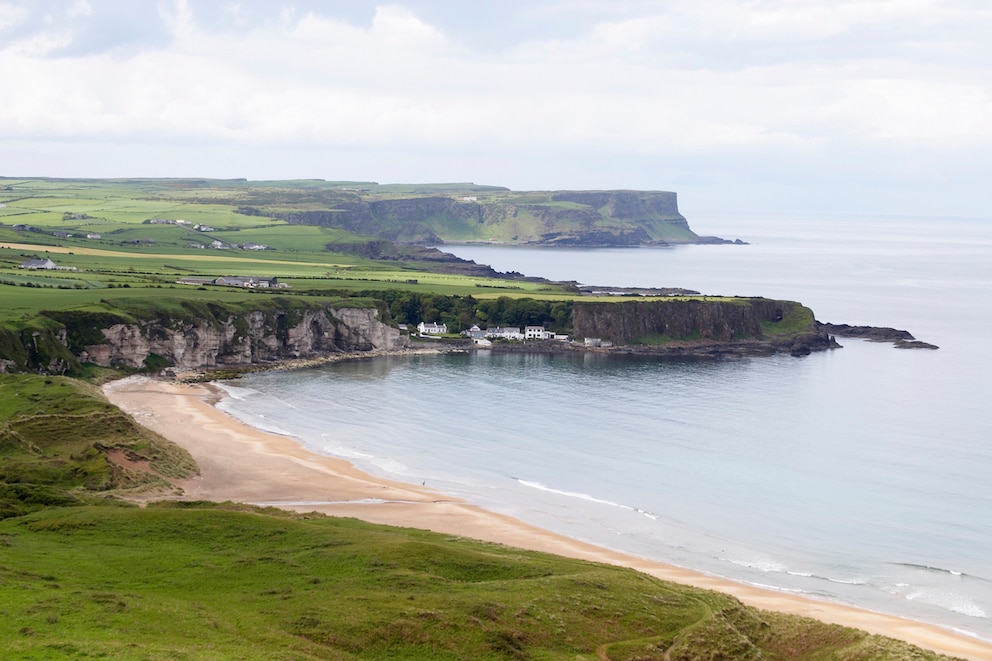
Located off the coast of Northern Ireland, Rathlin Island is about 9.7 kilometers long and 1.6 kilometers wide. Around 150 people live on the picturesque island along the Causeway Coastal Route. Otherwise, you’ll encounter thousands of seabirds here, such as puffins, guillemots, kittiwakes, and razorbills, which find their nesting sites on impressively rugged cliffs. Visitors can also observe seals and gray seals on Rathlin Island. Numerous hiking trails lead through a nearly untouched landscape with green meadows, offering beautiful views of the Atlantic in many places. The island is also popular with divers who can discover several historic shipwrecks off the coast. The island can be reached by ferry from Ballycastle in about 30 to 40 minutes.
Schiermonnikoog, Netherlands
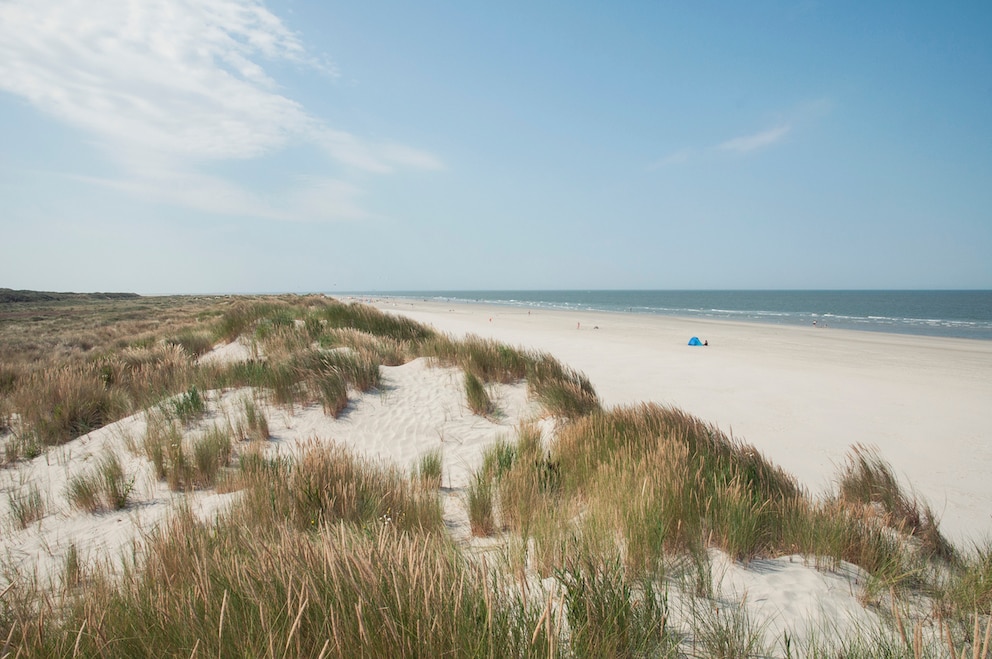
The Wadden Island Schiermonnikoog is located in the northeast of the Netherlands, not far from the German border. According to the info site of the same name, it not only has the widest sandy beach in Europe, but it has also apparently been voted the most beautiful place in the country by the Dutch in the past. And this place is not particularly large: The island is about 16 kilometers long and at its widest points just under four kilometers wide.
About 1,000 people live on Schiermonnikoog. They are allowed to drive cars here, but tourists must do without their cars on the small Dutch island. However, the island has about 30 kilometers of bike paths and numerous opportunities for walking in nature. There are dunes and forests, and the island even has the status of a national park. “If you are looking for peace, space, and lots of nature, this is the right place for you,” the info site advertises, adding: “Don’t expect great entertainment on Schiermonnikoog.”
A ferry runs several times a day between Schiermonnikoog and Lauwersoog. The crossing takes about 45 minutes.
Flores, Azores, Portugal
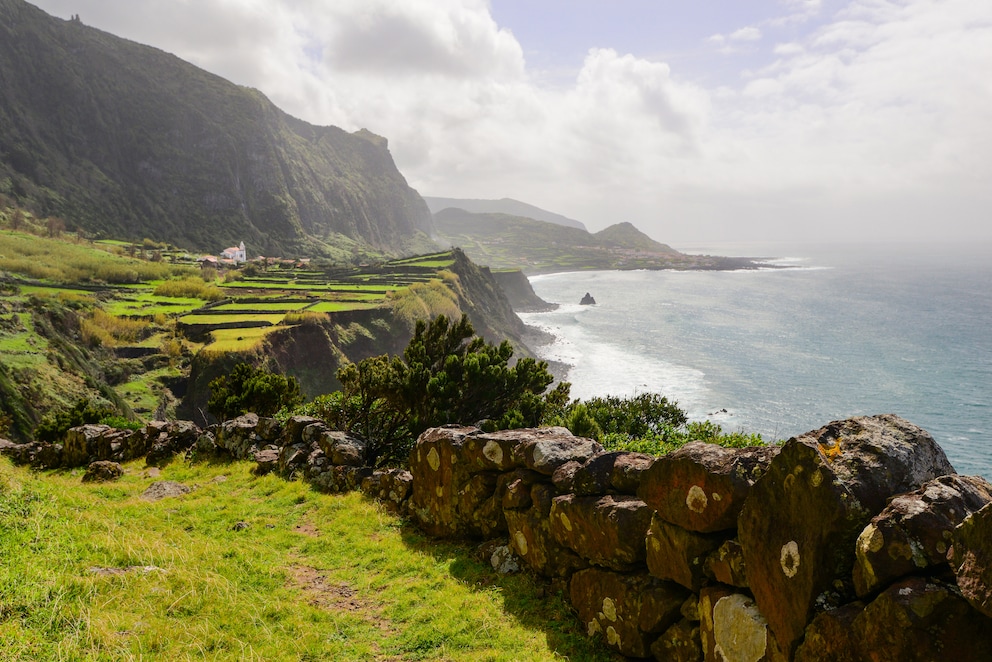
Portugal has become such a popular travel destination that peace and seclusion can be hard to find, especially during peak season. However, a piece of Portugal in the middle of the ocean still offers absolute natural tranquility: the Azores, an archipelago in the Atlantic.
One of the Azores islands is Ilha das Flores, a roughly 141-square-kilometer volcanic island that delights nature lovers with crater lakes, waterfalls on dense green and vertical mountain walls, and hot springs. The info site azoren.eu describes the flower island as a “wild beauty” and a “paradise for hikers” with its five hiking trails that cover a large part of the island. The entire island is a UNESCO biosphere reserve. About 4,000 people live on Flores, particularly in the village—like main towns of Santa Cruz das Flores and Lajes das Flores.
Flores can be reached by ferry or plane from other Azores islands. Direct travel from Europe is not possible.
7 Stunning Atlantic Islands Few People Know About

The Quietest Island in Europe
Tiree, Scotland
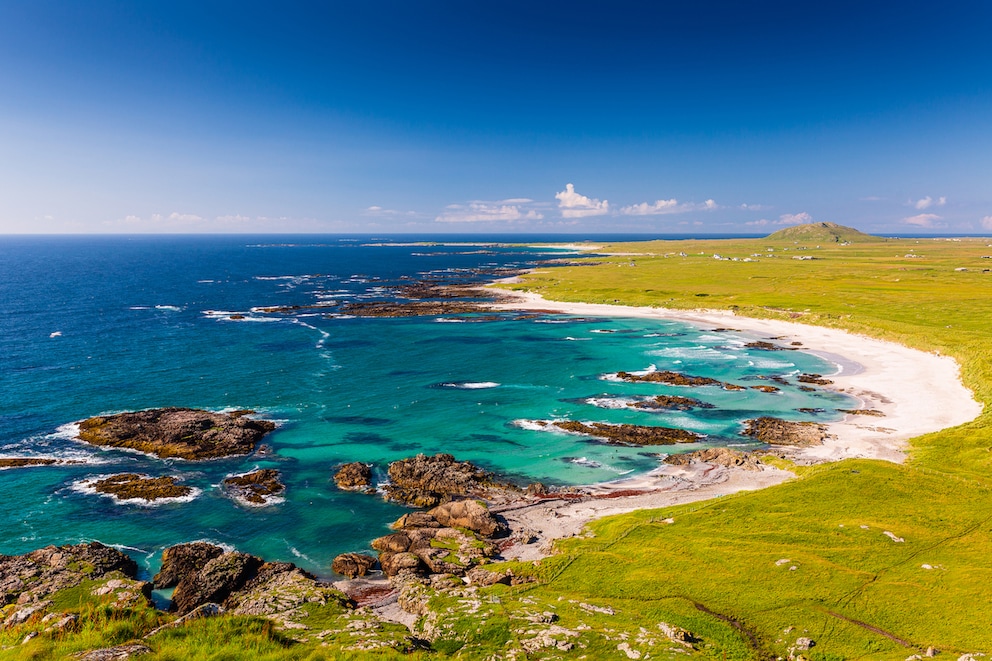
Beautiful white sandy beaches, winds and waves that create ideal conditions for windsurfers—that’s Tiree, the westernmost island of the Inner Hebrides. The Scottish island lies off the west coast of the mainland and is sometimes referred to as the “Hawaii of the North.” It is just about 19 kilometers long and 5 kilometers wide, with around 800 people calling it home. Otherwise, Tiree is quiet, and visitors sometimes have hiking, biking trails, and beaches all to themselves. It gets a bit busier on Tiree in July when up to 2,000 people arrive for the annual Tiree Music Festival.
Tiree can be reached by ferry from Oban. The journey takes about four hours. Another option is flights from Oban or Glasgow.
Lastovo, Croatia
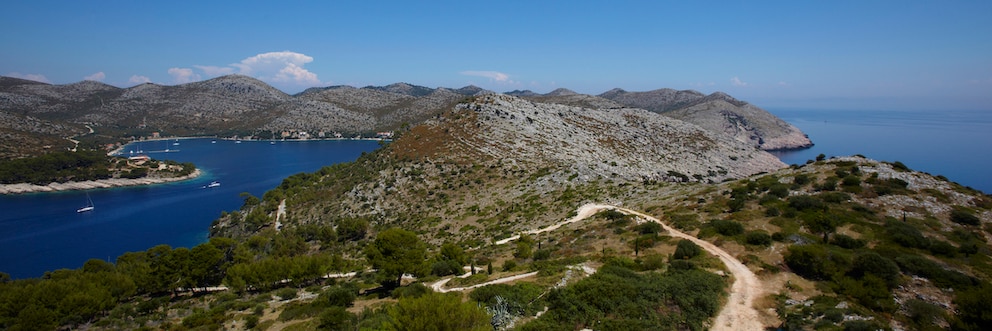
Croatia, especially in destinations like Dubrovnik and Split, is bursting at the seams in summer. Not least, the Croatian islands are known for their rampant party tourism. But not this one: Lastovo in southwestern Croatia is still considered a hidden gem for those seeking nature and tranquility. Tourists do come here, and you won’t be alone on Lastovo. Given that 70 percent of the island is covered by forest and part of the island has been declared a nature park, there are good chances to find peace in nature. The island is dotted with limestone hills, and there are steep coasts, grottos, and smaller bays where you can swim.
Lastovo is the largest island of the archipelago of the same name, consisting of 47 rugged islands in the Adriatic, and belongs to the Croatian region of Dalmatia. About 750 people live permanently on the nearly 47-square-kilometer island. It is about four hours by ferry from Split, with car ferries running twice daily. A catamaran reaches the island in about three hours. From Korčula, the ferry ride takes about an hour and a half.