May 9, 2025, 5:22 am | Read time: 6 minutes
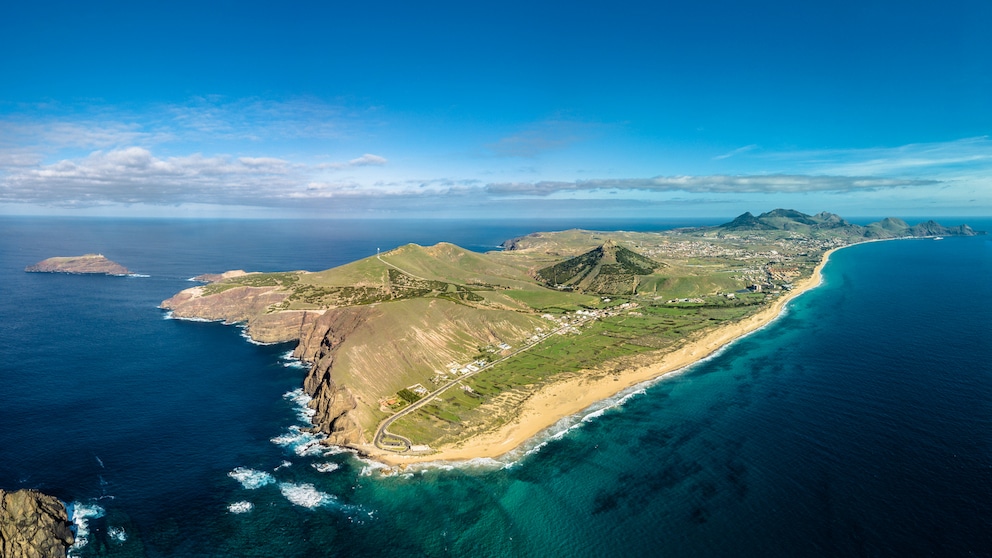
Have you ever heard of Porto Santo? Or St. Kilda? These and many other little-known islands are located in the Atlantic Ocean and are definitely worth a visit.
Everyone knows Tenerife or Gran Canaria. But have you ever heard of Île de Bréhat? Of St. Kilda? Or of Porto Santo? All these islands have one thing in common: They are located in the Atlantic Ocean. While some are true tourist magnets, others are so unknown that there are more animals than people. TRAVELBOOK presents seven virtually unknown islands in the Atlantic.
1. Île de Bréhat, France
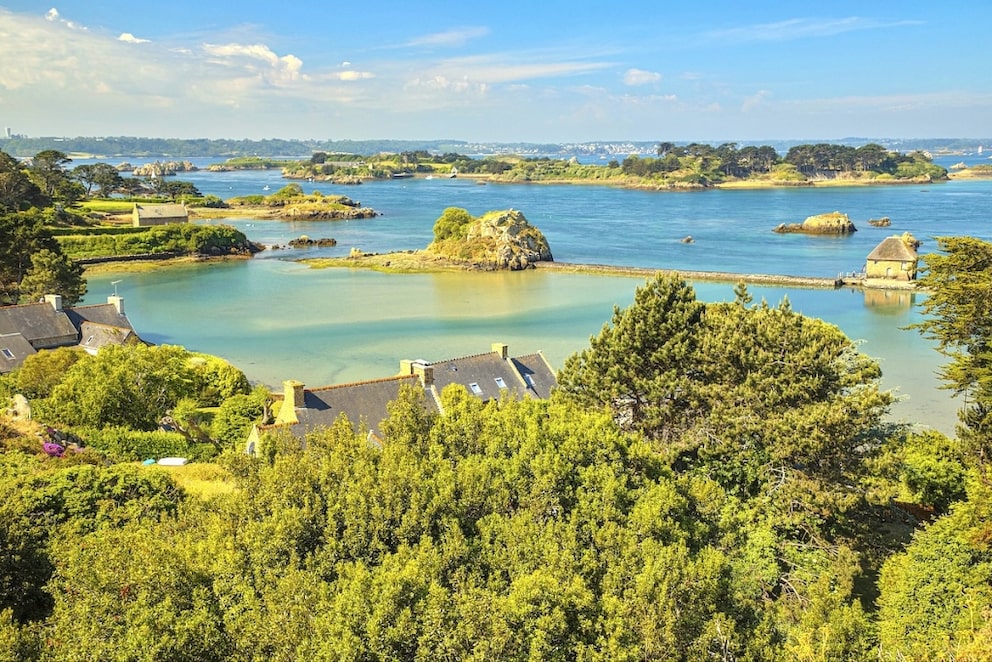
You could almost overlook the small island off the Côtes-d’Armor. Just 15 minutes by ferry from the north coast of Brittany, the Île de Bréhat rises like a jewel from the Atlantic. The Gulf Stream gives it a special microclimate with mild winters. Here, hydrangeas, mimosas, and agapanthus bloom in vibrant competition. Hence, the island is also called the “Island of Flowers.” The south is particularly fragrant and green, while the north island is characterized by its typical pink granite rocks. Only about 400 people live permanently on Île de Bréhat. Fortunately, there are still some charming vacation accommodations waiting for those seeking relaxation. In addition to sun, sea, and natural beauty, there’s one thing you get for free: peace. Cars are banned.
2. Porto Santo, Portugal
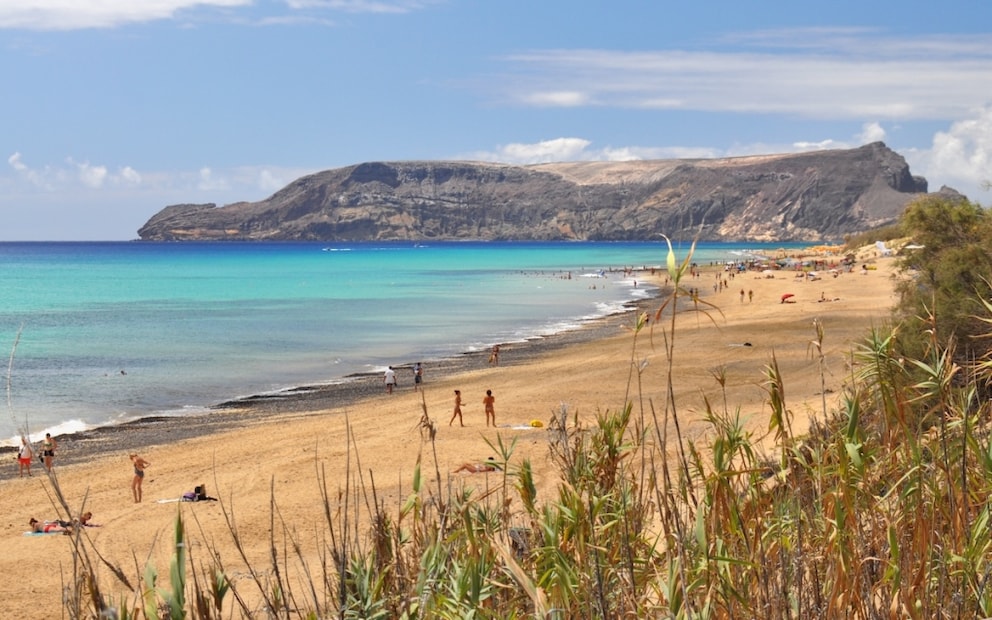
This little gem is the neighboring island of Madeira and offers, among other things, a 9-kilometer-long sandy beach. Just 20 minutes by plane or two to three hours by ferry from its larger sister, Porto Santo is perfect for a day trip. Christopher Columbus is said to have lived on the island for several years—he was married to the daughter of the island’s governor. The house where the explorer is believed to have lived is now a museum.
BILD Reisen: Discover the best hotels on Porto Santo now!
Also interesting: The 11 most beautiful beaches in Portugal on the Algarve
3. Foula, United Kingdom
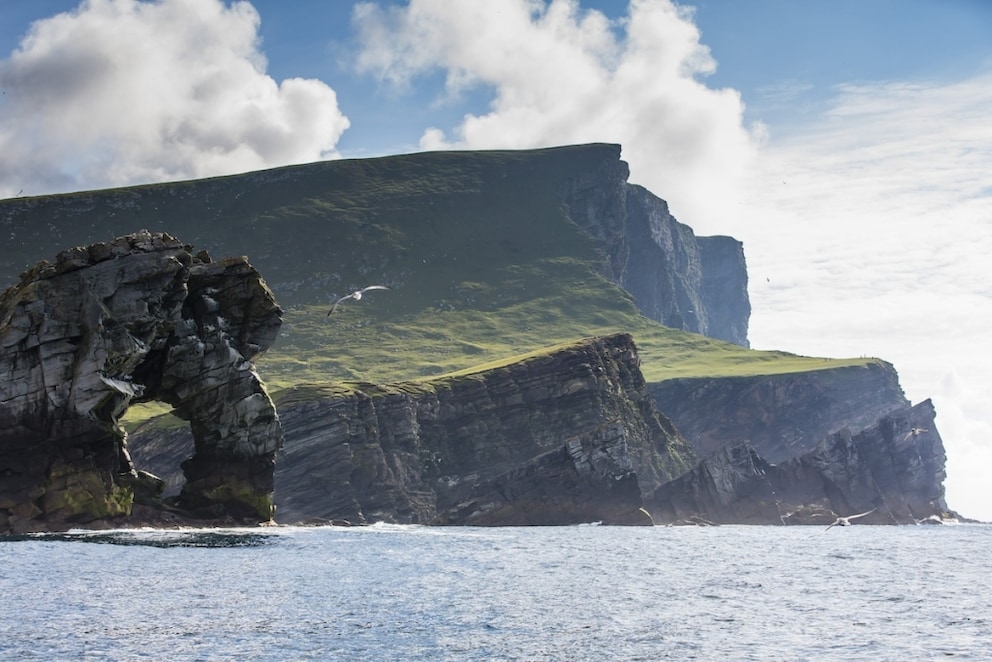
Only about 35 people live on the “Bird Island,” as Foula is translated from the Viking language. It is part of the Shetland Islands, which belong to Scotland, where people lived as early as 3,000 years ago. Foula has spectacular cliffs and five “mountains,” and according to the tourism website “Shetland,” countless wildflowers create an impressive display of colors in the summer. The name Bird Island is no coincidence, as Foula is home to the world’s largest colony of great skuas. Another peculiarity is that the people of Foula still live according to the Julian calendar. Christmas here falls on January 6, and New Year on the 13th.
Also interesting: England’s most famous cave, where there were once gruesome rituals
4. Santa Maria, Azores (Portugal)
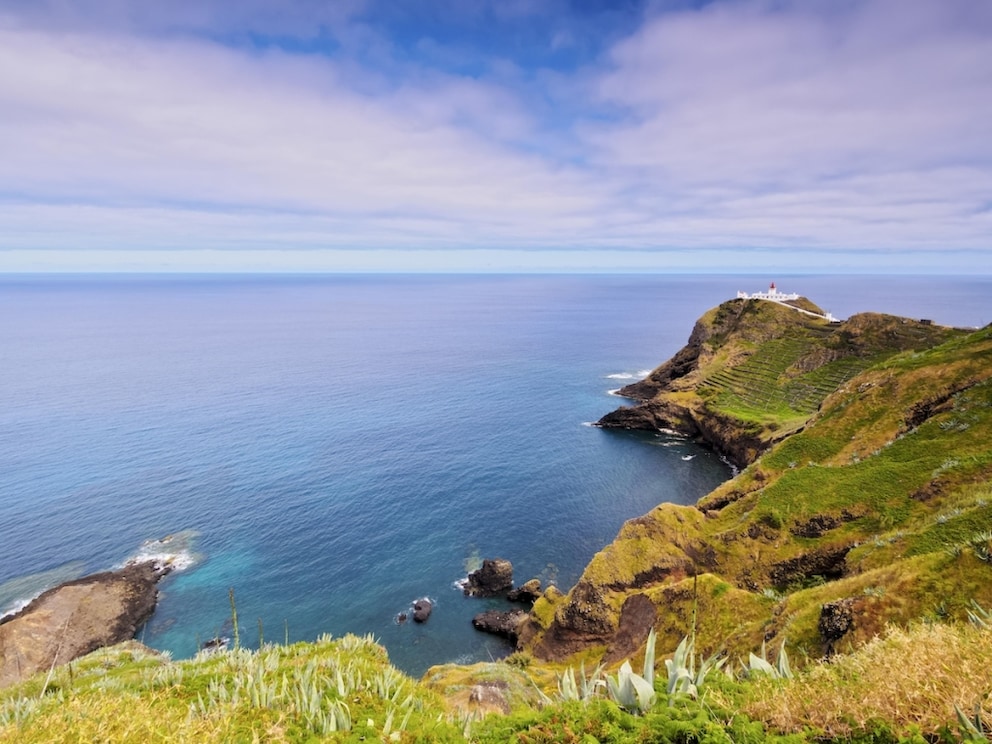
The Azores archipelago stretches over about 600 kilometers with nine volcanic islands in the middle of the Atlantic. Each of the Portuguese islands has its own unique character. Most vacationers first head to the city of Ponta Delgada on the diverse main island of São Miguel. From here, the island group can be perfectly explored. In the far southeast, Santa Maria stands out as the geologically oldest of the Azorean pearls. The island pampers visitors with the driest climate in the Azores, invites them to bathe on golden sandy beaches, and promises divers an exciting underwater world. Particularly beautiful are the beaches in Baia de São Lourenço in the northeast and the popular Praia Formosa in the south. Those who prefer to stay dry can lace up their hiking boots and embark on the 80-kilometer island circuit. The circular route is considered the longest hiking trail in the Azores.
5. St. Kilda, Scotland
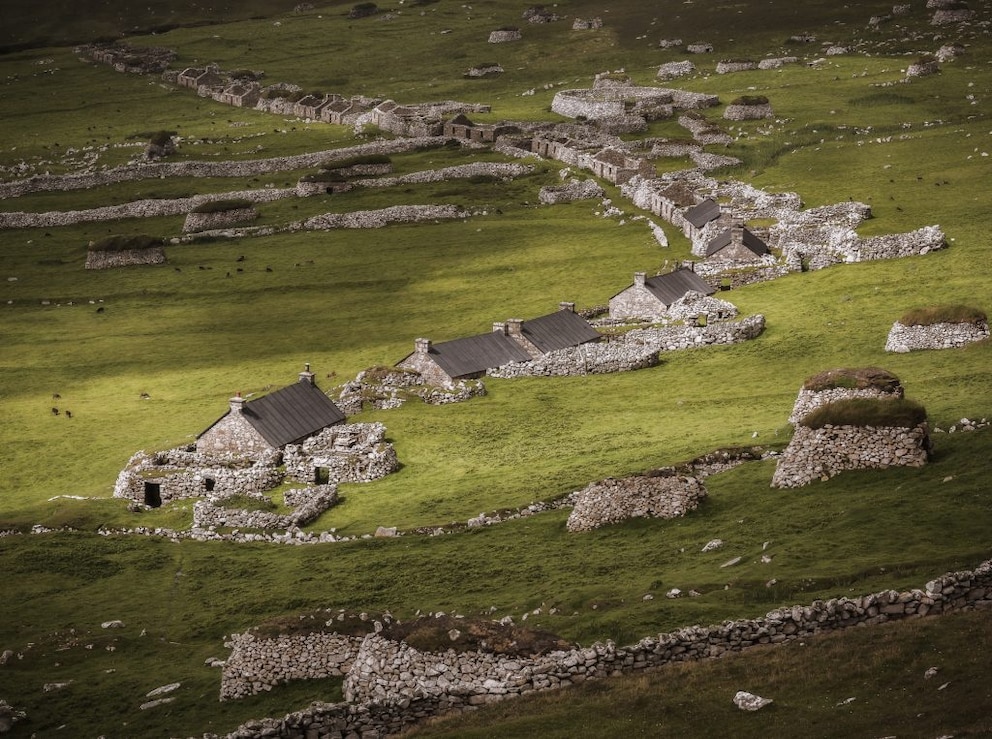
This small island group belonging to Scotland is of volcanic origin and, except for the main island Hirta, uninhabited. People lived here as early as 6,000 years ago, but their descendants left the islands in several waves of emigration from 1852 to 1930. Although not permanently inhabited, according to the website “St. Kilda,” there is always someone on the main island Hirta: researchers, a team from the National Trust for Scotland, which is committed to preserving Scotland’s natural and cultural heritage, and staff at the military base, which is now almost exclusively used for civilian purposes. But tourists can also visit the island.
Also interesting: These islands are next to each other—and have a 21-hour time difference
6. Vestmannaeyjar (Westman Islands), Iceland
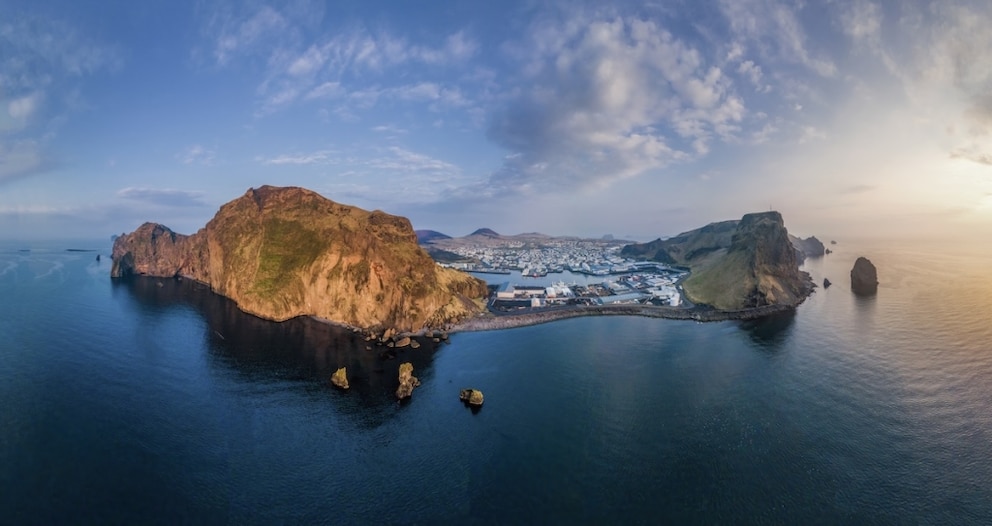
They are also among the lesser-known islands in the Atlantic: the Westman Islands. Life on Heimaey, the main island of the Westman archipelago, is like dancing on a volcano. Older residents will never forget the year 1973 when the Eldfell volcano erupted. For over half a year, it spewed so much lava that it not only buried 417 houses but also increased the island’s size by two square kilometers. A slightly uneasy feeling still arises today as you hike the 200-meter-high crater. But the wonderful panoramic view over to the legendary Eyjafjallajökull on the mainland, which paralyzed air traffic in parts of Europe in 2010, is worth it. And offers rare photo opportunities.
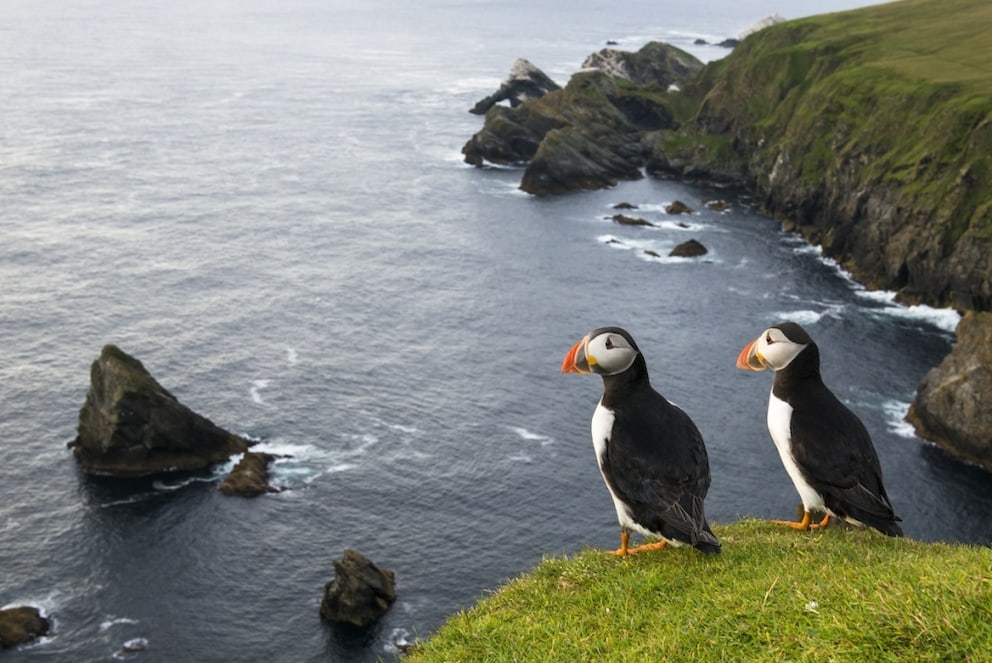
Those on the trail of the cute puffins should hike to the Stórhöfdi peninsula. The world’s largest puffin colony hides in countless caves on the green slopes. More tips for Heimaey: a visit to the Eldheimar Volcano Museum, a boat tour around the island, and a visit to the Beluga Whale Sanctuary.
Also interesting: 13 of the world’s most active volcanoes
Pure Idyllic Escape! These Islands in Europe Are Still True Hidden Gems
This Is Europe’s Most Underrated Island
7. Unst, Scotland
Once you’ve landed on the remote Shetland Islands, the journey to the far north is not far. Two more ferry rides and you’re on Unst. It is the northernmost of the 16 inhabited islands of the rugged archipelago, formed from over 100 islands. As if the Shetlands weren’t spectacular enough, Unst takes it up a notch—so rough, so empty, so wild and windswept it is here. The cliff walk on the northwestern peninsula of Hermaness is one of the highlights. From here, you can see the small rock island of Muckle Flugga, whose white lighthouse marks the northernmost point of Great Britain.
And in the evening? Of course, you head to the pub, very British. The “Baltasound Hotel” invites you for dinner and drinks. The adjoining guest cabins promise a particularly cozy night’s rest. They are located right by the sea—at 60 degrees north.
The Little-Known Islands in the Atlantic on the Map: