

March 13, 2026, 12:41 pm | Read time: 4 minutes
Would you have thought that Germany is rated by international visitors as one of the countries with the highest hospitality? This is according to this year’s Traveller Review Awards from Booking.com. The awards are based on thousands of guest reviews, many of whom apparently had particularly good experiences with German accommodations and hosts. It’s interesting to see which German cities ranked highest in a national friendliness ranking. Learn more about it at TRAVELBOOK.
With the Traveller Review Awards, Booking.com honors partners in the tourism sector who excel in guest satisfaction on the platform. This includes a variety of businesses—from hotels and vacation rentals to car rental providers. The evaluation is based on three categories, focusing on consistently high guest ratings, friendliness, and service quality. And here, Germany truly stands out in international comparison! For instance, Saxony secured a respectable position among the most hospitable regions in the world. A city in Saxony also made it into the ranking of the most hospitable cities within Germany.
It should be noted that perceived hospitality does not necessarily align with international fame or popularity. In other words, the cities deemed the friendliest in Germany according to the Traveller Review Awards are not those with the largest influx of tourists, but mostly significantly smaller places compared to metropolises like Berlin or Munich.
The Most Hospitable Cities in Germany
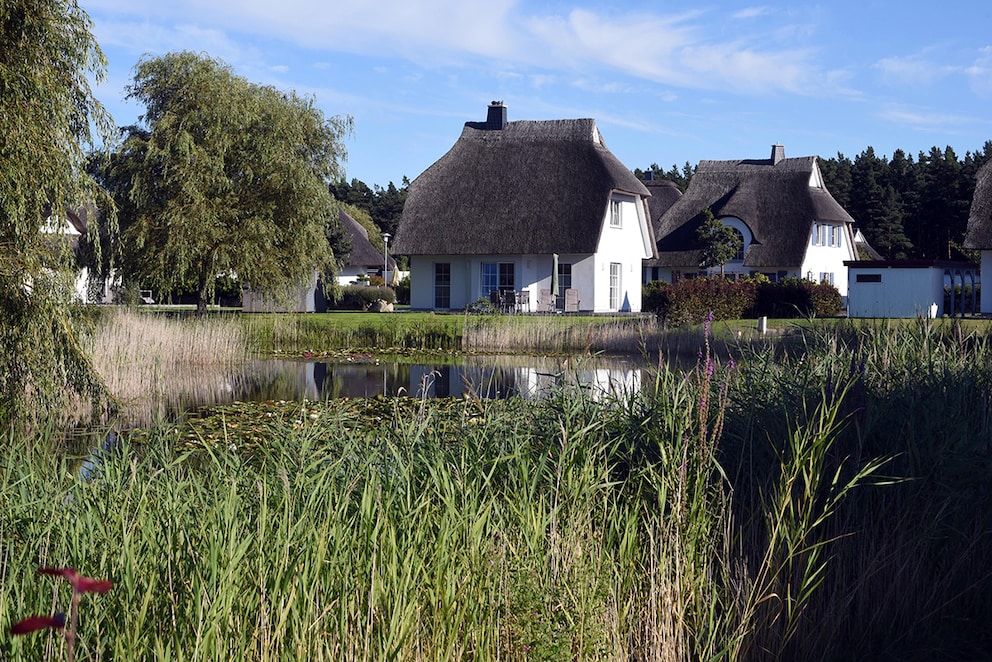
Garz, a small town on the island of Usedom, takes first place. It is known for its quiet nature tourism away from the large seaside resorts. Visitors praise the proximity to the Szczecin Lagoon and the many well-maintained bike paths on the island. Above all, the friendly staff and hosts in the small, often family-run guesthouses and vacation rentals in Garz are responsible for the good reviews.
Second place among Germany’s most hospitable cities may be familiar to those who know the area around the Fischland-Darß-Zingst peninsula. It is the nearby town of Fuhlendorf, a popular destination for nature vacations at the Bodden, a shallow coastal water on the Baltic Sea coast. Visitors enjoy activities such as sailing, kayaking, or fishing, as well as the relaxing, nature-oriented environment away from larger tourist streams.
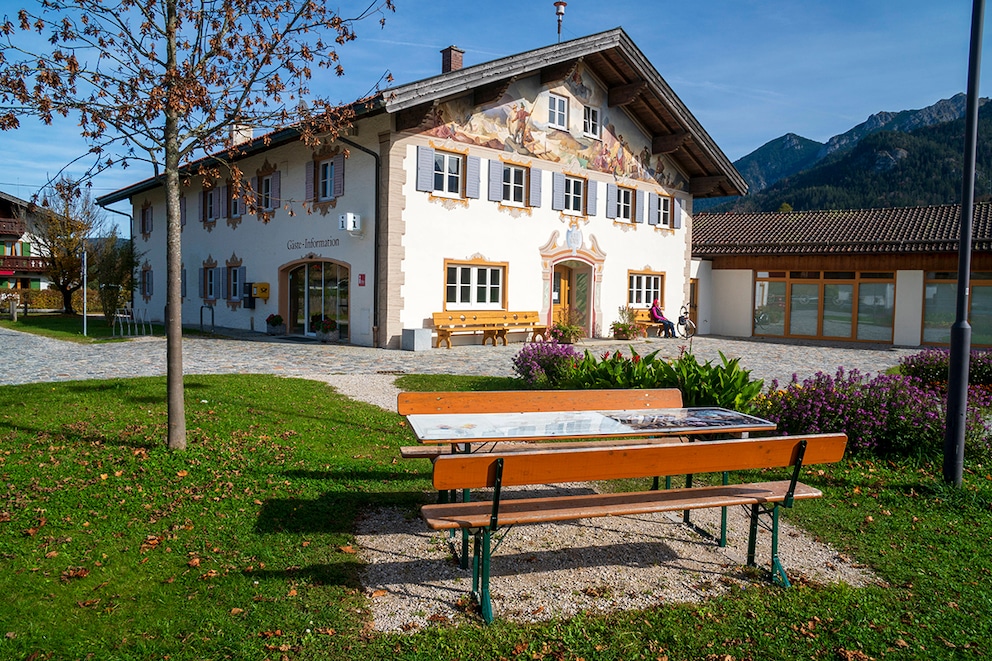
The top three are completed by probably the best-known among Germany’s most hospitable cities: Krün, a mountain village in the Bavarian Werdenfelser Land. The small community near the source of the Isar is considered a paradise for nature lovers and hikers who enjoy the mountains and the clear mountain lakes of the region.
The Top 10 Overview
- Garz, Usedom, Mecklenburg-Vorpommern
- Fuhlendorf, Mecklenburg-Vorpommern
- Krün, Bavaria
- Pellworm, Schleswig-Holstein
- Bad Berleburg, North Rhine-Westphalia
- Kiefersfelden, Bavaria
- Tettnang, Baden-Württemberg
- Bad Saarow, Brandenburg
- Bautzen, Saxony
- Heringhausen, Hesse
This German state is among the most hospitable regions in the world

The World’s Most Hospitable City Is in Italy
Saxon Bautzen in Ninth Place
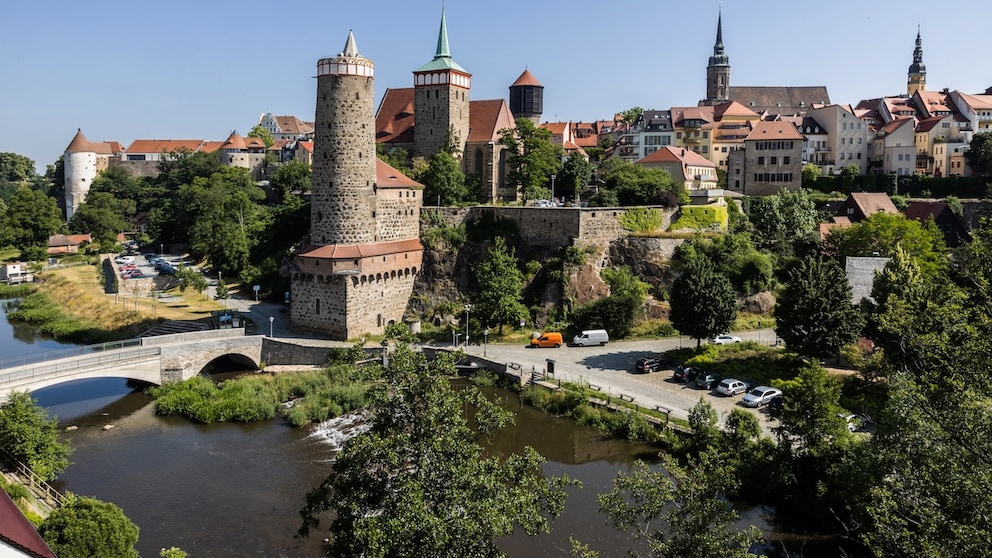
Credit where credit is due: For completeness, the Saxon placement (9) among Germany’s most hospitable cities, briefly mentioned above, is presented separately. Bautzen (see large photo above) is the political and cultural center of the Sorbs, a Slavic minority in Germany. Guests particularly appreciate the personal atmosphere in small hotels and guesthouses, where tradition and hospitality are lived.
Details on the Traveller Review Awards
The Traveller Review Awards 2026 are based on over 372 million guest reviews submitted on Booking.com. Partners who received at least three reviews and achieved an average score of at least 8.0 out of 10 are recognized. Booking.com emphasizes that only verified reviews were considered—from guests who actually stayed at the accommodations or used the services of the companies. To be included in the awards, regions had to have at least 200 recognized accommodations, while cities needed at least 50. Germany made it onto the list with 111,685 recognized partners—only Italy, France, and Spain had more recognitions.