

February 16, 2026, 4:37 pm | Read time: 4 minutes
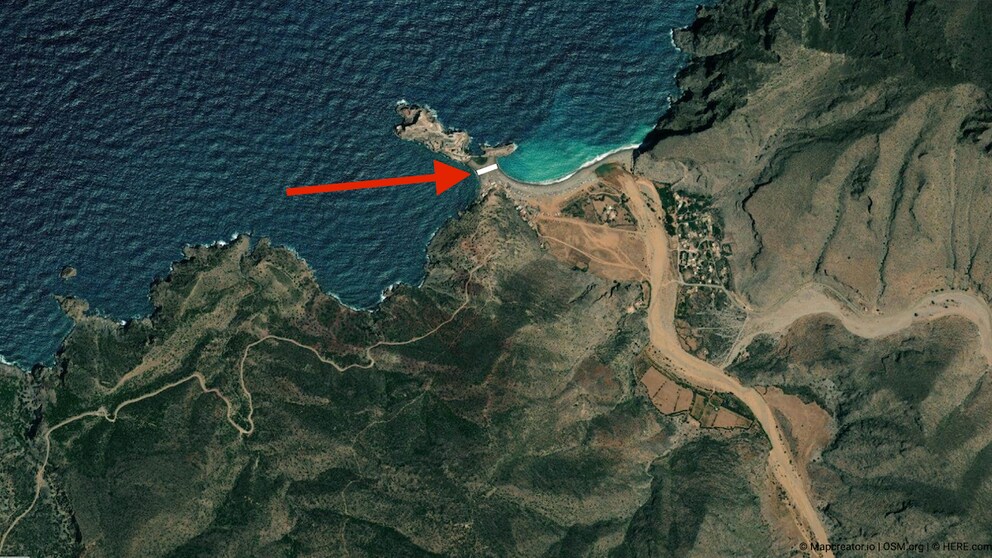
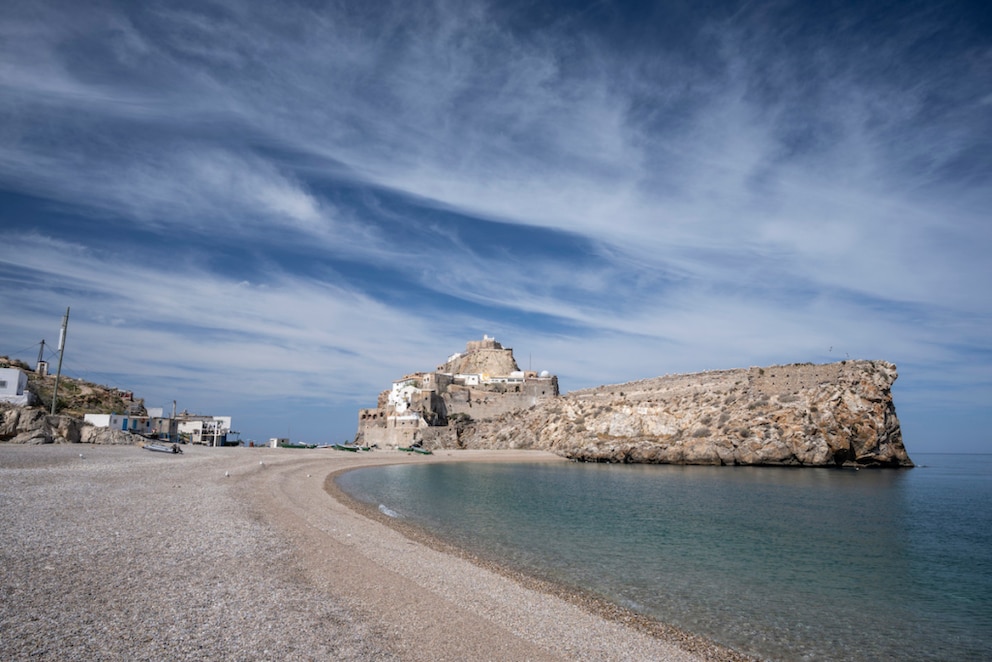
Peñón de Vélez de la Gomera is the name of a small peninsula on Morocco’s Mediterranean coast, consisting of little more than a rock about 77 meters high. Yet, there’s much to tell about it. It is a Spanish enclave—and notably, the shortest land border in the world.
China is the country with the longest border overall, according to a 2020 survey on Statista. This stretches an impressive 22,457 kilometers, which highlights just how remarkably short another border between Spain and Morocco is. More details on this follow, including how this unusual border came to be.
Spain’s Various Borders–Including the Shortest in the World
Spain borders several countries. Besides Portugal and France, these include the microstate of Andorra and the British overseas territory of Gibraltar. Additionally, Spain and the North African country of Morocco are separated by several borders, such as in the cities of Ceuta and Melilla. The shortest is on Peñón de Vélez de la Gomera—a peninsula that is also a rock (“Peñón” is the Spanish word for rock) and a Spanish enclave. And: That land bridge to Morocco is just about 85 meters long.

How Safe Are Trips to Morocco Right Now?
This Island in Europe Changes Its Country Every Six Months
The History of Peñón de Vélez de la Gomera
Peñón de Vélez de la Gomera is an African peninsula in the Mediterranean, yet it belongs to Spanish territory. More about this can be read on the history blog “Territorios olvidados” (roughly: “forgotten territories”). It was first captured by Spain in 1508, after which there were repeated disputes and short-lived successful invasions. Since 1564, the country has been able to defend Peñón de Vélez de la Gomera fairly reliably. At that time, it was still an island, not a peninsula as it is today, and was connected to the town of La Isleta. A storm in 1934 led to a separation. Spain retained the landmass even after 1956, when Morocco gained state independence.
Territorial Incident 2012
A brief—though very short-lived—incursion should not go unmentioned. In 2012, four Moroccan activists, in the name of the Comité de Coordinación para la Liberación de Ceuta y Melilla (Coordination Committee for the Liberation of Ceuta and Melilla), occupied the rock. The Spanish daily “El Mundo” reported on it. The men managed to replace the Spanish flag hoisted there with the Moroccan one—at least for a few minutes until they were overpowered by Spanish forces. The territorial incident went down in history.
Peñón de Vélez Serves as a Border and Outpost
If you’re wondering how the troops could respond so quickly: They are the only current “residents” of Peñón de Vélez de la Gomera. On the tourism website Tripadvisor, the site is even listed under “Military Bases & Facilities,” and visits there are mostly positive and described as “interesting.”
However, one could not stay there for long. Therefore, the posts of the approximately 60 soldiers, who each live on-site in what are described as “modest” accommodations, are always replaced by new colleagues after about a month. There is no access to electricity or running water on the peninsula. The Spanish Navy is responsible for supplying the troops.
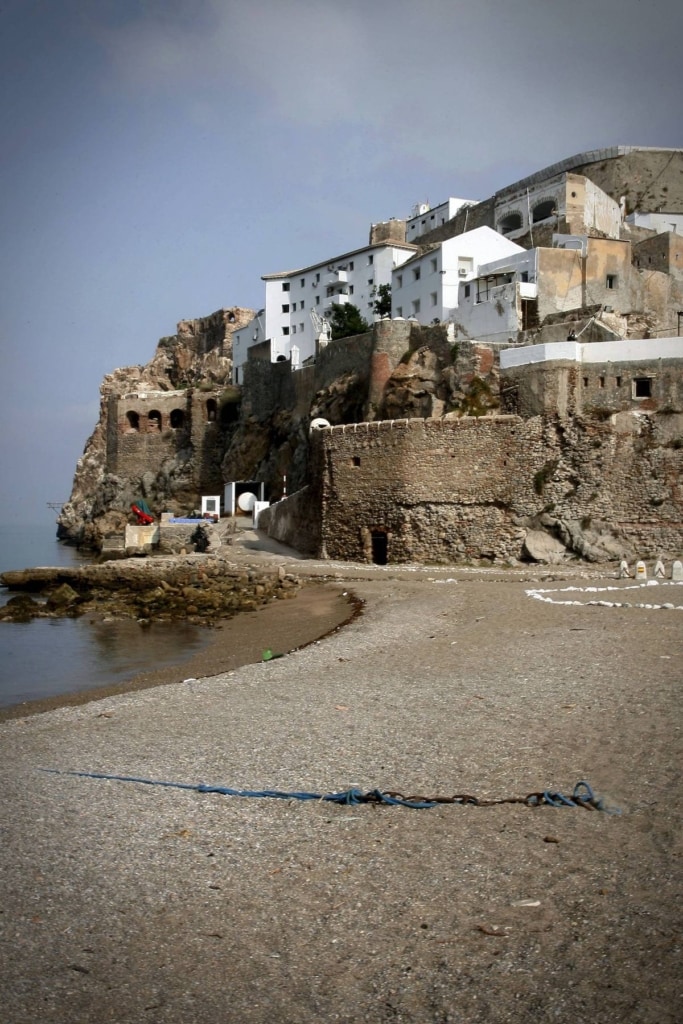
In contrast, a once lively, though never entirely unproblematic, life on Peñon de Velez de la Gomera is well documented. On the website “El Reto Histórico,” there are reports specifically about the early 20th century of “serious supply difficulties, water shortages, attacks by border crossers, famines, epidemics,” and much more, resulting in a “long list of deaths” in the course of history.