

February 15, 2026, 1:14 pm | Read time: 6 minutes
From Pastéis de Nata to Fado music: Portugal captivates with its relaxed lifestyle, cultural treasures, and culinary highlights. The major cities Lisbon and Porto regularly draw numerous visitors. However, not far away is a place that not only exudes Portuguese flair but is also known as the Venice of Portugal. And for good reason, as TRAVELBOOK shows.
About 2.5 hours from Lisbon, Aveiro awaits—a city that at first glance resembles the Italian Venice. In addition to picturesque canals and traditional boats, there are other attractions that make the city a true hidden gem. TRAVELBOOK presents some of the most beautiful places Aveiro has to offer.
Overview
Aveiro – the Portuguese Venice
In central Portugal between Porto and Coimbra lies the city of Aveiro, with a population of 80,000. Once marked by economic challenges, it experienced an impressive upswing in the 19th century and developed into a significant center for fishing and salt production, as reported by “Portugalexpert.”
BILD Travel: Discover the best hotels in Aveiro now!
Today, Aveiro is primarily known for its waterways that weave through the city center, giving it a touch of Venetian flair. But the town on the Portuguese west coast has much more to offer. Historical salt pans, impressive architecture, and winding alleys invite exploration—on foot or by taking a boat ride in the traditional “Moliceiro” gondolas. Another highlight is Aveiro’s proximity to the coast, allowing for spontaneous trips to the beach in a short time.

17 Facts About Portugal That Hardly Anyone Knows

“My 7 Personal Favorite Places in Lisbon”
The Most Beautiful Places in Aveiro
Estação de Aveiro Antiga
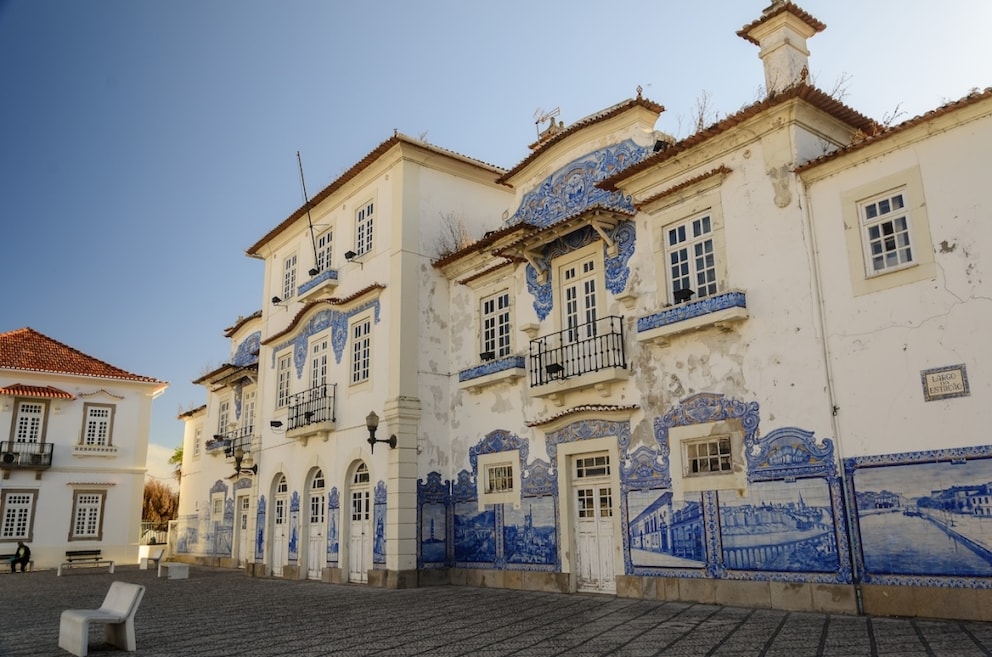
With its elaborately designed facade, the former station “Estação de Aveiro Antiga” immediately catches the eye. Built in the early 20th century, the old station in the city center is no longer in operation but still impresses with its Portuguese Azulejo art. The building’s exterior features numerous blue-and-white ceramic tiles (Azulejos) depicting various scenes of Portuguese rural and fishing life. The station hall inside the building can also be visited free of charge.
Also interesting: This city is as beautiful as Venice—only much cheaper and less crowded
The Canals of Aveiro
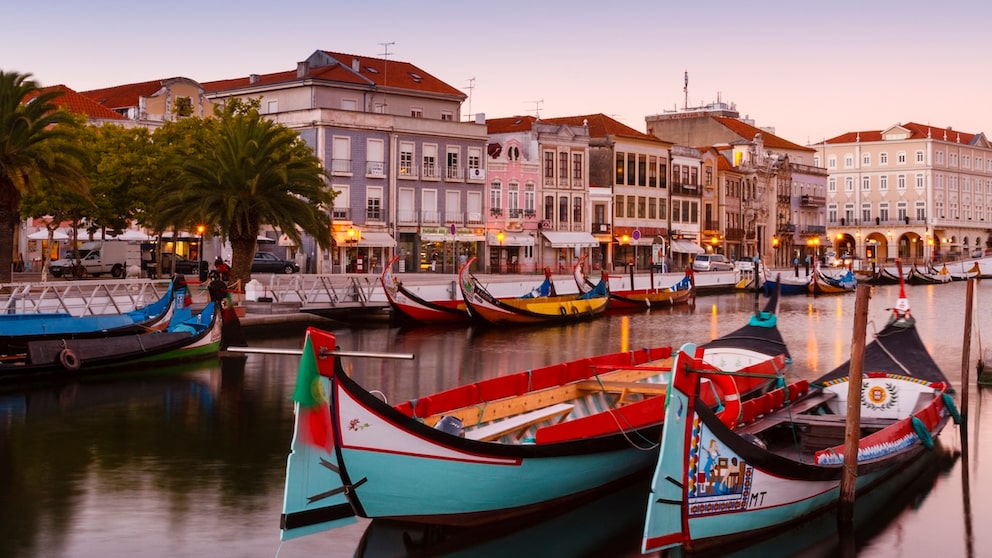
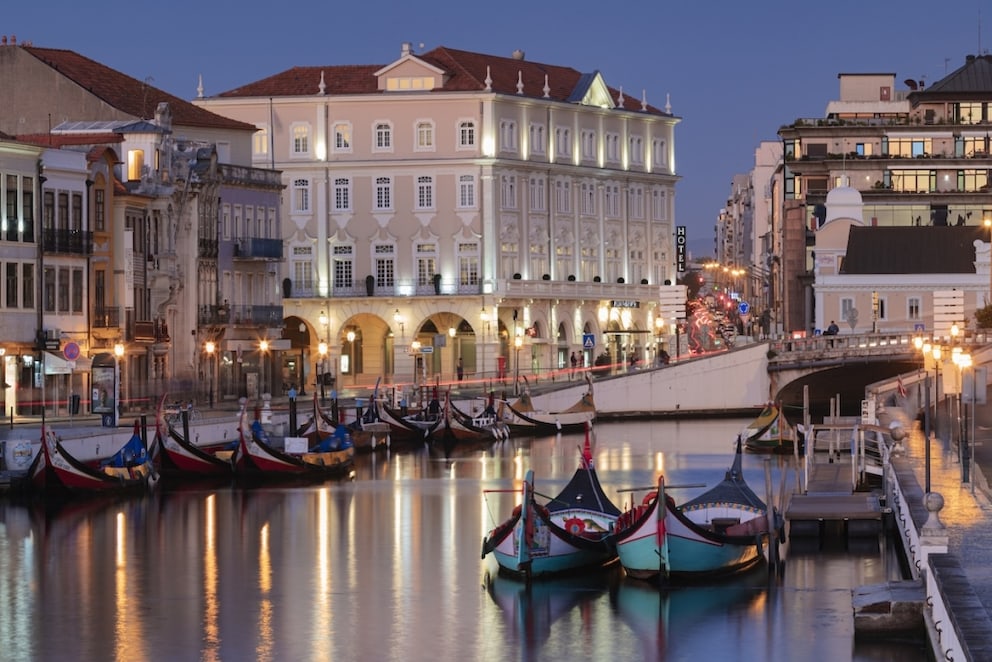
The undisputed highlight of Aveiro is the canals that run through the center, earning the city the title “Venice of Portugal.” The waterways originate from the saltwater lagoon “Ria de Aveiro” and branch into four main canals. The “Canal Central” is particularly well-known, running right through the city center. Along its banks are various Art Nouveau buildings, and it surrounds the “Rossio Square,” considered the central gathering and meeting point of the town. The “Canal de São Roque” also offers fascinating insights into the city’s past with its route along the old fishing village. The surroundings can be explored from the water in the colorfully decorated “Moliceiro boats.” According to “Center of Portugal,” these were once used exclusively for seaweed fishing, but today they mainly transport tourists.
Costa Nova
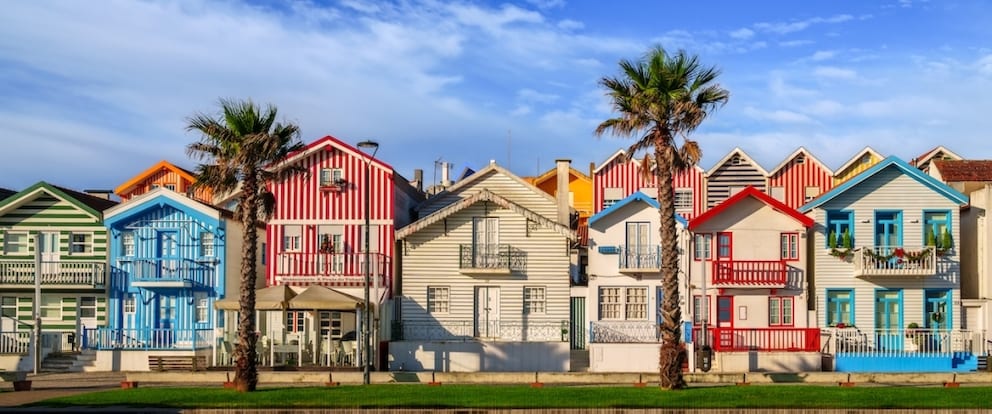
About ten kilometers west of Aveiro lies the coastal town “Costa Nova.” Located directly on the Atlantic, it boasts expansive sandy beaches that invite relaxation and swimming. But it’s not just the coastal stretches that make the town a true hidden gem. Along the promenade, colorful striped houses, known as “Palheiros,” adorn the townscape. According to “Visit Portugal,” these were used as fishermen’s huts until the end of the 19th century, but today they house various cafes, restaurants, and boutiques.
Parque Infante D. Pedro
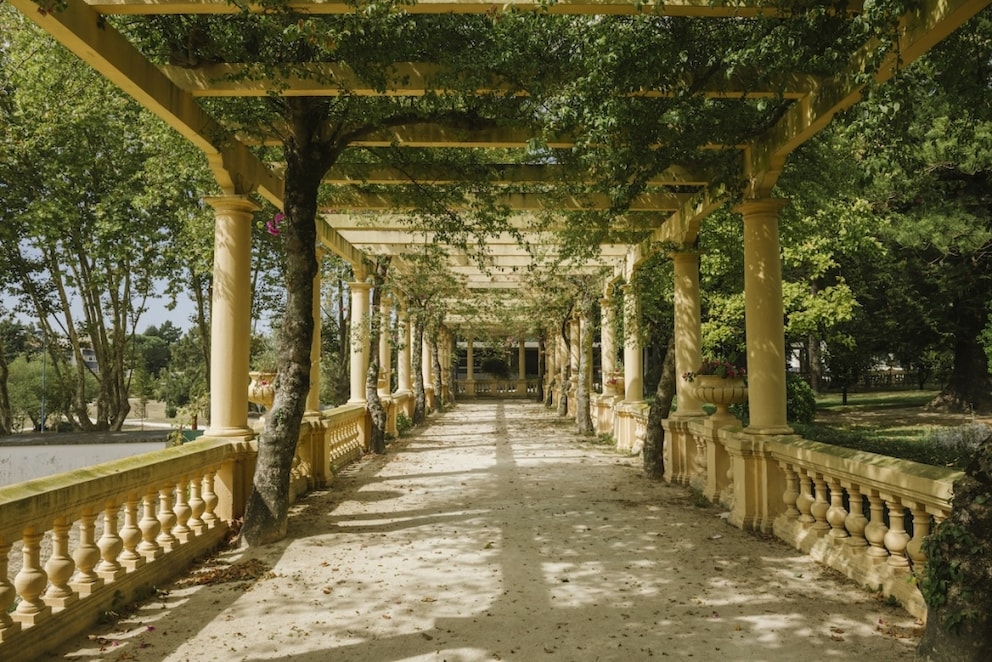
Those seeking a relaxing break in the green in Aveiro should visit Parque Infante D. Pedro, not far from the city center. The idyllic park, named after the Portuguese Prince Infante Dom Pedro, was established on the grounds of the former Santo António Monastery, according to “Edupark,” and today invites visitors to linger with its expansive green spaces, picturesque lakes, and artistic sculptures. Exotic plants and the Hunting and Fishing Museum can also be discovered. Another highlight is the tea house, which also houses a small library.
Salinas de Aveiro
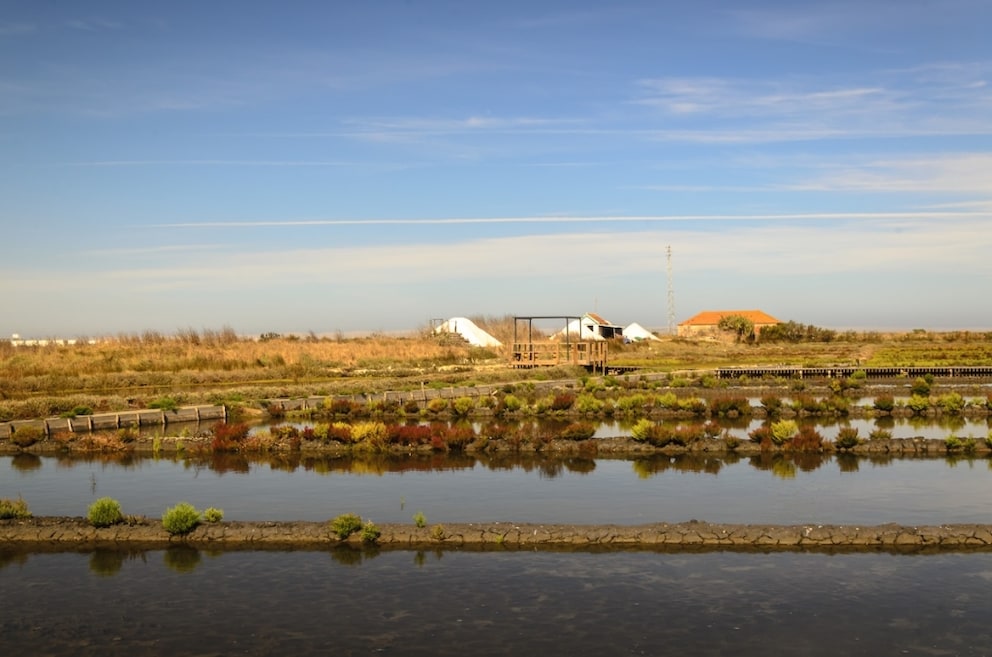
Once a significant site for salt production, Aveiro still retains relics from that time. These include the Salinas de Aveiro, some of which are still actively operated, offering visitors insight into the extraction of “white gold.” This includes the open-air museum Ecomuseu da Marinha da Troncalhada near the Canal das Pirâmides, where traditional production methods and tools can be discovered in a natural setting. According to “Center of Portugal,” those who want to feel the positive effects of salt on their entire body can also take a bath in the salt ponds of the Salinas de Cale do Oiro.
Art Nouveau Route
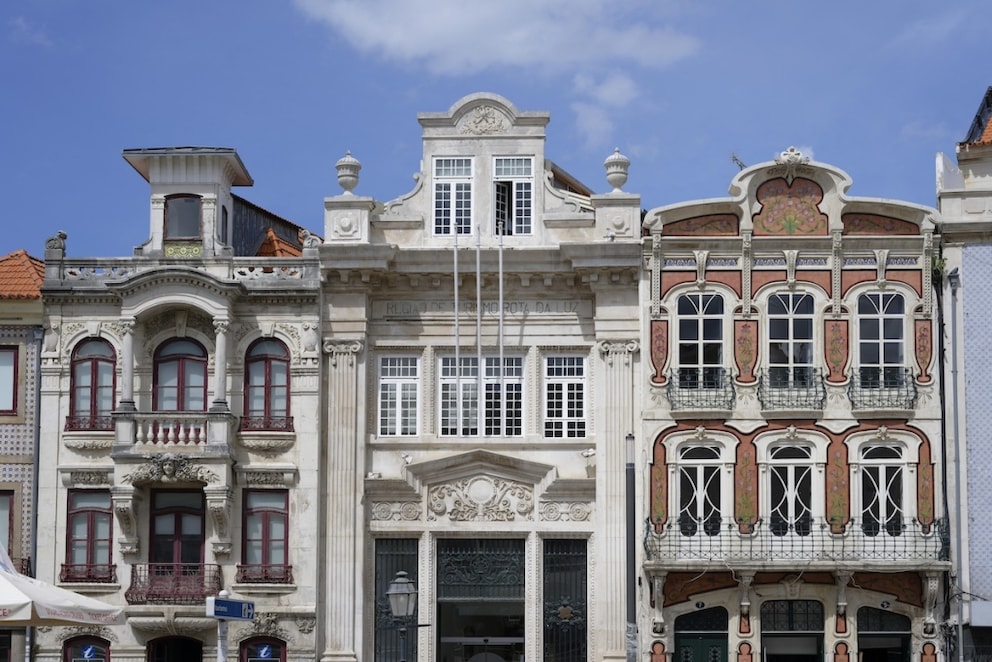
Curved lines, decorative tiles, and floral patterns—the playful facades of Art Nouveau architecture can be found in many streets of Aveiro. The architectural highlight of the city is the Rua João Mendonça near the main canal, where most of the town’s Art Nouveau buildings are located. Among the most striking and impressive structures is the Casa Major Pessoa, entirely in the Belle Époque style, which today serves as the seat of the Museu Arte Nova. According to “Explorial,” objects, furniture, and ceramics from the 20th century can be viewed here.
Traveling to Aveiro
The fastest way to Aveiro on the Portuguese west coast is by plane. The nearest airports are Aeroporto Francisco Sá Carneiro in Porto (OPO) and Aeroporto Humberto Delgado in Lisbon (LIS). From there, direct train connections to Aveiro are available—the journey takes about 40 minutes from Porto and around 2.5 hours from Lisbon.
Traveling by train is also possible, but it takes significantly more time. Connections lead from Germany through Paris to Portugal. Aveiro is also accessible by car, though toll fees should be considered. The route runs through France and northern Spain.