

July 12, 2026, 12:15 pm | Read time: 4 minutes
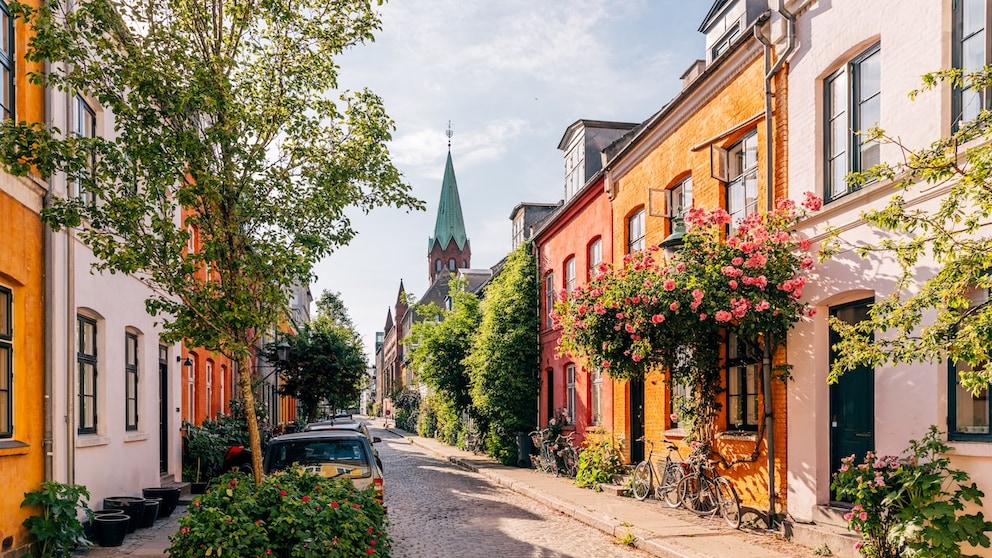
The travel trend “Coolcation” is drawing more and more vacationers to Copenhagen. I followed the trend and visited the Danish capital for the first time. The “Hygge” coziness and the historical charm of the city immediately won me over. However, there are still a few things I wish I had known before my first trip to Copenhagen.
Copenhagen is more expensive than many other European cities
One thing to know: Scandinavia is generally more expensive than most major cities in Europe. When booking the hotel, I noticed how much higher the room rates are compared to many other European cities. Once there, I realized that this also affects the rest of the city.
From past trips to Sweden, I already knew that the Nordic countries are more expensive than the rest of Europe. However, Denmark and especially Copenhagen are about 15 to 20 percent more expensive than Sweden. I must admit, this really surprised me.
Both taxes and wage levels in Denmark are higher than in Germany. As a result, everything there is somewhat more expensive than at home. The difference is particularly noticeable in restaurants, cafes, and hotels. In some cases, costs are up to 50 to 60 percent higher than in comparable establishments in Germany.
Nevertheless, the high costs would not deter me from visiting the city a second time. Traveling to Copenhagen is very worthwhile, and with good planning, you can manage on a smaller budget. Many landmarks, such as the Little Mermaid or the changing of the guard at Amalienborg Palace, are free. You can also snag cheaper accommodations and travel as an early bird. It’s important to know what to expect–and then plan early and smartly.

4 Insider Tips for Your Next Trip to Copenhagen

“Being Rewarded for Collecting Trash as a Tourist? To Me, That’s a Success Story!”
Drivers are not the priority–neither are pedestrians
In Copenhagen, it can quickly happen that you are not only surprised as a pedestrian but also in a car by the local cyclists. Cycling is truly the most popular mode of transportation there.
From my experience, I can say that Copenhagen is at least as bike-friendly as Amsterdam, if not more so. Since the city is so small, I initially thought I would ideally get from A to B on foot. But even if a route was within walking distance, it was smarter to take the bike. Bicycles are the top priority in Copenhagen. As a pedestrian, you must be particularly attentive and keep an eye on the bike paths.
Especially in good weather, it’s a good idea to rent bikes and explore the city that way. My tip is to ride a bike to the nearby Amager Beach. Just about 30 minutes from the city center lies the nearly 5 km long beach, which is the largest in Copenhagen. Perfect if you need a little refreshment from the hustle and bustle of the city.
Christiania has its own rules as a free town
Before my trip to Copenhagen, I had already heard of the “myth” of Christiania but never knew if it was true. A former military site settled by hippies and dropouts with its own rules? It’s true, and it exists in Europe only in Copenhagen.
Founded in 1971, the free town of Christiania is an independent residential community in the heart of Copenhagen. The residents of the commune describe it as a “little piece of personal freedom,” and somehow it feels that way. Colorful flags, small quaint cafes, and barefoot children playing in the streets. But that’s not all that’s special. The free town has its own rules. For a long time, these were mostly tolerated by the Danish police. Marijuana could be consumed openly there until recently. In 2024, that changed when the drug market on the famous “Pusher Street” was shut down by the police. Today, drug use in Christiania is more strictly controlled. But that doesn’t mean the free town doesn’t still have special rules. Cars are strictly prohibited, and there are no private homeowners–apartments are allocated based on need.
Also interesting: This is Copenhagen’s coolest neighborhood
As I walked through the streets of the district, I felt as if I was no longer in Copenhagen. Christiania is no myth and stands in stark contrast to Copenhagen’s royal palaces and chic establishments. A visit to the alternative commune should not be missed on a trip to Copenhagen.
What probably surprised me most about Copenhagen is that the city really grew on me in just four days. I understand why so many people are currently traveling to the Danish capital. Between bicycles, Hygge, royal palaces, and alternative neighborhoods, the city has a unique charm that is hard to describe but very easy to fall in love with. It certainly won’t be the last time I travel to Copenhagen.