

June 2, 2026, 3:28 pm | Read time: 9 minutes
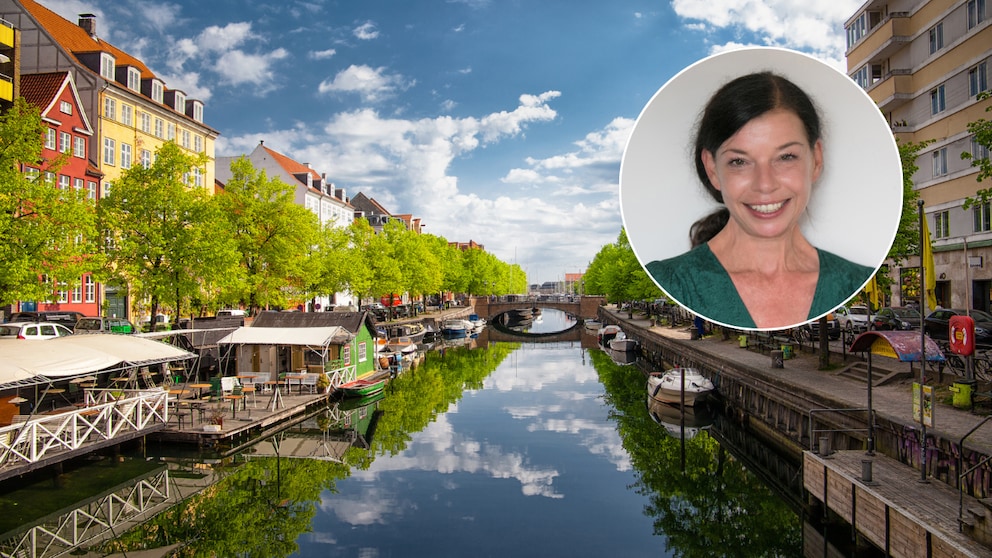
The CopenPay initiative in the Danish capital rewards visitors for sustainable behavior on vacation. BerlinPay is currently testing the same idea. Our author tested the concept in Copenhagen and shares her experiences—and why she wonders why the idea is viewed so critically in Germany.
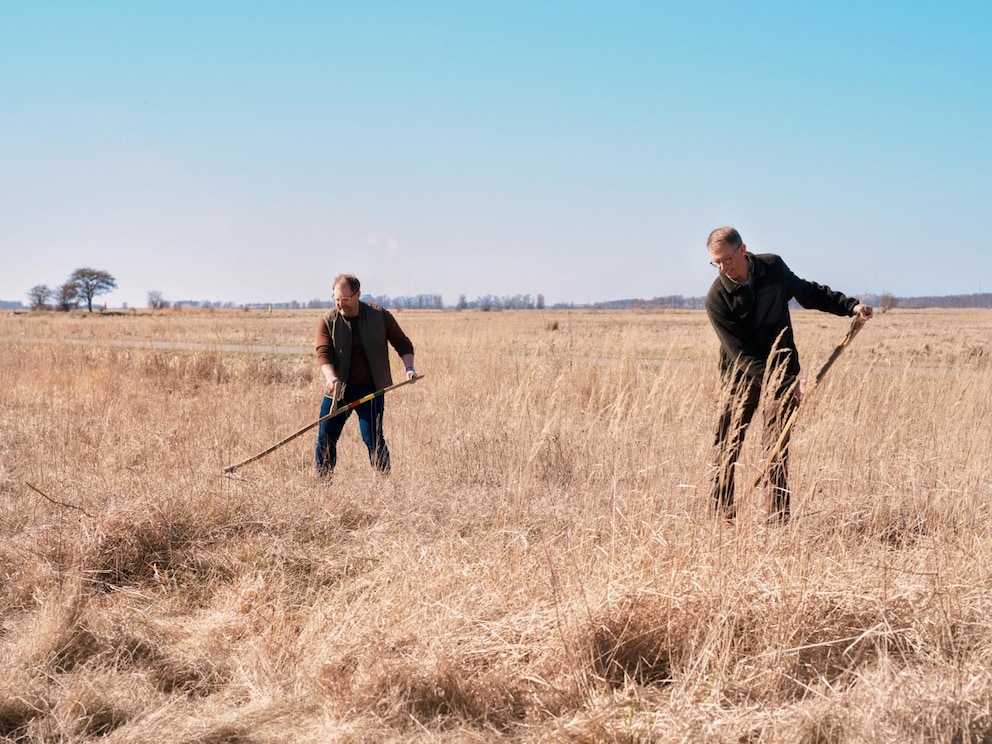
Last summer, on a sunny Saturday morning, I stood in a wild meadow at Amager Nature Park, located on the island of the same name in Copenhagen. Almost tenderly, Rune Kjærgaard Lange attached the scythe blade to the handle, then demonstrated to the visiting group from Germany how to cut grass with a scythe: “Small swings and minimal movements are enough.”
Each visitor was handed a scythe, and together we swung the blades forward in the sunshine. The sharply honed blades made the grass fall almost by itself, and we managed to scythe at least a corner of this vast meadow—a feeling of success!—while Rune showed us individual and rare flowers. Those were allowed to remain. Cyclists whizzed by, families with small children strolled, teenagers sunbathed. Joggers with bare chests looked over at us, the pale and focused Germans, somewhat puzzled.
The Amagerfælled nature reserve on the western side of the island was created through reclamation work during World War II and was used for military purposes at the time. Today, it resembles a vast city park with meadows, lakes, and forests with wildlife, and is beloved by the residents. We were given—incidentally—an insight into the lifestyle of Danish city dwellers. Aha, so this is how they live here.
A Meal as a Reward
For the scything, we received a free vegetarian lunch at Traktørstedet, the nature park’s restaurant. This included huge portions of crisp summer salads with juicy radishes, fresh carrot shavings, grated white cabbage, and beets. Exactly the kind of salad one might be too lazy to make at home in everyday life.
The CopenPay initiative started in 2024. With this summer campaign, the Danish capital aims to encourage its guests to adopt sustainable behavior. While there were 40 partners in 2024, this number rose to 100 in 2025, including hotels, restaurants, bike rental companies, and environmental initiatives that encourage sustainable movement in Copenhagen. An idea as simple as it is captivating and feasible: “Come to us by train, and we’ll give you a yoga session.” So I found myself at the Crown Plaza Hotel on a yoga mat with fragrant orange oil on the back of my hand. Breathe, stretch, scent. All just from the relaxed train journey. Through a fine form of passive idleness, I was reminded of how relaxing yoga can be.
Relaxed Cycling Through the City
And how relaxed this city feels if you explore it by bike. I marvel at how quiet the traffic sounds: Electric vehicles make up the majority of new car registrations, and most taxis run on electricity. If a car is needed at all. In the capital, there are four times as many bicycles as cars. Sixty-two percent of residents use a bike to get to work. Christian Hougaard, head of Cycling Copenhagen, shared all this as we cycled through the Ørestad district, along the M1 metro line, whose driverless trains arrive every four to six minutes. Also silently. Naturally on time.
The bike paths are strictly separated from the road. This concept gave rise to the term “copenhagenize,” which has spread to the other side of the world. Even in Sydney, Australia, the bike lanes are called “Copenhagen Lanes.” There are also specific cycling rules: Raising your right hand in the air means: “Watch out, I’m stopping.” So that the cyclists behind don’t crash blindly.
We saw hypermodern buildings like 8TALLET with 476 residential units, from penthouses to townhouses with private gardens. The basic idea of this new district: to create space for development, quality of life, and activity. And charmingly included in the concept: the possibility for children to visit each other on foot. All German families in the countryside would breathe a sigh of relief at this idea: Finally, no more long car rides to drop off and pick up the child from friends A, B, or Z. But Christian Hougaard also has criticism: “These huge office complexes were overthought. There is a lack of smaller spaces for cafes, boutiques, or cozy pubs. The district still needs to grow.”
Copenhagen Is Sustainable and Creative
For going out and working, residents of the district still head to trendy inner-city neighborhoods like Vesterbro or Østerbro. According to UNESCO, Copenhagen is the world capital of architecture. This became apparent on our bike tour: These houses in twisted shapes. Houses that visually form an eight. Cheerful colorful facades and a street with houses newly built from recycled bricks. Wonderful swimming spots. Apartments with their own boat dock at the door. A floating pop-up church in the canal on a boat. As creative as it is pragmatic.
“Everyone wants to act sustainably, but hardly anyone manages to do so completely,” says Jonas Løvschall-Wedel, spokesperson for Wonderful Copenhagen, the city’s tourism organization that developed the idea for CopenPay. Therefore, the offers are intentionally kept low-threshold. After the great response to the initiative—98 percent of participants expressed positive feedback—CopenPay expects even more interest. Tourists, according to Jonas Løvschall-Wedel, appreciate the opportunity to gain new experiences, get to know Copenhagen differently, extend their stay, and do something meaningful in the process.
Activities Offered by CopenPay
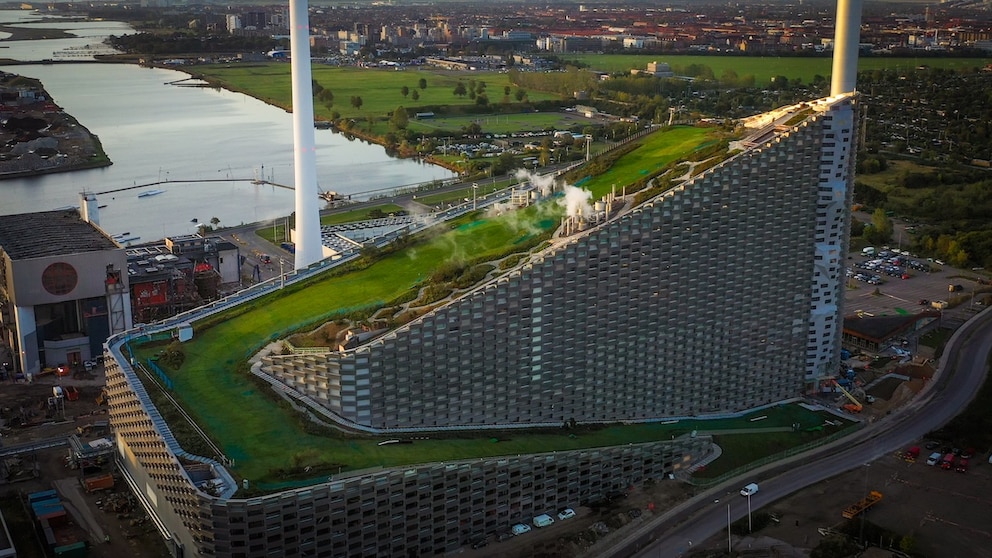
The range of actions is creatively implemented: At the 25hours Indre Hotel, for example, you get a coffee for proving you’ve walked more than 5,000 steps. The Museum of Contemporary Art Arken in Ishøj also rewards beach cleaning with a coffee. CopenPay also relies on trust. Star architect Bjarke Ingels transformed the city’s waste incineration plant into a wedge shape, greened it, and laid a summer ski slope with a platter lift on the steep slope. Energy is generated from waste. To carve on Copenhill for 20 minutes, you only need to show a photo of a rental bike or a metro ticket. If you want to swim in the harbor, you should come on foot or by bike and whisper the code word “fish” to a Copenwater employee. At the futuristic Danish Architecture Center (DAC), ordering a freshly prepared vegan meal earns you a tour of the house.
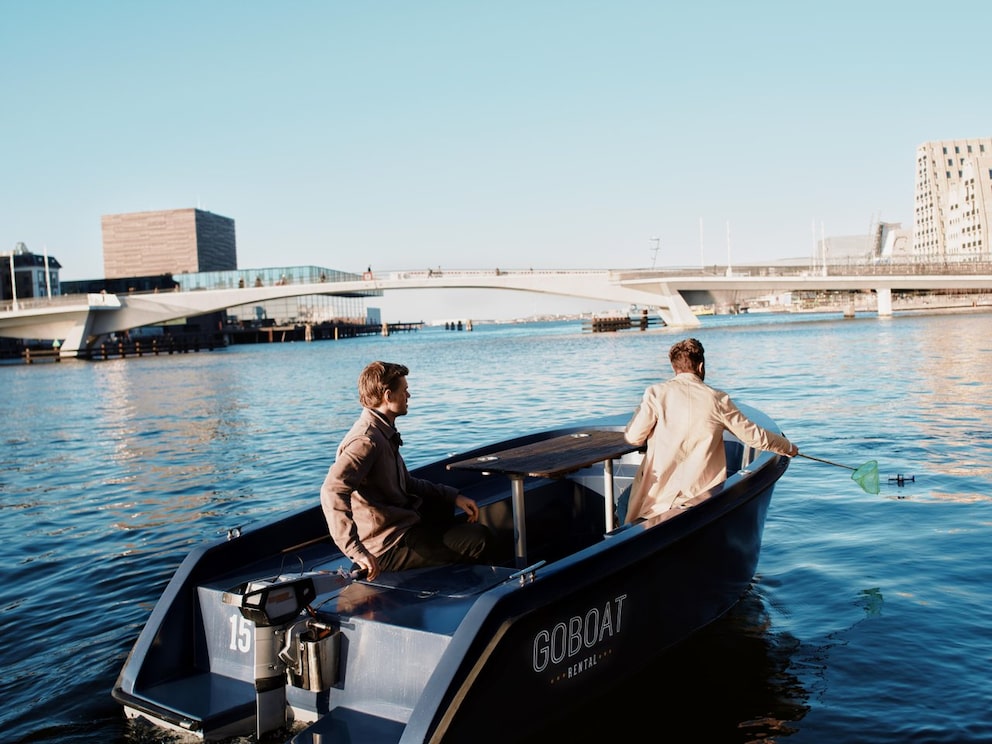
If you rent an electric boat from GoBoat at Island Brygge and scoop trash from the water of the canals during the boat tour, you get the charter price for the boat refunded. That’s 799 kroner (105 euros) saved for up to eight people per boat per hour! However, this task became a tricky challenge: There was no trash to be seen in the clean canals. The water seemed crystal clear, and at several swimming spots, children and adults enthusiastically plunged into the cool water. As if to prove that the city waters have excellent bathing quality. When a lone drink can did float by, mild panic broke out among the leisure captains. Everyone wanted that darn can.
Would you rather garden? In the idyllic Øens Have, a green oasis reminiscent of an urban farm, chard, lovage, peas, zucchini, garlic, cucumbers, tomatoes, or cress thrive. In Refshaleøen, a former industrial area, bees buzz, the three chickens have names and scratch in delicious vegetable and herb leftovers. Those who help in the garden not only come into contact with Copenhagen residents and guests from around the world but also receive a fresh regional and seasonal dish served in the cozy yurt. And will not soon forget this experience and this place.
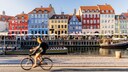
Copenhagen Rewards Tourists Who Arrive by Train

What I Wish I Had Known Before My First Trip to Copenhagen
Media Scorn for BerlinPay
When I read about BerlinPay with these wonderful experiences in mind, question marks light up in my head.
“Cleaning vacation in Berlin?” headlines “Der Tagesspiegel.” Here, the negative narrative is created, and the reward is not emphasized. Particular skepticism seems to prevail in Bavaria. A column in the “Süddeutsche Zeitung” bears the headline: “Idea for the Trash.” In a later version, it reads: “To work, vacationers!” And further attempts are made to portray the capital and the initiative as negatively as possible: “Berlin is neither known for its hospitality nor its cleanliness (…) Well, there’s no money, as the chronically cash-strapped ‘Poor but Sexy’ capital is known, instead ‘small advantages’ or ‘special Berlin experiences,’ whatever that means.” The author apparently finds the initiative an imposition, even suggesting “voluntourism” for Berlin: “That is, getting people to work on vacation and even making them pay for it.”
Why so much scorn? Why can’t a proven idea in Denmark be given a chance in Germany? I love the idea of CopenPay: You get to talk to locals, visit places that aren’t Instagram spots but have the potential to be. It’s strange how much the Danes celebrate themselves and how the German media apparently love to first look for the hair in the soup.
A Success Story for Copenhagen
On the website of Wonderful Copenhagen, I read: “It offers visitors the opportunity to experience Copenhagen in a deeply local way—and makes travelers active participants instead of passive consumers.” And further: “We have seen how many of our visitors are looking for different and more meaningful experiences. Tourists no longer just want to see a city—they want to be a part of it. CopenPay gives them this opportunity,” says Søren Tegen Petersen, CEO of Wonderful Copenhagen.
Additionally, some promising results and changes that CopenPay has brought so far are listed:
- Over 30,000 participating “voluntourists” since the start
- Over 100 travel destinations worldwide have expressed interest in the CopenPay model
- Bicycle rentals increased by 59 percent during the initiative
- Seven out of ten participants said they changed their habits at home
- Ninety-eight percent would recommend CopenPay
Either you are passionate about an idea, or you condemn it from the outset due to media wording. I currently see only good reasons for an adapted success story from the cozy neighboring country with growth potential. Especially for Germany.