

December 4, 2025, 1:59 pm | Read time: 3 minutes
The job of a pilot demands utmost concentration to ensure the plane reaches its destination safely. However, a survey reveals that many pilots are exhausted and simply fall asleep in the cockpit. As a result, one country is now taking action.
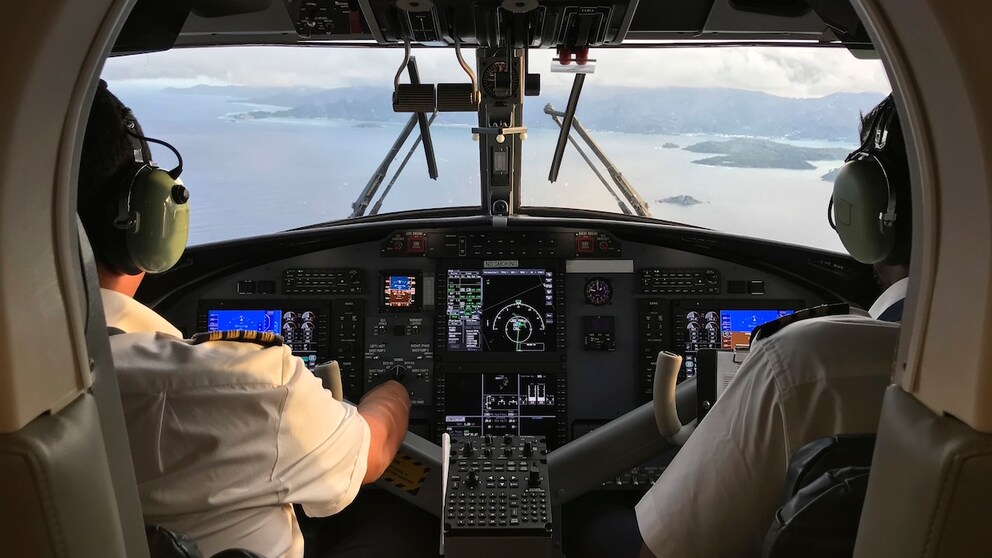
It’s not unusual for passengers to take a nap, and it’s certainly not a problem. But when a pilot is so tired that they nod off in the cockpit, it’s quite concerning–and unfortunately not uncommon. This is shown by a survey from the pilots’ union Vereinigung Cockpit (VC). The result: Napping in the cockpit is no longer a fringe phenomenon.
93 Percent of Pilots Have Fallen Asleep
About 900 pilots from German airlines participated in the VC’s brief survey. Ninety-three percent of them reported having used so-called napping during a flight in recent months. According to the pilots’ union, napping in this context refers to controlled rest periods during the cruise phase of a flight, not during takeoff or landing. “Napping has long been the norm in German cockpits. What was originally intended as a short-term recovery measure has become a permanent solution to structural overload,” says Katharina Dieseldorff, vice president of Vereinigung Cockpit, regarding the results.
She also explains that the situation worsens during the summer months. Pilots report that they complete their assignments despite severe fatigue. The causes are tight schedules, staff shortages, and increasing operational pressure. According to the survey, napping has become standard for three out of four pilots.
The VC sees this as a major problem. “A short nap is not critical in itself. However, a perpetually exhausted cockpit crew poses a significant risk,” says Dieseldorff.
Also of interest: Why Pilot and Co-Pilot Can Never Eat the Same Thing
Flight Attendant: “Using Tape to Restrain Passengers Is Actually Taboo”
Why Pilots and Co-Pilots Must Never Eat the Same Meal
First Country Takes Action
However, the problem is not limited to Germany; it is worldwide. That’s why India is now taking action. The Indian aviation authority DGCA is specifically targeting cockpit crew fatigue and exhaustion by introducing mandatory anti-fatigue training. As reported by the Indian news outlet “NDTV,” all airlines in the country must annually train their pilots, flight attendants, and scheduling staff in fatigue management. This training will cover not only legal regulations on flight and rest times but also scientific findings on sleep and sleep management.
Additionally, the Indian aviation authority is introducing the Fatigue Reporting System. This allows the crew to report incidents, which are then reviewed by an independent panel. If necessary, targeted countermeasures are implemented. To ensure compliance with the new regulations, airlines must report quarterly on how many crew members have been trained, how many napping incidents have occurred, and what measures have been taken.
German Union Calls for Change
What India is now demonstrating is something the Vereinigung Cockpit is also broadly advocating. They want fatigue to be recognized as a safety factor. Airlines, politicians, and regulatory authorities are urged to take exhaustion seriously, according to a statement. “A corporate culture that downplays or ignores fatigue is a safety risk. The VC calls for decisive action from airlines, authorities, and politicians–to protect crews and passengers,” concludes VC Vice President Dieseldorff.