

October 22, 2025, 1:02 pm | Read time: 4 minutes
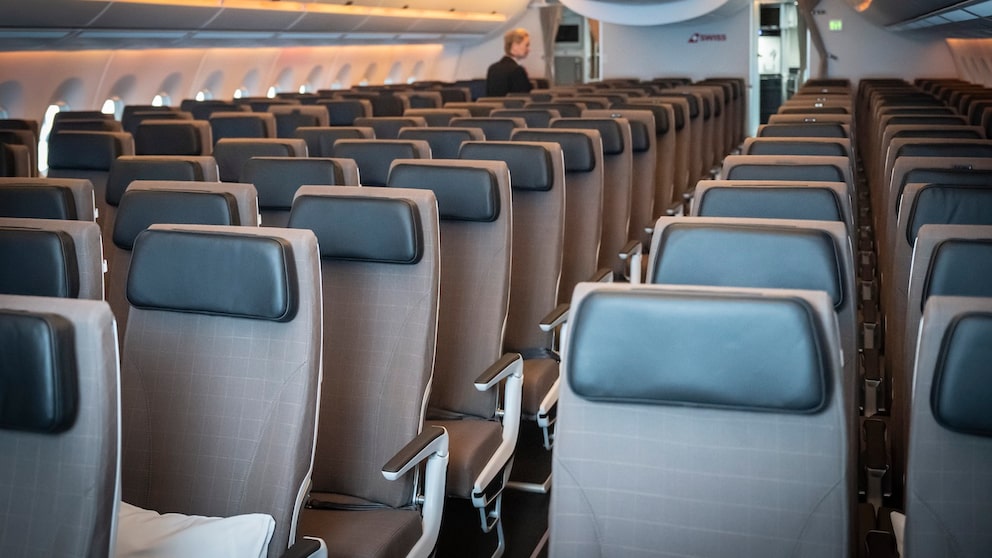
The Airbus A350 is considered the most advanced aircraft in its class. Several airlines have already put the jet into operation–including the German Lufthansa. However, neither Lufthansa nor its Swiss subsidiary Swiss can fully utilize it at the moment. Specifically, an entire row of seats must consistently remain empty. TRAVELBOOK asked an expert why this is the case.
Thanks to new engines, lightweight construction, and optimized aerodynamics, the Airbus A350 consumes about 30 percent less fuel and is only half as loud as comparable models. Lufthansa states this on its website. Improved air pressure, an optimized lighting concept, and the modern cabin equipment offer more peace and comfort, resulting in a noticeably more pleasant flight experience with less environmental impact. Yet, it seems that the most efficient long-haul aircraft in the fleet does not have efficiently used space. In other words, one of the seat rows must always remain empty–due to legal regulations, as reported by “Aerotelegraph.”
Upgraded Premium Economy Class with a Flaw
The portal describes the significantly upgraded Premium Economy Class upon the introduction of the Airbus A350 by the airline Swiss–the Lufthansa subsidiary will first regularly deploy the new aircraft type at the end of October 2025. The travel class, situated between Economy and Business Class, is located in its own separate cabin area. However, one detail stands out: At the rear end of the section, two isolated rows of the Economy Class appear “lost” in the space. A narrow ceiling divider separates the two booking categories. Toilets completely separate the area from the rest of the Economy cabin.
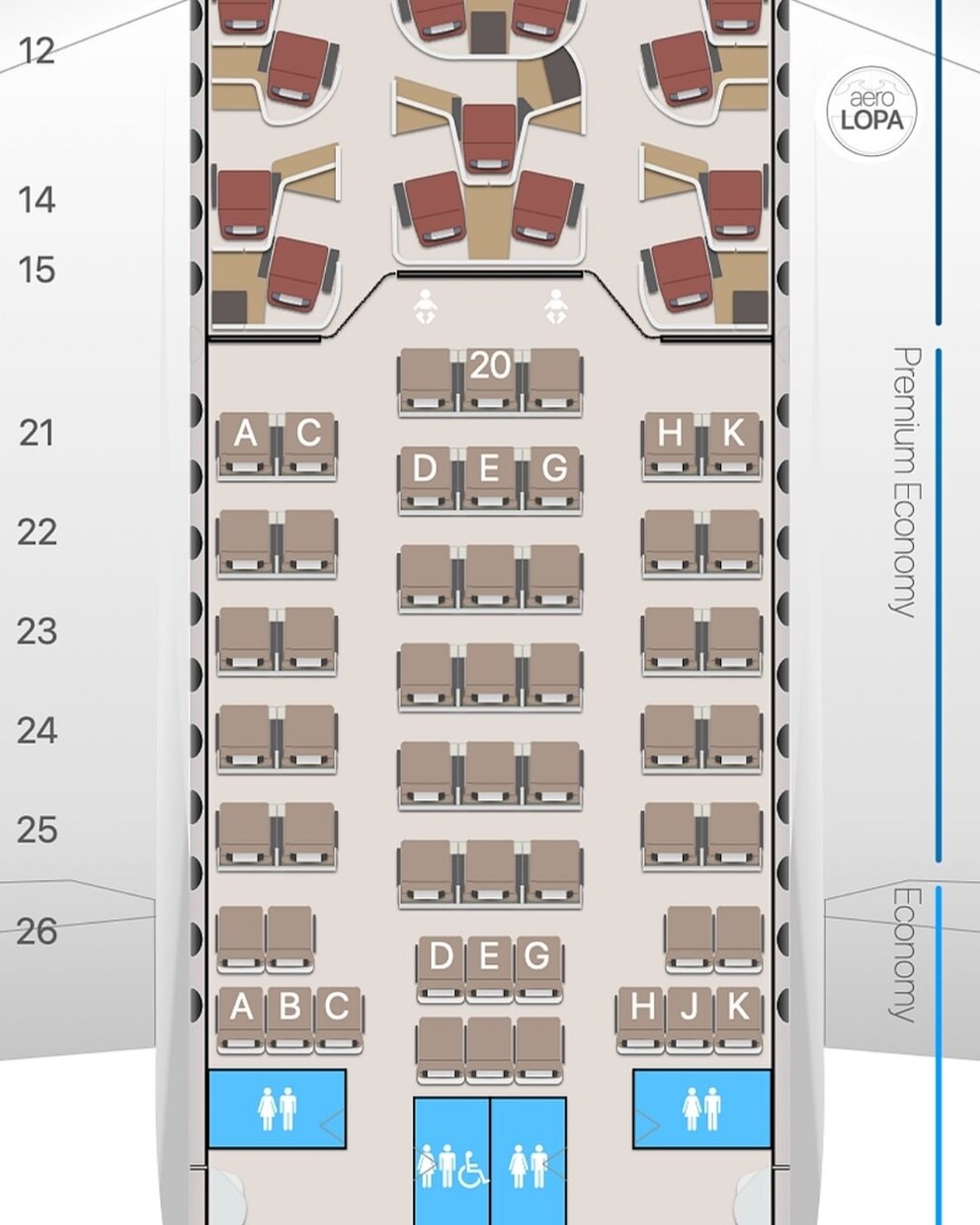
Swiss explains this “flaw” in the area of rows 26 and 27 to the portal by stating that the airline wanted to adjust the number of seats in all classes to the expected demand. However, there was only room for an additional row in the Premium Economy, which inevitably created a gap in the arrangement of the Economy seats.
Where You Feel Turbulence Least on a Plane
Why Do Passengers Sometimes Have to Take a Bus to the Plane?
Why a Row in the Airbus A350 Cannot Be Sold
Now the two rows are there. And travelers in the Economy Class might be eager for them: After all, they belong to the slightly cheaper category but still offer a certain exclusivity. But: Wrong! Passengers are currently not allowed to sit there–at least not in both rows. Swiss is not selling the front of the two, the first Economy row directly behind the Premium Economy with number 26, at the moment. The reason lies in the aforementioned legal requirements.
TRAVELBOOK asked aviation expert Cord Schellenberg to explain the safety aspect behind it. “Passengers sitting directly behind the hard-shell seats need special seat belts with an airbag function. This reliably prevents a collision between the person and the seat shell in an emergency,” Schellenberg explains. To his knowledge, Swiss is still working on the official approval of this airbag function in the A350 Economy seats. As long as the process is ongoing, the affected seats remain empty.
Ongoing Approval Process is a Crucial Phase
In general, airlines and aviation technical companies need sufficiently knowledgeable experts in the approval authorities, the expert explains. “Only if enough qualified and decision-making experts are available there can approval processes be carried out and completed quickly.” Time costs money in aviation not only because of flight operations–airlines and technical companies also pay high fees for each application process.
Also interesting: 8 tricks to almost always fly next to an empty seat
How long this process will take, meaning when row 26 in the new Airbus A350 can also be occupied? According to Cord Schellenberg, this is still not foreseeable. Especially not without knowing when the approval application was submitted.