

September 23, 2026, 8:23 am | Read time: 3 minutes
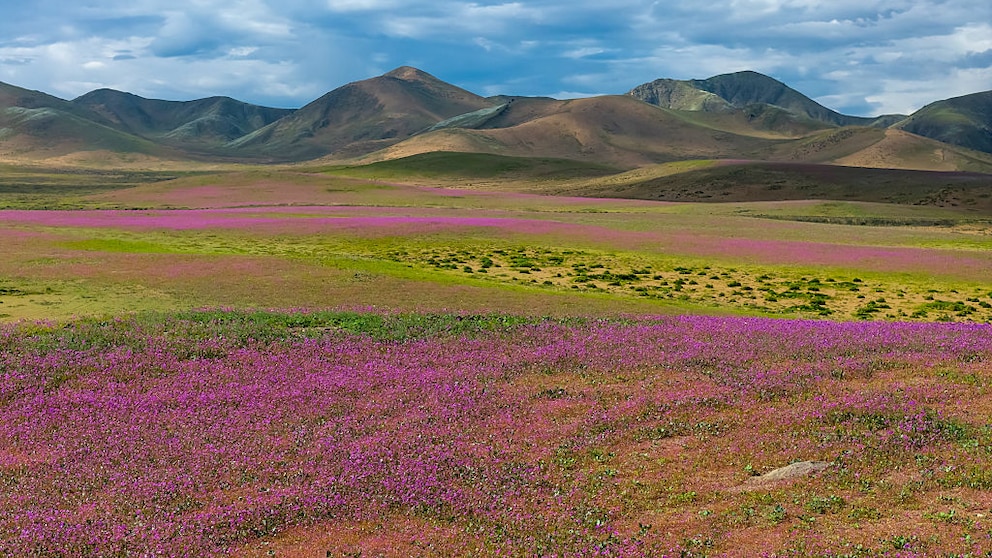
It is the driest desert in the world–and all the more remarkable is the natural spectacle currently unfolding again in the Atacama Desert in northern Chile: Lush, purple blooms are suddenly sprouting from the ground. It’s also astonishing that this is happening for the third consecutive year. TRAVELBOOK provides an overview.
The Atacama Desert, located between the Chilean cities of Tacna and Copiapo, is considered the driest desert outside the polar regions. The Andes usually prevent rain clouds from entering the isolated desert. However, on very rare occasions, it does rain. The result can be magnificent flower fields, typically admired every five to seven years–usually in September or October when spring arrives in the Southern Hemisphere. But now, the phenomenon is occurring for the third year in a row. The bloom is triggered by the weather extreme El Niño with heavy rainfall.
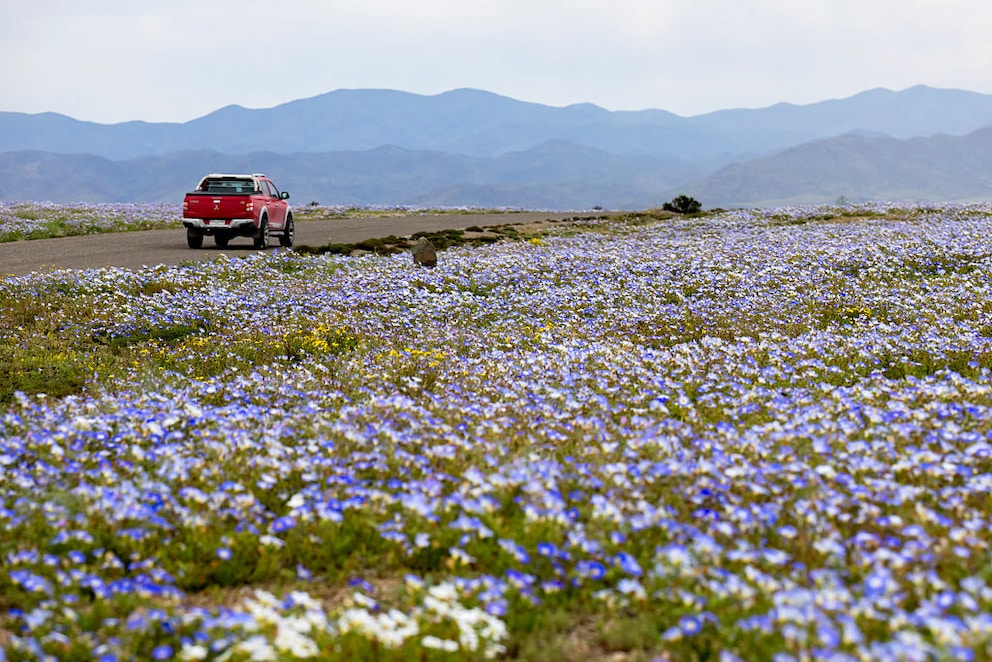
How does the Atacama Desert bloom?
For the desert to bloom, according to “Geo,” various weather and climate conditions must coincide. First, there must be unusually heavy rainfall in the Chilean winter. Second, the humidity must be high, ideally with fog, so that the ground becomes additionally moist and the dormant seeds and bulbs in the soil begin to germinate. Third, mild daytime temperatures are important to promote plant growth.

Tulip Paradises Close to Home – These Are the Best Day Trip Destinations

Martinique – The Most Beautiful Destinations and Best Tips
Visual Spectacle
The phenomenon “Desierto florido” (Spanish for “Flowering Desert”) is a visual spectacle, not just for travelers on site. When the approximately 1,600-kilometer-long desert strip shines in rich violet, it can even be seen from space. In 2025, the bloom occurred particularly early, already in August, with especially lush colors.

An Impressive Travel Region Otherwise
Normally, only cacti bloom in the Atacama Desert. And this scarcity of plants has its advantages, as the Austrian daily newspaper “Der Standard” writes. Thanks to this, the U.S. space agency NASA can use Atacama’s “lunar landscape” as a training ground.
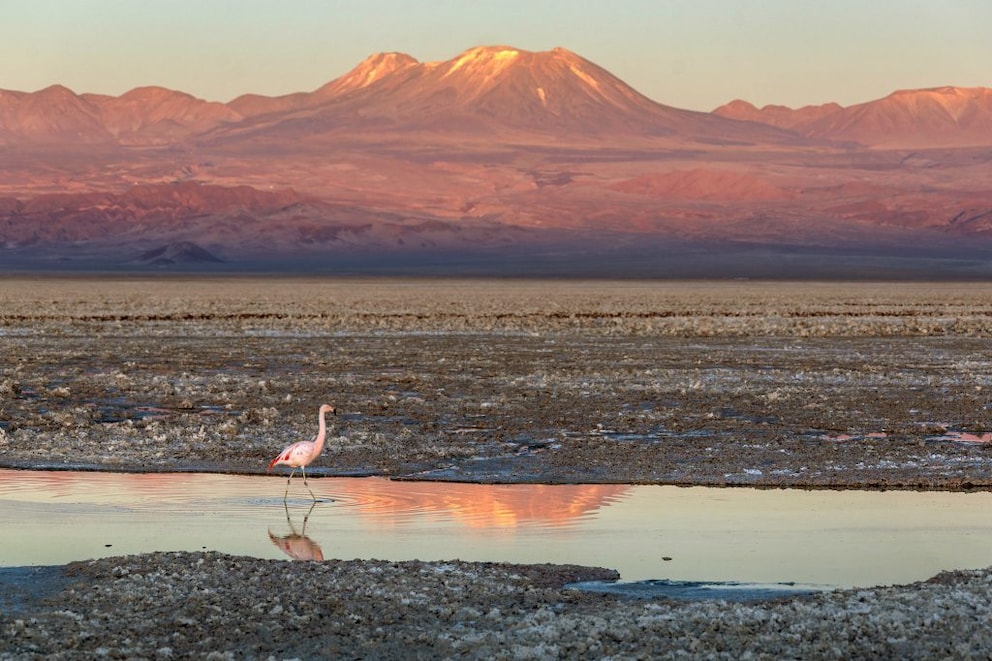
Even in years when it lacks a colorful sea of flowers, the Atacama Desert is worth a visit. Known as “Valle de la Luna” (“Valley of the Moon”), the region offers plenty for the eyes. It is interspersed with hot springs and enormous volcanoes, some of which rise up to 6,000 meters into the sky. In some places, an inhospitable environment often compared to Mars, majestic birds inhabit the famous salt lakes of Atacama: flamingos. To observe them, visitors to the Reserva Nacional Los Flamencos nature reserve have various viewpoints.
A few years ago, researchers found bones of a dinosaur species in the Atacama Desert, TRAVELBOOK reported. They interpreted this as evidence that the “driest desert in the world” today had rich vegetation millions of years ago. Apparently, the herbivorous inhabitants of that time found sufficient food.