


January 15, 2026, 10:10 am | Read time: 5 minutes
There are only a few spiders in the world whose venom can be deadly to humans in the worst-case scenario. Which ones they are, where they are found, and what to do if you have an unfortunate encounter with one of these eight-legged venomous creatures–TRAVELBOOK provides the answers.
In November 2021, news from an Australian zoo made headlines worldwide: An exceptionally large specimen of the highly venomous Sydney funnel-web spider was handed in. Allegedly, it was the largest spider of its kind ever discovered. TRAVELBOOK took a look at the five most venomous spiders in the world. The aforementioned Australian funnel-web spider is indeed among them. However, another spider species, which is even more deadly, takes the top spot.
Sources used in this article:
The 5 Most Venomous Spiders in the World
1. Brazilian Wandering Spider
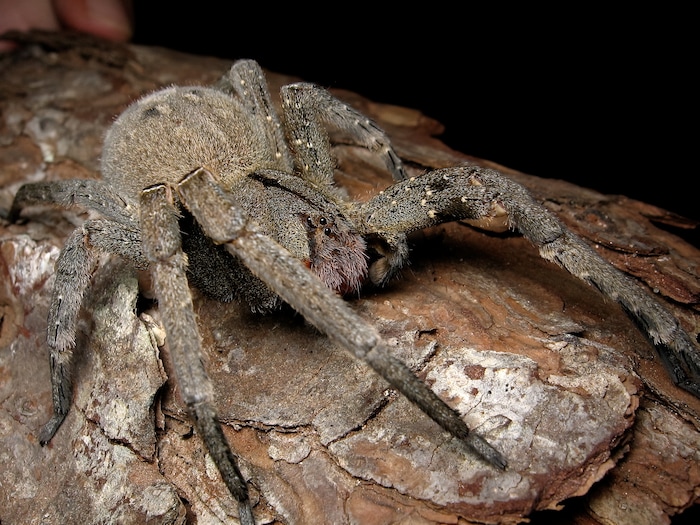
According to the Guinness World Records, two species actually share the record for the most venomous spider in the world: the Sydney funnel-web spider and the Brazilian wandering spider. However, when you look at the relevant literature on venomous spiders, it becomes apparent that spider researchers seem to disagree on which one is truly more venomous.
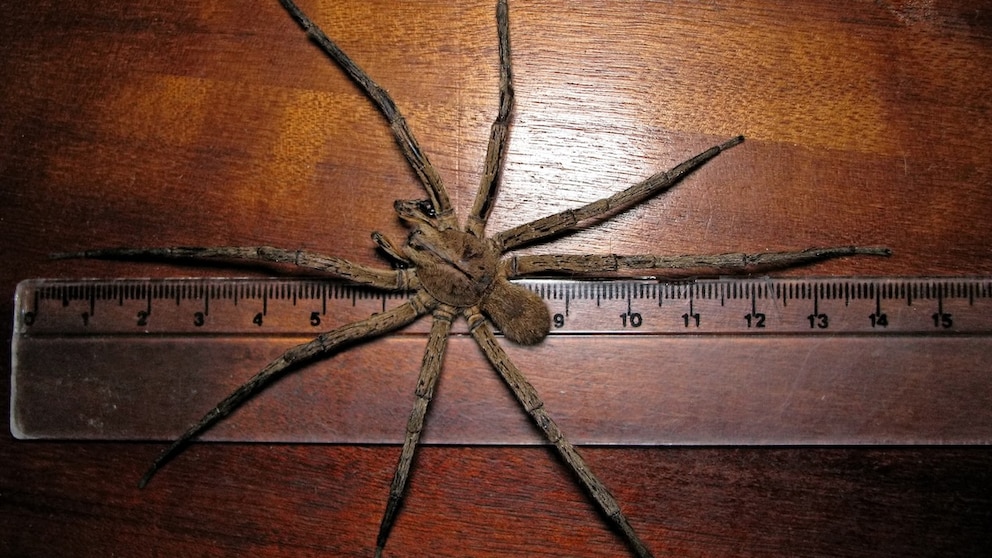
Arachnologists seem to agree, at least, that the Brazilian wandering spider (Phoneutria nigriventer) is the deadliest spider in the world. An estimated ten people die each year from its bite. That’s why we’ve placed it at the top of our ranking of the world’s most venomous spiders. It’s also called the “banana spider” because it is occasionally found in exported banana crates and thus travels around the world.
The reference work “Encyclopedia Britannica” states: “Its venom is toxic to the nervous system and causes symptoms such as salivation, irregular heartbeat, and in men, prolonged, painful erections.” Alarmingly, while the Brazilian wandering spider primarily lives in the rainforest, it is particularly adaptable to human settlements and is often found in buildings.
Habitat: Mainly in southeastern Brazil, parts of northern Argentina, Paraguay, and Uruguay
Treatment in case of a bite: Call an emergency doctor, perform mouth-to-mouth resuscitation if necessary. Only in cases of moderate or severe poisoning is antivenom therapy required.
2. Sydney Funnel-Web Spider
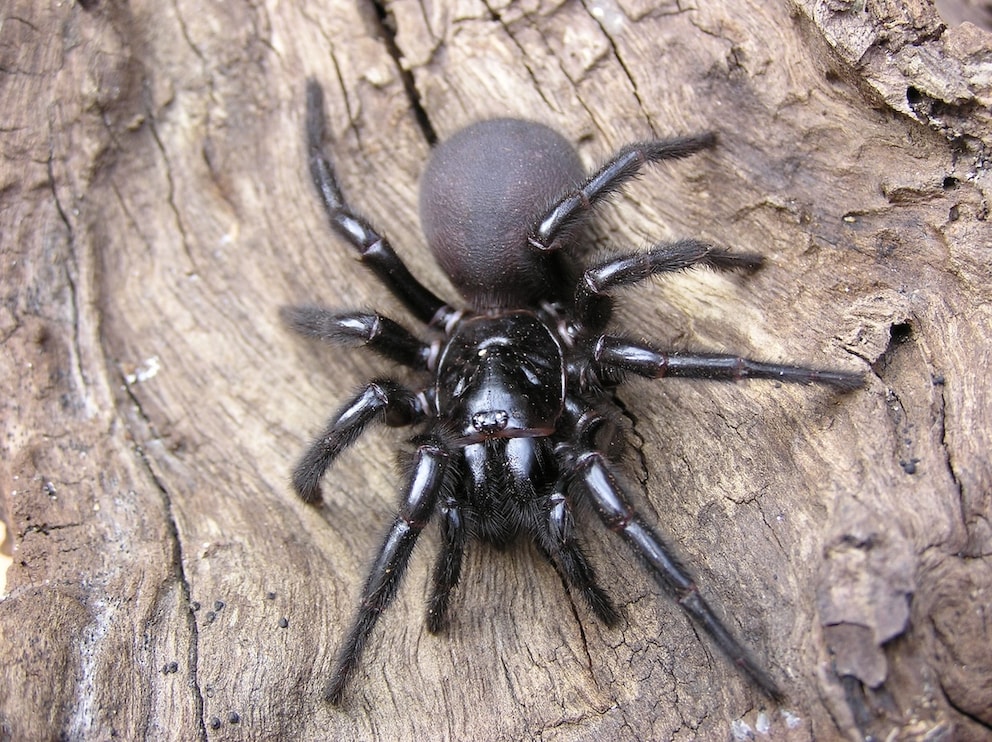
The male Sydney funnel-web spider is one of the most venomous spiders in the world and is considered extremely aggressive. Its bite can be fatal to humans and requires immediate medical treatment. At the Australian Reptile Park, where the largest specimen of this species mentioned earlier was handed in in 2021, staff regularly milk the funnel-web spiders to produce antivenom. The antivenom saves up to 300 lives annually in Australia. Researchers developed the antivenom in 1981–since then, there have been no registered deaths from funnel-web spiders in Australia.
Habitat: Mainly in and around the Australian metropolis of Sydney
Treatment: In more severe cases, antivenom must be administered.
3. Southern Black Widow
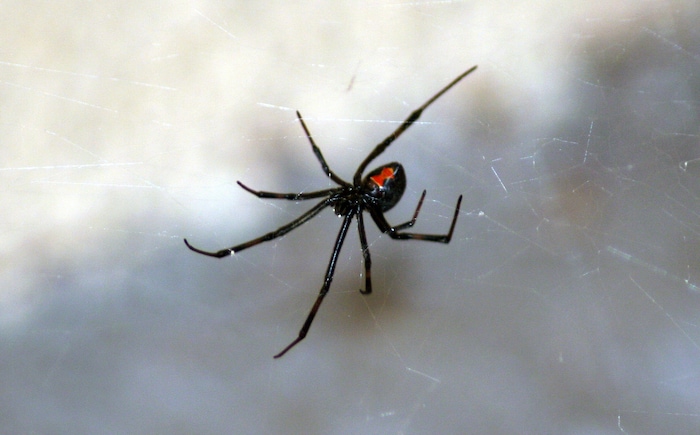
About 2,500 people in the U.S. alone require treatment each year due to a black widow bite. Only the females are dangerous, as the males are usually killed and eaten by the females after mating–hence the name. The “Encyclopedia Britannica” states: “Its bite, which can feel like a pinprick on the skin, often causes severe muscle pain and cramps, nausea, and a slight paralysis of the diaphragm, making breathing difficult. Most victims recover without serious complications. Although it is believed that the bite can be fatal to very young children and the elderly, no deaths in the United States have been attributed to widow spider bites.”
Habitat: Mainly in the U.S., parts of Canada, Latin America, and the West Indies
Treatment: In more severe cases, administration of antiserum is necessary.
4. Chilean Recluse Spider
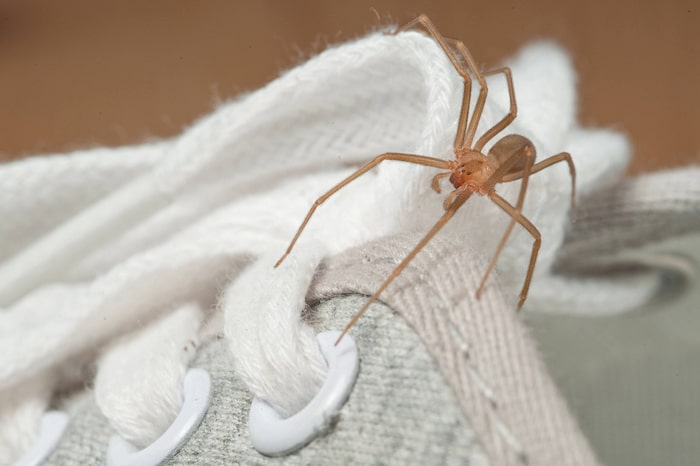
The Chilean recluse spider is also among the most venomous spiders in the world. Its venom is potentially deadly to humans. According to the website “Tierwissen.net“, it causes severe tissue damage and can lead to death from liver failure. The main problem is that there is currently no effective antivenom. It prefers to live in human settlements and hides in dark corners. Statistics suggest it is found in up to 40 percent of all Chilean households. However, bites are relatively rare because the spiders are nocturnal and not considered aggressive. According to a report by “Prosieben.de“, the Chilean recluse spider has now been introduced to Europe, including Germany.
Habitat: Mainly Chile, Peru, and Ecuador, but now found throughout South and Central America
Treatment: No effective antivenom available. Therefore, avoid dark corners and crevices in homes.
5. Redback Spider
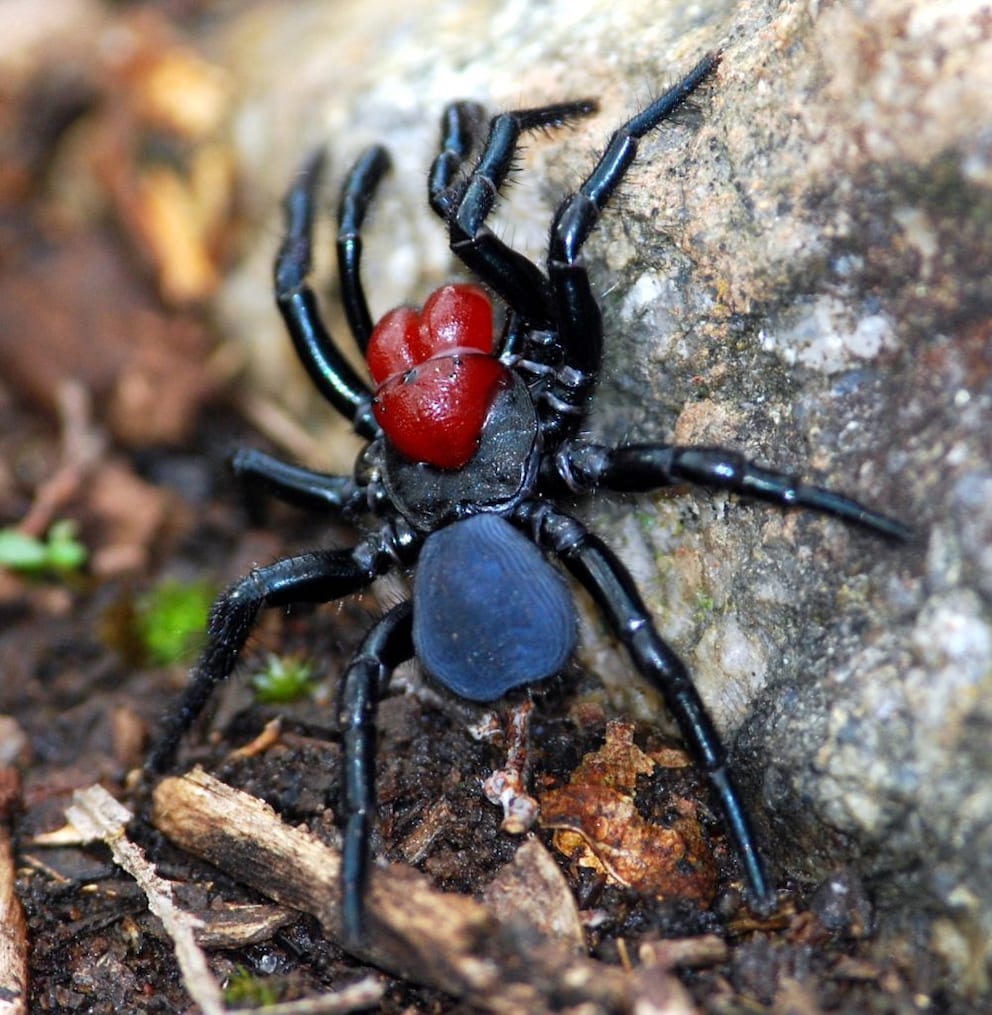
Also among the most venomous spiders in the world is the redback spider. The name becomes clear when you look at the photo below. “The venom causes severe swelling and paralysis,” writes “Tierwissen.net.” It can be life-threatening, especially for children, and the males are significantly more aggressive than the females.
Habitat: Southern Australia
Treatment: The antivenom for the Sydney funnel-web spider should be used as an antidote.