

November 27, 2025, 5:45 am | Read time: 8 minutes
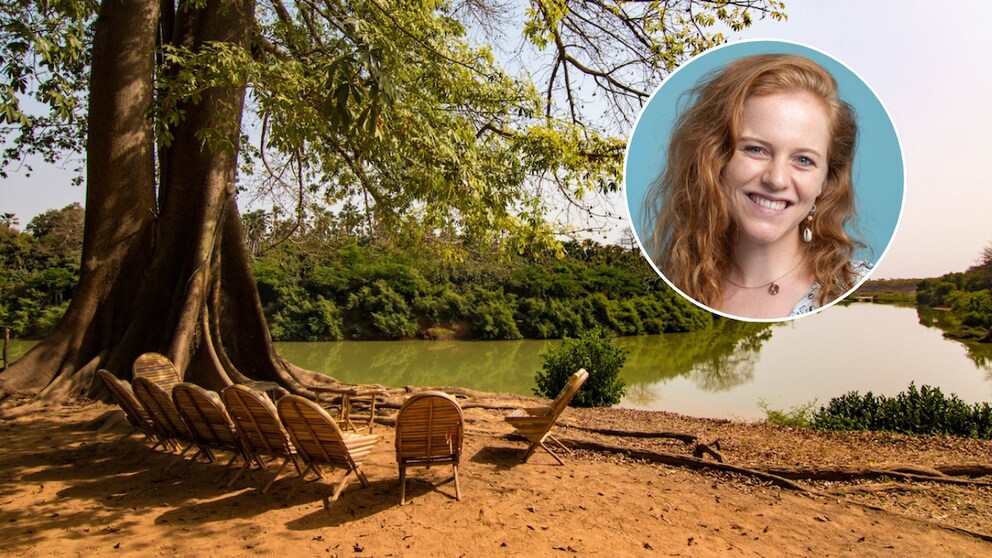
Vanessa Palumbo works in the higher foreign service for the Foreign Office and has lived in Berlin, Lyon, and Tokyo. For over two years, Dakar has been her home–and whenever possible, she travels through Senegal. Most recently, she visited the spectacular but little-known Niokolo-Koba and shares her tips and experiences on TRAVELBOOK.
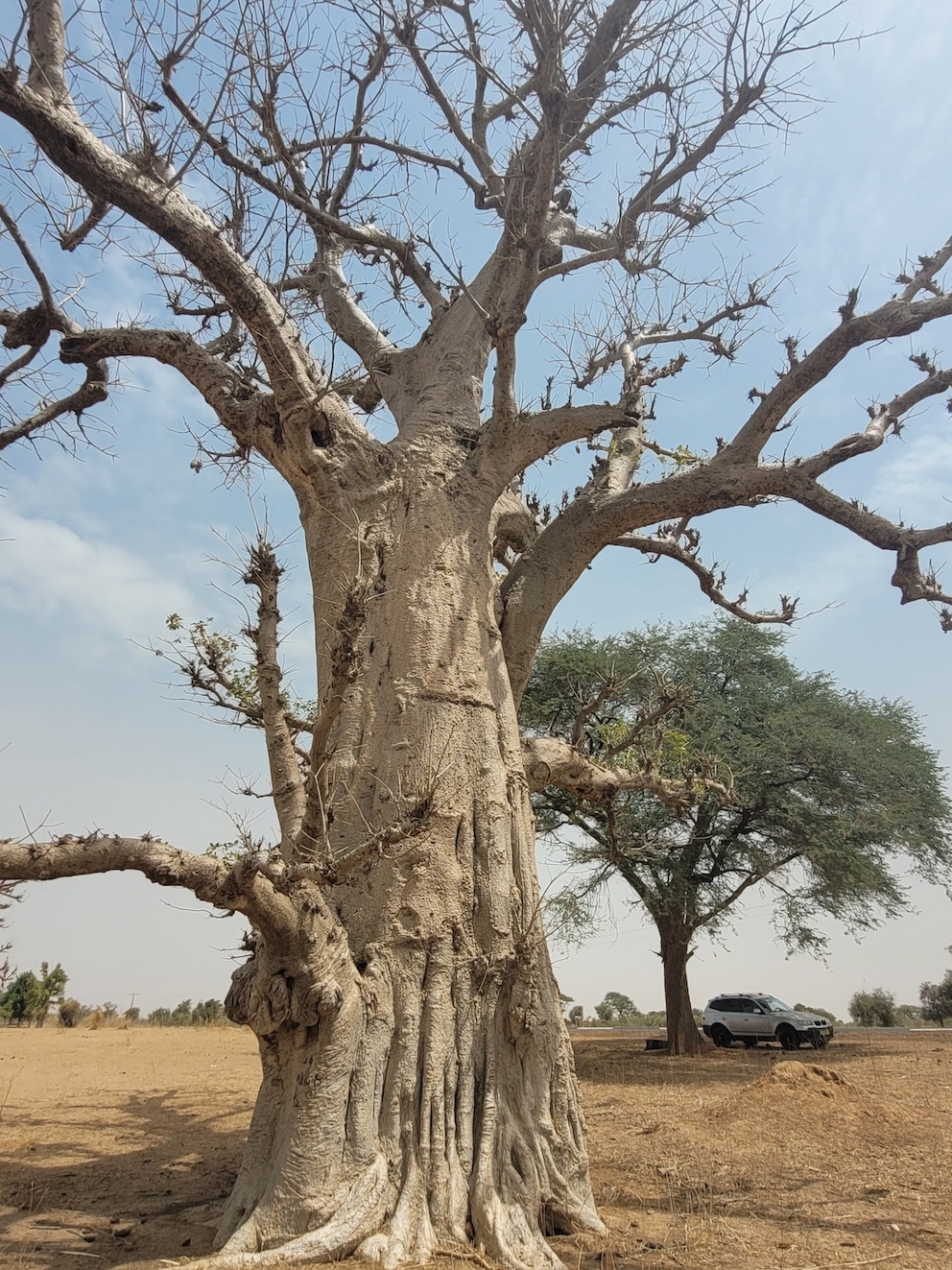
Mighty baobab trees pass leisurely by the car window. Their shadows dance before me on the reddish shimmering ground. Somewhere in the distance, the heat shimmers over the road until an inconspicuous sign appears by the roadside: Welcome to Niokolo-Koba National Park.
Off to Southern Senegal
Early in the morning, I leave Dakar, the bustling capital of Senegal. With its mix of colonial architecture, lively markets, and proximity to the Atlantic, it is a fascinating starting point for a journey into the West African country. I grab my backpack and set off.
My destination is 700 km away: Niokolo-Koba National Park–a UNESCO World Heritage site in the southeast of the country, on the border with Guinea. For many visitors to Senegal, the park is still uncharted territory, making it all the more worthwhile. The journey is long–but doable in a day and the perfect opportunity to discover Senegal in all its facets!

Renting a Car Is the Easiest Option
The fastest and most flexible option for the trip is to rent a car. Car rentals can be found in Dakar as well as at Blaise Diagne International Airport. Important: Be sure to choose a four-wheel-drive vehicle, as the roads can sometimes be a bit adventurous.
Those with enough time and a sense of adventure can also use public transportation for the journey. With the bus company DemDik, you can travel from Dakar to Tambacounda for 9,000 XOF francs (about 14 euros) (departure every day at 7 a.m. from Terminus Liberté 5, tickets available via app or at the counter, current information here). There, you get off at the Médina Coura station, walk to the Gare Routière, and take a shared taxi towards Kédougou, which can drop you off halfway at the park entrance.
When using public transportation, you should be prepared to explain the key details of your desired destination in French–as English is rarely helpful in Senegal, especially in more rural areas. For even more interaction and authentic encounters, it’s worth learning a few useful phrases in Wolof, the most widely spoken language in Senegal.
Picnic in the Shade of the Baobabs
Whether by bus or car–the journey itself is a small adventure, as I traverse the country’s different climate zones. The further south I go, the more the dry savanna transforms into lush bushland. Particularly impressive are the countless baobab trees. With their massive trunks, they stand like ancient guardians by the roadside, giving the landscape an almost fairy-tale character. The best part: Their wide trunks also provide welcome shade–perfect for a roadside picnic!
Important: Bring enough water! Especially during the rainy season, it gets very hot and humid in Senegal. There are also regular gas stations along the route where you can refill water, buy simple snacks, and, of course, fill up the tank.
Overnight with Monkeys by the Gambia River
In the last half hour before reaching the destination, the park area, which spans more than 9,000 square kilometers, begins. I’m lucky–as the sun slowly sets and the sky turns a warm red, I can observe a few monkey families by the roadside.
The park offers various accommodation options, depending on budget and comfort level. I stayed at “Campement Wassadou“–a simple but atmospheric and affordable accommodation right by the Gambia River. Booking inquiries are best made via WhatsApp (70 106 23 27). For one night in a double room with half board, you pay 45,000 XOF (about 68 euros) for two people.
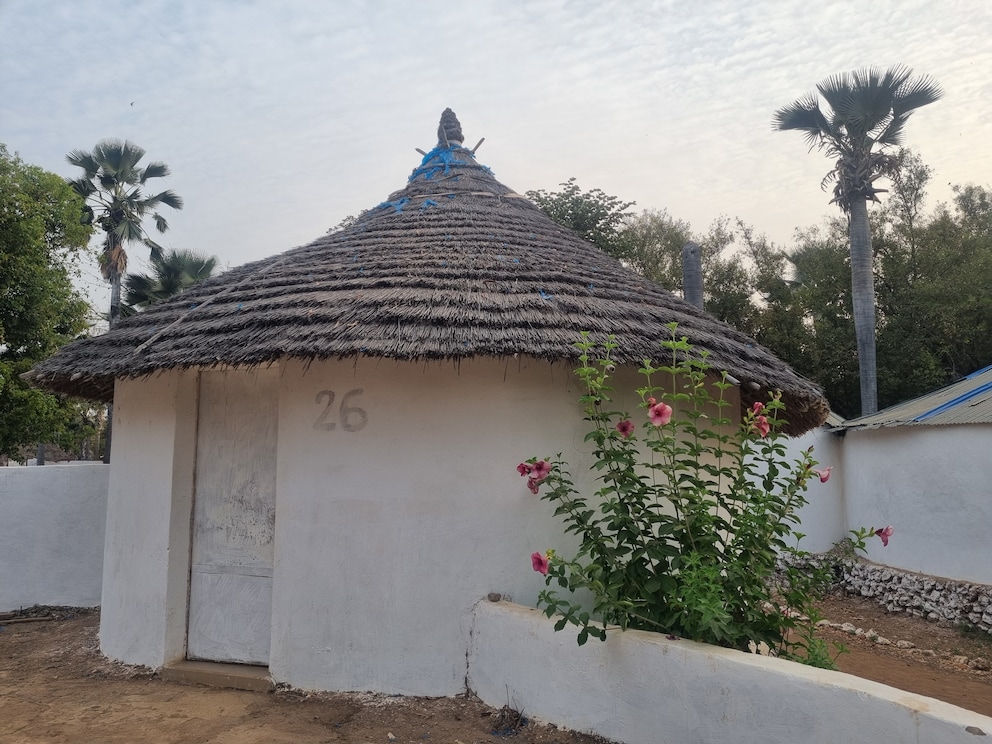
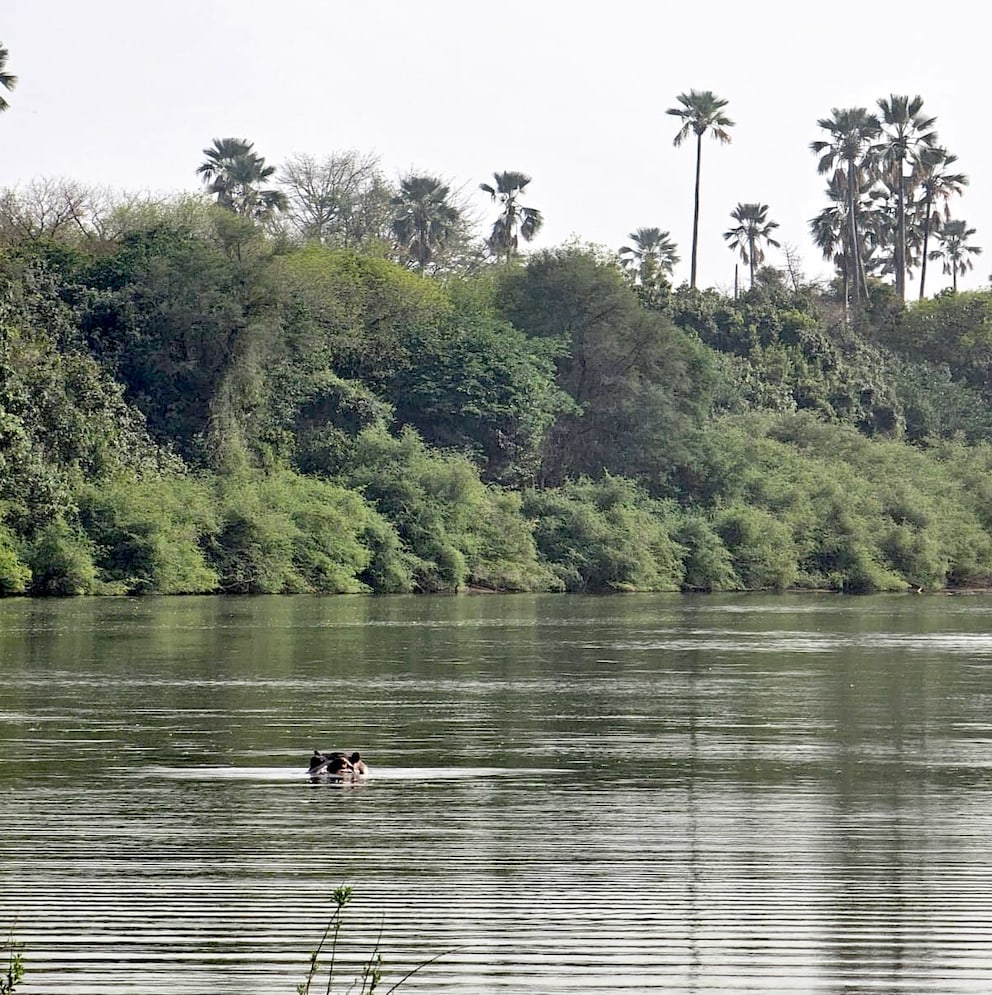
Upon my arrival, I can already observe a family of hippos bathing from the riverbank at dusk. Between the small huts where guests stay, monkeys hop from tree to tree. Meals are freshly prepared, the cuisine is simple but good. The small huts have clean water, a private bathroom with a shower and toilet, mosquito nets over the beds, electricity from 7 p.m. to morning, and fans.
Important: Despite the mosquito nets, it’s hard to avoid getting bitten outside of them, especially during the humid rainy season. Long clothing is already a proven protection. Before traveling to Senegal, you should definitely consult a tropical medicine specialist regarding malaria prophylaxis.
Access Only with a Guide–and That’s a Good Thing
The next morning starts early–a must, as the animals are most active in the cool hours just after sunrise. From the camp, I drive about ten more minutes to the official park entrance, where my guide Koday is already waiting for me. You can only enter Niokolo-Koba National Park with an official guide–to protect the area and its inhabitants. My accommodation recommended Koday as a guide, but you can also find guides spontaneously at the park entrance.
I am allowed to drive my own car into the park–Koday gets in next to me, we pass through the large entrance gate, and dive into the wild adventure.
- Practical Information for Park Entry:
- Entry per person per day: 5,000 XOF (about 7.50 euros)
- Mandatory guide per day: 10,000 XOF (about 15 euros)
- Vehicle fee per day for your own car: 10,000 XOF (about 15 euros)
- If you don’t have your own vehicle, you can also go on safari with an open jeep from the park–usually with other guests.
The denser the bush and the bumpier the paths become, the clearer it is to me how valuable it is to have a guide. Koday has been guiding guests through the park for more than ten years, and his father also worked as a guide there before him. During our several-hour tour, he shares his extensive knowledge of the fascinating flora and fauna and explains sounds and tracks to me.
Rich Wildlife in Niokolo-Koba National Park
But it doesn’t stop at tracks, as there are quite a few animals to discover in the park.
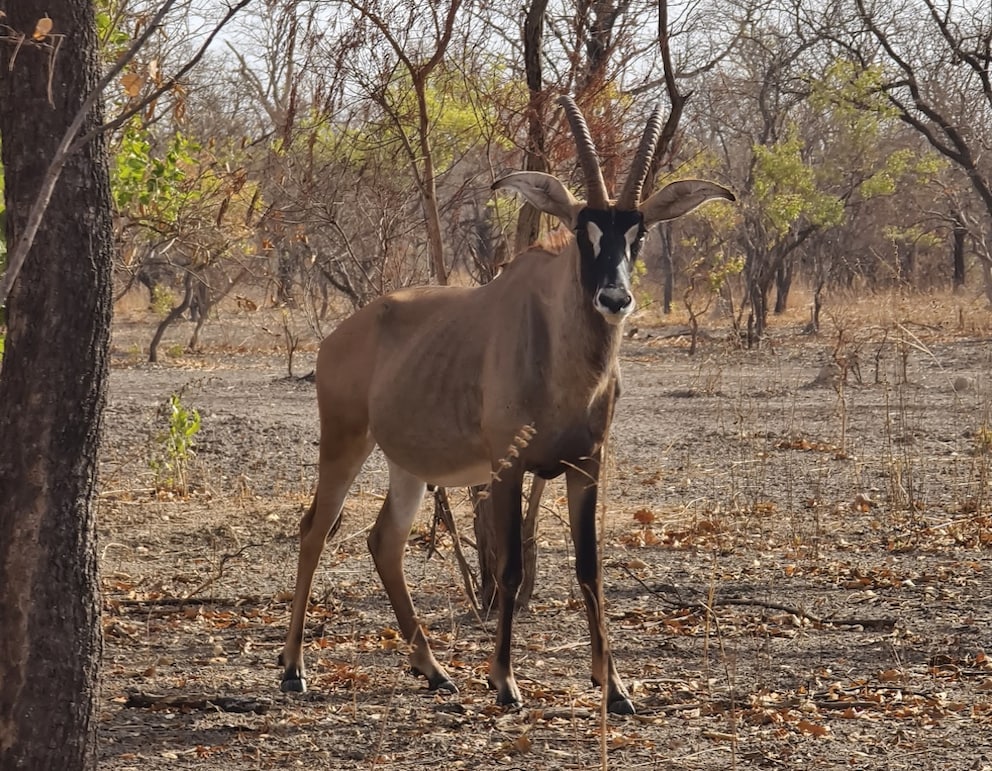
Baboons and green monkeys swing through the trees by the roadside, warthogs and various antelope species leisurely cross our path, and hippos and crocodiles bathe comfortably in the river, just a few meters away. Ornithologists will especially enjoy this place–birds of all colors and sizes flutter through the forest. There are even said to be lions, leopards, and a few elephants–though sightings are very rare.
Pro tip: Bring a small pair of binoculars! You can’t always borrow one in the park.
What to Know Before Traveling to Senegal

TRAVELBOOK editors reveal their favorite destinations
Best Travel Time: Dry or Rainy Season?
Koday explains to me that there are two main times to visit the park: the dry season from November to April, when you can observe animals particularly well due to the sparse foliage and few water sources. In the rainy season from June to October, however, the park is lush green, with full rivers and dense vegetation. Animals are harder to spot then, but the landscape is all the more impressive.
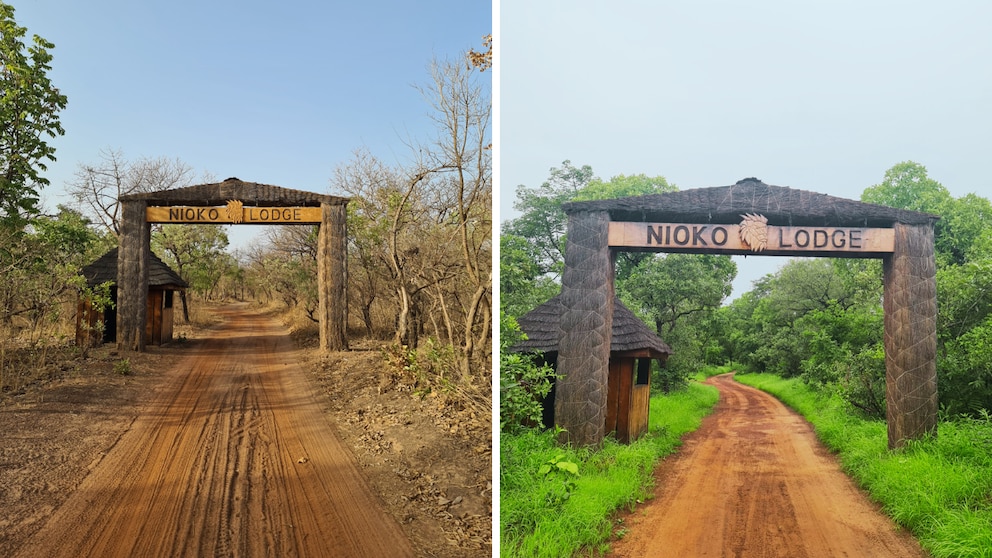
Good preparation is important: hat, sunscreen, water–and closed shoes. Yes, there are also snakes. You should plan a day for visiting the park. If you can’t get enough, you can add a half-day tour the next morning.
On the second day, I opted for a one-hour boat tour on the Gambia River, which departs directly from Camp Wassadou–a real highlight: hippos up close, kingfishers diving, herons on the prowl.
Conclusion: An Adventure Off the Beaten Path
The trip to Niokolo-Koba National Park is not a typical weekend getaway. It requires planning, time, and a bit of adventure spirit. But the reward is great: breathtaking nature, warm encounters, and unforgettable experiences. If you want to experience the authentic Senegal off the beaten path with an impressive wildlife, this is the place to be.
My most important tip for a successful trip to southern Senegal: Be sure to talk to the locals. Those who show genuine interest often learn more than expected–about the park, life here, and Senegal itself.