

July 30, 2025, 5:10 am | Read time: 5 minutes
Germany has 46 UNESCO World Heritage sites, but only a fraction of them are widely known. Here are five outstanding attractions you may have never heard of.
The legendary Inca city of Machu Picchu, the Angkor Wat temple complex in Cambodia, the Indian Taj Mahal: There are 1,121 UNESCO World Heritage sites in 167 countries worldwide–and the number grows every year.
In Germany alone, the UN cultural organization UNESCO, celebrating its 75th anniversary in November, has already placed 46 artistic masterpieces, unique natural landscapes, and significant testimonies of past cultures under protection.
It’s not easy to keep up. The seal is a “quality feature,” says Claudia Schwarz, chairwoman of the UNESCO World Heritage Sites Germany association. However, not every site manages to maintain interest after the initial excitement of the title award–and translate that into visitor numbers.
That was the sobering result of a tourism study a few years ago: The Cologne Cathedral is widely known. However, many Germans are unaware of the special status of many attractions right on their doorstep. Here are five World Heritage sites you may have never heard of.
Muskauer Park, Saxony
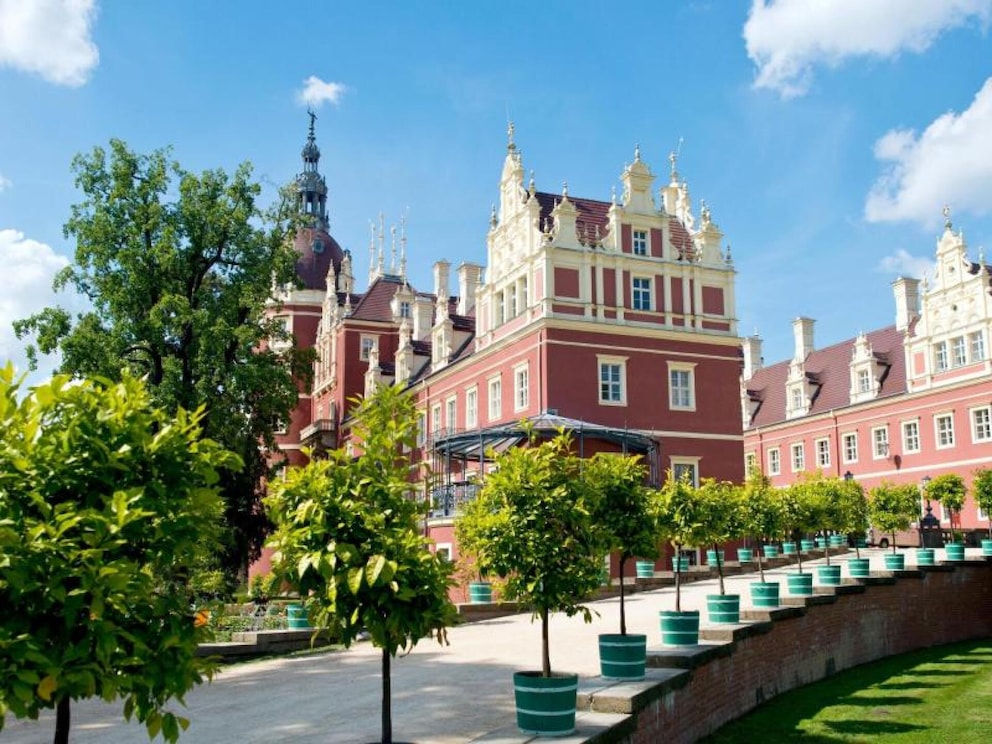
Garden art, nature painting, World Heritage: The masterpiece by Hermann Fürst von Pückler-Muskau in Bad Muskau, Saxony, carries many attributes. The Muskauer Park was added to the UNESCO list in 2004 as a remarkable example of a landscape park and an important artistic landscape on a German-Polish application, resembling a living painting.
Using the stylistic elements of landscape painting, the prince harmonized the foreground and background, with the expansive park spaces blending seamlessly into the surrounding landscape on both sides of the Neisse River, and park paths continually offering new perspectives in the scenery.
Established in 1815, the landscape garden with a vast 50-kilometer network of paths is perfect for exploring by bike or carriage. Visitors interested in the eccentric prince and his work can enjoy the entertaining permanent exhibition in the New Castle.
Fagus Factory, Alfeld, Lower Saxony
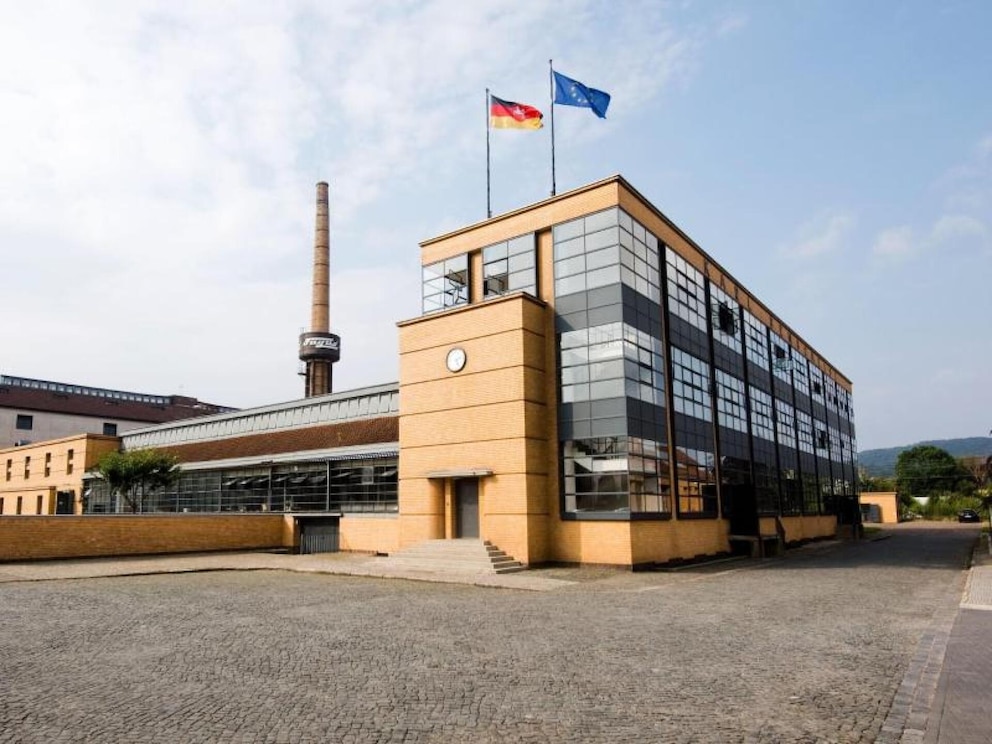
The abundance of glass and steel makes the Fagus Factory in Alfeld, Lower Saxony, appear younger than it is. Yet, shoe lasts have been produced in the old factory for over 100 years. Built in 1911, the facility is considered the origin of modern industrial architecture and is the first work of the famous architect Walter Gropius, founder of the Bauhaus. In 2011, the UNESCO World Heritage Committee recognized the building’s extraordinary, weightless elegance.
Also interesting: Quedlinburg is Germany’s unknown World Heritage gem
Berlin Modernist Housing Estates
The Museum Island is a must-see when visiting Berlin. However, the third World Heritage site, the Berlin Modernist Housing Estates, faces stiff competition from the city’s palaces and gardens. Built between 1913 and 1934 as a counter to the tenement squalor of working-class families, these six estates became a model for the entire 20th century and remain popular residential areas today.
A walk through the Gartenstadt Falkenberg in the Treptow-Köpenick district is a delight. The so-called “Paintbox Estate” by architect Bruno Taut attracts attention with its colorful facades and geometric shapes. Information stations are available in the large Siemensstadt estate and the Horseshoe Estate, and tours are offered in all six estates.

Germany is Among the Countries With the Most UNESCO World Heritage Sites

The 12 Most Beautiful Places to Experience the Indian Summer in Germany
Germany’s Ancient Beech Forests, Various Locations

Without human influence, two-thirds of Germany would be covered with beech forests, but these unique forest ecosystems are dwindling. The UNESCO World Heritage list reveals where untouched deciduous forests can still be found today: Since 2011, five sites in the national parks of Jasmund, Müritz, Hainich, and Kellerwald-Edersee, as well as the UNESCO Biosphere Reserve Schorfheide-Chorin, have been protected alongside other European regions.
Without the influence of humans, Germany would be covered by beech forests, but these unique ecosystems are dwindling. The UNESCO World Heritage list shows where untouched deciduous forests can still be found today: Since 2011, five sites in the national parks of Jasmund, Müritz, Hainich, and Kellerwald-Edersee, as well as the UNESCO Biosphere Reserve Schorfheide-Chorin, have been protected along with other European regions.
Without human influence, two-thirds of Germany would be covered with beech forests, but these unique forest ecosystems are dwindling. The UNESCO World Heritage list reveals where untouched deciduous forests can still be found today: Since 2011, five sites in the national parks of Jasmund, Müritz, Hainich, and Kellerwald-Edersee, as well as the UNESCO Biosphere Reserve Schorfheide-Chorin, have been protected alongside other European regions.
Prehistoric Pile Dwellings, Baden-Württemberg

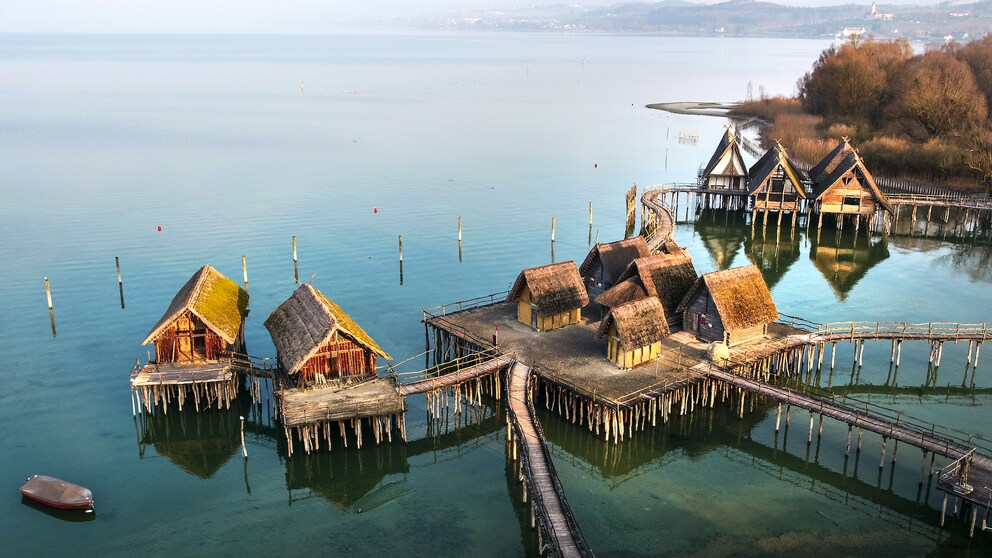
The prehistoric pile dwellings are hidden underwater, but at Lake Constance, sensational finds continue to surface: textiles, dugout canoes, wheels. Germany’s oldest open-air museum takes visitors through Stone Age villages and fortified settlements. On beautiful autumn and winter days, you can also enjoy the lake panorama from the walkways above the water. In total, 111 sites with pile dwellings in six Alpine countries became UNESCO World Heritage sites in 2011.