

October 3, 2026, 12:27 pm | Read time: 6 minutes
Overtourism is a phenomenon that has long taken hold in many European metropolises. Fortunately, even in cities like Rome, there are still a few hidden gems. This is especially worthwhile when visiting the city in the fall, as our author reveals.
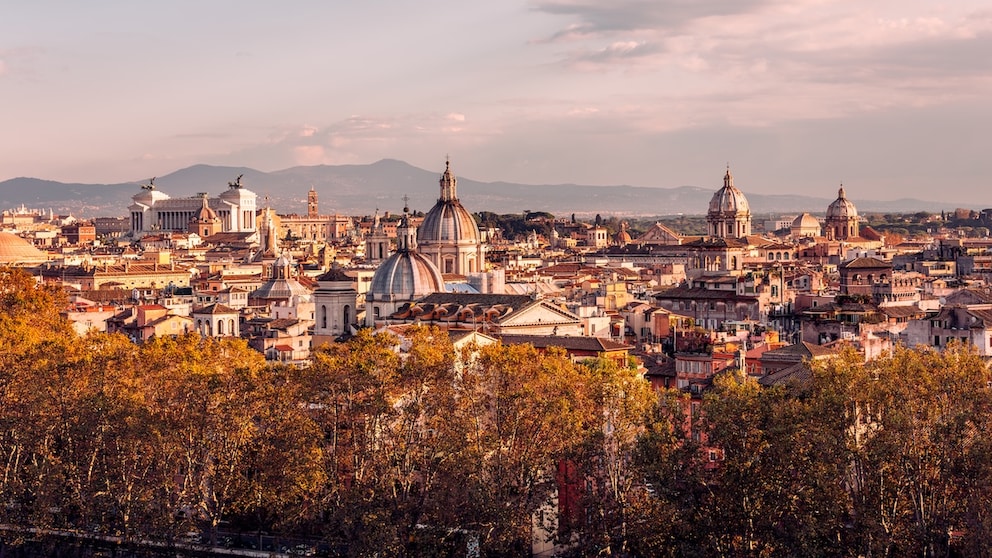
“The best month to visit Rome is October”–this sentence, said by an acquaintance who has lived in the Italian capital for many years, sticks in my mind. According to this acquaintance, October is not only perfect in terms of weather–neither too hot nor too cold, but with plenty of sun and golden autumn days–but also the best month to avoid the large tourist crowds that push through the Roman streets in the summer.
Don’t get me wrong: encountering tourists in Rome is something you can rely on 100 percent. However, there is a difference between thousands or hundreds of people jostling for the best photo spots in front of the Colosseum.
Countless Possibilities
When it comes to tourists, it naturally depends on what you want to do and see in Rome. The Colosseum is practically busy every day, a tour of the Vatican must be booked much earlier than the flight to Rome itself, and the Trevi Fountain has charged an entrance fee since 2026, attracting more than five million visitors in just half a year.
Also interesting: 7 Tips for Your First Vacation in Rome
But there are also corners of Rome that are not quite as crowded. Let me give you a few tips–from someone who has been to the Roman capital several times and has grown very fond of it.
Monti
Even though the Monti district is practically adjacent to the historic center of Rome and not far from the Colosseum, it typically isn’t on most tourists’ bucket lists. There’s still quite a bit going on, but even on my first stroll through, it quickly became clear: This has great potential to become my favorite district. In Monti, one cool bar practically borders the next, and those looking to go out will find small clubs, plenty of jazz bars, and piazzas where you can sit morning, noon, and night.
A particularly special recommendation is the Libreria Caffè Bohémien, a bar where you can sit among floor-to-ceiling bookshelves and order cocktails, wine, or small snacks depending on your mood.
Mercato Di Testaccio
The Testaccio district is located near the Tiber and offers, in addition to some excellent restaurants and Monte Testaccio–a 50-meter-high mound of ancient pottery shards–primarily one thing: the Mercato Di Testaccio.
Whether for a small shopping trip, a lunch break, a snack in between, or the first glass of wine in the late afternoon: This market is a destination for everyone. Just not for every tourist, as you often find yourself sitting among neighbors, schoolchildren, or families, eating your pizza, drinking a coffee, and enjoying the charming plastic chairs in the middle of the small market. In between, you might get up, stroll through the rows, and with a bit of luck, snag a bargain at the shoe or sunglasses stands.
Orto Botanico
Trastevere is one of the most popular and bustling districts in Rome. Who would have thought that a small, quiet oasis is located there? Although–it’s not that small, admittedly. The Orto Botanico spans a total of 12 hectares and is home to thousands of plant species, maintained by the Roman University La Sapienza.
Also interesting: The Best Tips for Visiting Rome’s Trendy Trastevere District
The fact that the park, unlike other green spaces, charges an entrance fee could be seen as a disadvantage–or, like me, you might see it as an advantage that many people think twice about whether they really want to pay for a park visit. We’re talking about just 5 euros, which is still an affordable price. The various greenhouses, including the tropical house and the Japanese garden, are particularly beautiful.
Palazzo Braschi
Almost in the middle of the city, near the Roman Pantheon and yet much less known, is the Palazzo Braschi. It’s not just the building that’s worth seeing, but especially what’s inside. Inside the Palazzo is the Museo di Roma, a municipal museum. And even if these words might sound a bit unappealing at first, a visit is worthwhile.
The museum showcases the history of Rome from the Renaissance to the first half of the 20th century. On the ground floor, there are always changing drawings and photographs on display, and further up, you can learn a lot about the great Roman families like the Barberini and the Borghese. Personally, I took away quite a bit from the visit that I didn’t know about the Italian capital before.
Parco Centrale del Lago
How do you know something is REALLY a hidden gem? A good indicator is definitely the sparse Google reviews. To anyone who doubts the beauty of the place because of this, I can say: The Parco Centrale del Lago is worth the trip to the south of Rome. Originally designed for the 1942 World’s Fair and completed for the 1960 Olympics, it’s a place where few tourists venture. Still, you can take long walks here, relax on the lawns, meet locals, and enjoy a piece of nature in the city.

7 Tips for Your First Vacation in Rome

The Best Tips for Visiting Rome’s Trendy Trastevere Neighborhood
Villa Celimontana
I have one more park–and it’s the perfect mix of forest, paths, and ancient architecture: Villa Celimontana. Long ago, the area around the Villa was a vegetable garden and vineyard; today, it’s a park full of ancient fountains, columns, and statues. Whether you stroll through, grab a coffee, or have a small picnic: The park on the Celio Hill is the perfect contrast to the bustling city. In the summer, (jazz) concerts and shows are also held here.
Prati
Last but not least, Prati: It borders Vatican City and offers some truly beautiful rooftop bars, some of which provide a direct view of the Vatican’s towers. If you take the time to stroll through the district, you’ll also discover a few art galleries. Combined with Prati’s tall buildings and beautiful architecture, the area exudes a completely different vibe than the rest of the city.
A small recommendation from me: Some restaurants in Prati also offer cooking classes where you can learn how to make typical Italian pasta or tiramisu. Wine is usually included, and a good time is guaranteed.