

October 28, 2022, 4:14 am | Read time: 5 minutes
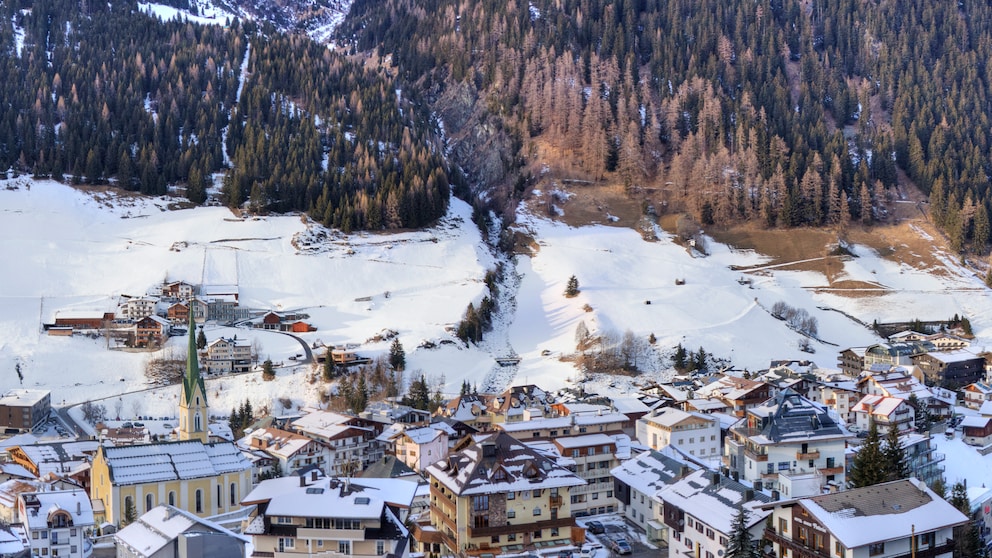
Ischgl is one of the most popular ski resorts in Austria. The time when the beloved vacation spot made headlines as the first COVID-19 hotspot in Europe seems to be forgotten. Many winter sports enthusiasts from Germany are planning vacations in Ischgl again this season. But what makes the place so special? TRAVELBOOK provides an overview.
Ischgl–that’s 239 kilometers of slopes, 73 lift facilities, and above all, après-ski–which has earned the popular winter sports resort in Austria the nickname “Ibiza of the Alps.” Additionally, the ski area is considered very snow-sure due to its location at an altitude of 1,377 meters. Especially at the beginning and end of the season, when other ski resorts usually don’t have as much snow, many winter sports enthusiasts flock to Ischgl. What else distinguishes the ski area–TRAVELBOOK has all the vacation tips.
More tips and inspiration around Ischgl are provided by Kathrin Behre, Product & Business Manager at FITBOOK, in the following podcast episode of In 5 Minuten um die Welt:
Slope Fun in the Silvretta Arena
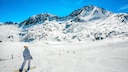
Since the Silvretta Arena Ischgl/Samnaun ski area is located at a particularly high altitude of 2,000 to 2,872 meters and is therefore very snow-sure, skiers can usually enjoy themselves here from late November to early May.
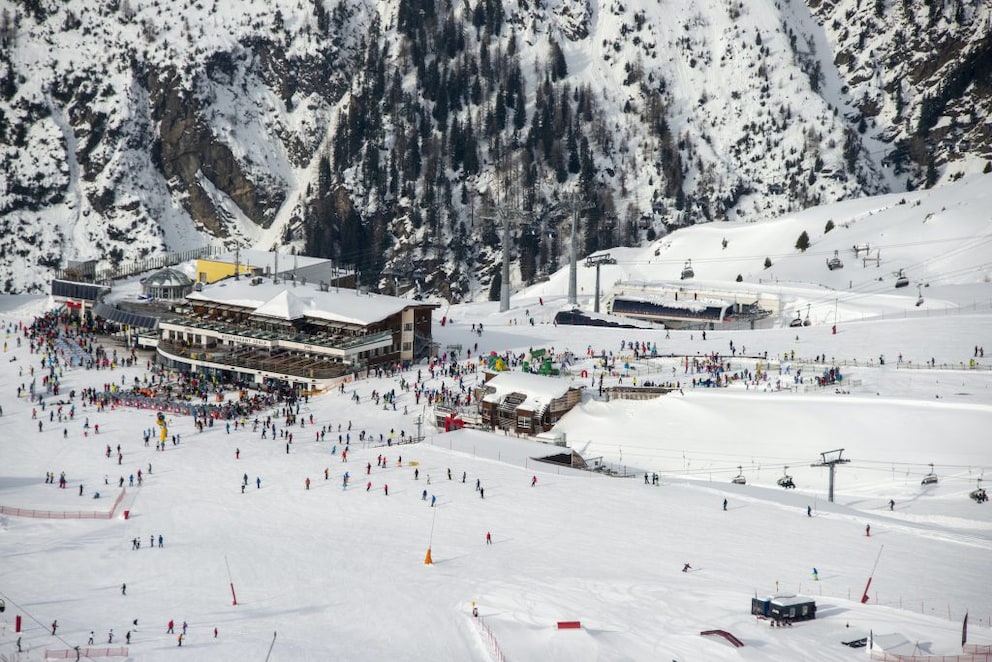
Beginners will find suitable slopes on the Idalp. The ski area offers 38 kilometers of blue slopes, 99 kilometers are classified as red for intermediate difficulty, and 22 kilometers are recommended for advanced skiers. There are 45 lifts in the ski area, and if you count the nearby areas of Galtür, Kappl, and See, there are even 73 facilities available. You can even ski all the way to Switzerland.
Night Tobogganing in the Ski Area
If you’re not too exhausted after a day of skiing, you can go night tobogganing in Ischgl. The track is open on Mondays and Thursdays from 7 p.m. to 8:30 p.m. and is seven kilometers long. Starting at the Idalpe, you overcome a height difference of 950 meters down to the church in the village.
If you’re still not tired of tobogganing, you can take a bus for about ten minutes to Kappl. There, the night toboggan run is open on Tuesdays from 7 p.m. to 10 p.m.
Culinary Delights–Not Just from Austria
The Idalp has become known as an event location but also offers Kaiserschmarrn and Wiener Schnitzel. The dishes taste especially good on the sun terrace. Tip: If you’re here on Mondays and Thursdays, you can grab a sled for the descent and race down the toboggan run that starts here.
Fancy a lunch in Switzerland? If you’re in the mood for wood-fired pizza, you should stop by Alp Trida. For guests who prefer table service, there’s the “Lar Marmotte” area. Appropriately, the associated après-ski bar “Heavens Door” is a popular spot to toast at the end of the ski day.
In the town itself, there is cuisine at a higher level. In the restaurants Fliana Gourmet and Stüva, star chefs are at work. If you’ve had enough Käsespätzle, you might want to try Lucy Wang, which offers upscale Japanese cuisine.
Interested in hiking? Or diving? The Green Lake in Austria, which keeps disappearing
Après-Ski
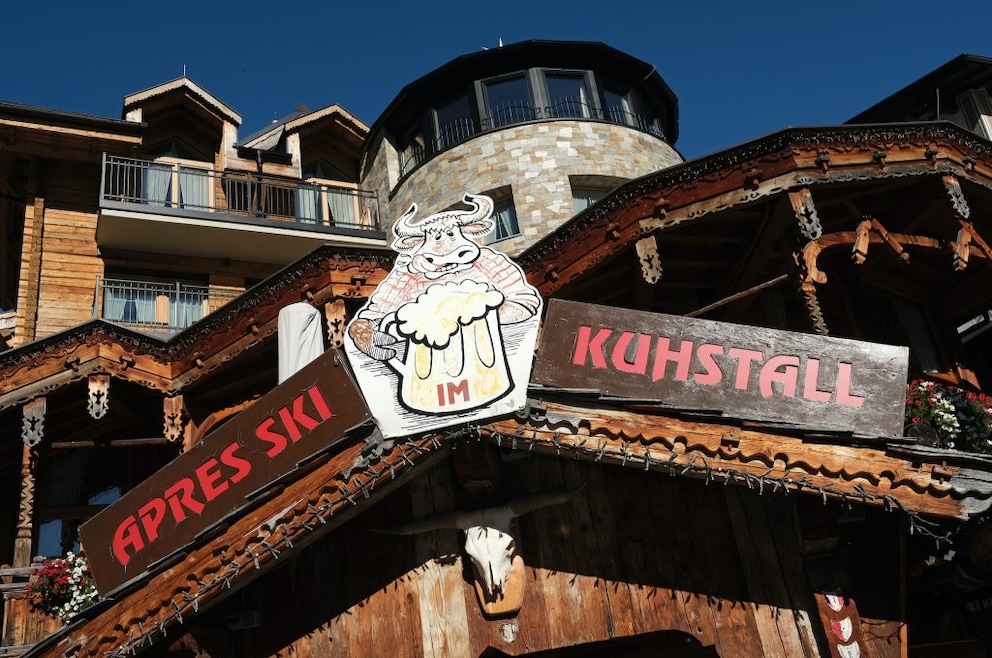
The Kuhstall is considered a must-visit on the party mile in Ischgl. Loud, hot, exuberant–après-ski to the extreme. Tired of “Anton aus Tirol”? The Aprés Champagnerhütte definitely offers variety.
Crowned! The Best Ski Resorts in the World
These 7 ski resorts in Europe are still hidden gems
Tickets & Prices
In the peak season, a day ticket in Ischgl costs 67 euros for adults and 41 euros for children (up to 17 years). However, the day ticket can only be used for the lifts in Ischgl. If you want to ski for two days or longer, 73 facilities in Ischgl, Samnaun, Galtür, Kappl, and See are available.
Two days of skiing cost 131.50 euros for adults and 77 euros for children. To use all ski lifts for six days, an adult pays 358 euros in the peak season, while children ski for 204 euros. The peak season lasts from December 24, 2022, to April 9, 2023. Outside this period, the ski pass is cheaper.
Traveling to Ischgl
If you want to go directly to the ski area, you’ll likely travel by car. The drive from Munich takes about two and a half hours.
From Berlin, you can take a train to Wörgl in about 5 hours and 45 minutes. There, you need to transfer and continue by train to Landeck-Zams (about 1 hour and 15 minutes travel time). From there, the bus takes another 50 minutes to reach Ischgl.
If you prefer to fly, you should land in Zurich. From there, a train (about 2 hours and 20 minutes) goes to St. Anton. From there, you can take a taxi (40 minutes) to Ischgl. If you want to save money, you can also take a bus from St. Anton for 40 minutes to Pians, transfer there, and 40 minutes later you’ll be in Ischgl.