

September 13, 2025, 5:26 am | Read time: 10 minutes
When you think of Australia, you probably imagine year-round sunshine, poisonous animals everywhere, and endless surfing. Many of these ideas are just clichés, which might surprise some. Our author Delia Krumhaar lived in Down Under for eight months and knows what it takes to make your stay on the other side of the world as smooth as possible. Some of these recommendations and warnings might surprise or even amuse you. Find out here which helpful tips are available and what you should avoid.
Australia is one of the most popular travel destinations worldwide. Whether it’s endless dream beaches, national parks full of unique animals and plants, trendy cities, the desert-like Outback, or the fascinating Great Barrier Reef–unforgettable experiences await here. Due to the vast distance, Down Under remains a dream for many, while others already have it on their list as a long-haul destination. Those seeking nature, freedom, and adventure are in the right place–but should keep a few things in mind. TRAVELBOOK reveals 13 things travelers in Australia should definitely avoid.
Overview
- 1. Expecting constant summer temperatures
- 2. Not applying proper sun protection
- 3. Having paranoia about poisonous animals
- 4. Boarding public transport without a ticket
- 5. Believing the legend of the “Drop Bears”
- 6. Underestimating the Outback
- 7. Surfing or swimming without paying attention to warning signs
- 8. Thinking kangaroos are just cute
- 9. Bringing food into the country upon entry
- 10. Considering distances to be manageable
- 11. Wanting to grill for free without showing manners
- 12. Criticizing Vegemite
- 13. Taking everything too literally
1. Expecting constant summer temperatures
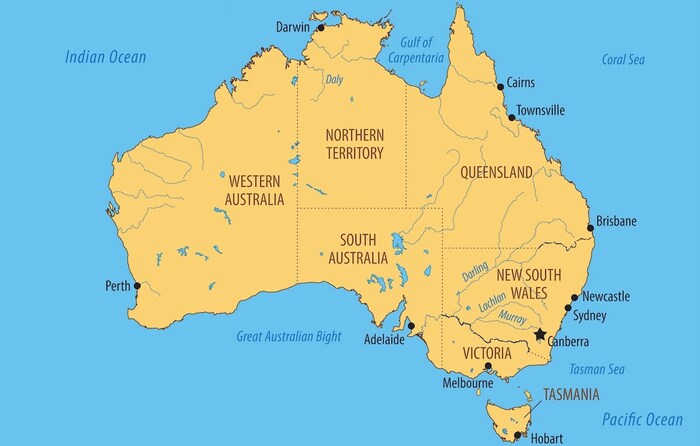
Australia and winter? The continent offers summer temperatures year-round–or so many think. This is a misconception, as there are seasons here too. Due to its location in the Southern Hemisphere, the seasons are reversed compared to Europe: summer runs from December to February and winter from June to August. However, regions in northern Australia, such as Queensland or the Northern Territory, do offer high temperatures year-round. Here, winter is even the dry season with average temperatures of 77 degrees Fahrenheit.
Melbourne, on the other hand, is located in the far south of Australia. Here, average temperatures drop significantly from summer (77 to 86 degrees Fahrenheit) to winter (43 to 59 degrees Fahrenheit). While not as cold as a German winter, Australian buildings are not designed for low temperatures, so it can be chilly indoors. In the Melbourne area, it’s even possible to ski in winter!
2. Not applying proper sun protection
If you think the Australian sun is comparable to our radiation, you’re mistaken–the UV radiation in Australia is comparatively high. This is mainly due to the thinner ozone layer over the Southern Hemisphere. Therefore, only sunscreen with an SPF of 50 is sold in stores and supermarkets. This makes sense, as spending the rest of your stay in Australia with a sunburn is no fun for any vacationer and should be avoided.
3. Having paranoia about poisonous animals
And now a sentence I heard most often before my stay: You’re going to Australia? I would never–with all those poisonous animals!
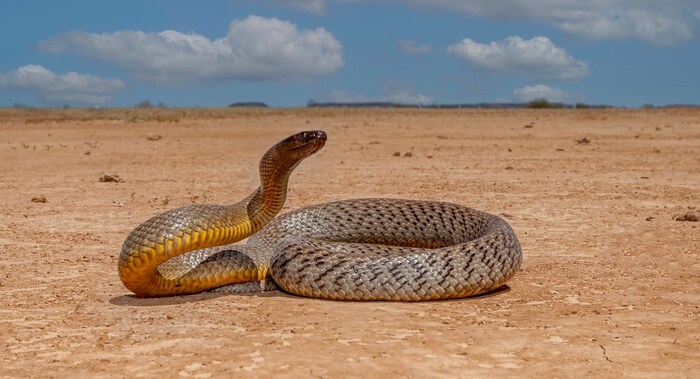
Admittedly, this mindset is widely perpetuated. However, the reality is quite different, which might be surprising. During my entire stay, which included several trips, hikes, and camping overnights, I saw exactly one large spider. And it was hanging relatively harmlessly in a web during a rainforest hike. In Australian cities, there’s no trace of the supposedly dangerous animals–though those venturing into more rural areas might have different experiences. While Australia is home to some of the world’s most venomous animals, they are shy and generally avoid humans both in water and on land. They are often nocturnal and live in specific habitats. Critical encounters are also seasonal, such as with jellyfish.
As for my personal impressions, I found the wildlife fascinating. Upon arriving in Australia, you hear bird calls that let you know: This is a unique ecosystem.
4. Boarding public transport without a ticket

In Australia, the ratio of ticket price to penalty is significantly higher than what we’re used to in Germany. The price for a ride varies greatly between states, starting at about 30 cents in Queensland and going up to 3 euros in Victoria and New South Wales. However, if you’re caught without a ticket, you’ll face a hefty fine, ranging from 110 to 220 euros. This makes the penalty four to six times more expensive than in Germany and truly deters any backpacker or tourist!
5. Believing the legend of the “Drop Bears”
The story of the “Drop Bears” is probably the most absurd one circulating in Australia. Imagine a small, cute koala hanging in eucalyptus trees. It’s harmless, sleeps most of the day, and feeds on eucalyptus leaves. Now, it suddenly opens its mouth dangerously and bares its teeth. It’s as big as a leopard and a carnivore. It particularly likes to target people with foreign accents, dropping from trees to attack them with its sharp claws.
Sound scary? This idea is actually just a fictional story of a mythical creature that Australians like to tell to scare tourists and make fun of them. According to “National Geographic,” there was indeed a “marsupial lion,” a carnivorous relative of the koala, during the Ice Age, but it had nothing to do with the legend of the “Drop Bears.” This myth only emerged in the 20th century. So, you shouldn’t fear Drop Bears in Australia–but you should be wary of Australians telling tall tales.

6. Underestimating the Outback
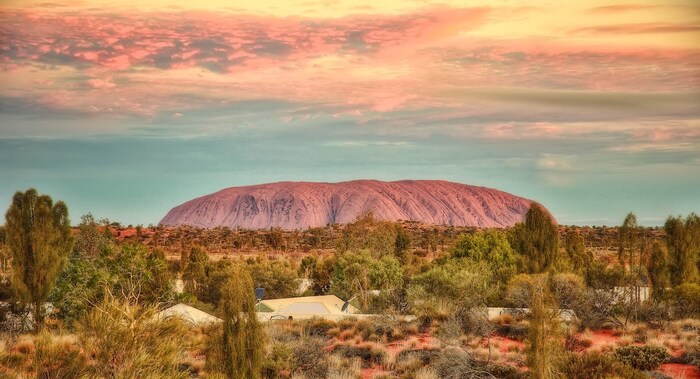
The Australian Outback makes up a whopping 70 percent of the country’s land area and is practically uninhabited. About 85 to 90 percent of the people there live in cities. The Outback consists of a mix of desert and semi-desert areas with transitions to bush and grassland. Those who want to travel to the interior of Australia should keep several things in mind and prepare well:
- Heat and temperature fluctuations: As a desert landscape, temperatures here rise to up to 122 degrees Fahrenheit in summer. At night, it hardly cools down and stays around 86 degrees Fahrenheit. Therefore, it’s important to ensure sufficient water and supplies. In winter, daytime temperatures are often still up to 77 degrees Fahrenheit, but at night, they drop sharply to as low as 32 degrees Fahrenheit.
- Fueling up: Gas stations in the Outback can often be hundreds of kilometers apart. If you don’t refuel early enough or don’t have a spare canister, you’ll literally be stuck in the wilderness.
- Cell phone network: Just a few kilometers outside the cities, there’s no cell reception. For navigation on longer routes, you’ll need a satellite phone or UHF radio.
7. Surfing or swimming without paying attention to warning signs
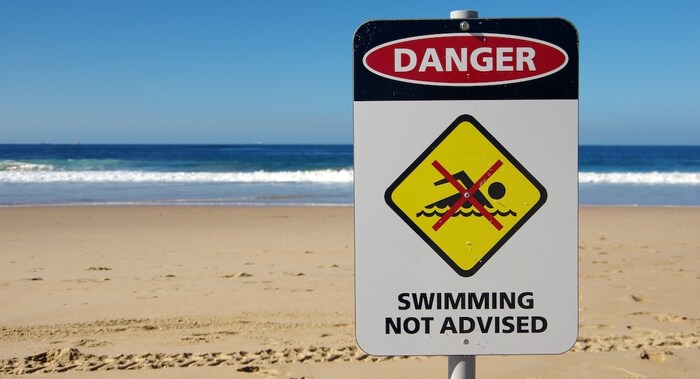
Australia has many paradisiacal beaches that invite you to swim and surf. However, you should make sure to stay in supervised swimming areas marked by flags. Otherwise, you might face dangers like rip currents. These strong backwash currents can pull you out to sea. Depending on the season, sharks, crocodiles, or jellyfish can also pose a threat. It’s important to always pay attention to surrounding signs and inform yourself in advance. Australian authorities place a high value on water safety and provide online information about safety at beaches.
Also interesting: Australia – the most beautiful travel destinations and best tips
8. Thinking kangaroos are just cute
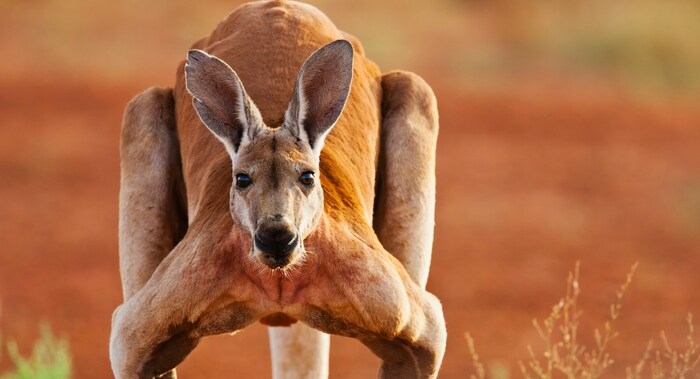
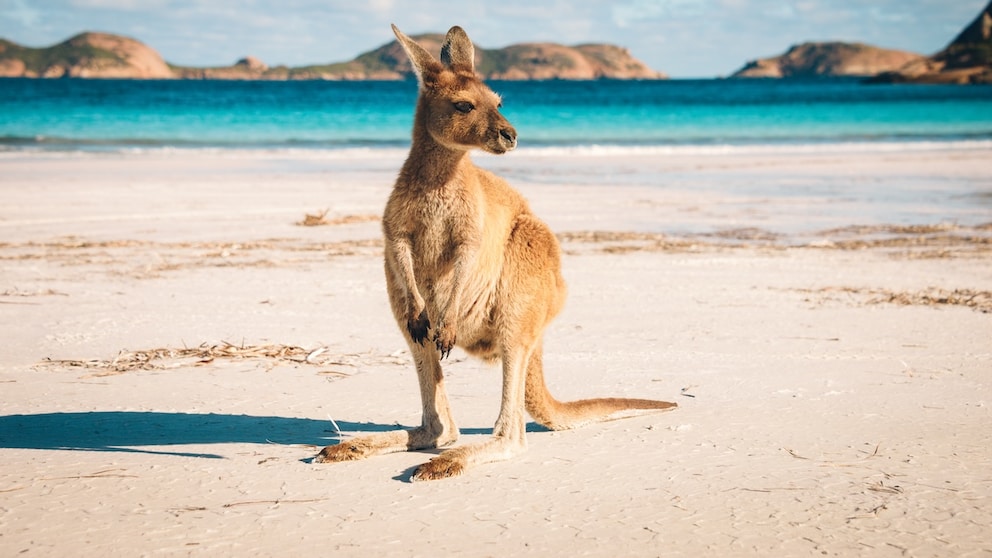
Although the cliché of poisonous animals lurking around every corner is exaggerated, even seemingly harmless animals in Australia should not be underestimated. Among the most well-known animals are kangaroos. They may appear peaceful and cute, but some can grow up to 1.8 meters tall! Especially the males fight with kicks and punches, so you shouldn’t get too close to them. They pose an even greater danger to traffic, as they become active at dusk and at night. Wombats, which live in Australia and Tasmania, are also a traffic hazard. These chubby creatures are tougher than you might think–they often survive car accidents more than kangaroos and cause significant damage to vehicles.
Now that we know “Drop Bears” are just a myth, koalas are naturally more reclusive, passive, and harmless. However, you shouldn’t provoke them, as they can bite when threatened–and can transmit diseases like chlamydia.
9. Bringing food into the country upon entry
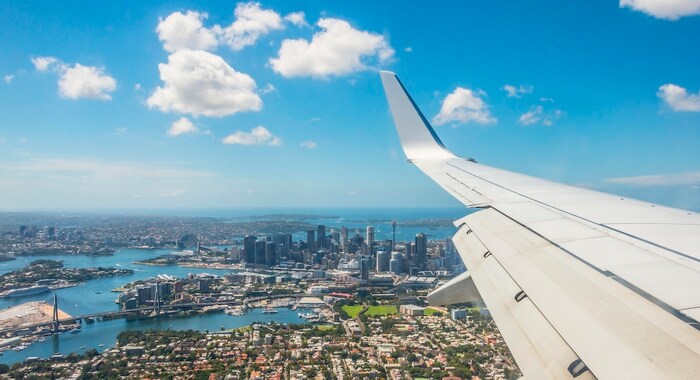
That’s right–when you land and enter Australia, you must adhere to strict rules on bringing food. The Australian government aims to protect its unique wildlife and plant life from pests, diseases, or invasive species. Unprocessed animal and plant products like fruits, meat, and nuts are especially prohibited or must be declared. Otherwise, hefty fines await. The Australian Border Force provides information on which foods are allowed and which are not.
10. Considering distances to be manageable
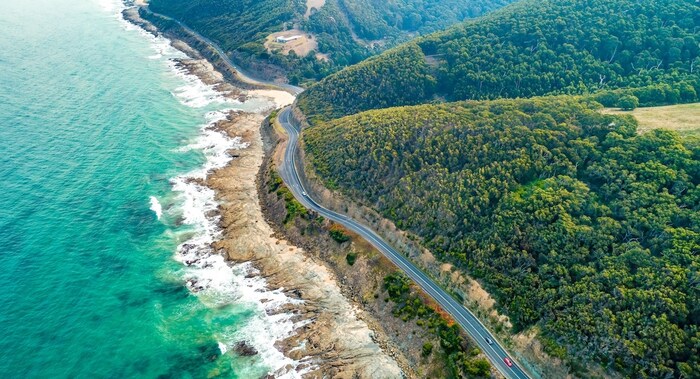
Australia, with its approximately 7.7 million square kilometers, is the sixth-largest country in the world and 21 times larger than Germany. Only a small part of the land area–just about 2 to 3 percent–is inhabited, leading to large distances between cities that can easily be underestimated. So, if you’re planning a road trip, prepare for long drives. Of course, Down Under has a lot of beauty to offer, revealing scenic spots along the way. For example, a “quick” drive from Melbourne to Sydney takes a solid 9 to 10 hours.
11. Wanting to grill for free without showing manners
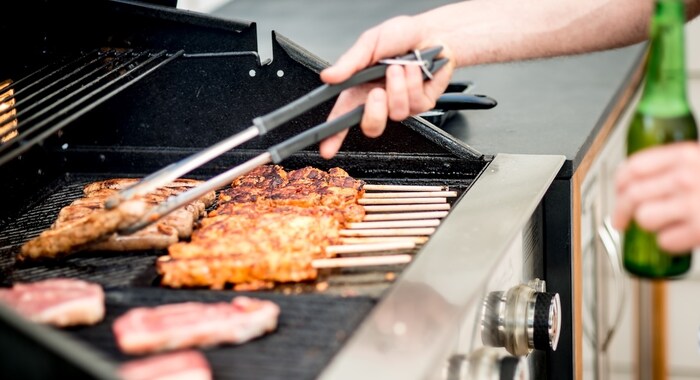
Yes, you heard right: Australia offers free, electric barbecue plates in parks and on beaches! These are very popular and are even cleaned and maintained by the city administration. Pure luxury! But that doesn’t mean you can completely relax. You should still ensure the plate is roughly clean and free of food residues. It’s also important not to hog the barbecue plates for hours if other groups are waiting. Otherwise, enjoy your meal!

7 European Destinations to Escape the Winter Cold

Why Iguanas Are Falling From Trees in Florida
12. Criticizing Vegemite
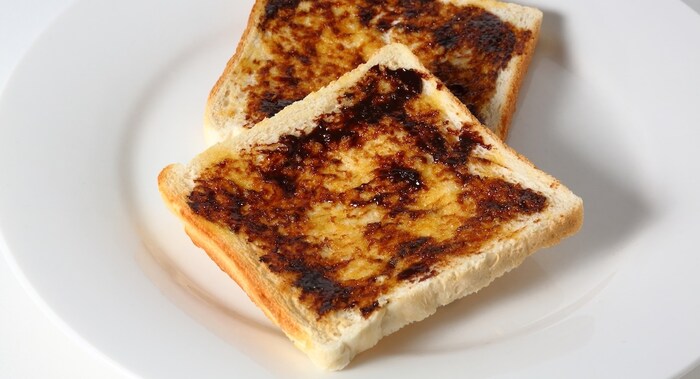
Vegemite is a typical Australian, dark, spreadable paste with a very strong, salty, and slightly bitter umami flavor. It’s often described as an intense taste experience. Outsiders are especially surprised by the unusual taste, which is very different from sweet spreads. For Australians, this spread is almost part of the national identity, and those who criticize it fit the stereotype of the clueless tourist. The first mistake often happens when spreading it–a thin layer is enough for a slice of toast with butter. Under no circumstances should it be compared to a thick layer of Nutella, at least if you want to avoid gagging.
13. Taking everything too literally
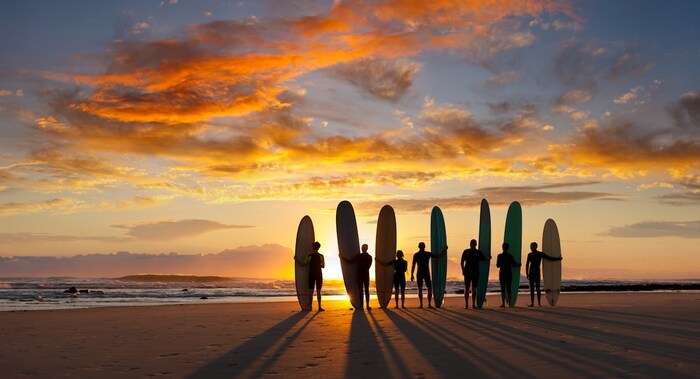
Aussie humor is extremely dry and sarcastic. Australians are very relaxed people with a talent for making jokes about everything. This often includes clueless tourists with misconceptions about Australia. But with a “Hey Mate, wassup?” you’re never wrong. So, if you don’t take everything too seriously, you’re sure to have an unforgettable time in Down Under!