

March 25, 2026, 10:29 am | Read time: 5 minutes
In the northern outskirts of Berlin, near Bernau, once lay one of the most secretive and exclusive places of the former East Germany. In the so-called Wandlitz Forest Settlement, the political leadership lived a luxurious life by the standards of the time, at the state’s expense. The public was strictly forbidden access, which quickly led to legends about the “SED ghetto.” However, the truth was quite different, and today anyone can see for themselves.
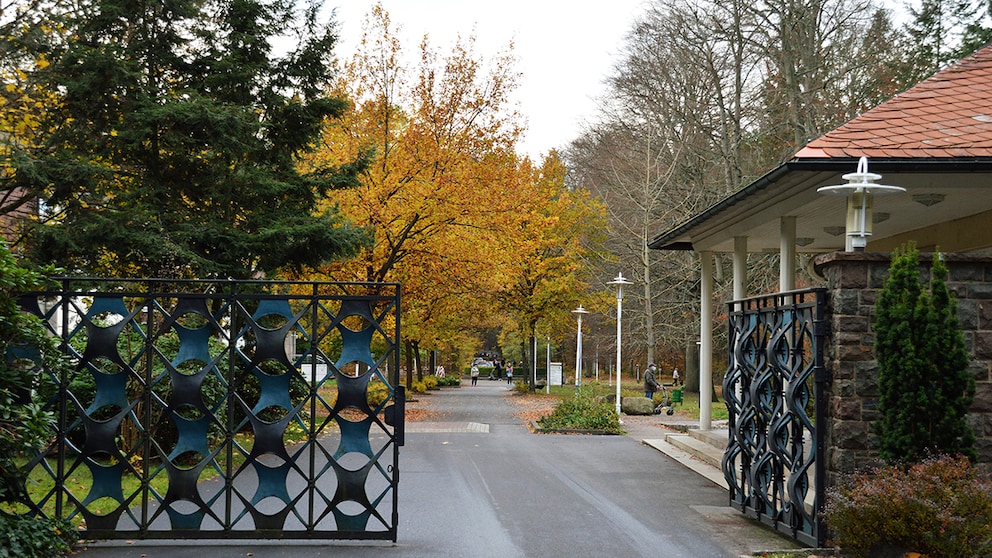
The first thing visitors see of the Wandlitz Forest Settlement is a cast-iron main gate. Today, it stands open to everyone, but until German reunification, public access was strictly prohibited. On this vast area, the political leadership of East Germany resided in unimaginable luxury for the average citizen. Isolated from the outside world, figures like Erich Honecker, Erich Mielke, Walter Ulbricht, and Egon Krenz lived here with their families in a bizarre parallel world. Today, visitors can explore the remarkably well-preserved site.
It was the year 1958 when, near the small town of Wandlitz, according to the official tourism site of the Barnim Nature Park, the construction of the Wandlitz Forest Settlement began. A forest area was converted into a residential complex under the highest security precautions. From the outside, the site was camouflaged by a chain-link fence, officially designating it as a wildlife research area. Access was only possible with a special permit, and the four gates were protected by camera surveillance and security personnel. Here, none other than the elite of the SED, the heads of state of East Germany, were to move in.
Bleak Reality
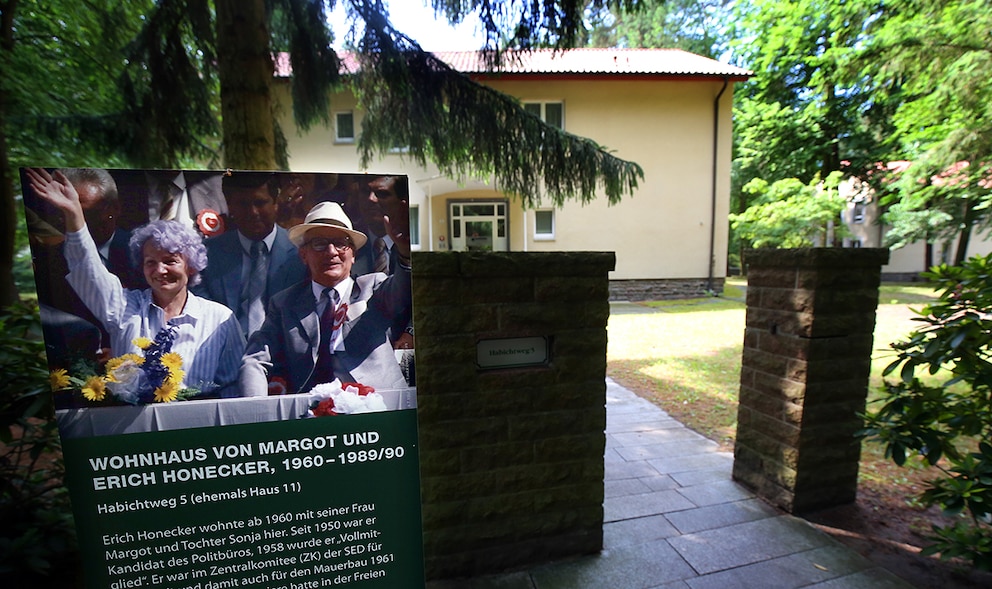
Besides their residences, of which 23 are still preserved today, the site also housed a private hospital, a nursery, and accommodations for the 650 staff members who attended to the needs of the East German elite around the clock. Anyone with influence in the state moved to the Wandlitz Forest Settlement; it was an unwritten rule. Because the area, financed by the state, was so strictly isolated from the public, wild rumors soon spread among the people about a supposed life of luxury, with claims that the officials lived in villas with golden faucets.
Also interesting: Longyearbyen: The city where dying is forbidden
The truth, as anyone can see today, was much more sober, or one might say bleak, in the Wandlitz Forest Settlement. While the powerful lived in houses with up to 15 rooms and several hundred square meters of space, from the outside, they exuded no charm, even resembling prefabricated buildings, according to “Deutschlandfunk.” Nevertheless, the East German elite led a life here that was simply unimaginable for the average citizen. Fresh fruit was always available, and Western goods could be ordered easily via catalog. The large clubhouse featured a swimming pool, concert hall, sauna, cinema, and restaurant. In popular parlance, the place was also dubbed “Bonzenhausen” and “SED ghetto.”
The Secret East German Bunker That Is Now a Museum
Inhabited for 1,000 Years! The likely Oldest Settlement in the United States
Monitored by the Stasi
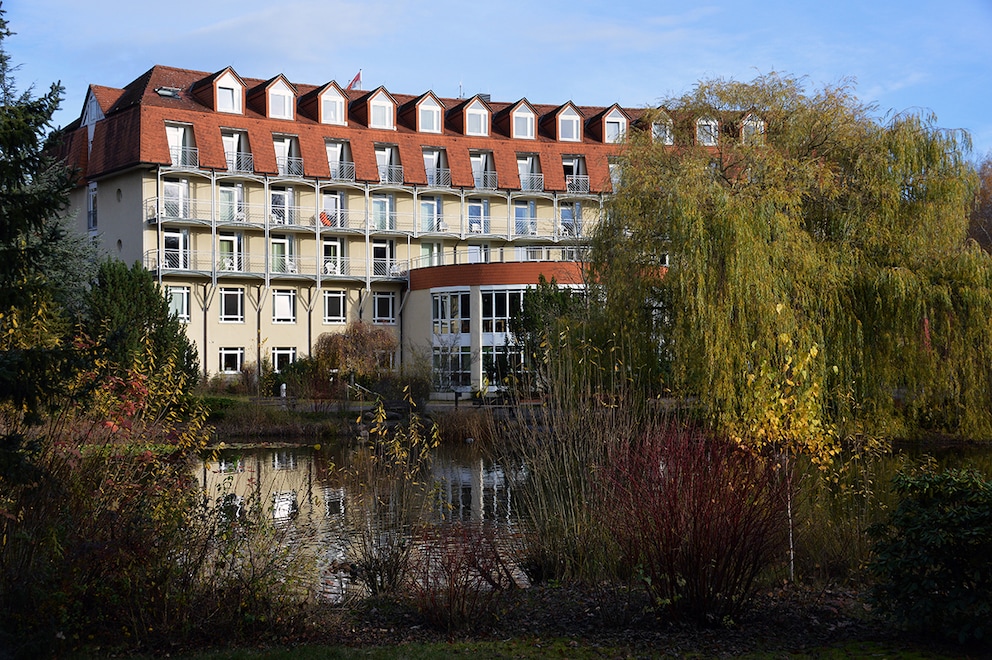
But there was another reason why the East German leadership was supposed to live in the Wandlitz Forest Settlement: The state-owned secret service, the Stasi, monitored even them. Thus, the site was characterized by an atmosphere of constant mistrust and isolation of individuals from their neighbors. The inner ring, where the officials’ houses and the clubhouse stood, was protected by a two-meter-high concrete wall, with 200 soldiers ensuring additional security at 33 different positions.
With the fall of the Berlin Wall, the Wandlitz Forest Settlement soon became history, and by January 1990, the East German elite had to move out. Today, the site is accessible to everyone and has been used by the Berlin-Brandenburg rehabilitation clinic since 1990, among other things. There is also a retirement home there. The remaining residential units have been renovated and are now rented out again. 23 houses, where party officials once resided, have also been preserved. Some of them seem almost unchanged since then. In 2017, the Brandenburg Office for Monument Protection added the Wandlitz Forest Settlement to its list.
“Interest in East German History”

Today, you can visit the Wandlitz Forest Settlement at any time and try to understand a part of East German history. A guidance system leads through various information boards with QR codes across the site, with its well-maintained gardens. If you wish, you can also book tours through the tourism website of the Barnim Nature Park. The city of Bernau offers them as well, as the area is located in the Waldfrieden district of Bernau. A local tourist information employee says in response to a TRAVELBOOK inquiry: “The topic is already quite popular with us. We offer three tours there in 2026. We also regularly receive inquiries from private groups, but unfortunately, we have not been able to accommodate them yet.”
During the tour, you only see the exterior areas of the Wandlitz Forest Settlement. Under normal circumstances, you cannot enter the buildings themselves. “The idea is to explain to people the former function of the settlement.” In general, Bernau has noticed an increased interest in East German history in recent years. An interesting part of it can still be seen in the Bernau Gallery “Kunstraum Innenstadt.” Numerous sculptures are exhibited there, which could be saved from looters from the Wandlitz Forest Settlement. Tours can be booked through the Bernau Tourist Information website. They cost eight euros, reduced rate six euros.