

June 8, 2026, 4:11 pm | Read time: 3 minutes
Films, series, and social media often turn previously little-known travel destinations into tourist magnets. This is currently happening on the Scottish island of Ulva. Since a TV report, the small island off the west coast has experienced an unexpected surge in visitors–with consequences for its few residents. TRAVELBOOK reveals why the island is now taking an unusual measure.
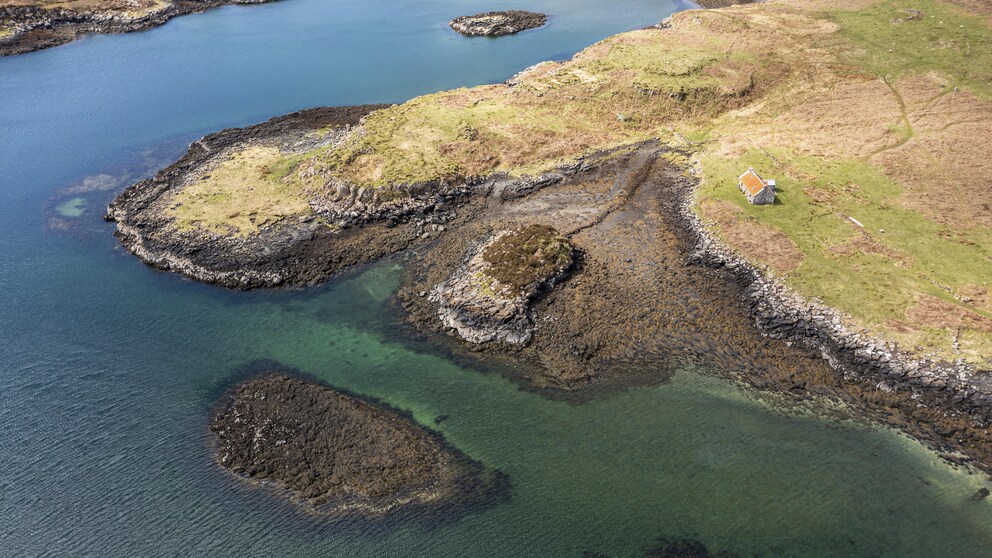
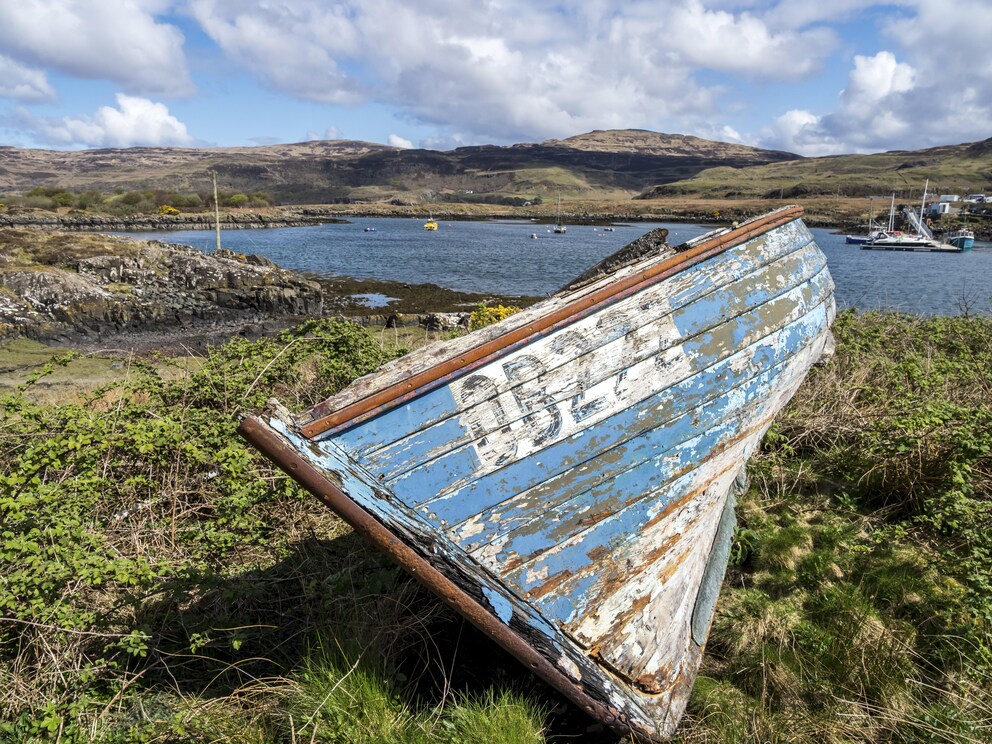
Ulva is located in the Inner Hebrides off the west coast of Scotland. The island, about 20 square kilometers in size, is accessible only by ferry and is known for its hiking trails, sparse population, and relics of past times–including a Stone Age cave. While Ulva had relatively few visitors until recently, the gentle nature tourism came to an abrupt end at the beginning of the year.
The Trigger for the Tourism Boom
The reason is a documentary by the broadcaster BBC Scotland about Australian interior designer Banjo Beale and his husband. In the six-part series, the two take on the task of restoring the historic manor “Ulva House” on the island and converting it into a boutique hotel. Although the hotel has not yet opened to guests, the show sparked great interest in the remote island and attracted numerous visitors.
Tiny Adriatic Island Resists Daily Invasion of Tourists

Pure Idyllic Escape! These Islands in Europe Are Still True Hidden Gems
Island Takes Action
The island, with its approximately 16 residents, was apparently not prepared for this influx. The tourist infrastructure is modest: Besides the restaurant “The Boathouse,” there are few offerings for guests on Ulva, and visitor accommodations are limited. The small passenger ferry that brings tourists to the island has been regularly fully booked in recent months. Consequently, the island’s residents and ferry operators sounded the alarm.
As reported by the British newspaper The Sun, the Ulva Ferry justified the decision with the unexpectedly high number of visitors. In a social media post, the operators explained that no one had anticipated such a sharp increase in guest numbers. Therefore, the ferry service will be suspended on Sundays during the summer months. This is intended to give ferry staff, the island restaurant, and residents time to catch their breath and prepare for the coming week.
For travelers, this means that the passenger ferry will not operate on Sundays during the summer months. However, those who have already booked accommodation on the island for a Sunday will still be able to make the crossing, according to the operators.
Ulva Was Shrinking for a Long Time
The curious thing is that just a few years ago, it wasn’t tourism but the declining population that was the biggest problem on Ulva. Until 2018, only five to six people lived permanently on the island. After decades of depopulation, the residents, together with the neighboring community on Mull, managed to buy back the island from a private owner and create new opportunities. That the small island was not prepared for such a visitor surge is therefore hardly surprising.