

July 29, 2026, 2:50 pm | Read time: 4 minutes
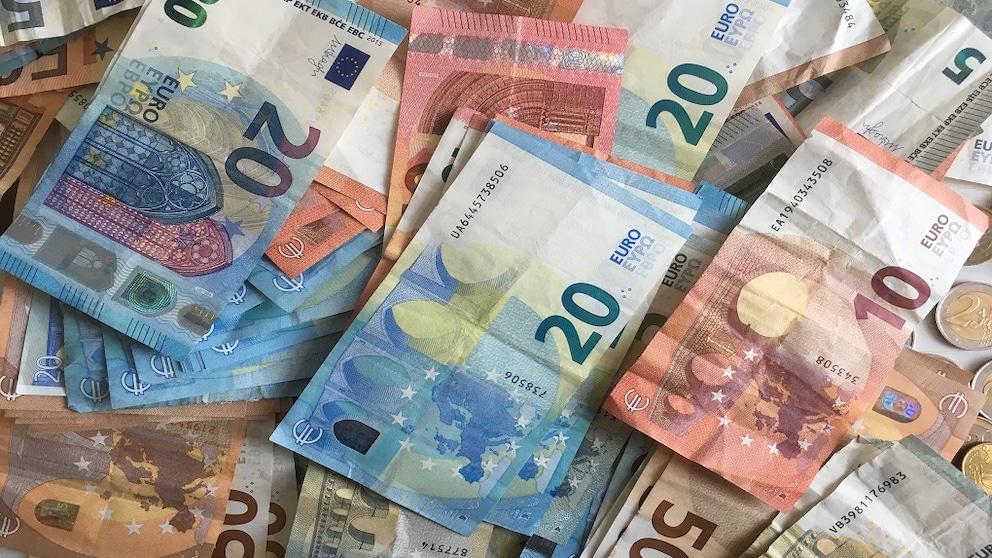
We hold them in our hands every day; they are simply indispensable in our daily lives: the various euro banknotes currently in circulation. But have you ever wondered where the bridges depicted on the back of the banknotes are actually located? TRAVELBOOK asked experts—and received a surprising answer.
Everyone knows them, everyone has seen them: the bridges depicted on the seven different euro banknotes currently in circulation. And surely many have wondered where the iconic structures depicted on the back of each note of our Europe-wide currency are actually located. TRAVELBOOK author Robin Hartmann consulted experts—and stumbled upon a surprising answer.
Surprising Answer
To put it briefly: The legendary bridges on the euro banknotes do not actually exist. They are fictional, simply made up. This can be read on the websites of both the Bundesbank and the European Central Bank. They are part of the second, current Europa banknote series. A press officer from the Bundesbank told TRAVELBOOK: “The design of the current Europa series is based on the theme ‘Ages and Styles of Europe’ by Robert Kalina (an Austrian, the editor), known from the first euro banknote series. It was slightly modified by banknote designer Reinhold Gerstetter from Berlin to give the new banknotes a fresh look and to integrate a range of new and improved security features. This second euro banknote series has been issued since 2013.”
Openness and Understanding
“The structures are not only expressions of shared cultural roots but also of shared values. The windows, doors, and portals symbolize the spirit of openness and cooperation. The bridges on the back represent the understanding between the peoples of Europe and between Europe and the rest of the world.” But why didn’t they just use real bridges for the notes? “No country should feel disadvantaged.” The 5-euro note represents the Classical era. The tenner symbolizes the Romanesque, the twenty the Gothic. The 50-euro note represents the Renaissance, the hundred the Baroque and Rococo. The 200-euro note reflects the iron and glass architecture of the 19th century. Finally, the 500-euro note depicts the architecture of the 20th century.
Also interesting: A schematic map of Europe is also visible on the back of the euro banknotes. If you look closely, you can even spot various islands or island groups such as Madeira, the Azores, the Canary Islands, Malta, Cyprus, and even the overseas department of French Guiana on the South American continent. All banknotes also bear the signature of a former or current president of the European Central Bank.

The Most Beautiful Bridge in the World Is in Europe

Must-See Places in Guatemala
And They Do Exist
Currently, there are twelve printing houses across Europe authorized to produce the coveted euro banknotes. In Germany, two locations handle the supply: Bundesdruckerei GmbH in Berlin and the company Giesecke & Devrient with its production site in Leipzig. And even though the bridges on the euro banknotes originally did not exist, they do now. In the Dutch city of Spijkenisse, you can actually find replicas of all seven structures.
In 2011, the city commissioned an artist to recreate the euro bridges faithfully according to the designs on the paper money. Each bridge has a sign indicating the best angle from which to photograph them so they look just like they do on the banknotes.
New Design Planned
The euro notes have been in circulation since 2002, currently in the second series, which has been in circulation since 2013. And there are already ideas for the future. How should the new euro banknotes of the future look? All citizens of the European Union can currently have a say in this. The European Central Bank (ECB) has published ten designs by various designers and is asking for votes in an online survey.