

April 30, 2026, 11:29 am | Read time: 2 minutes
Anyone planning a safari or tour through Namibia should closely monitor the current situation: The southwestern African country is currently experiencing significantly more malaria infections than usual for this time of year. A region particularly popular with tourists is especially affected, and consistent protection is now crucial there.
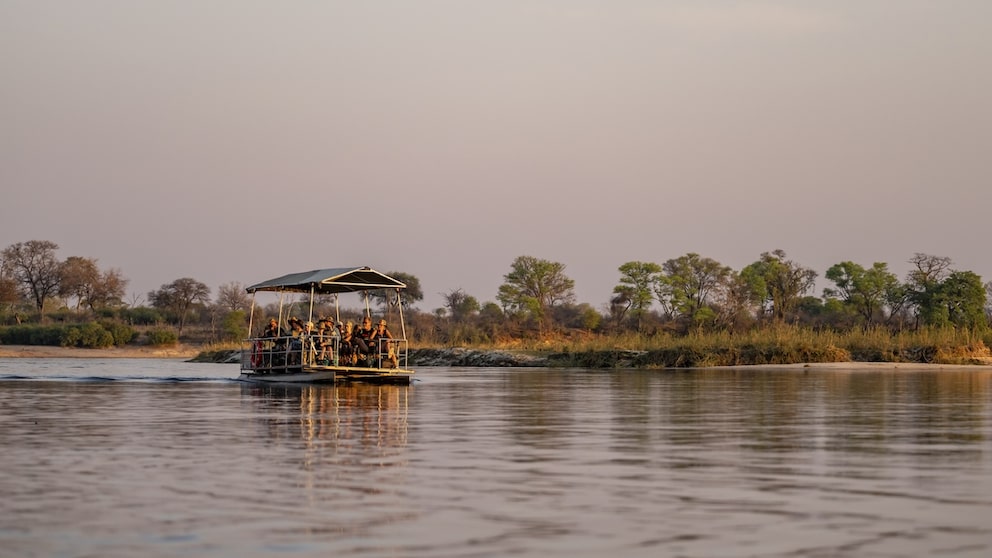
Travel medicine experts are sounding the alarm due to sharply rising malaria case numbers in Namibia. According to the Center for Travel Medicine (CRM), the development primarily affects the Zambezi region in the northeast of the country, which is especially popular with tourists for safaris and tours.
“The dynamics of the current outbreak significantly exceed the usual seasonal developments,” says Tomas Jelinek, the scientific director of CRM, according to a statement. Travelers should take the situation seriously and prepare accordingly.
Protection Against Malaria in Namibia Especially Important
Those traveling to Namibia should ensure consistent protection against mosquito bites on-site. This includes wearing long clothing, especially during the evening and nighttime hours. Anopheles mosquitoes, which transmit malaria, are primarily active at dusk and night.
Additionally, exposed skin can be treated with mosquito spray or repellents. Mosquito nets should be hung over beds. It is also advisable to have appropriate screens on windows.
Which Vaccinations and Preventive Measures Are Important Before Vacation

How to Protect Yourself From Malaria and Other Diseases in the Tropics
Clarify Prophylaxis and Emergency Medications Before the Trip
Medication prophylaxis is also an option for malaria protection. Whether it is advisable in individual cases should be clarified medically well before departure. Especially for trips to areas with limited medical care, it may also be wise to carry emergency medications for self-treatment.
If symptoms such as fever, headache, or body aches occur, a doctor’s office should be visited as soon as possible. This applies even if symptoms initially subside after possible emergency self-treatment.
Important After Returning
Even after returning home, febrile, unclear infections should be taken seriously. Anyone who has previously traveled in the tropics should definitely mention this trip to the doctor’s office. Malaria can break out weeks or even months after a mosquito bite.
The disease can become life-threatening. However, with early diagnosis and treatment, it usually heals without consequences.
With material from dpa